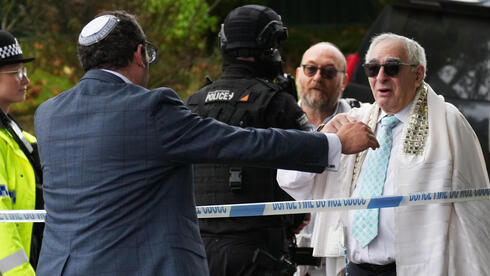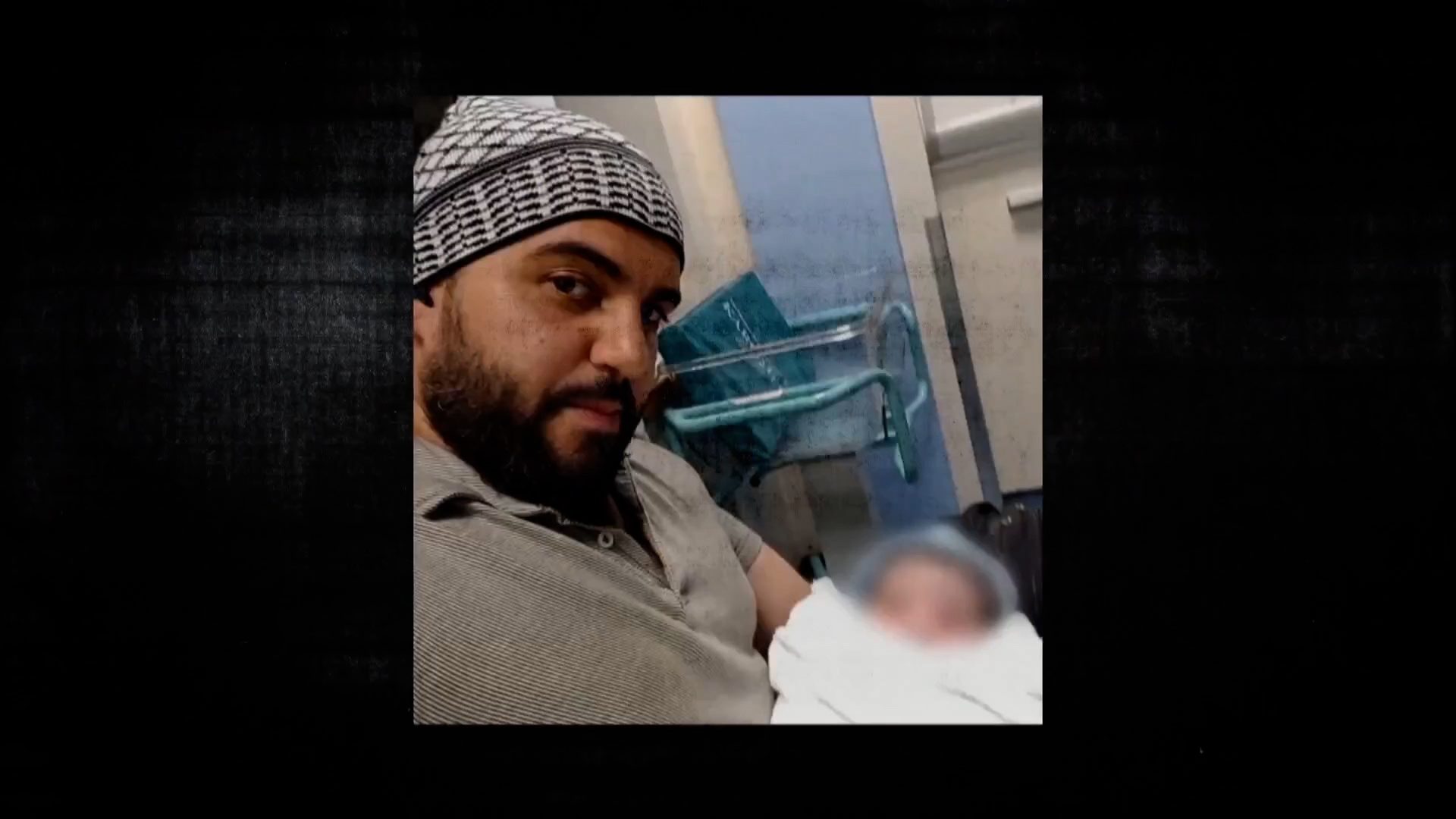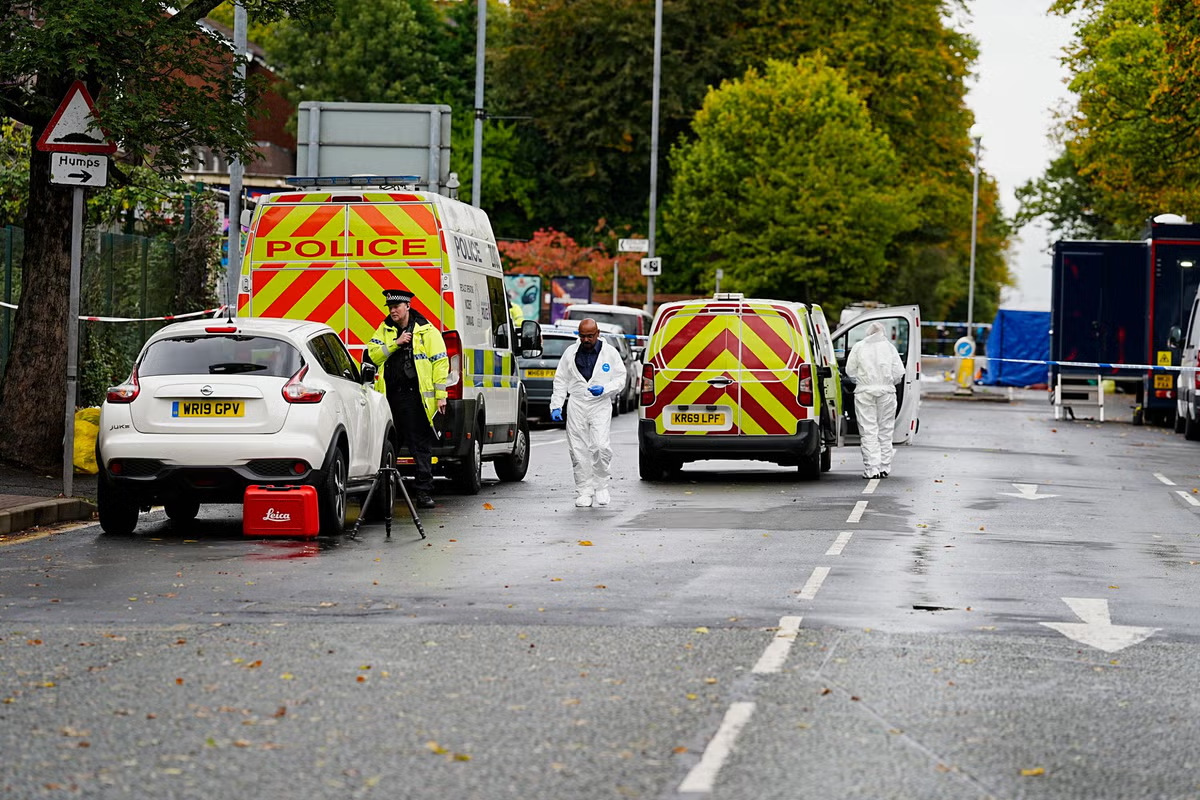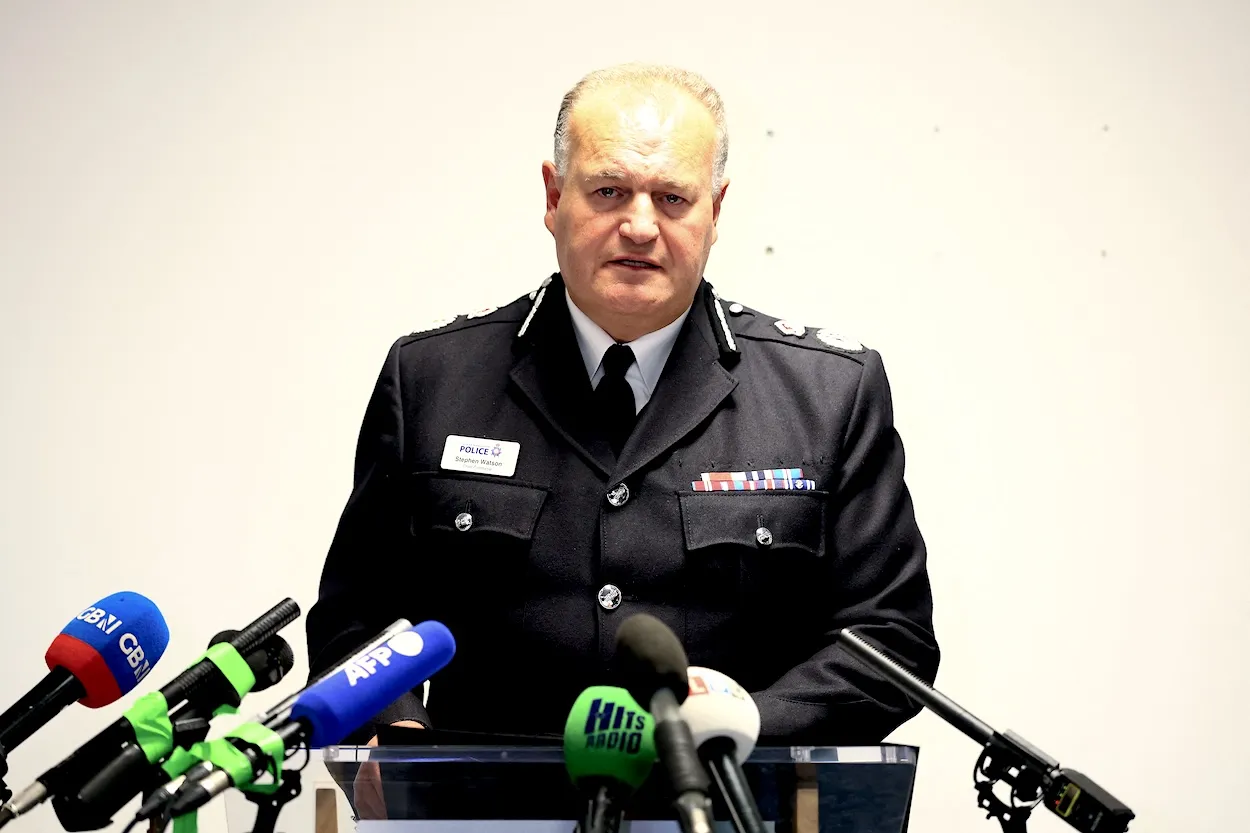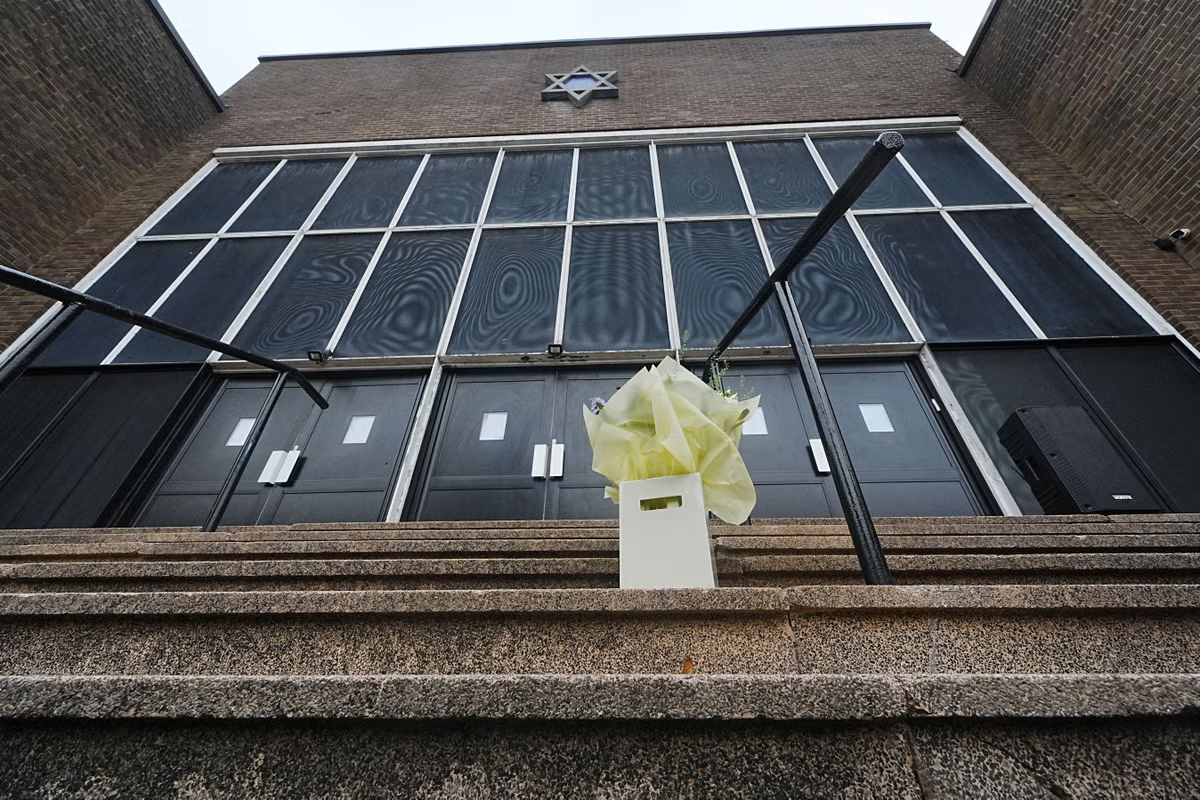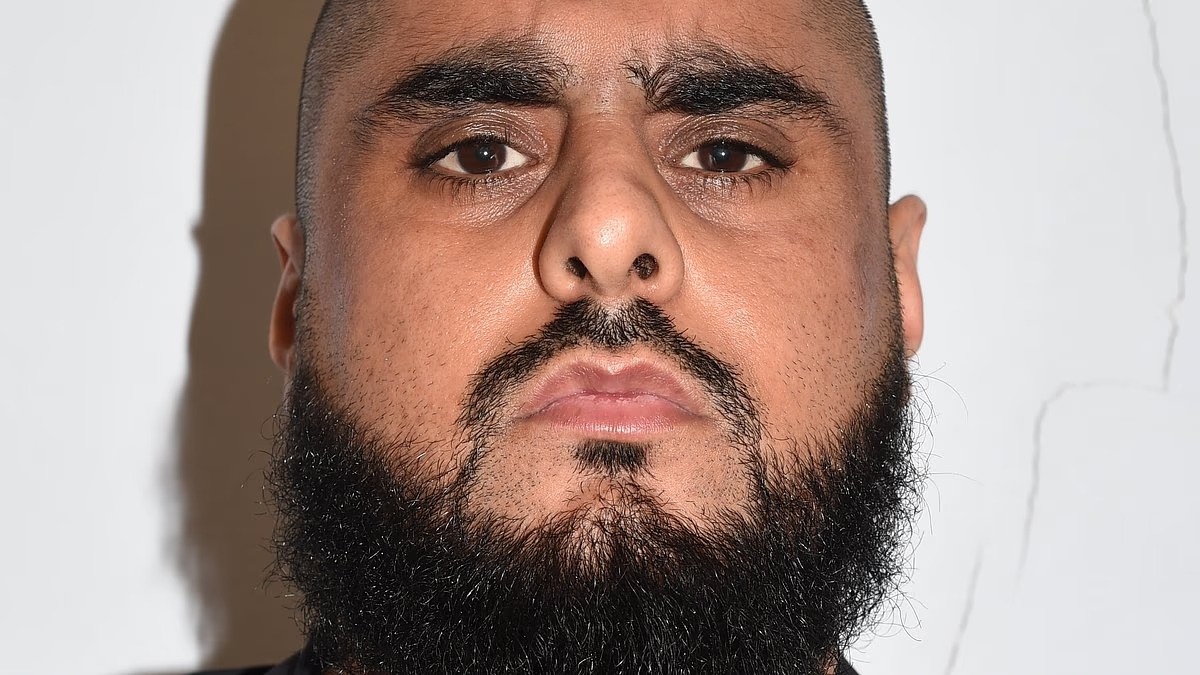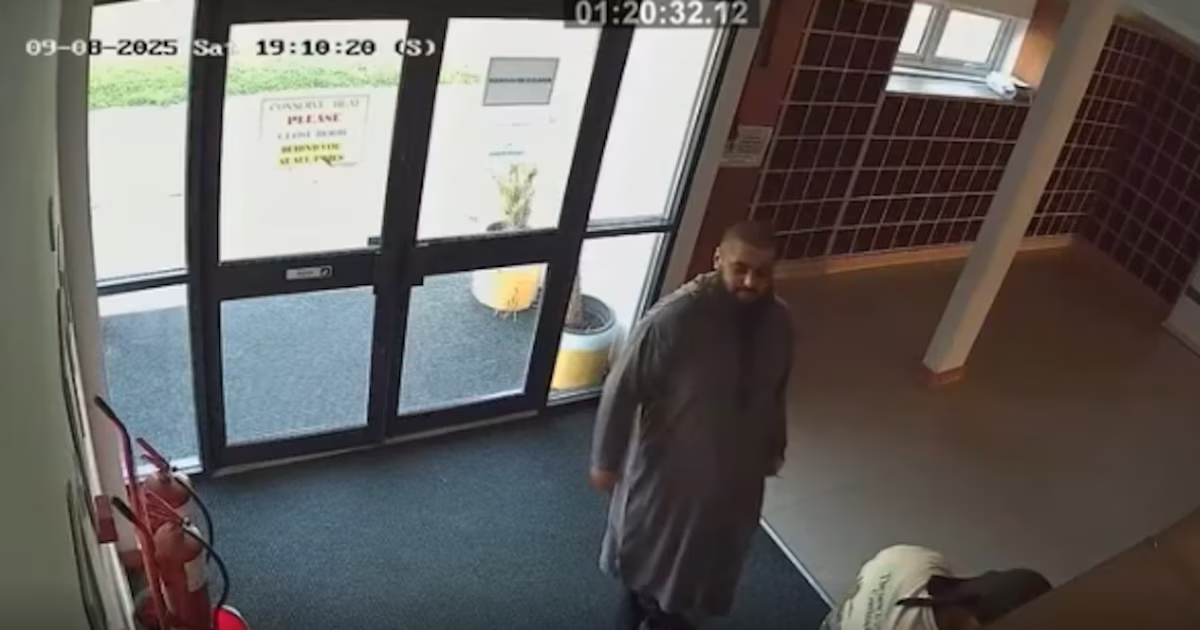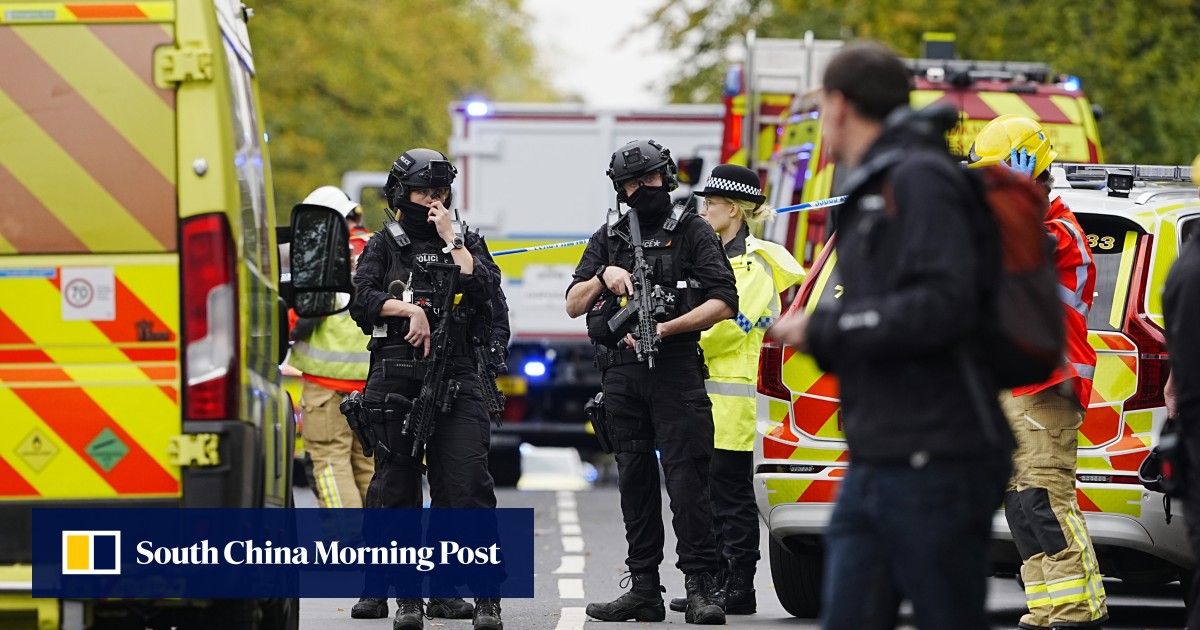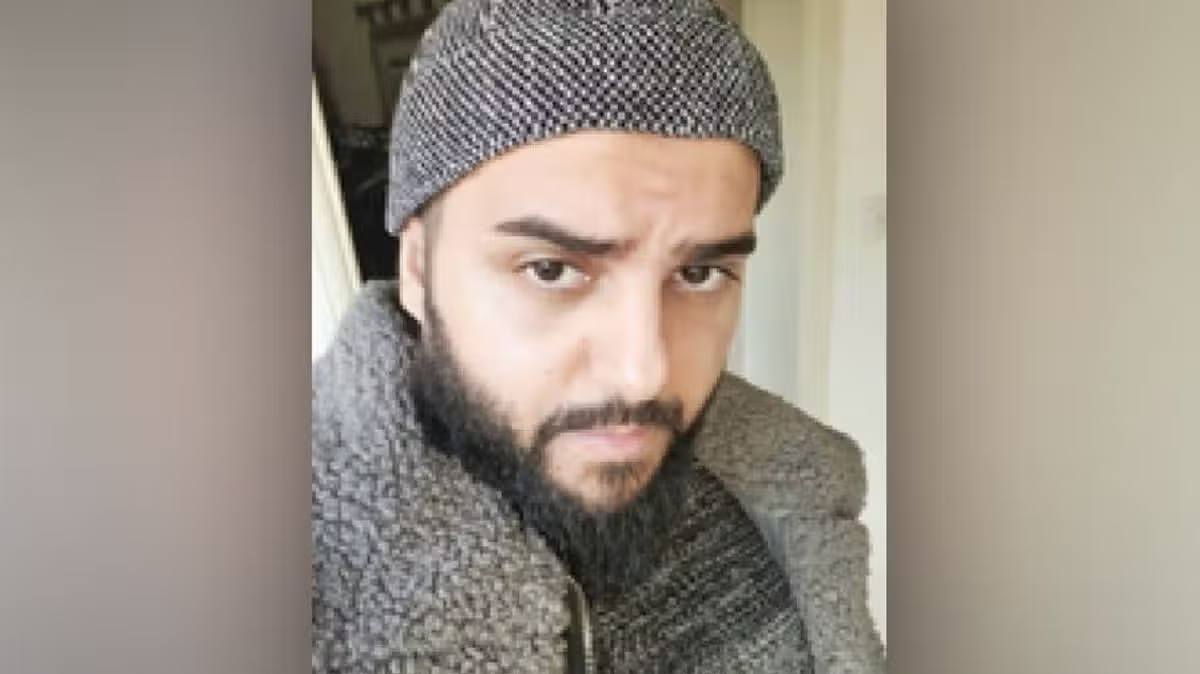
Greater Manchester Police has admitted it missed a key opportunity to uncover evidence of Jihad Al-Shamie's extremist mindset before he carried out a deadly attack on a Manchester synagogue17:12, 23 Jul 2026Updated 19:05, 23 Jul 2026A police chief has said today he is “deeply sorry” over missed opportunities before the Manchester synagogue terror attack.Jihad Al-Shamie, 35, killed two worshippers and injured four others who were taken to hospital with ramming and knife-related injuries during the attack at the Heaton Park Hebrew Congregation Synagogue before he was shot dead by police.Officers had previously seized mobile devices containing evidence of his extremist mindset and fixation with terrorism. But the material was not examined until after the attack had taken place.The disclosure came after Al-Shamie’s friend and accomplice, Mohammad Bashir, 31, was today jailed for life at Manchester Crown Court.Following the hearing, Greater Manchester Police (GMP) Chief Constable Sir Stephen Watson said reporting restrictions surrounding the criminal proceedings had prevented the force from revealing further details sooner.He said: “The conclusion of legal proceedings against Bashir means that the rules which prevent the sharing of information about live criminal cases are now lifted. Today therefore marks the first possible opportunity for me to provide additional information as to the nature of the contact that GMP had with Al-Shamie prior to his cowardly attack upon those attending the synagogue.”Sir Stephen confirmed GMP had been aware of Al-Shamie before the attack in connection with two linked criminal allegations, neither of which related to terrorism. He continued: “These allegations resulted in his being arrested on the 13th February 2025 on suspicion of breaching a non-molestation order; and on the 21st September 2025 on suspicion of rape.“At the time of his committing the attack at the Heaton Park Synagogue, Al-Shamie was on police bail. In conducting an internal review, it became apparent that GMP had seized Al-Shamie’s mobile devices, at the point of each arrest.”A review later found the devices contained significant evidence of Al-Shamie’s extremist views. Sir Stephen added: “The significance of the data contents of these devices was substantial in respect of evidencing an extremist mindset.“Regrettably, I can confirm that the significance of the information stored on Al-Shamie’s devices was not realised as they had not been examined before the attack took place on the 2nd of October 2025.“There can however, be little doubt that the information contained within these devices would have inspired further investigative action. It is clear that our not having reviewed the data available to us prior to the attack constitutes a missed opportunity.“I am disappointed at the prospect of adding to the distress of all of those affected by the terrible events last October. For this, I am deeply sorry.“It is my fervent hope and expectation that the continuing independent reviews and processes will be able to draw together all the available evidence such as to leave no question unanswered.”Sir Stephen said he had contacted those personally affected by Al-Shamie’s “barbarism” and representatives of the Jewish community to inform them of the development. He also thanked them for their support.He added: “GMP is unwavering in our commitment to all people across Greater Manchester and to strive to do all that is possible to sustain the fight against hatred, extremism and terrorism.”Forthcoming inquests into the deaths of Melvin Cravitz and Adrian Daulby, the two men murdered by Al-Shamie at the synagogue, will examine “all aspects of the attack”, Sir Stephen said.The Independent Office for Police Conduct is also carrying out a review. Sir Stephen said it would be for the IOPC and the coroner to determine the “impact” of police failing to examine the contents of Al-Shamie’s devices before the attack.It comes after the security guard who was left seriously injured during the synagogue attack revealed this week how his "life changed forever".Bernard Ayemang, 44, was left with multiple broken bones and a suspected brain injury in the October 2 attack last year. Agyemang now lives with limited mobility, struggles with cognitive difficulties and PTSD.Article continues belowHe told Sky News: “I still suffer from nightmares and flashbacks. I’m still struggling to process what happened. For those of us who survived, life changed forever that day.”Agyemang, from Whalley Range, Manchester, suffered fractures in his right leg as well as his collarbone. He also suffered a suspected brain injury and lives in constant pain, but he also has concern for his family’s wellbeing. The dad continued: "I now live with a great deal of fear for my family’s safety in a place that once felt like the safest place in the world."
Police missed chances to stop attacker who went on deadly synagogue rampage
Greater Manchester Police has admitted it missed a key opportunity to uncover evidence of Jihad Al-Shamie's extremist mindset before he carried out a deadly attack on a Manchester synagogue
758 words~3 min read