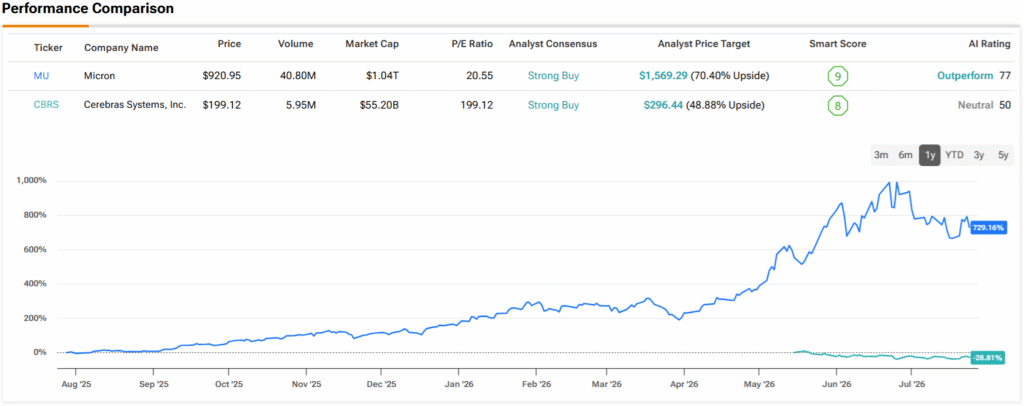
Tesla just solved one of its most pressing supply chain headaches. During the company’s Q2 2026 earnings call on July 22, Elon Musk revealed that Tesla had secured a “significant allocation” of memory chips from Micron Technology, a deal he described as coming on “reasonable” terms. Micron’s stock responded accordingly, climbing roughly 2.5% in after-hours trading.
Why memory chips matter more than you think
Tesla’s cars require enormous amounts of memory to process the real-time data streams that power their autonomous driving systems. The Optimus humanoid robot program adds another layer of demand. And Tesla’s broader AI ambitions, from training models to deploying inference at scale, all lean heavily on high-performance memory.
Memory chips, specifically DRAM and high-bandwidth memory (HBM), have been in tight supply across the industry. Prices have been climbing as AI companies hoover up every available chip. In that environment, locking in a multi-year supply agreement isn’t just smart procurement. It’s existential strategy.
Micron’s automotive playbook takes shape