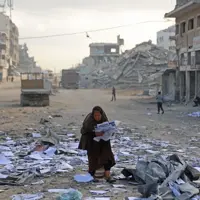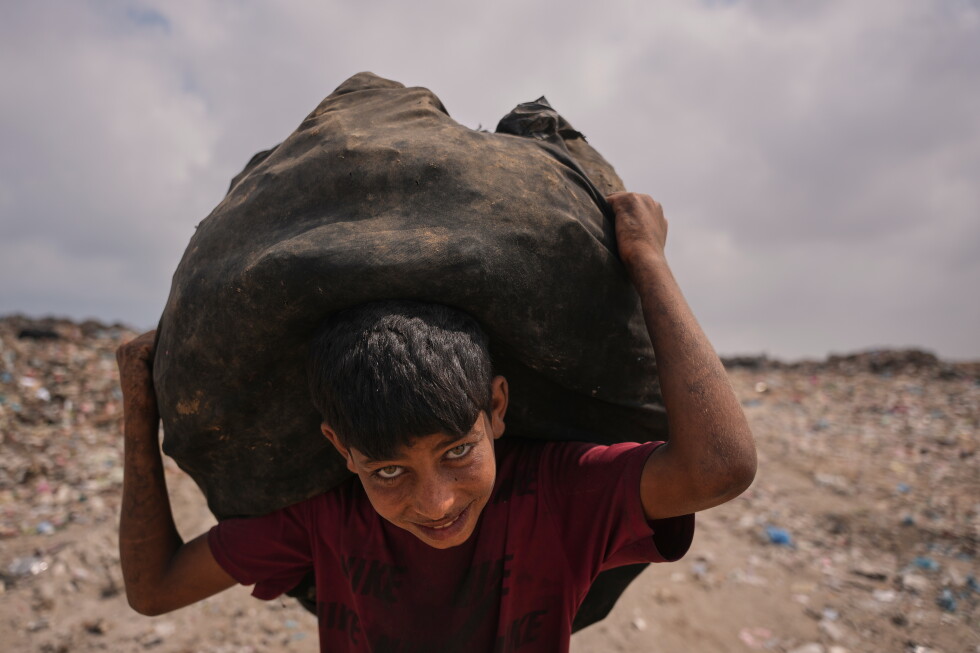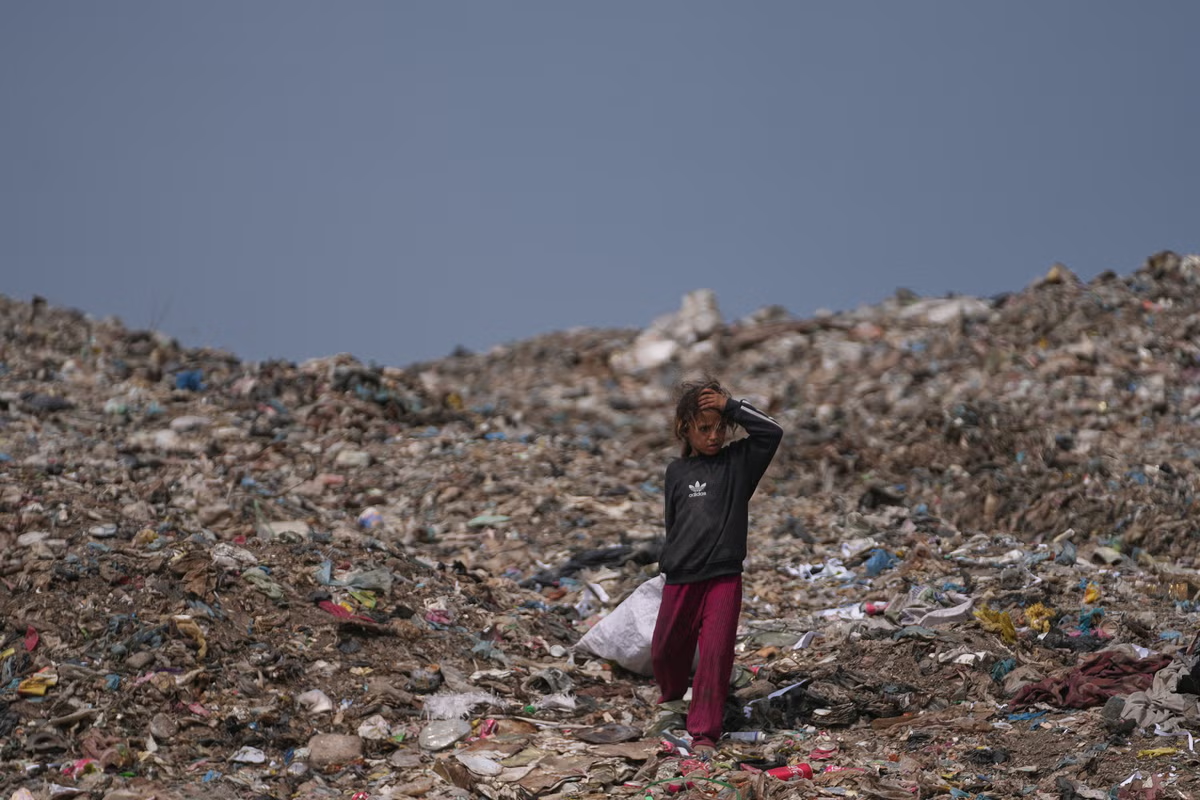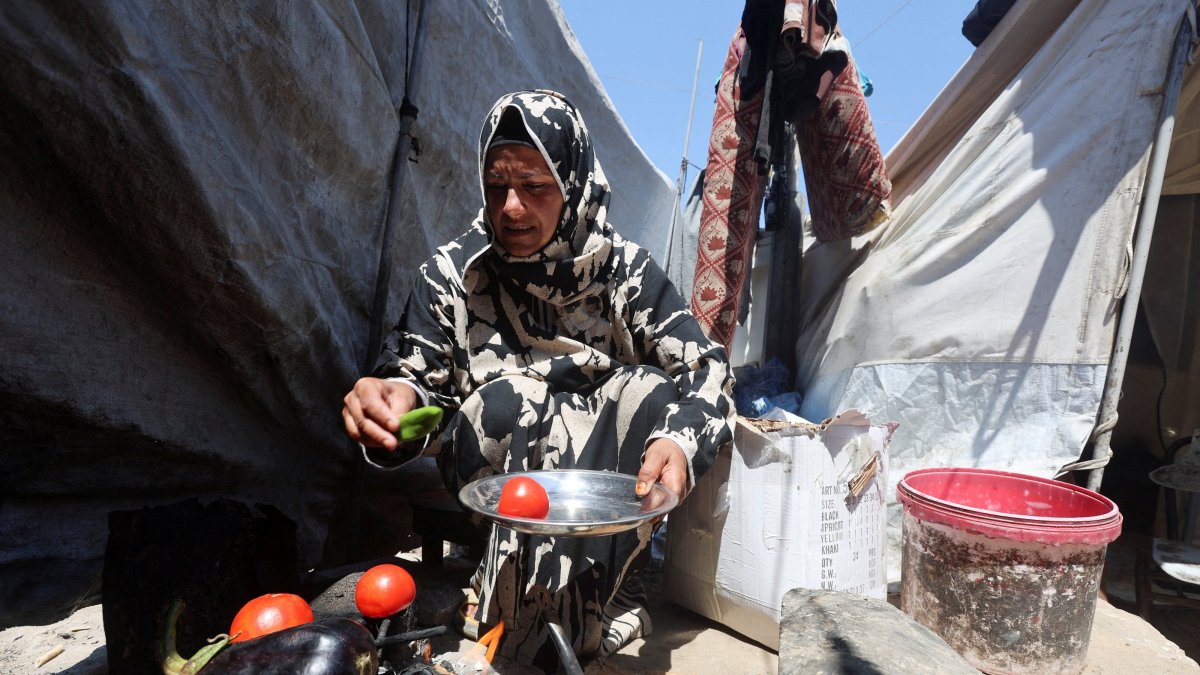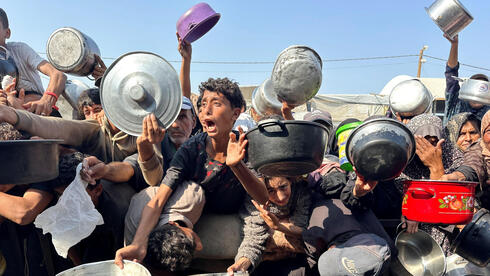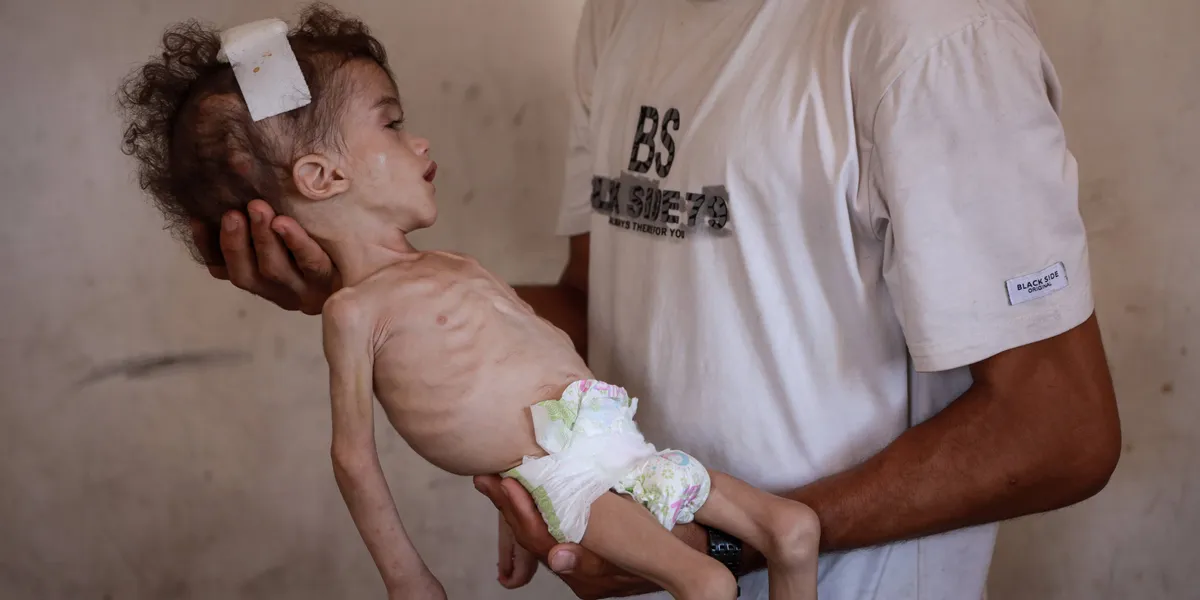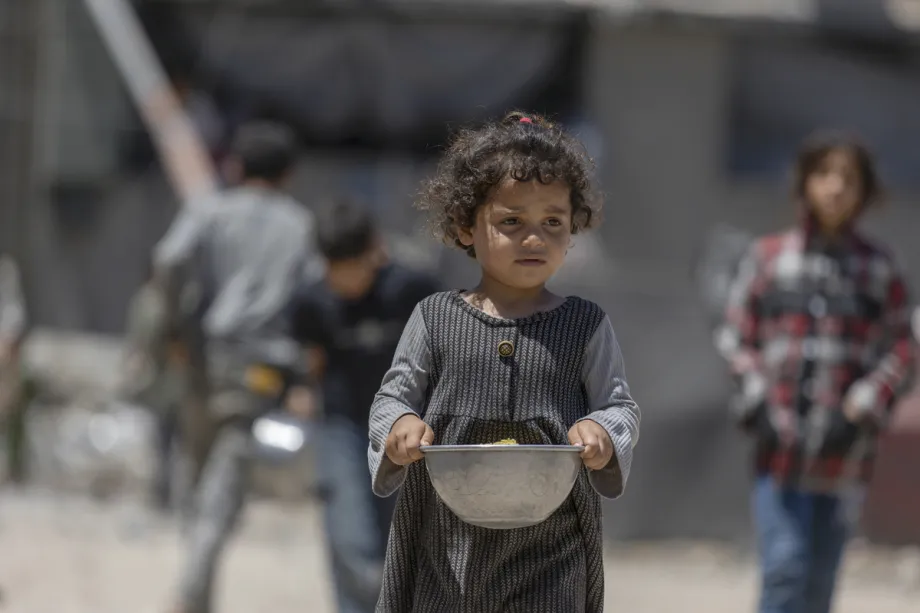
An estimated 1.4 million people in Gaza are expected to face “high levels of acute food insecurity” through December, up from 1.2 million from mid-April to June, despite improvements driven by humanitarian assistance, according to a new Integrated Food Security Phase Classification (IPC) analysis released on Thursday, Anadolu reports.
The IPC said the number of people experiencing crisis (Phase 3) or worse conditions is projected to rise to 67% of Gaza’s population, while 212,000 people are expected to remain in emergency (Phase 4). All five of Gaza’s governorates are classified as being in crisis.
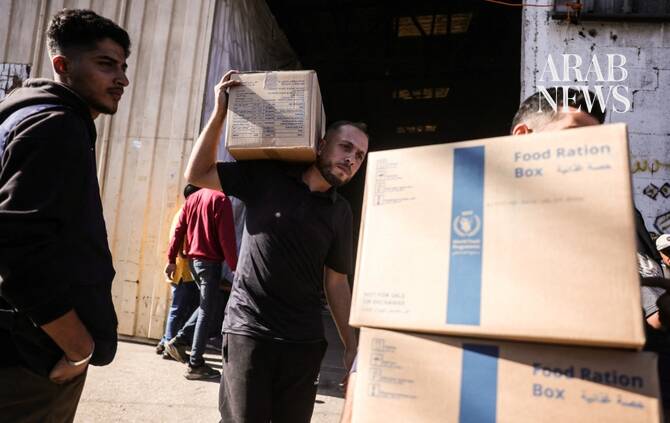
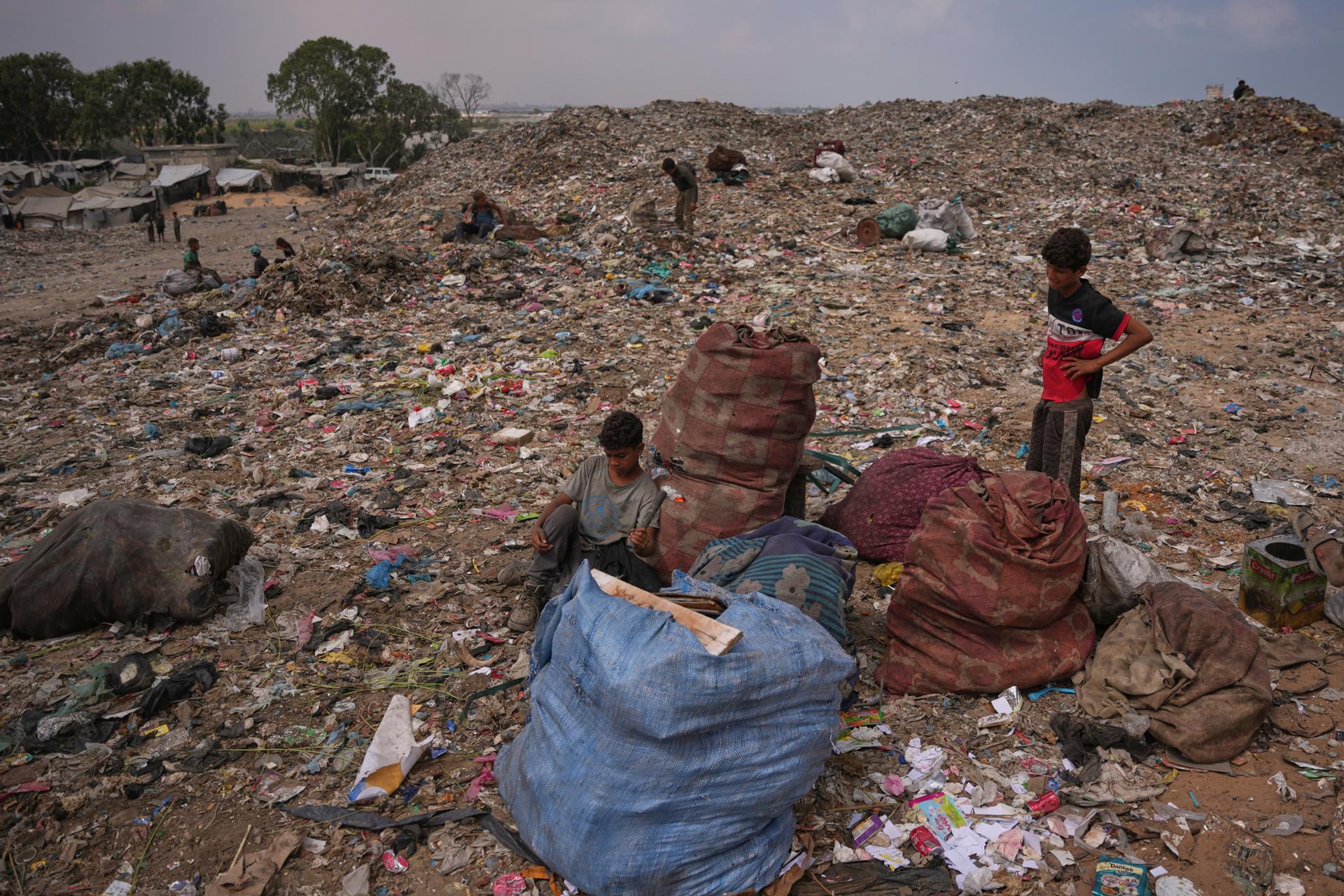
The report said expanded humanitarian assistance following last October’s ceasefire helped improve food security and nutrition, with food aid reaching about 1.49 million people in May. It warned, however, that rations remain insufficient, livelihoods have collapsed, and 83% of households report having no source of income, leaving most families dependent on external assistance.
The IPC cautioned that recent gains remain “highly fragile” as humanitarian assistance has declined since February due to funding constraints and uncertainty surrounding the operations of international aid groups. It warned that, without humanitarian food assistance, an estimated 1.9 million people — about 90% of Gaza’s population — will face high levels of acute food insecurity through December.