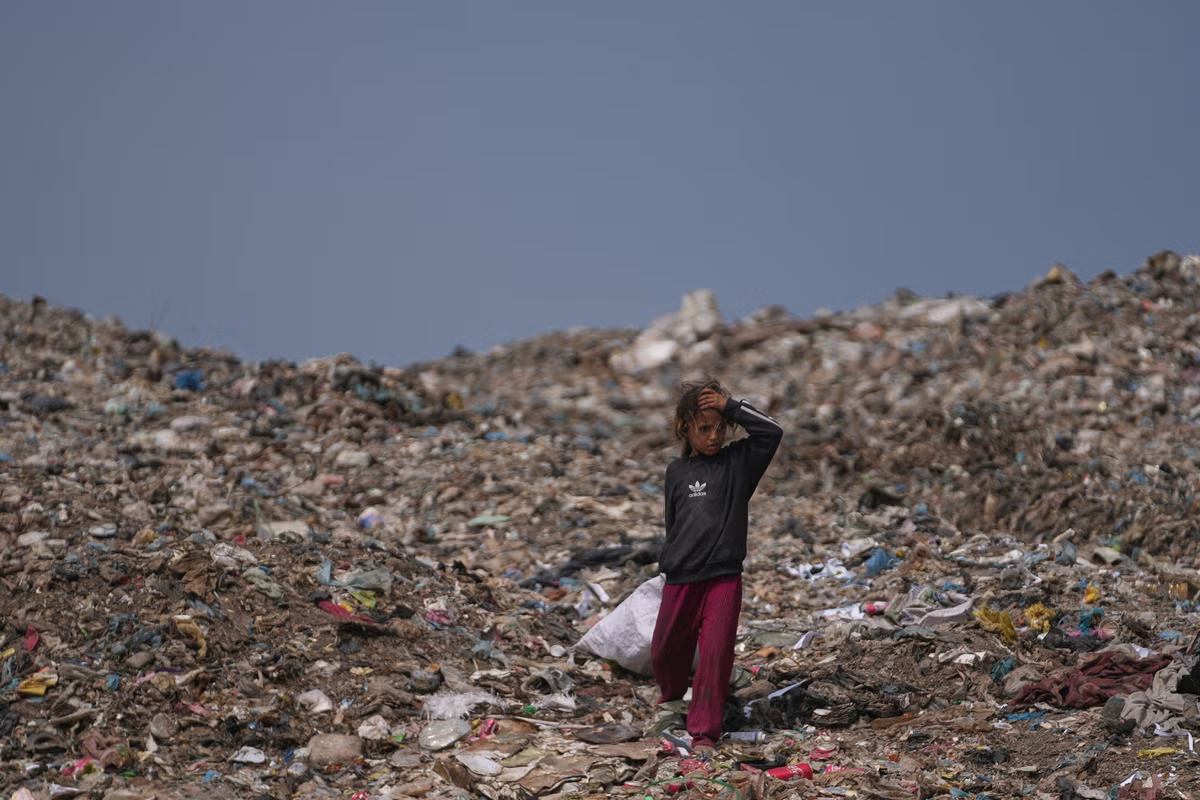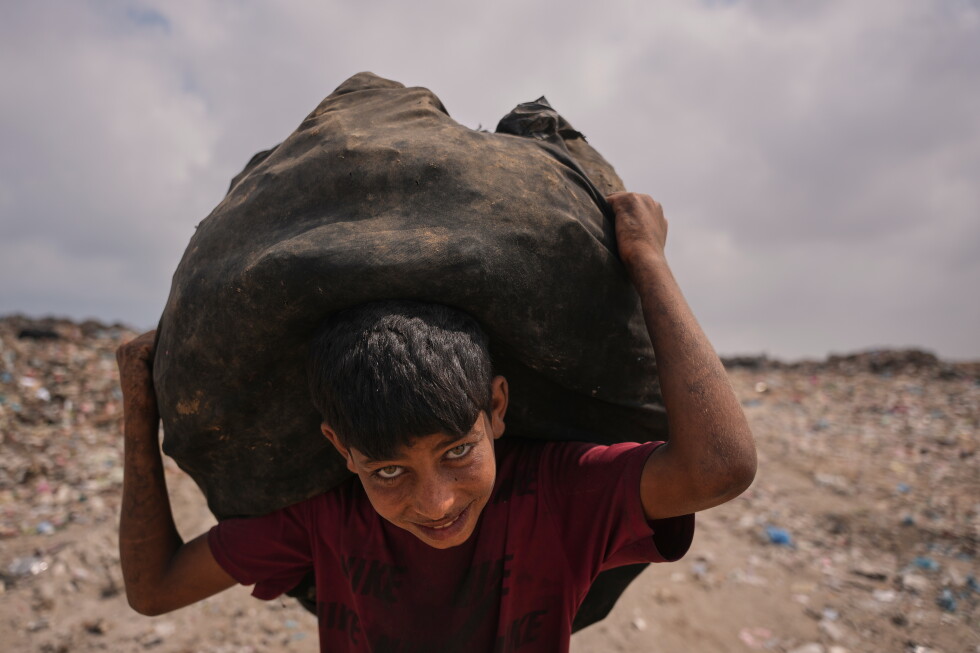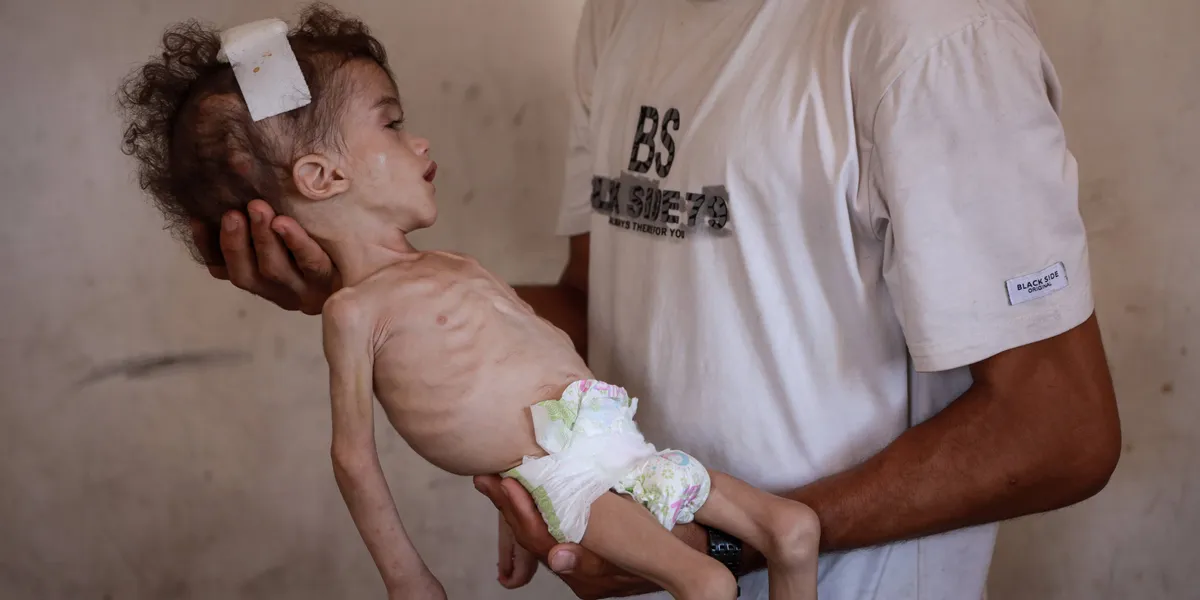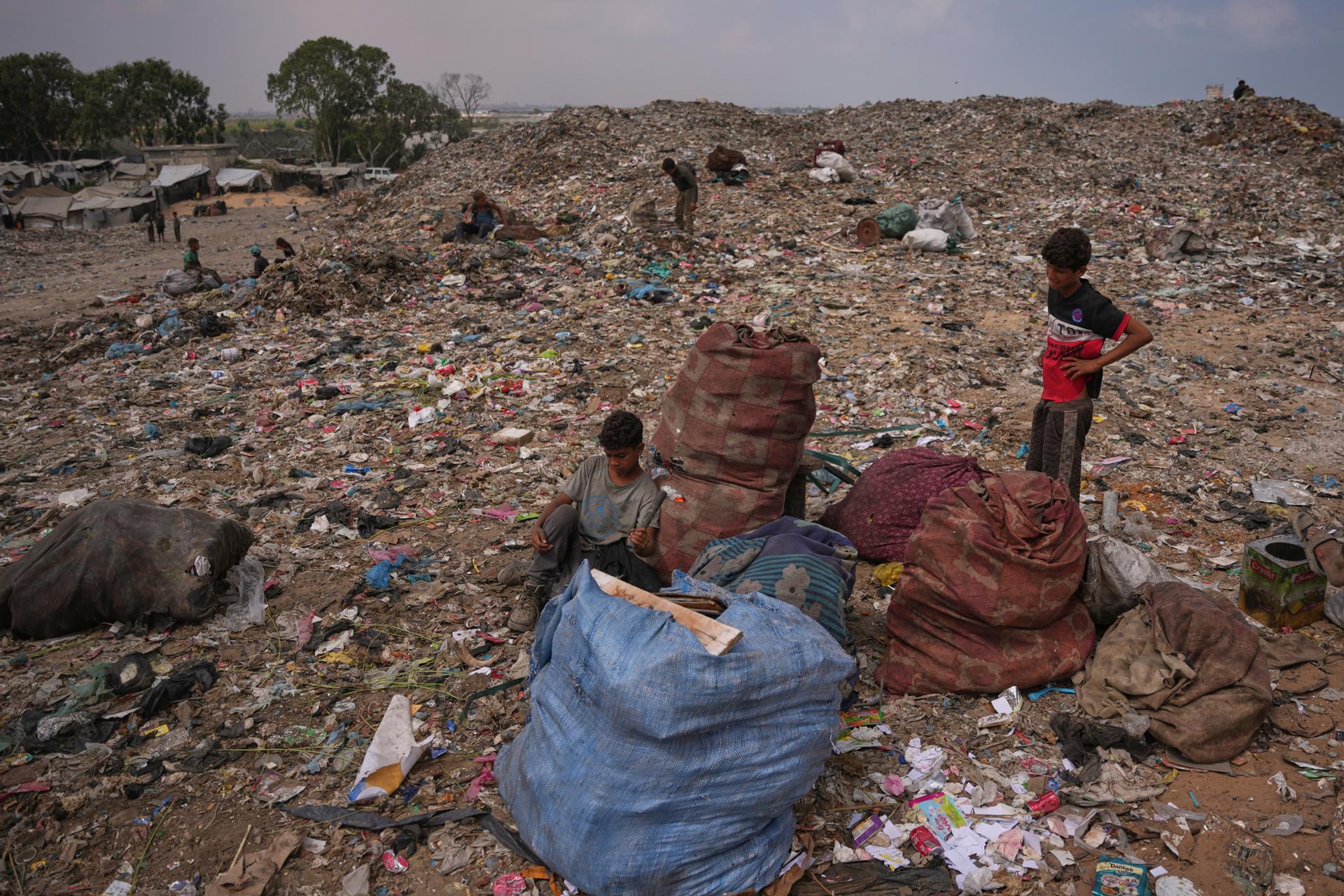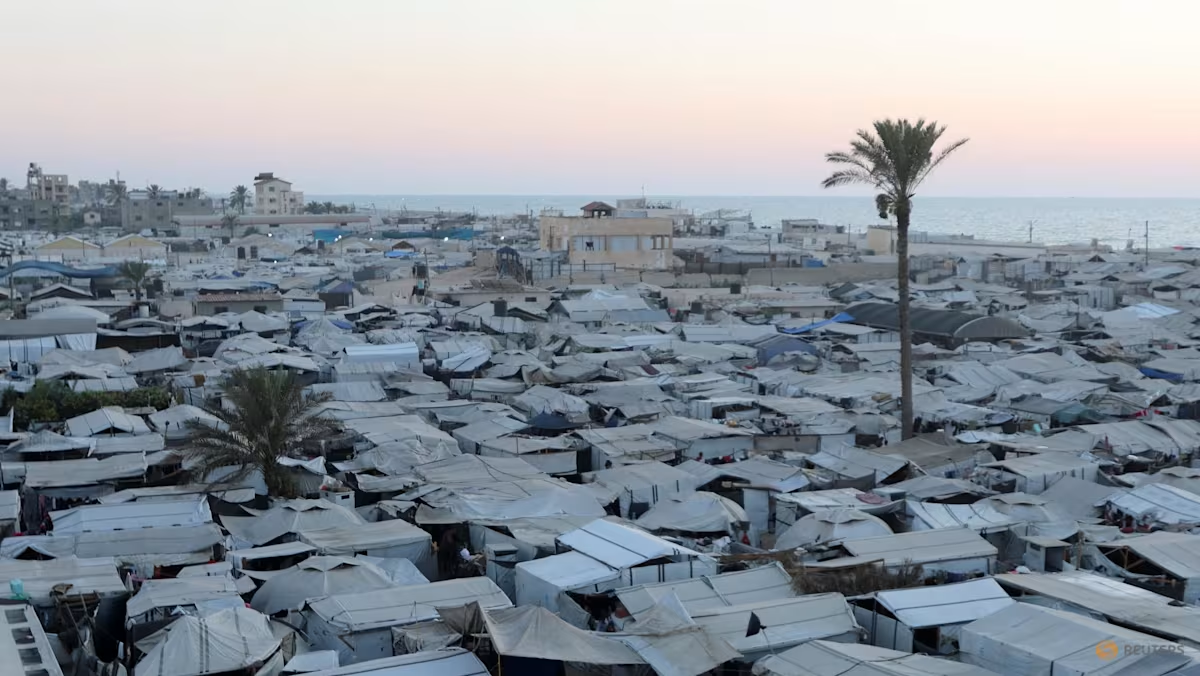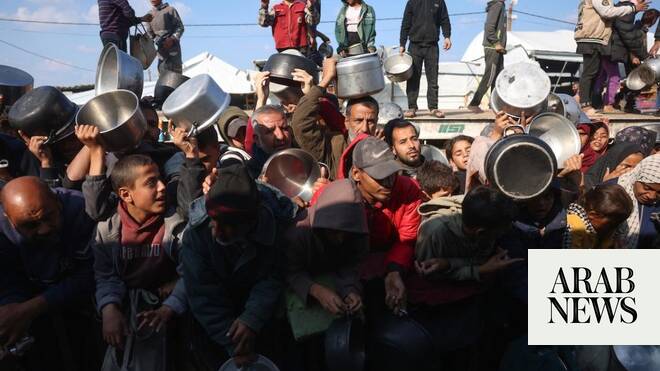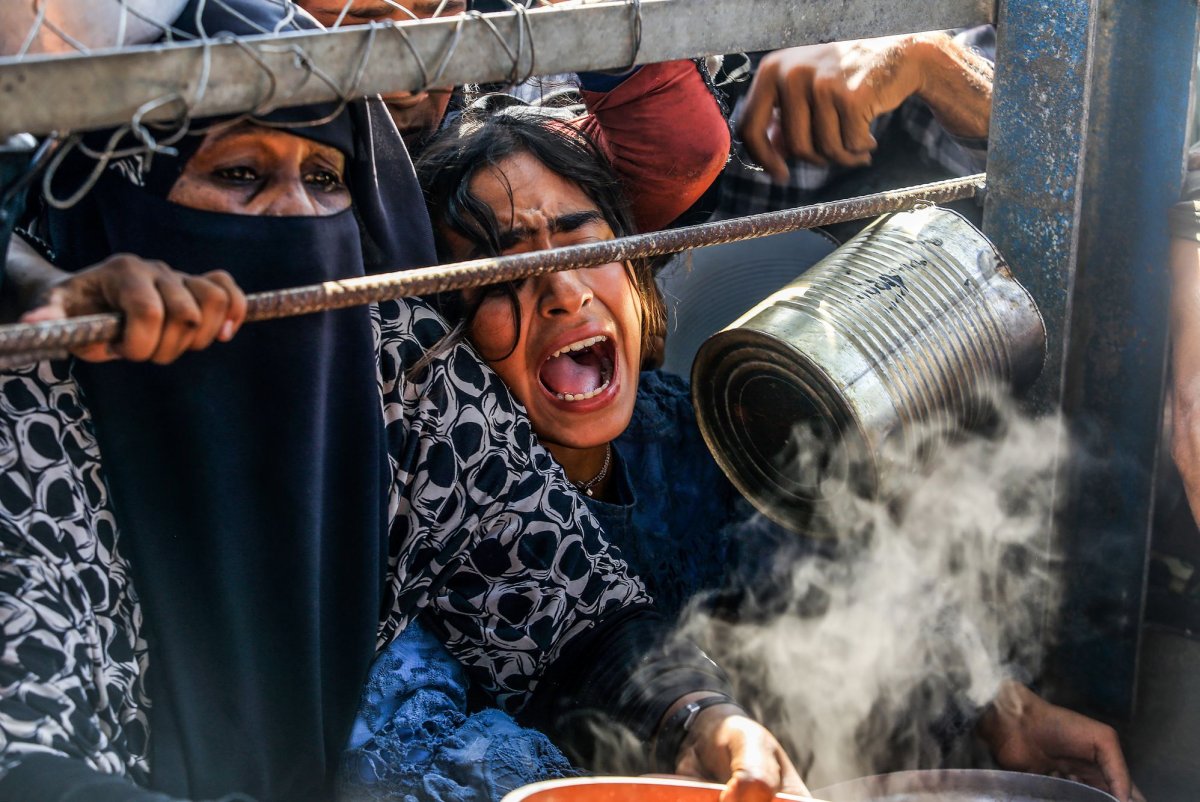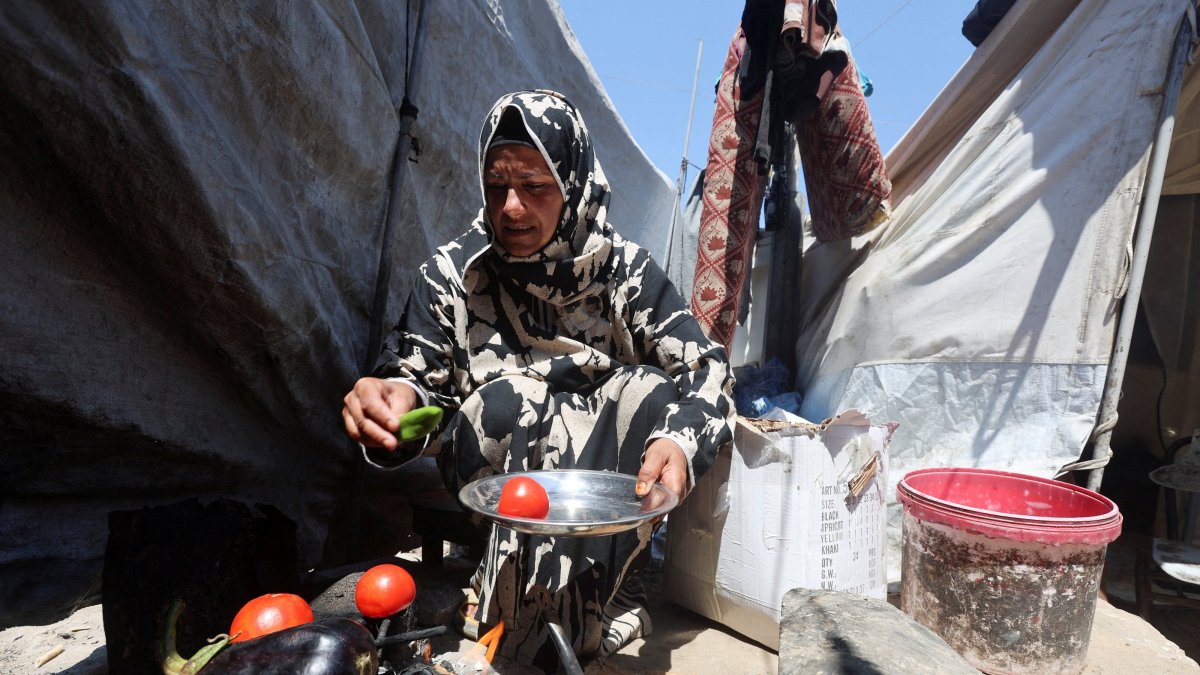
The humanitarian situation in Gaza has improved since famine conditions were declared in parts of the territory last year, but millions remain trapped in a deep food crisis, with aid agencies warning that funding shortages and reduced humanitarian access could erase recent gains by the end of 2026.
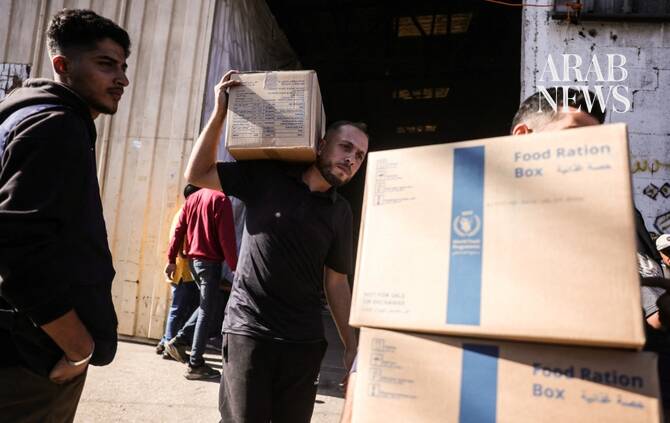
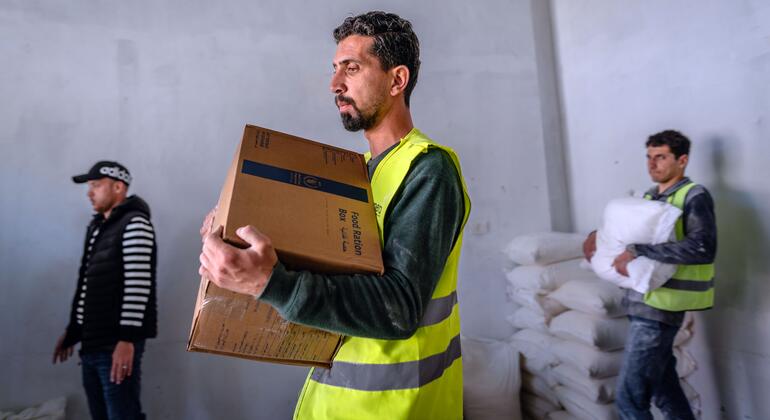
A new report released Wednesday by the Integrated Food Security Phase Classification (IPC), the global authority that assesses food insecurity, found that improved aid deliveries and reduced fighting following the October 2025 cease-fire between Israel and Hamas significantly lowered acute malnutrition rates, particularly among children.
However, the organization warned that the recovery remains fragile and could quickly unravel if humanitarian assistance continues to decline.
The IPC estimates that between April and June, about 1.2 million people, or 59% of Gaza's population, experienced acute food insecurity classified as Phase 3 "Crisis" or worse. Of those, more than 212,000 were living under Phase 4 "Emergency" conditions, one step below famine.
Unless aid levels are sustained, the number of people facing acute hunger is expected to climb to more than 1.4 million, roughly 67% of Gaza's population, by the end of the year.