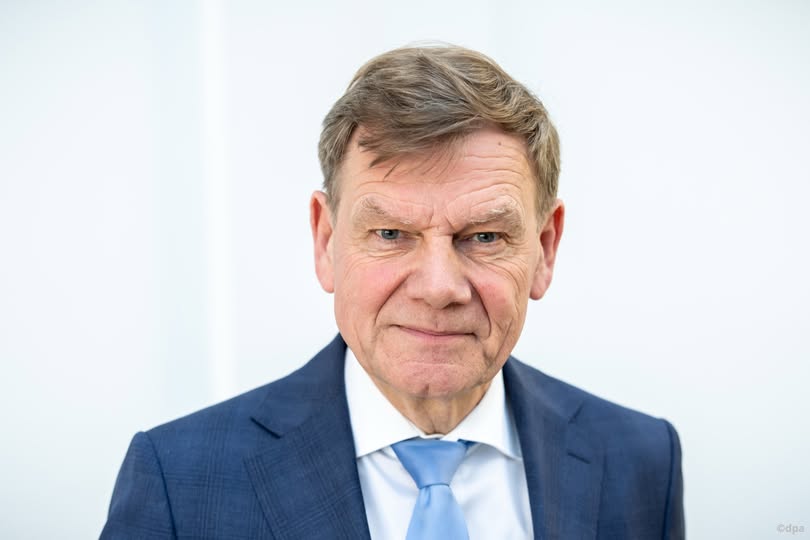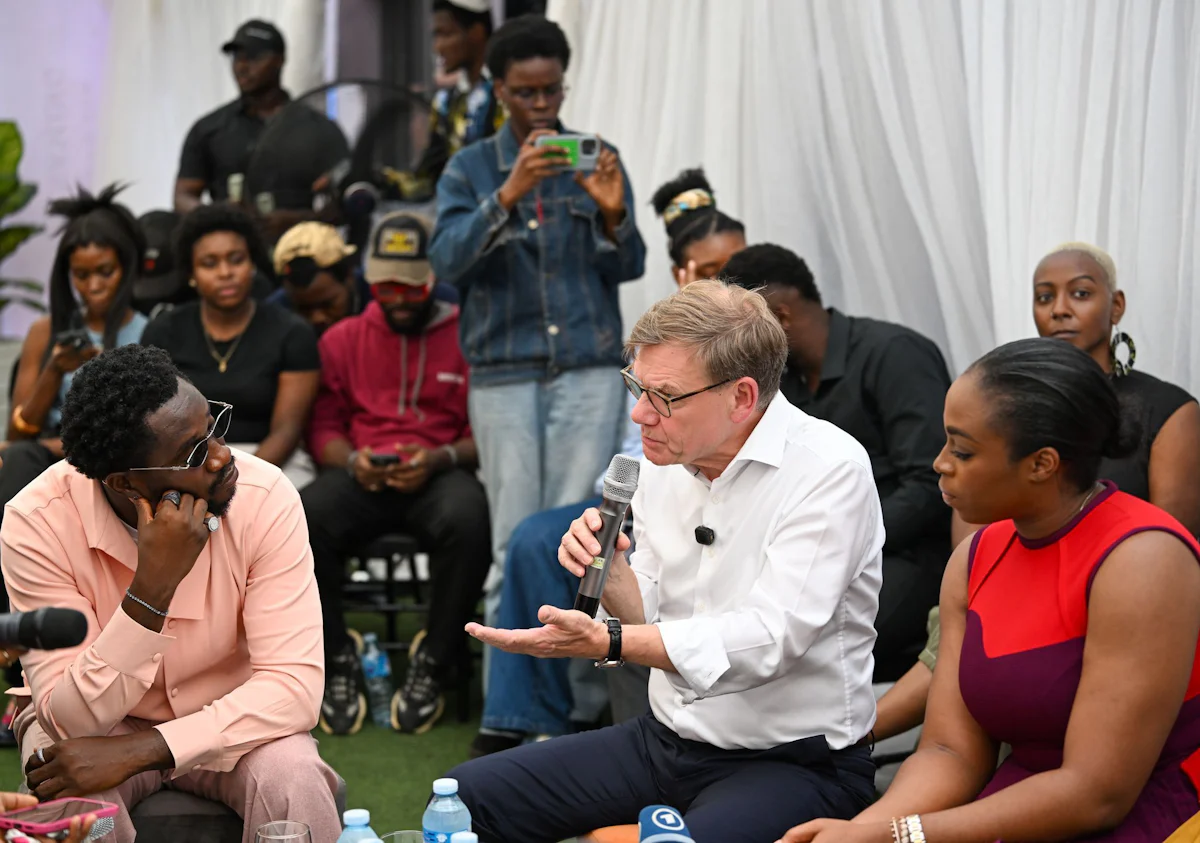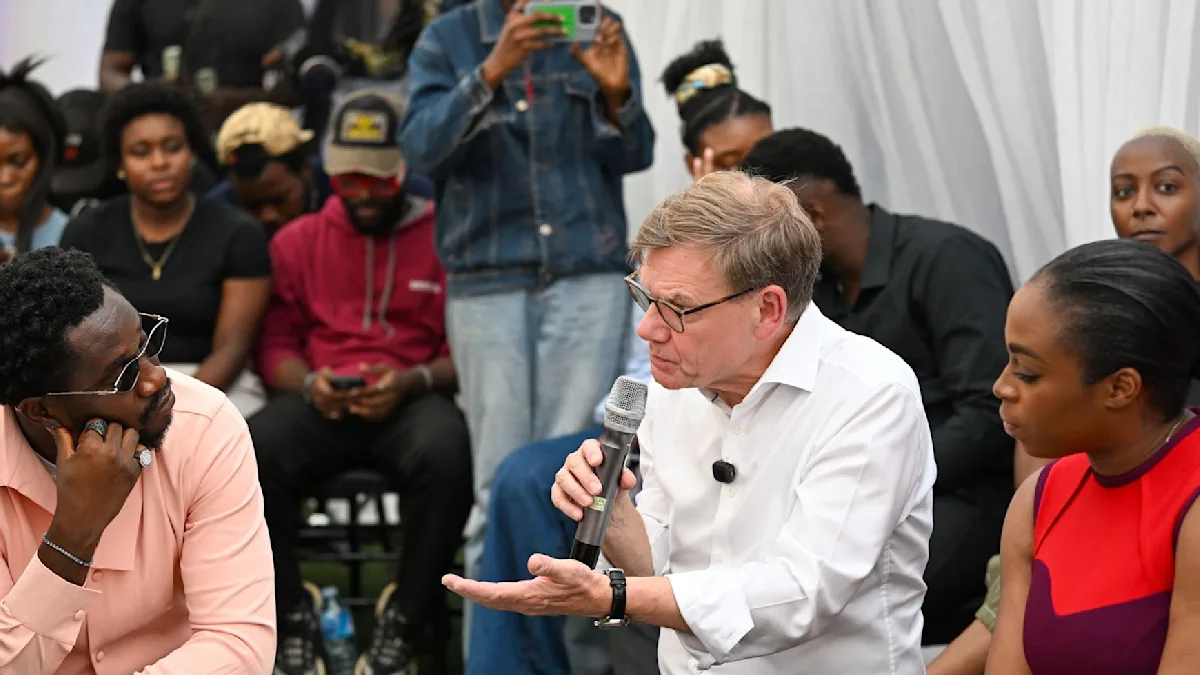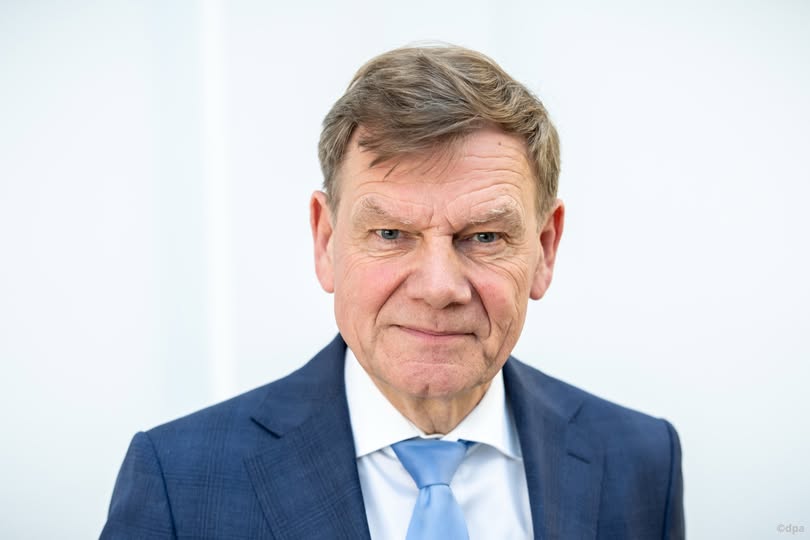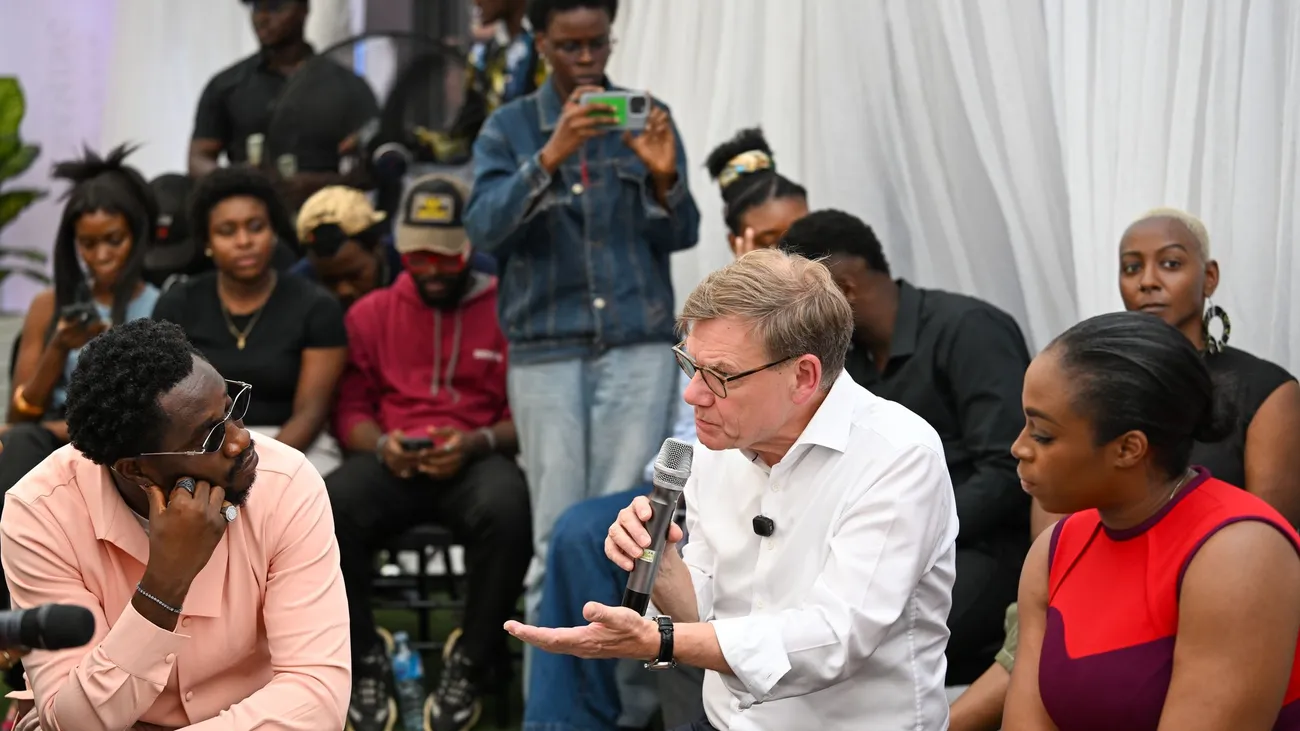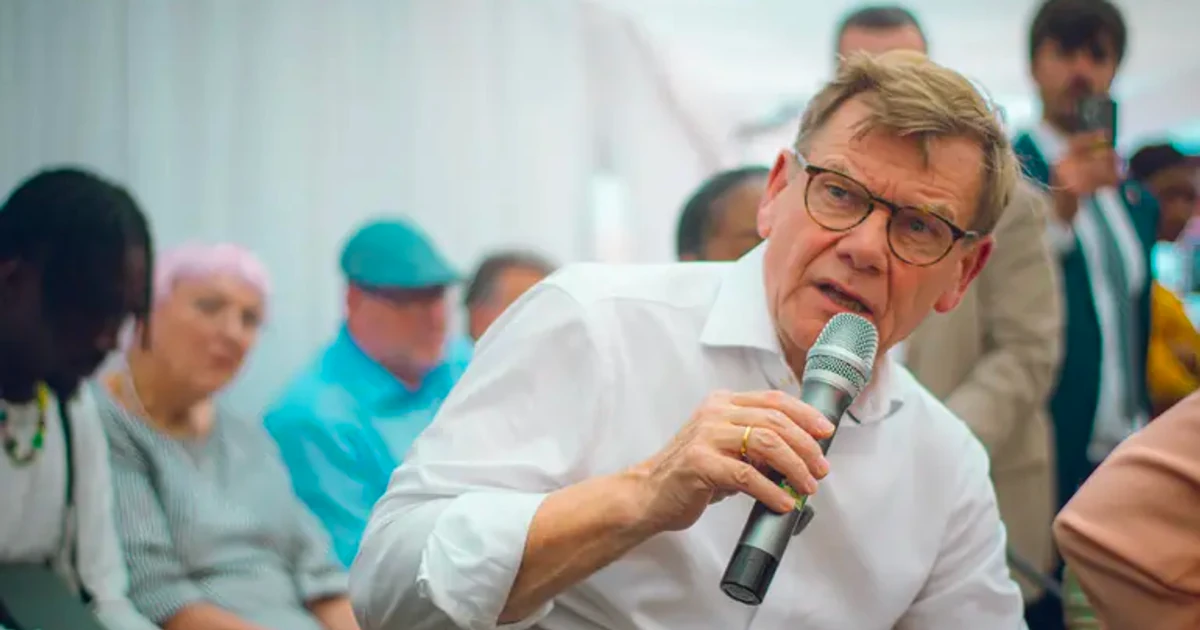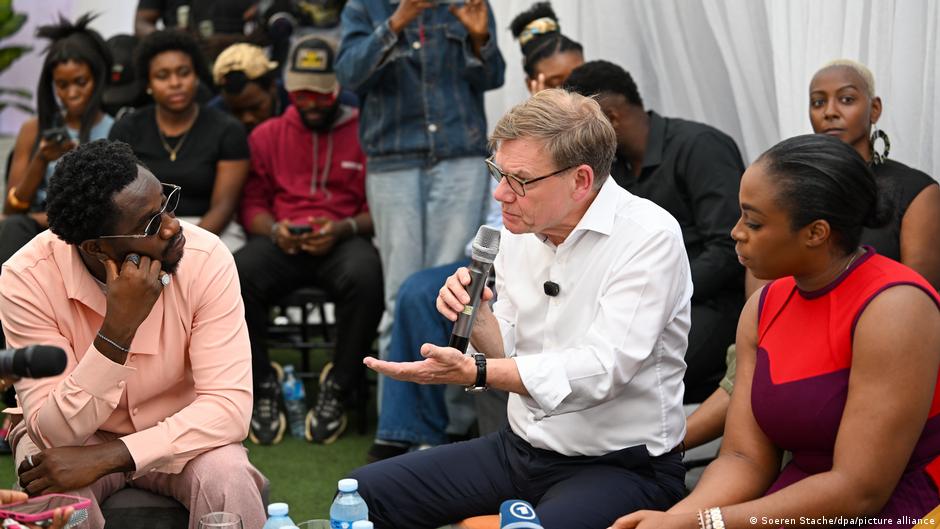
In a tent in the Nigerian metropolis of Lagos, two worlds collide: Three fashionable influencers sit on cushioned stools across from Germany's 63-year-old Foreign Minister Johann Wadephul. For half an hour, the senior politician meets youth from Africa's creative scene.
These young people are among the stars of Nigeria's creative industry — in a country with a population of around 240 million and a median age of just under 18. Wadephul wants to understand what moves the younger generation. What issues are on their minds? How do they view Germany? And what do they expect from a collaboration?
After a brief hesitation, they reply: Germany and Europe listen to their music, view their art, and want to collaborate with them. But anyone who wants to travel to the German capital for Fashion Week or the Berlinale film festival can hardly get a visa, says a young man in the audience.
A conversation gets underway; everyone enjoys the exchange and subsequently uploads upbeat videos to social media platforms — to the influencers' channels as well as those of the Federal Foreign Office. This is how German diplomacy seeks a direct line of communication with Africa's younger generation.
Nigeria as a valuable energy supplier