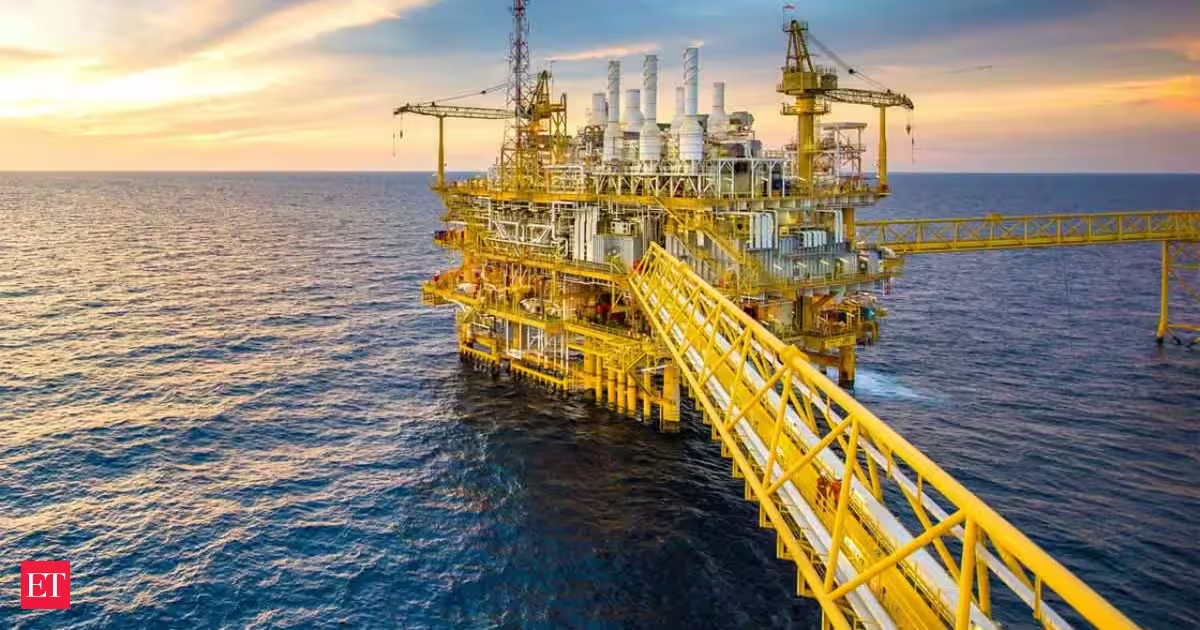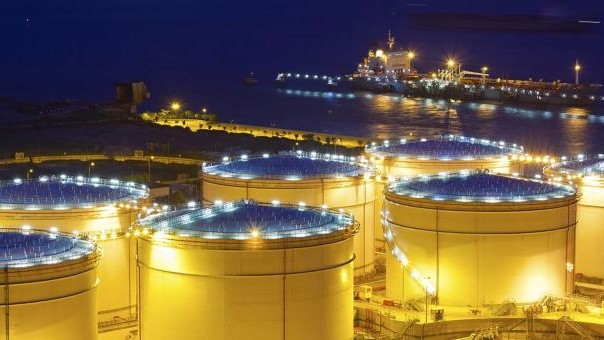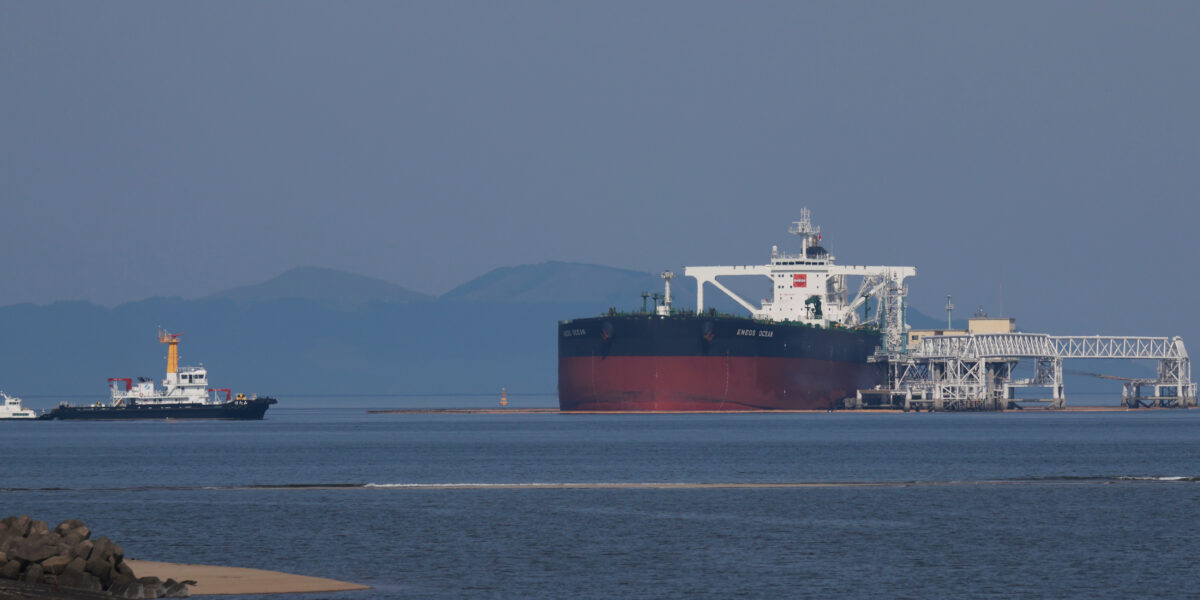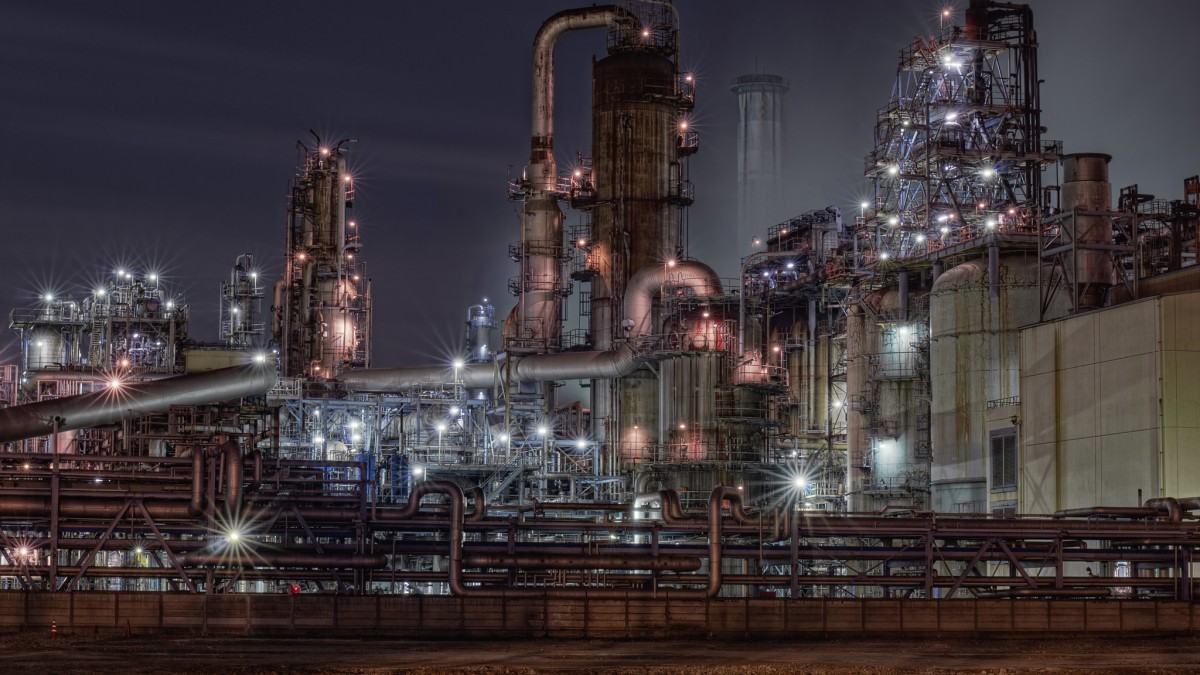
As building a strategic oil reserve primarily involves purchasing and storing oil that generates little to no profit, experts said the government must provide stronger incentives and assurances to attract private investors.
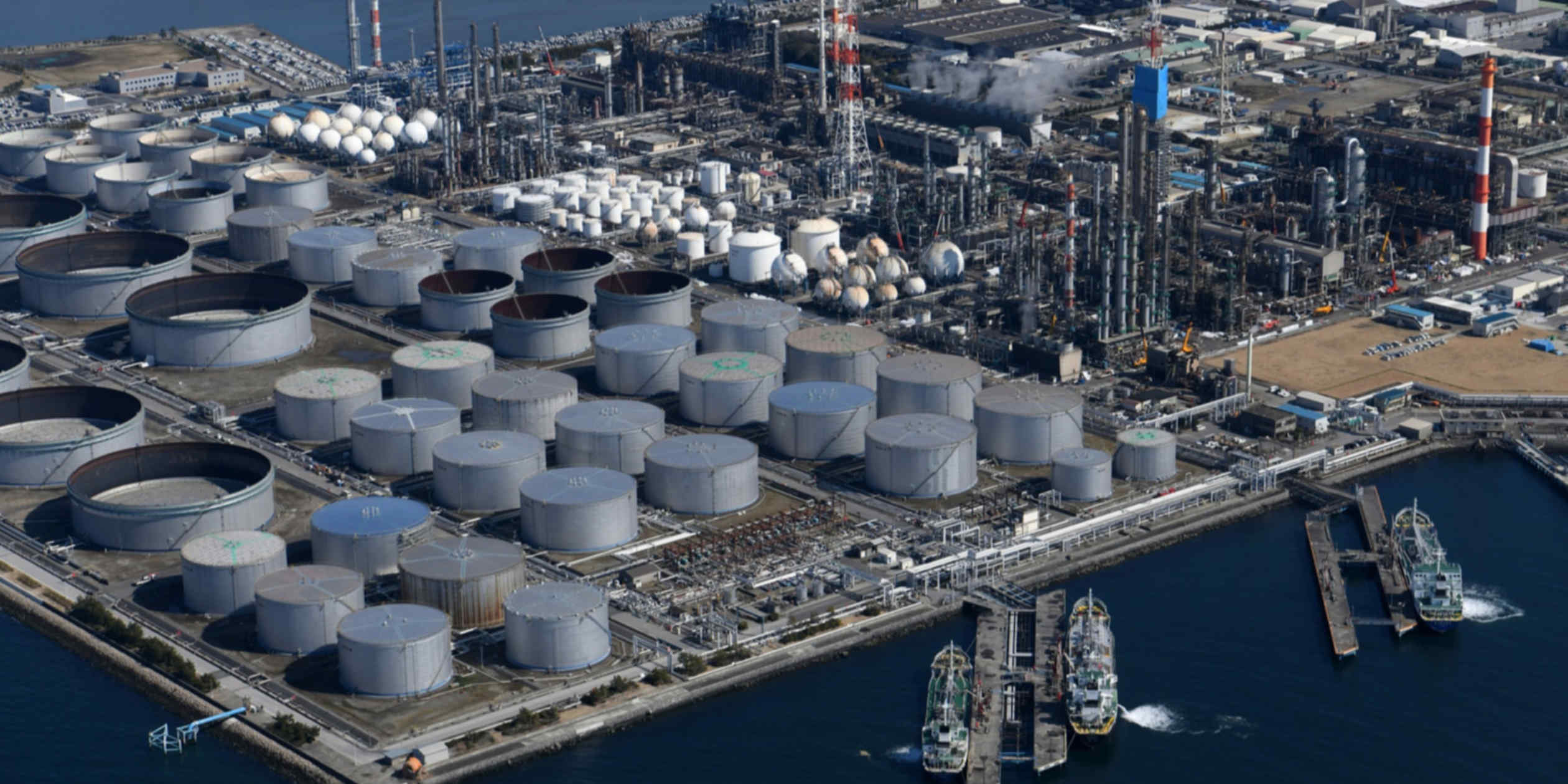
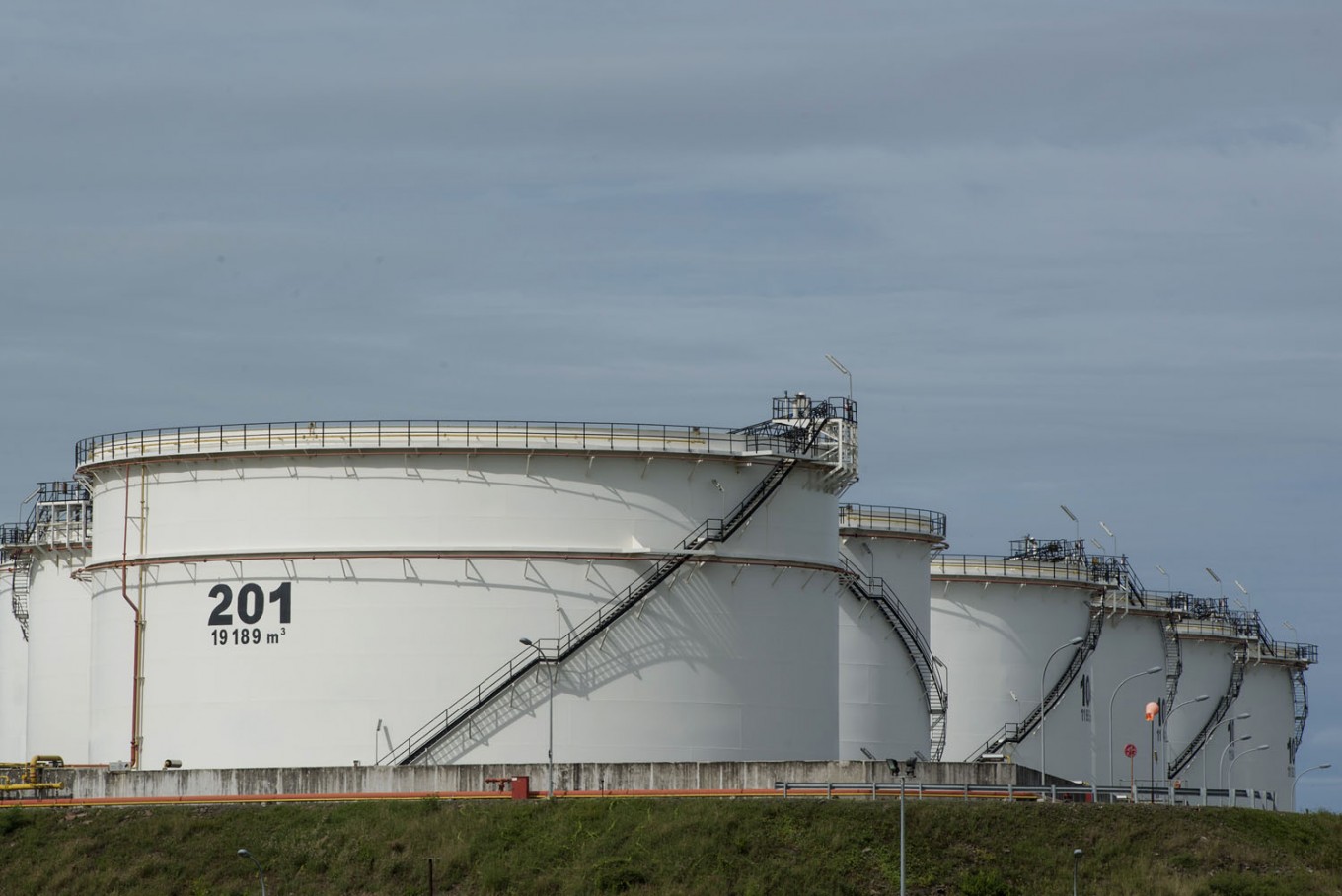
An oil storage facility is pictured in Tanjung Sekong, Banten, on March 23, 2016. (ANTARA FOTO/Rosa Panggabean)
As the United States-Israeli war on Iran heightens concerns over global oil supplies, Indonesia's plan to establish a 90-day strategic petroleum reserve is struggling to attract serious investors. Experts warn that even if construction begins immediately, the project may fall short of meeting the government's ambitious three-year deadline due to technical and logistical challenges.In June, the US and Iran signed a 60-day interim ceasefire agreement and a framework to end military operations. However, the deal fell apart, triggering 12 consecutive days of attacks. By Thursday, US strikes had expanded from southern Iran to its western and central regions.
The offensive prompted Iran's Islamic Revolutionary Guard Corps (IRGC) to warn of a "devastating price" for countries hosting US military bases if US attacks on Iranian infrastructure continued. The escalating conflict has also raised concerns over disruptions to the Strait of Hormuz, through which about one-fifth of the world's oil supply passed before the war.