The Trust Deficit
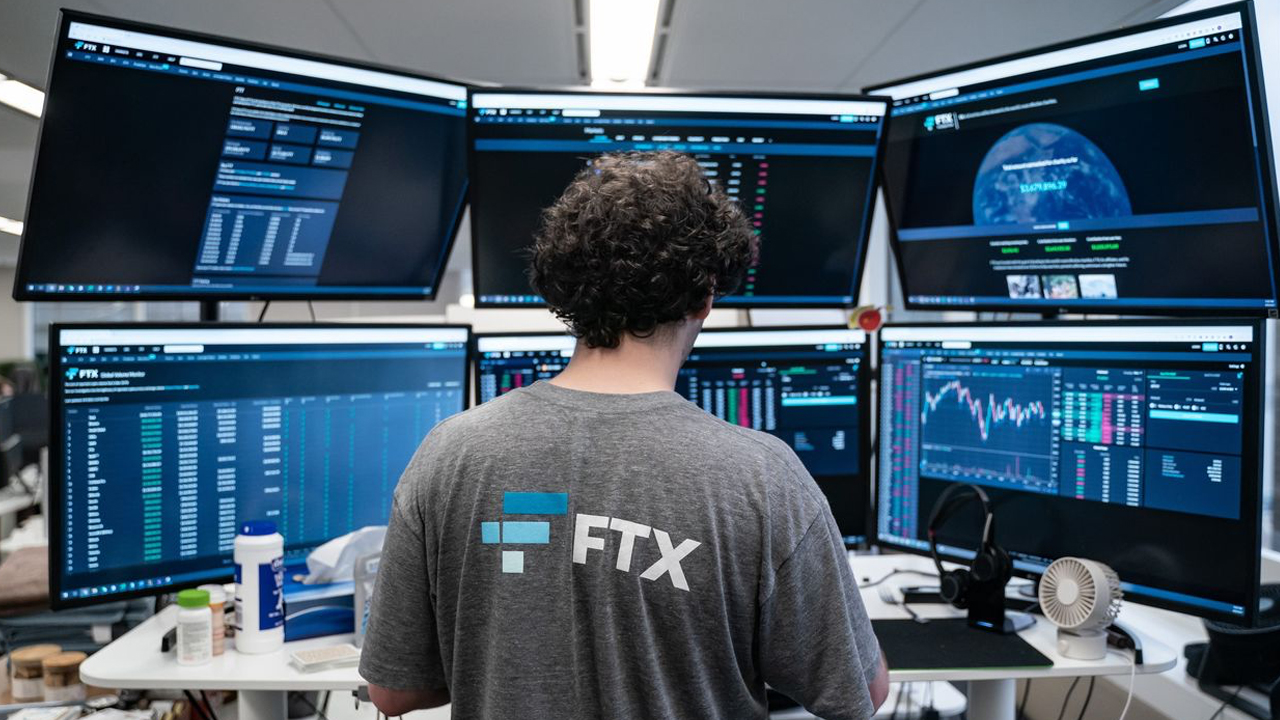
For most of the crypto industry's history, users who deposited assets with an exchange simply trusted that the funds were there. FTX ended that complacency when it collapsed in 2022, with investigators finding that billions in customer deposits had been quietly diverted to its affiliated trading firm, leaving a shortfall of roughly $8 billion. The collapse exposed that exchange users simply had no independent way to verify whether their balances were backed at all.
Proof of reserves (PoR) emerged as the industry's response. Rather than asking users to trust a private ledger, PoR draws on verifiable evidence, including onchain data, cryptographic proofs, and independent third-party audits, to show that an exchange holds enough assets to cover what it owes.
In the weeks after FTX failed, nearly every major exchange rushed to adopt PoR. The value proposition is straightforward:
Verifiable Trust: PoR replaces blind trust with verifiable proof that customer assets are backed at least one-to-one.