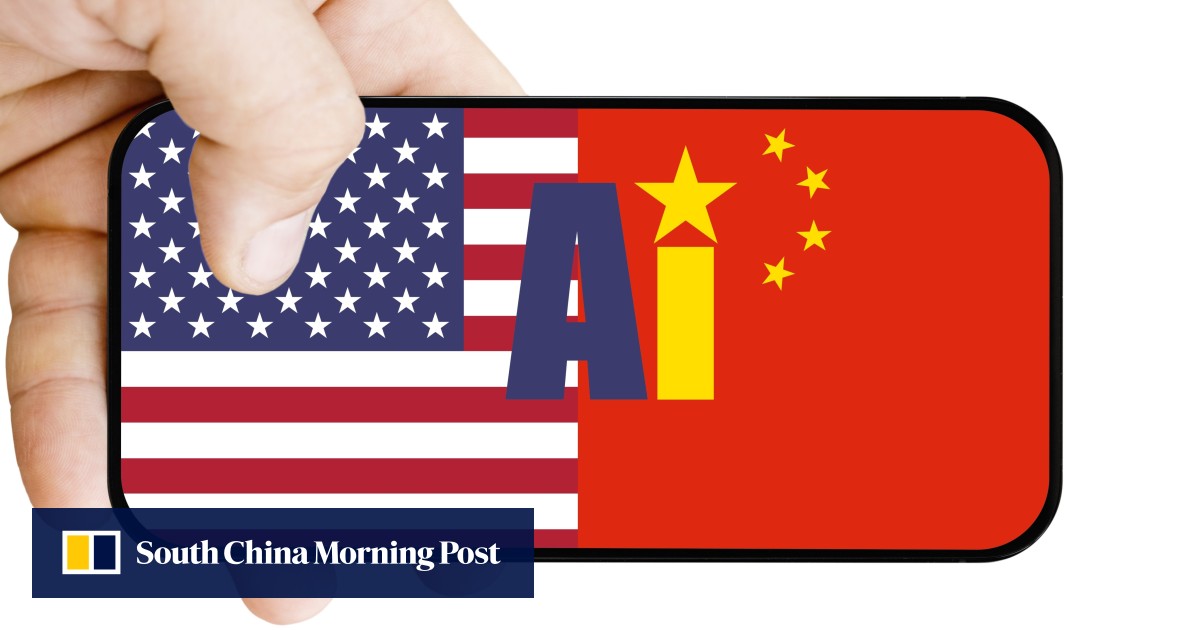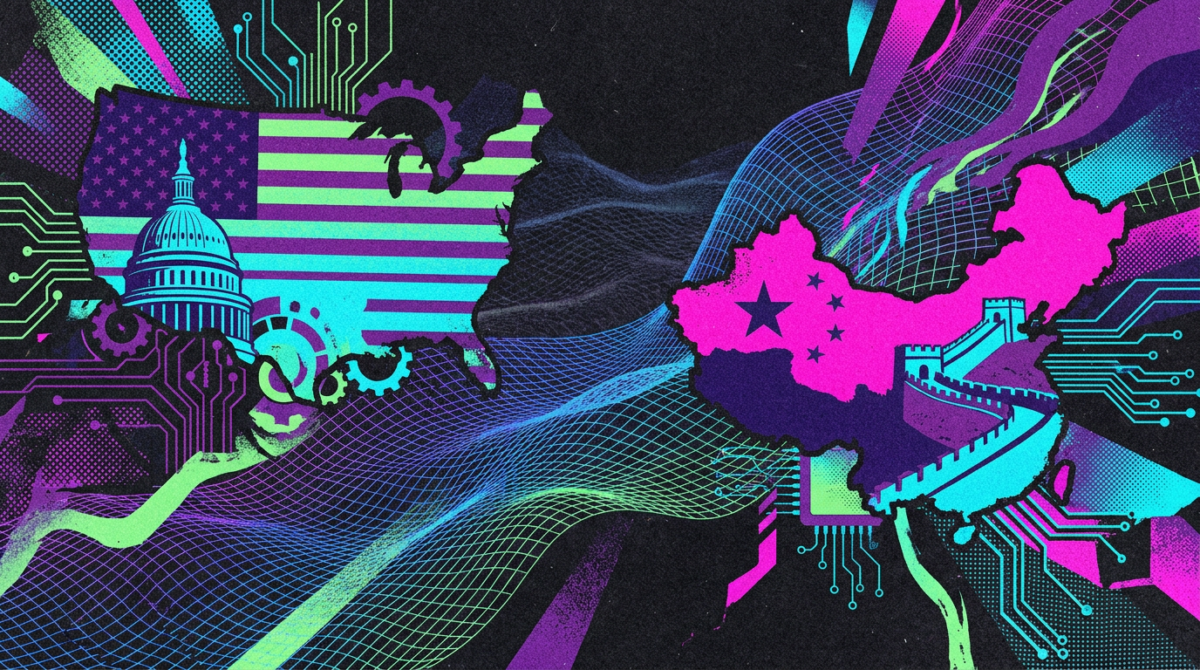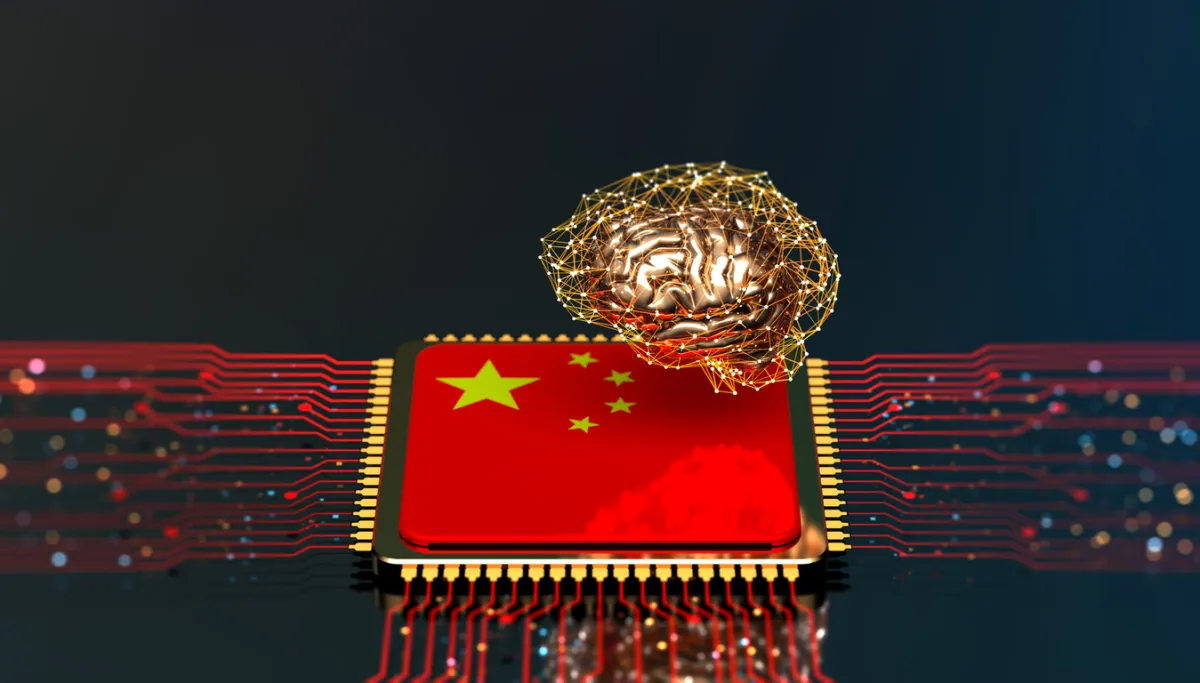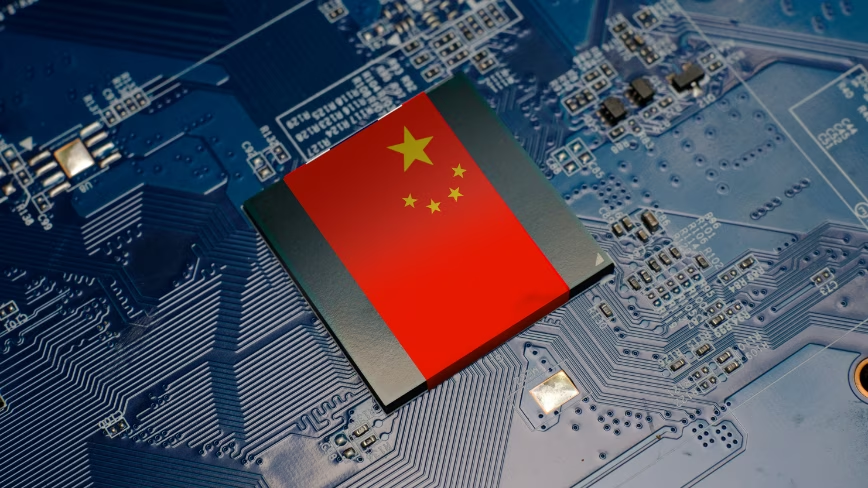
The gap between American and Chinese AI is closing fast. Chinese models narrowed the performance shortfall to a record-low 6% in June, down from 9% in May, according to Bloomberg Intelligence. The research arm said the shift raises real questions about how long US supremacy in AI will hold.
The lead used to look comfortable. Over the previous 12 months, the gap averaged 10% to 15%, BI said. Then Zhipu AI’s GLM-5.2 reached the top of the global ranking in agentic coding, and the maths changed.
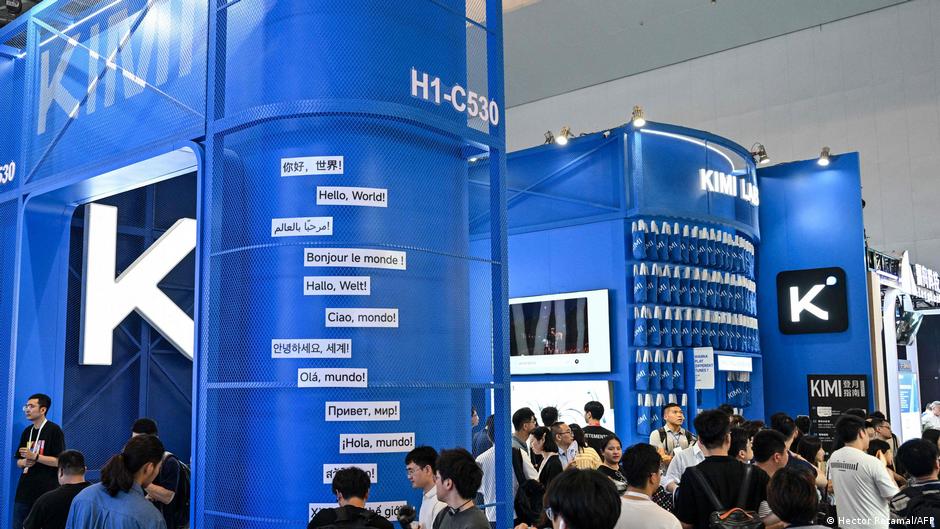
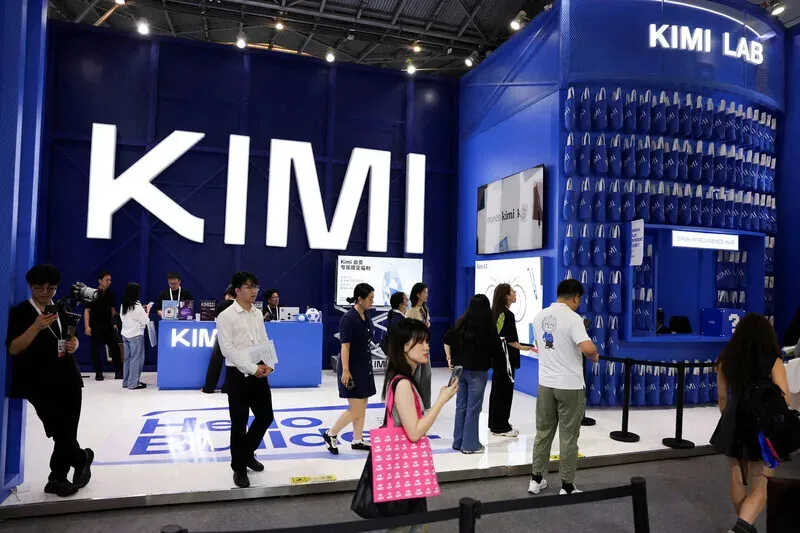
It was not a solo act. Chinese models took two slots in LiveBench’s global ranking of large language model performance last month. The arrival of Moonshot’s Kimi “highlights that Zhipu’s success was not a one-off,” said Robert Lea, a Bloomberg Intelligence analyst, in a report.
Two philosophies, one race
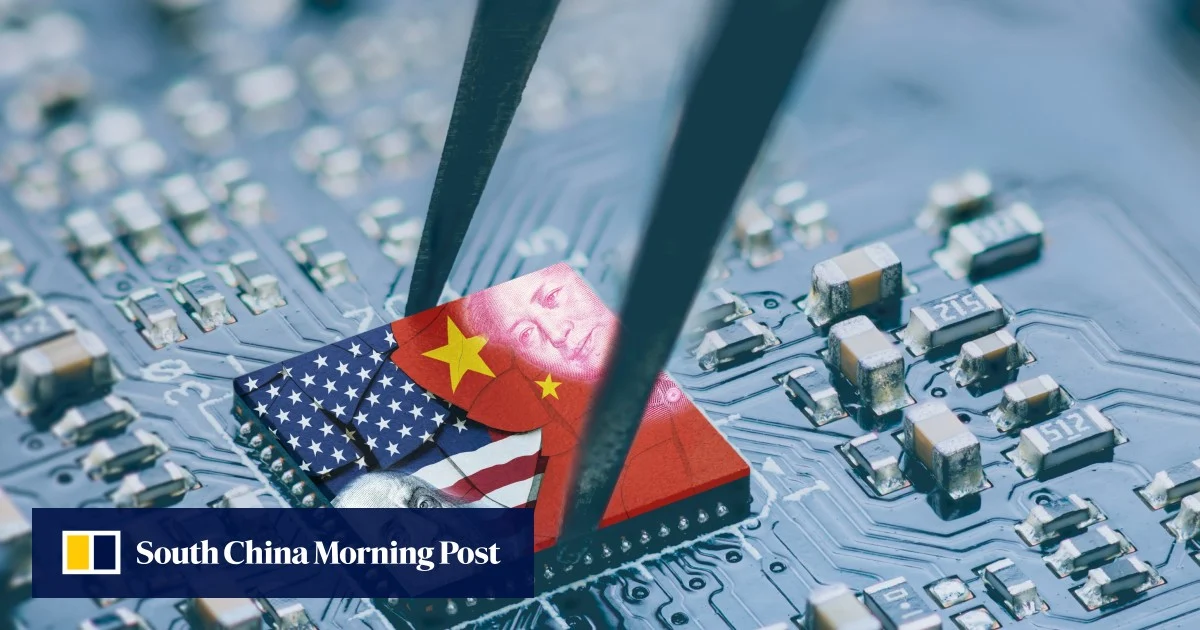
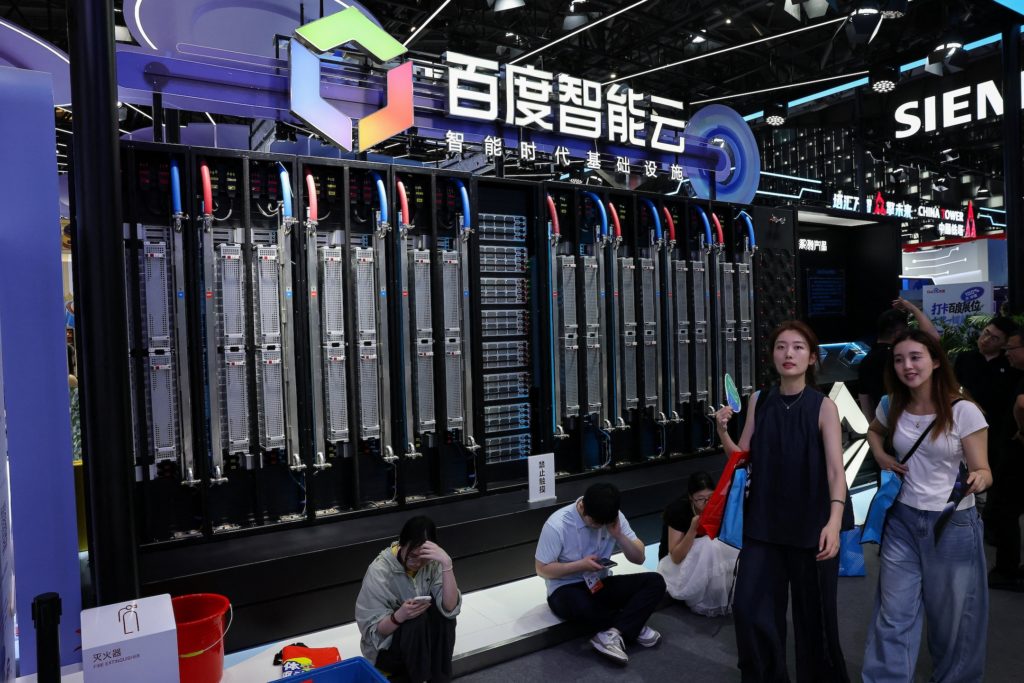
The two sides are not playing the same game. American labs lean on plentiful Nvidia chips to push performance as far as it will go, BI said, and pay a heavy compute bill for it. Chinese firms take a leaner, more efficient path. They may trade away some performance to do so.