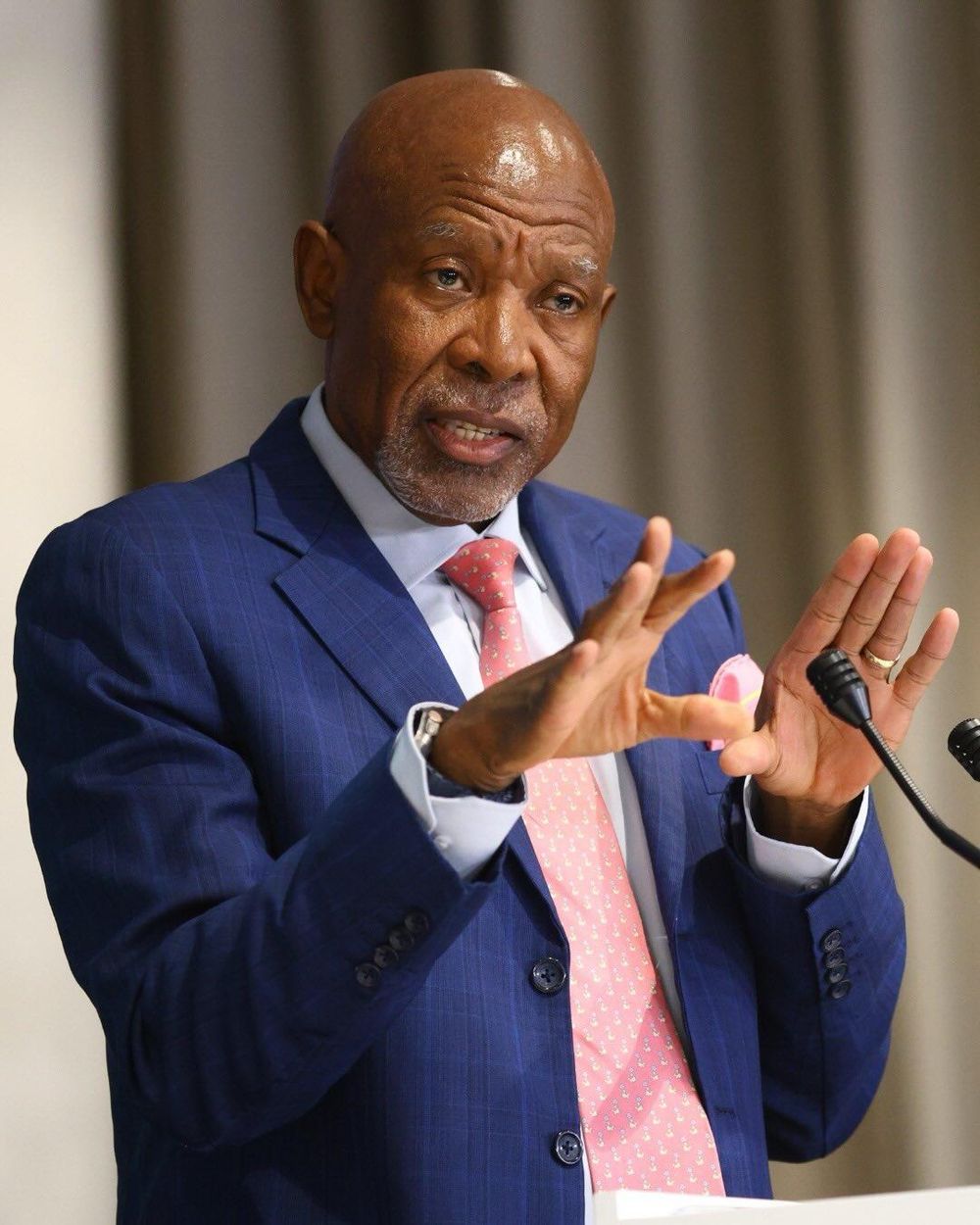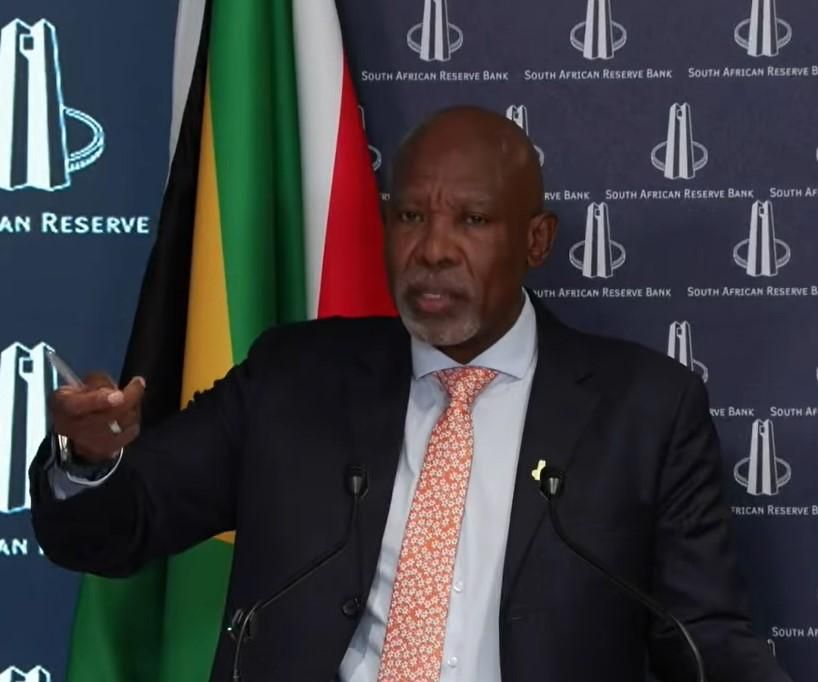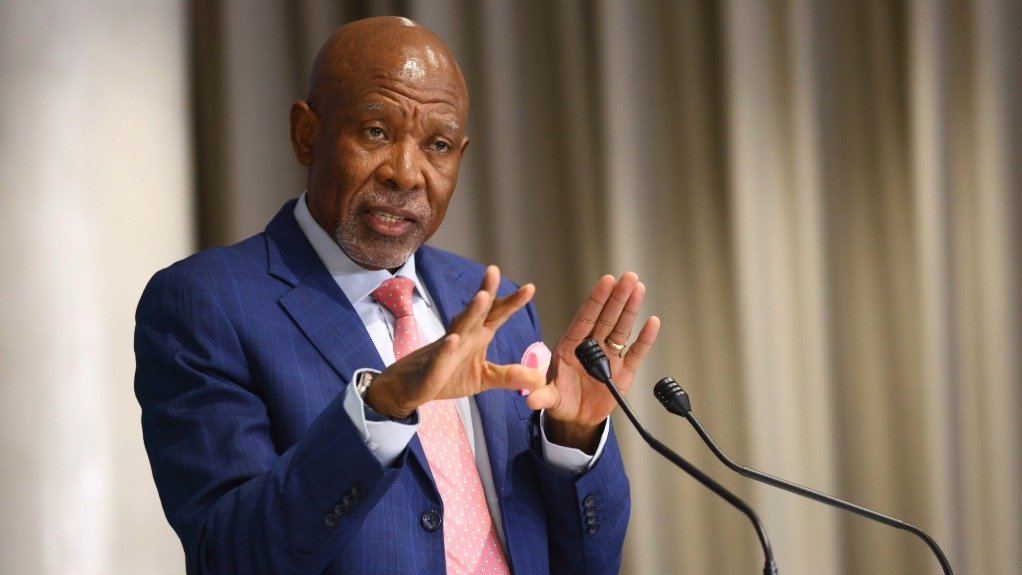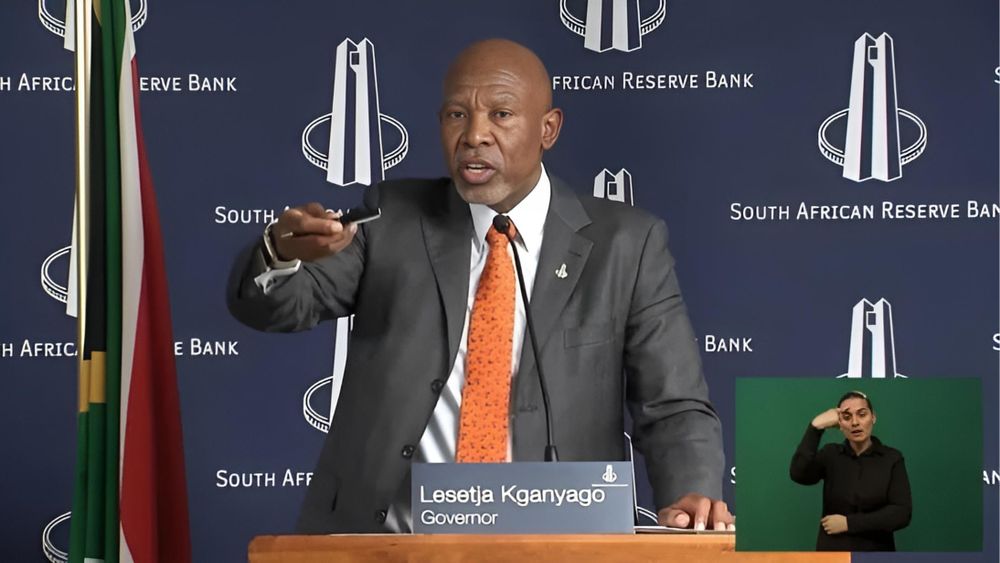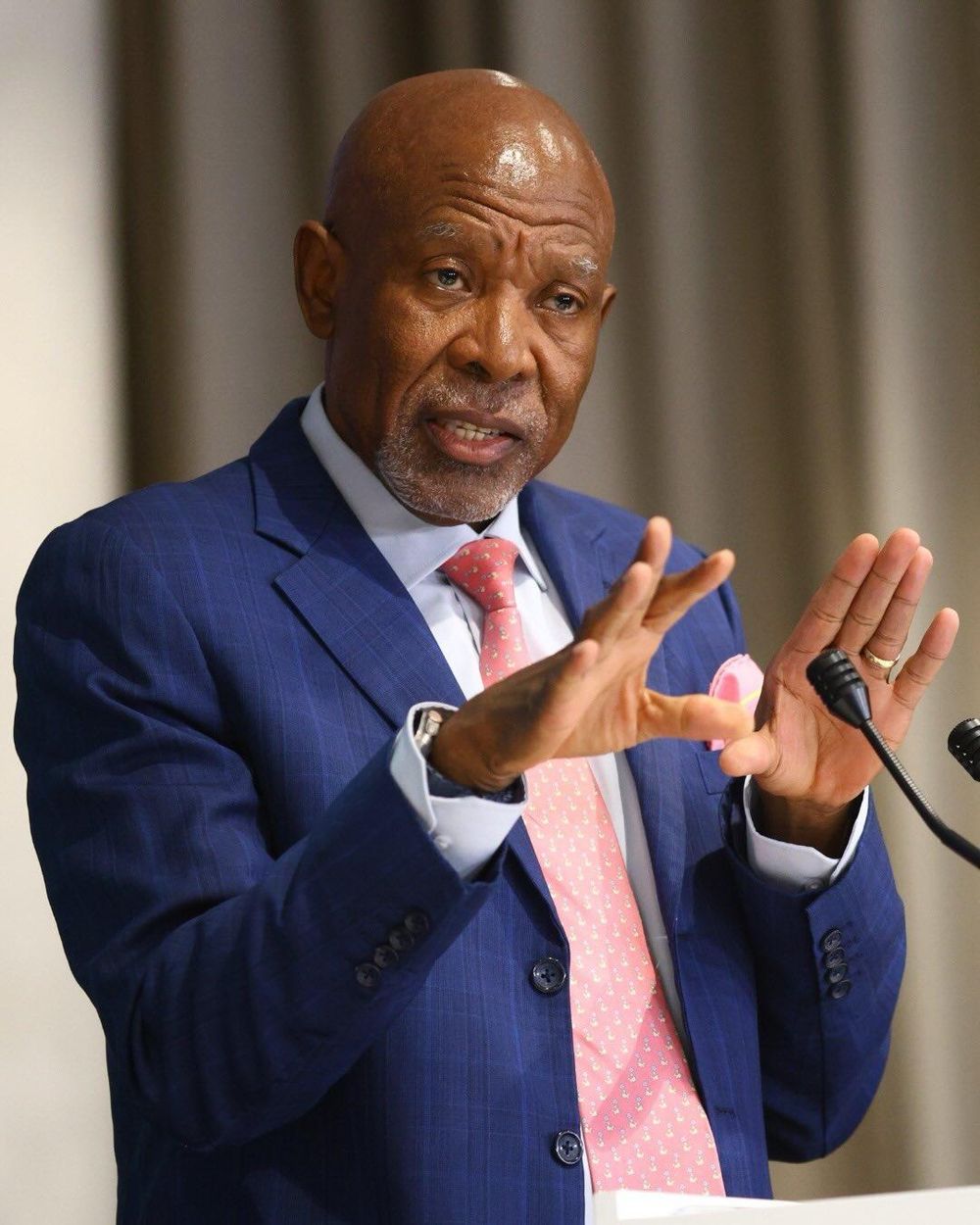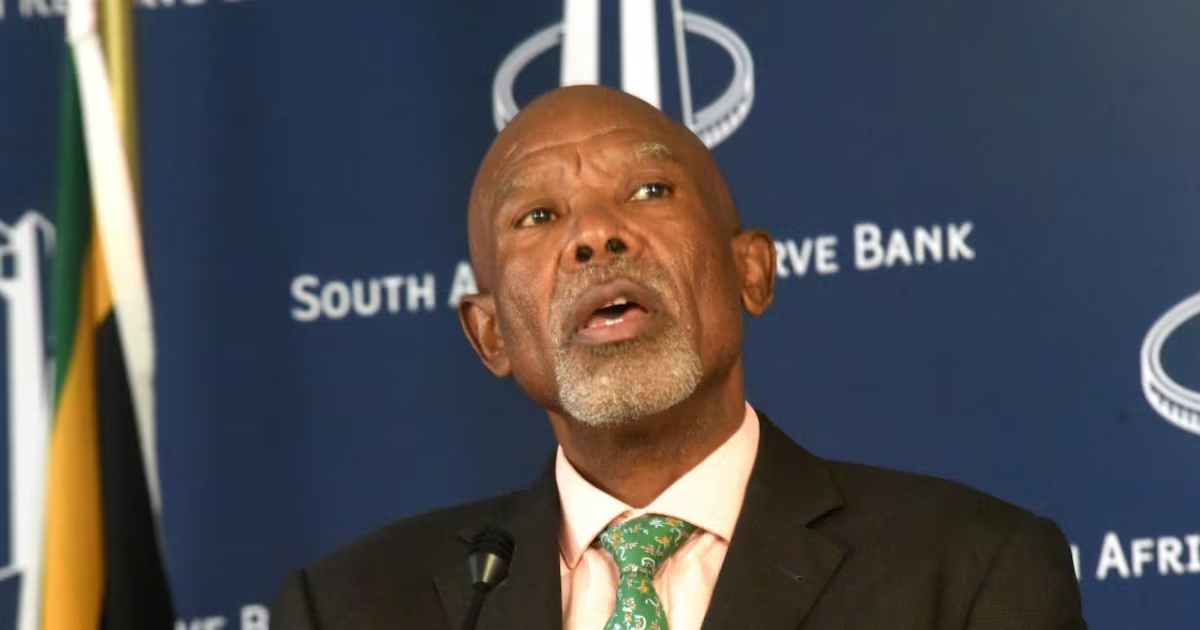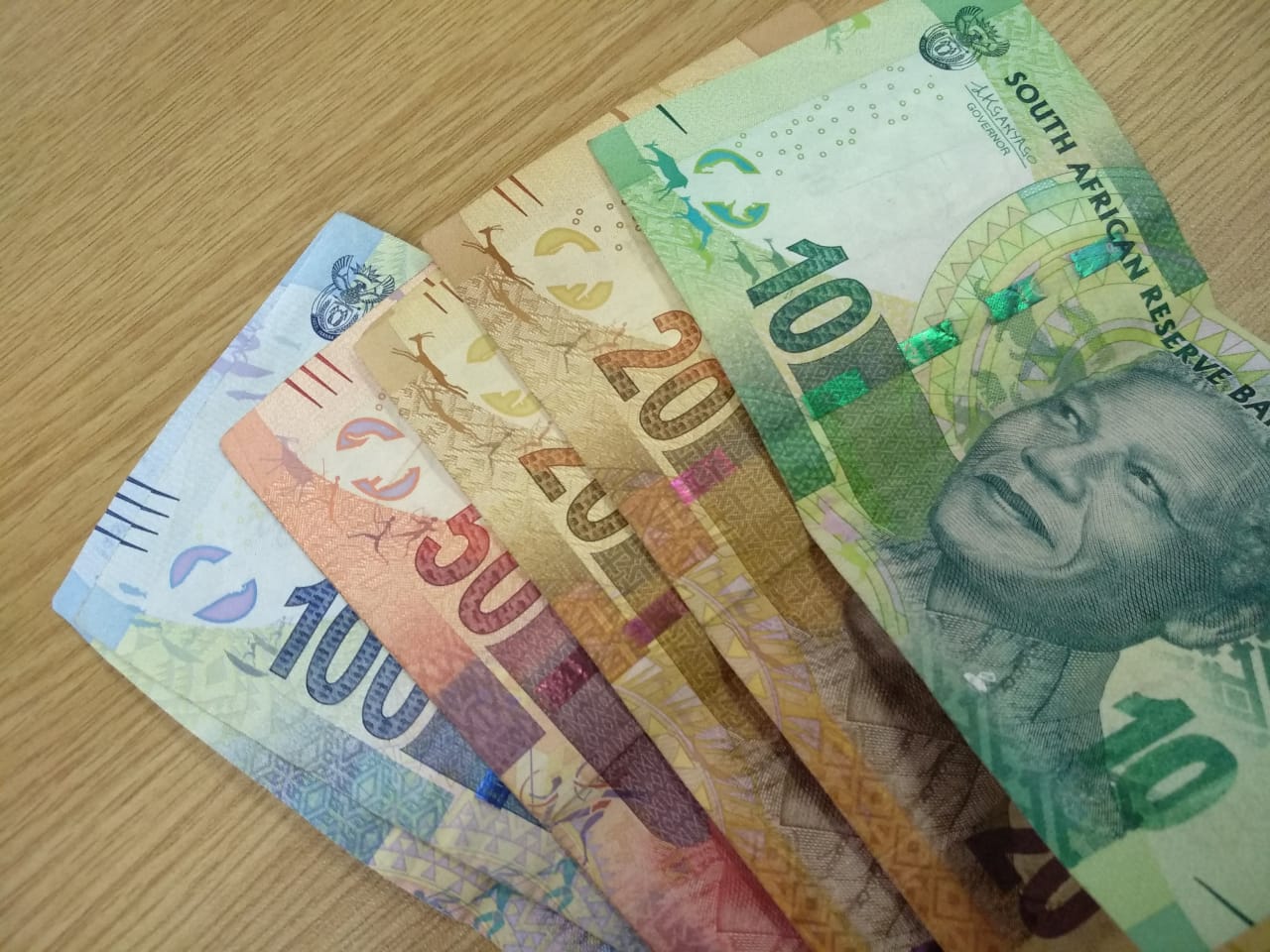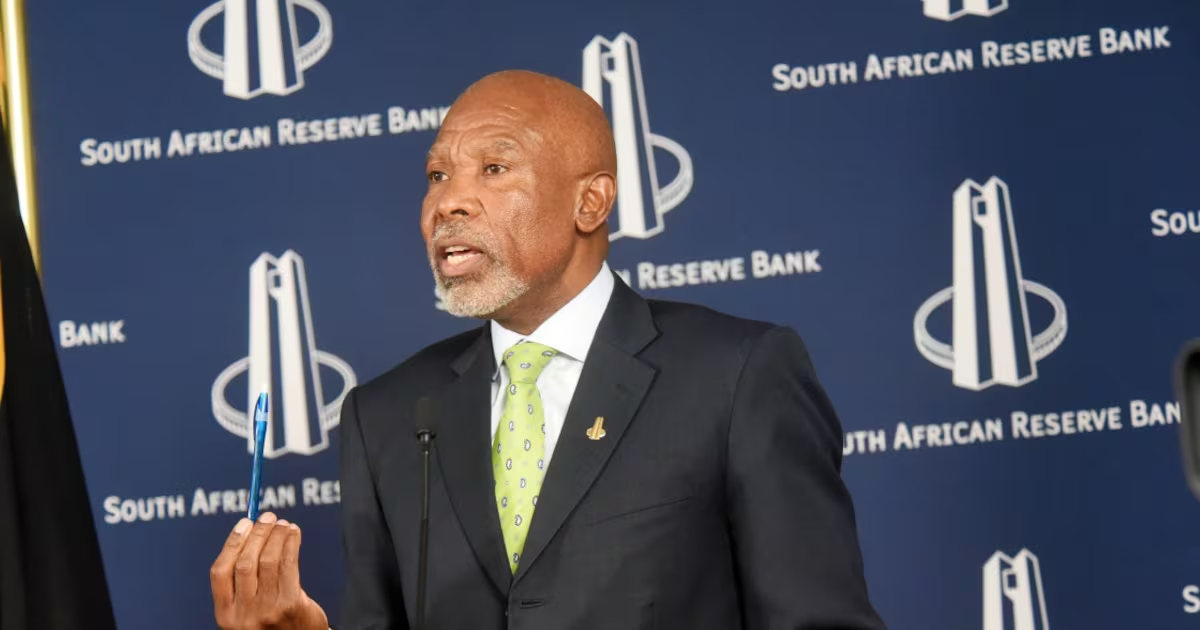
The South African Reserve Bank unexpectedly kept its benchmark interest rate unchanged at 7% on Thursday despite rising inflation driven by fuel prices, saying the policy stance was appropriate for now after the 25 basis point increase at its previous meeting in May.“The inflation outlook has improved slightly since our last meeting, but inflation is still too high, while growth is weak,” Governor Lesetja Kganyago told a media conference after the Bank’s monetary policy committee (MPC) concluded the fourth of six meetings it holds each year.Four of members of the committee voted to keep the rate on hold, while two favoured a 25-basis point increase. The majority of economists polled by both Reuters and Bloomberg predicted a 25 point rise.Kganyago made the announcement a day after data from Statistic South Africa showed consumer inflation soared to a two-year high of 5% in June, driven mainly by higher transport costs as the US-Iran war keeps domestic fuel prices elevated.South Africa is a net importer of oil and petroleum products, making it particularly vulnerable to the turmoil that has rocked global oil markets since war broke out in late February. The retail price price of 95-grade petrol has jumped nearly 29% to R26.10 per litre in the economic hub of Gauteng province since March, while the wholesale price of diesel has leaped almost 34% to R24.79, though it has come off a peak of R31.18 reached in May.The Reserve Bank still sees upside risks to inflation, expecting the headline number to stay north of 4% until early next year — above the top end of the 2% to 4% tolerance range of its 3% target.The governor noted that recent inflation prints have been well above target, adding however that this is mainly because of higher fuel costs.“Aside from fuel, goods prices have been relatively contained. The exchange rate has been resilient, with the rand close to where it started the year against the dollar and stronger against the euro. This has helped with import prices,” he said.“Food inflation has also slowed recently, which reflects good harvests, as well as fading effects from the outbreak of food and mouth disease. El Nino may start affecting food supply next year, but this is still a risk factor, not part of our baseline.”He said the Bank anticipated slower economic growth through the second and third quarters of the year, after GDP expanded more than expected at 0.5% in the first quarter.With domestic reforms, the economy could get back to a rising growth trend as global conditions stabilised.“Our baseline forecast is that the economy starts to recover in the second half of this year, as the shock fades. But the outlook is uncertain. We see downside risks to growth,” Kganyago said.Watch | Kganyago announces the interest rates decision
Reserve Bank keeps policy rate on hold at 7% despite soaring inflation
Monetary policy committee split on rate move as inflation hits 2-year high amid fuel price surge
462 words~2 min read