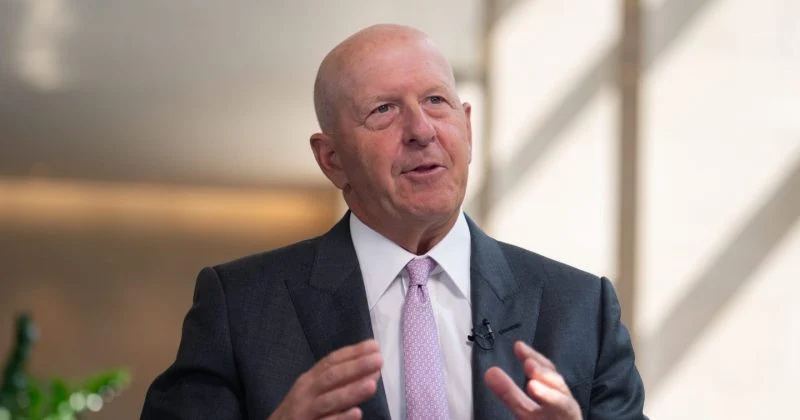
Goldman Sachs CEO David Solomon threw his weight behind the CLARITY Act at the World Liberty Forum on February 18, calling for a codified, rule-based regulatory framework for digital assets. It’s the kind of endorsement that makes Washington pay attention, even if crypto remains, by Solomon’s own admission, a modest slice of Goldman’s business.
What the Clarity Act actually does
The Digital Asset Market Clarity Act of 2025, formally known as H.R. 3633, is designed to untangle one of crypto’s longest-running headaches: which regulator is actually in charge. The bill draws clearer lines between the SEC and CFTC, defining when a digital asset qualifies as a security versus a commodity.
The House passed the bill on July 17, 2025, with a bipartisan vote of 294-134. The Senate Banking Committee advanced it in early 2026, but the full Senate vote remains a work in progress.
Part of the holdup involves stablecoin regulations. Lawmakers are still haggling over whether stablecoin issuers should be allowed to offer yield-like rewards and how traditional banks should compete with crypto-native stablecoin providers.