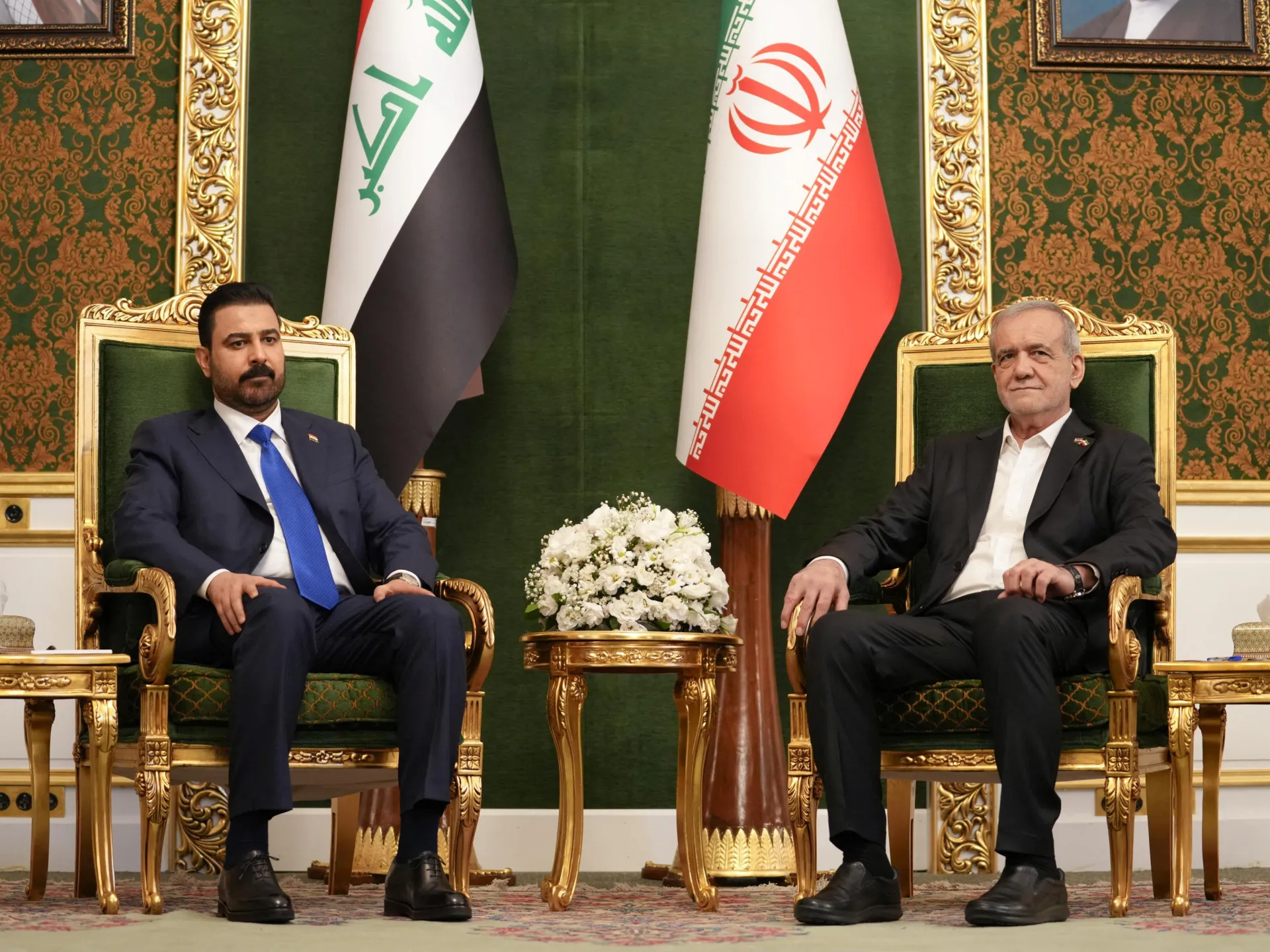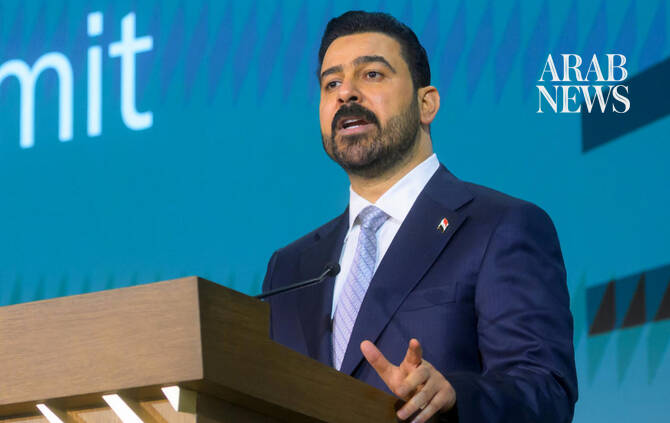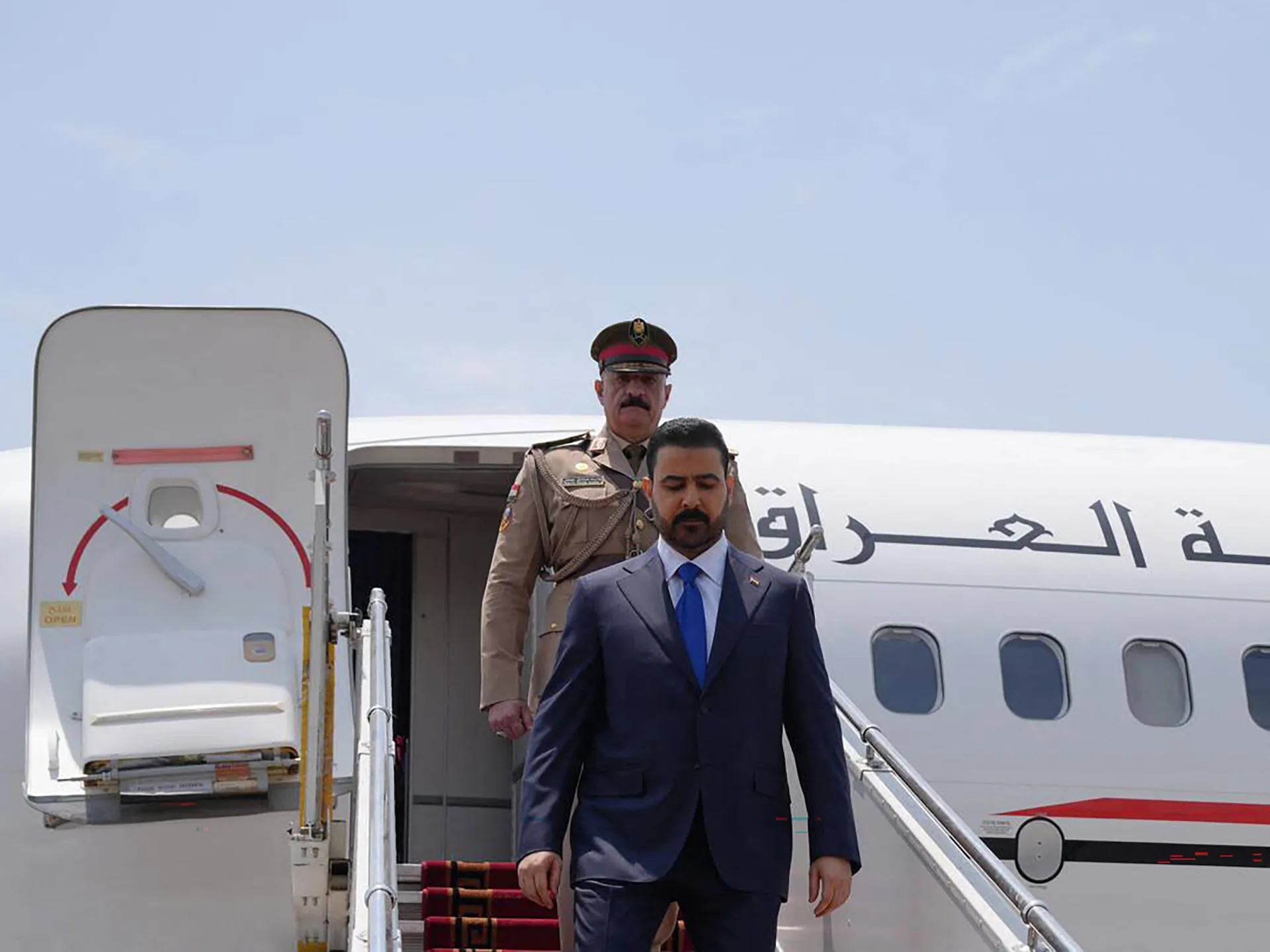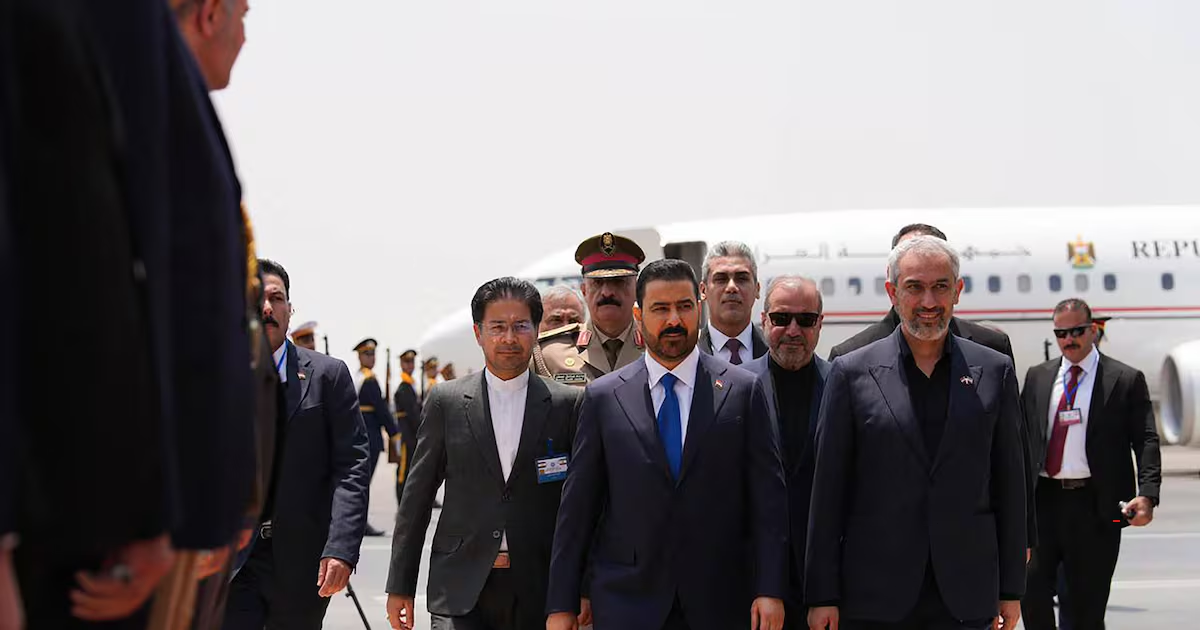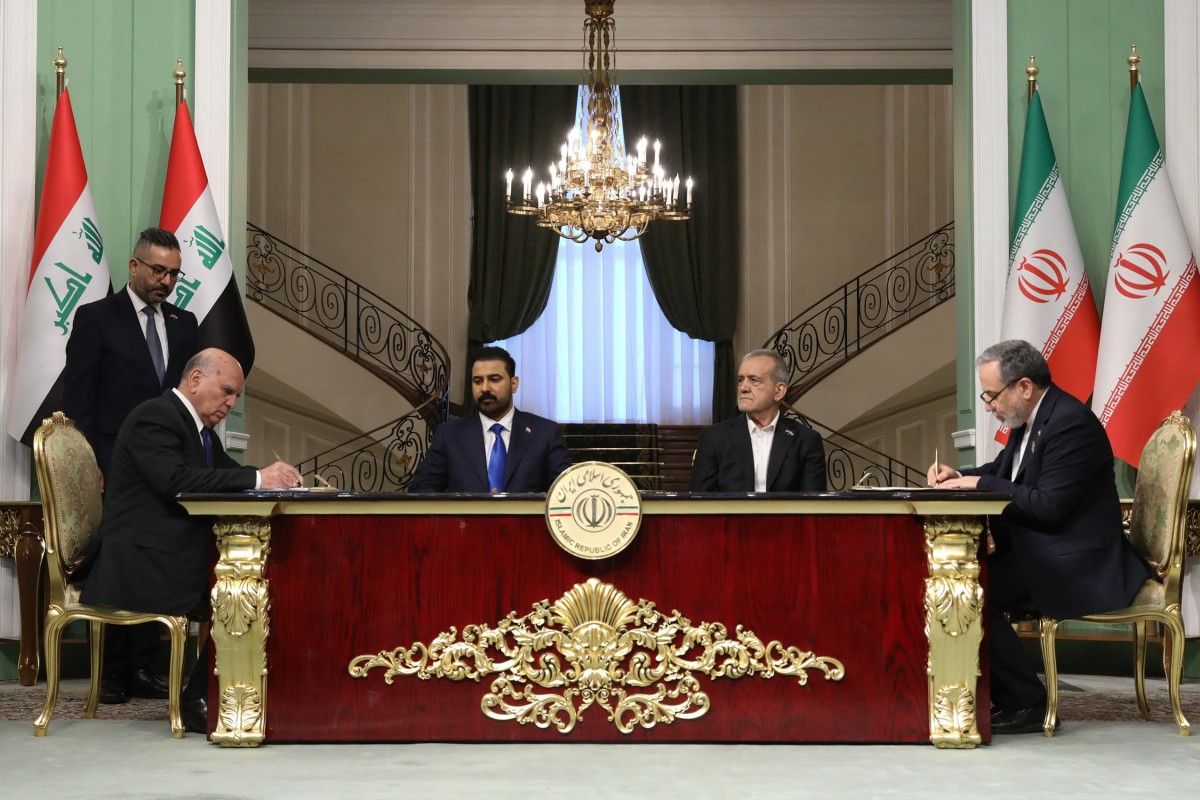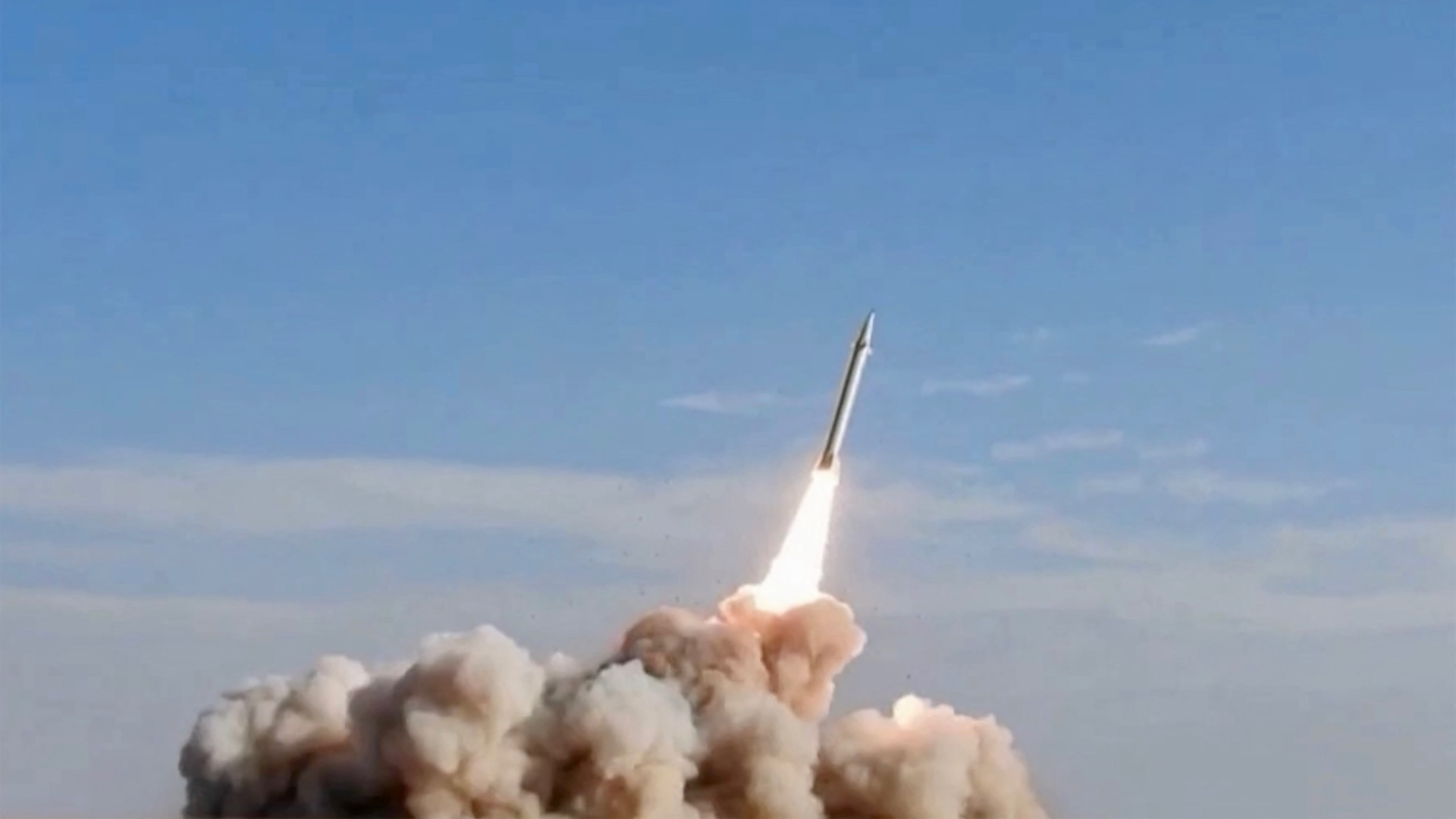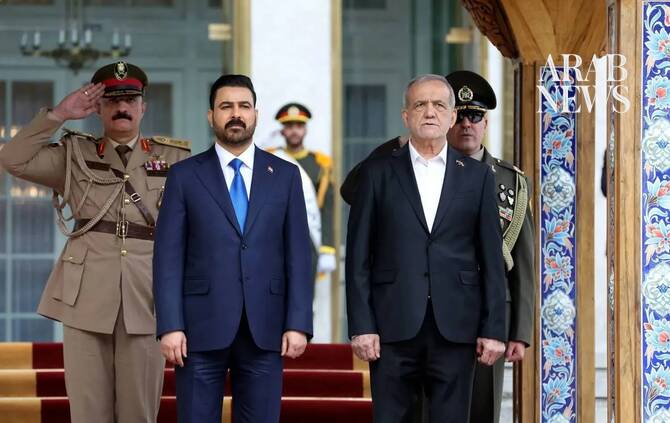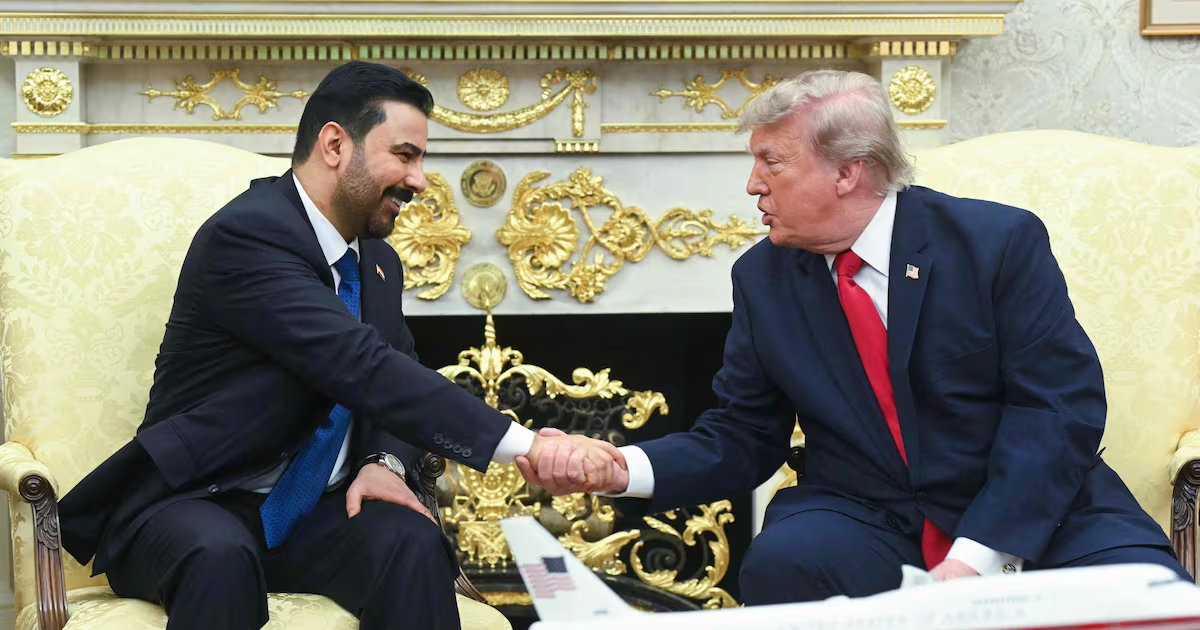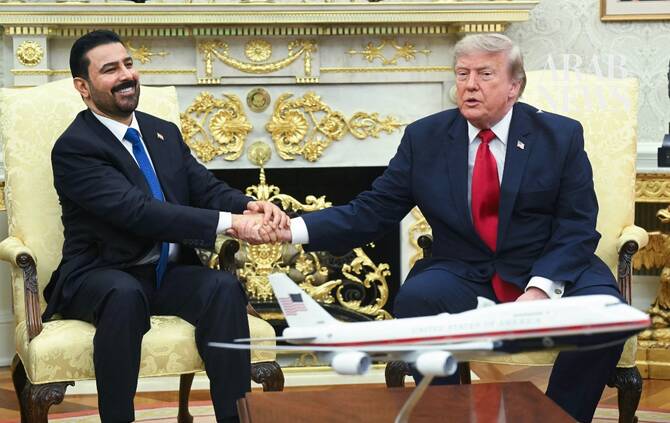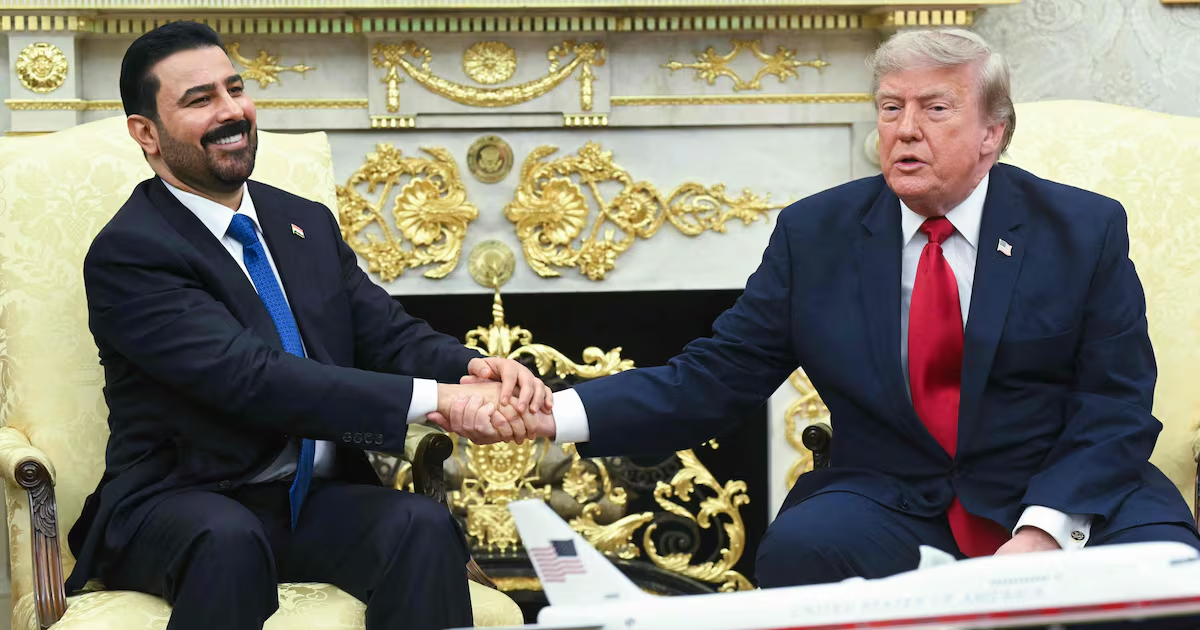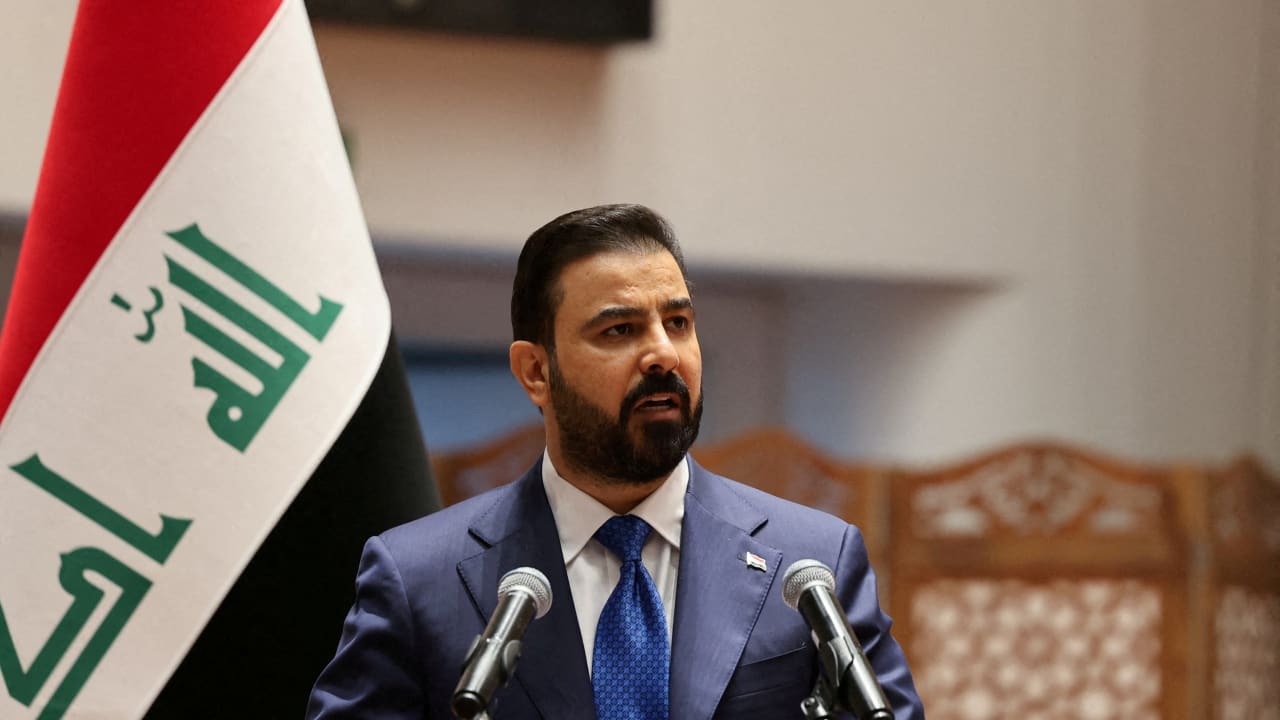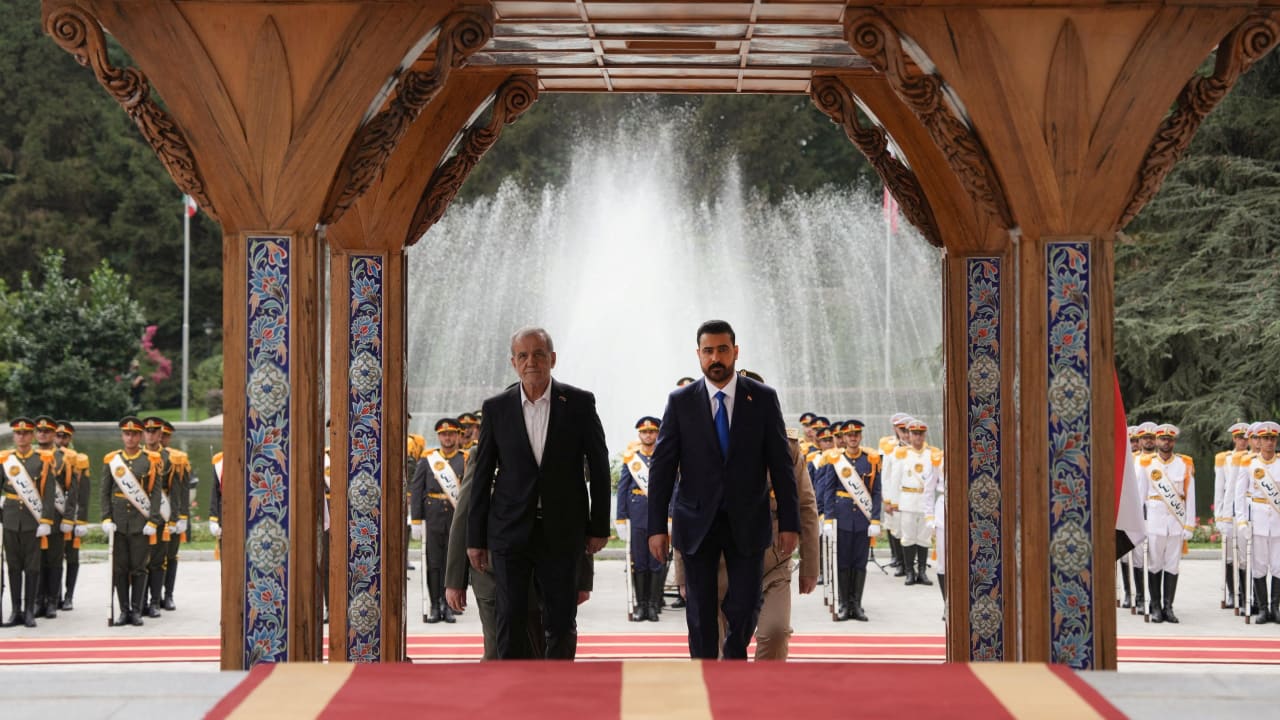
BySETH J. FRANTZMANJULY 23, 2026 15:38Updated: JULY 23, 2026 15:39Iraq’s Prime Minister Ali al Zaidi arrived in Iran on July 23 for meetings with Iranian officials. This is an important visit because it comes two weeks after the Iraqi leader met with US President Donald Trump.Zaidi is a new, young leader of Iraq, and Washington has hopes that he can finally rein in Iranian-backed militias in Iraq and help turn a page on US-Iraq relations. This could stabilize Iraq and make it play a more important role in the region.The new Iraqi policies from Washington dovetail with Syria’s stability and new oil and energy deals that will see Iraq export oil through Syria. US Ambassador Tom Barrack, who is envoy to Iraq and Syria, has supported this. Iran’s relationship with Iraq matters because of Iran’s influence in Iraq.“Today, we head to Tehran on an official visit, during which we will meet with senior officials in the Islamic Republic of Iran to discuss files of common interest, bilateral cooperation, and consultation on regional issues and efforts aimed at consolidating security and stability in the region,” Zaidi wrote on X on July 23.Zaidi went to Iran as Iran continues to carry out attacks against the Kurdistan Region of Northern Iraq. The Kurdistan Region has asked for air defenses against drone and missile attacks. Baghdad has not sent the defenses. The US has forces in Erbil, and they have sought to confront the attacks using C-RAM defenses.US President Donald Trump meets with Prime Minister of Iraq Ali al-Zaidi (L) in the Oval Office of the White House in Washington, DC, on July 14, 2026. (credit: SAUL LOEB / AFP via Getty Images)Energy firms suspend operations in Kurdish region as attacks in the region continueThe attacks have killed more than nine Kurdish members of Kurdish Iranian opposition groups.Energy firms are also suspending work. Dana Gas, HKN and Gulf Keystone have all suspended operations.Rudaw noted that “energy firms operating in the Kurdistan Region are an ‘integral part’ of Iraq's economy, Baghdad government spokesperson Haider al-Aboudi told Rudaw on Wednesday, affirming Iraq's commitment to protecting those companies.”The report also says “the remarks come amid operational suspensions at several of the Region's key oil and gas fields, triggered by increased drone and missile attacks in recent days…Iraqi Prime Minister Ali al-Zaidi recently met with representatives of the international energy firms that are operating in the Kurdistan Region, Aboudi told Rudaw’s Ziyad Ismail, emphasizing that the premier ‘provided sufficient guarantees to support their return to regular operations.’” Iraq’s prime minister also recently met with Iran’s ambassador in Baghdad."The Iraqi government, despite the challenges posed by regional circumstances, remains committed to protecting these companies and ensuring their continued operation," Aboudi affirmed to Rudaw.Meanwhile, overnight between July 22-23, there were more drone attacks on the Kurdistan Region. In addition, the Kurdish Iranian opposition Komala party said that six of its members had been wounded in an attack.It’s important to understand how the Iraqi prime minister is now in the spotlight in terms of US regional policy.Iraq becomes a frontline in Trump’s Iran strategyThe US is involved in 11 days of strikes on Iran. Iraq is a frontline. US policy toward Iraq under President Donald Trump has increasingly focused on two related goals: Strengthening Baghdad’s ties with Washington while reducing the influence of Iranian-backed militias. Earlier in 2026, Trump publicly opposed the return of former Prime Minister Nouri al-Maliki. Maliki was close to Iran and known for sectarian tendencies that inflamed tensions between Shi’ites and Sunnis. Ali al-Zaidi eventually emerged as prime minister, and Trump welcomed him at the White House on July 14.Trump has praised Zaidi during their meeting and signaled that Washington wants to move the relationship beyond the recent anti-ISIS campaign toward investment and trade. US troops who have backed Iraq against ISIS in 2014 are scheduled to leave Iraq in September.US officials have made clear that a closer relationship requires Iraq to bring Iranian-backed militia groups under state control. Disarming them will be hard. Secretary Pete Hegseth said Iranian-aligned militias had carried out more than 600 attacks on US citizens and facilities between February and April 2026, and he welcomed Zaidi’s initiative to disarm them. Zaidi so far has not disarmed the militias.The Iran visit will put this in the spotlight. Zaidi wants to try to balance the US and Iran in Iraq. Iran has often benefited from this balance because it continues to operate the militias.Follow us on Google
Iraq PM Ali al Zaidi tests US ties during Iran visit | The Jerusalem Post
The new Iraqi policies from Washington dovetail with Syria’s stability and new oil and energy deals that will see Iraq export oil through Syria.
743 words~3 min read