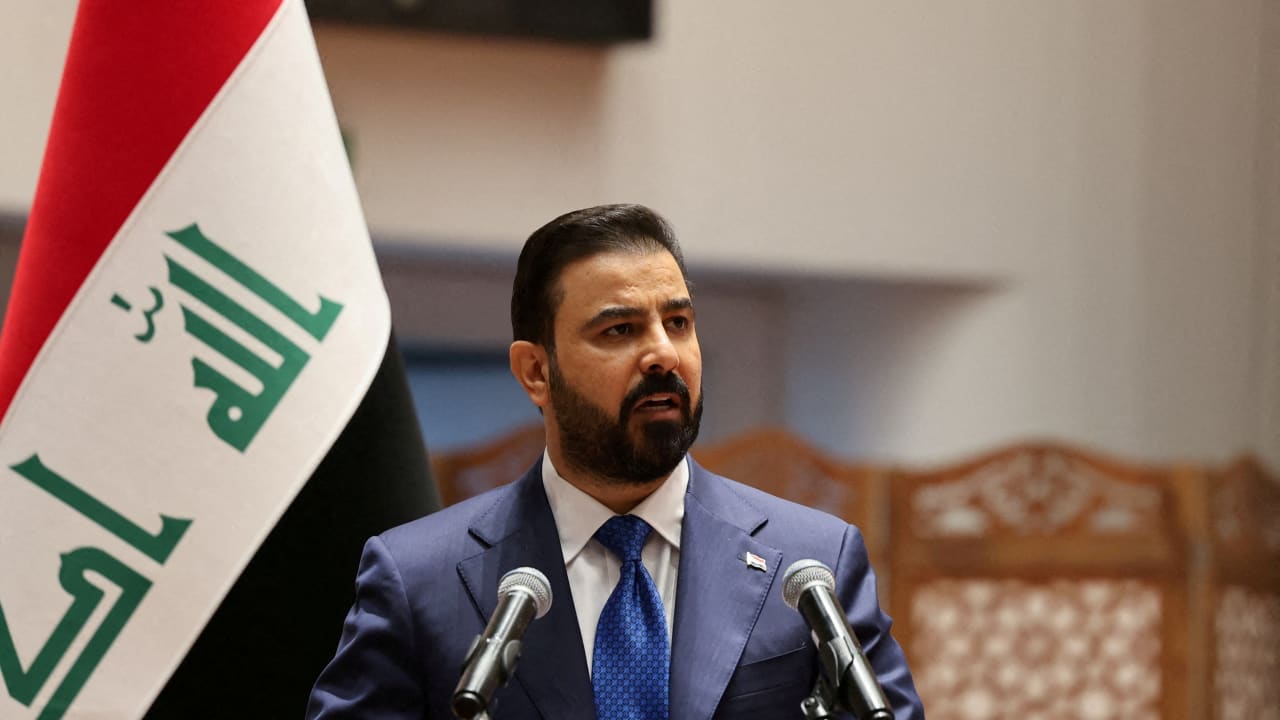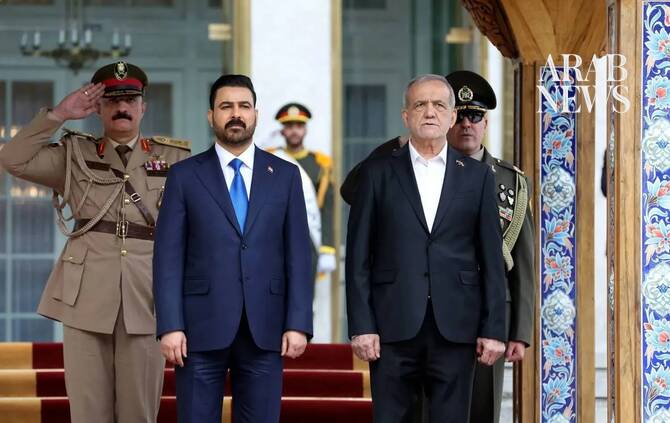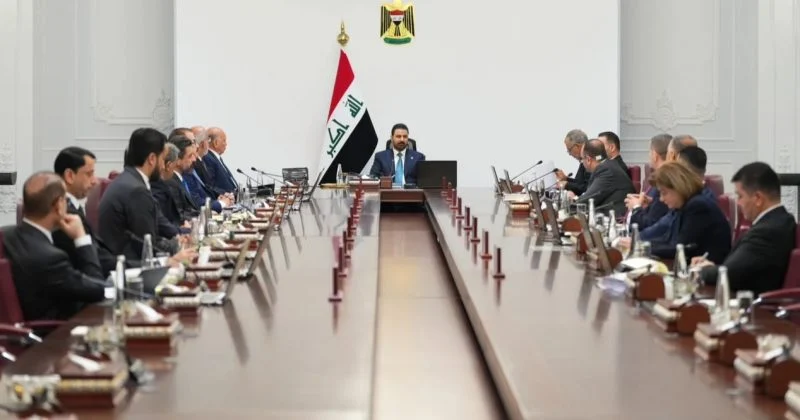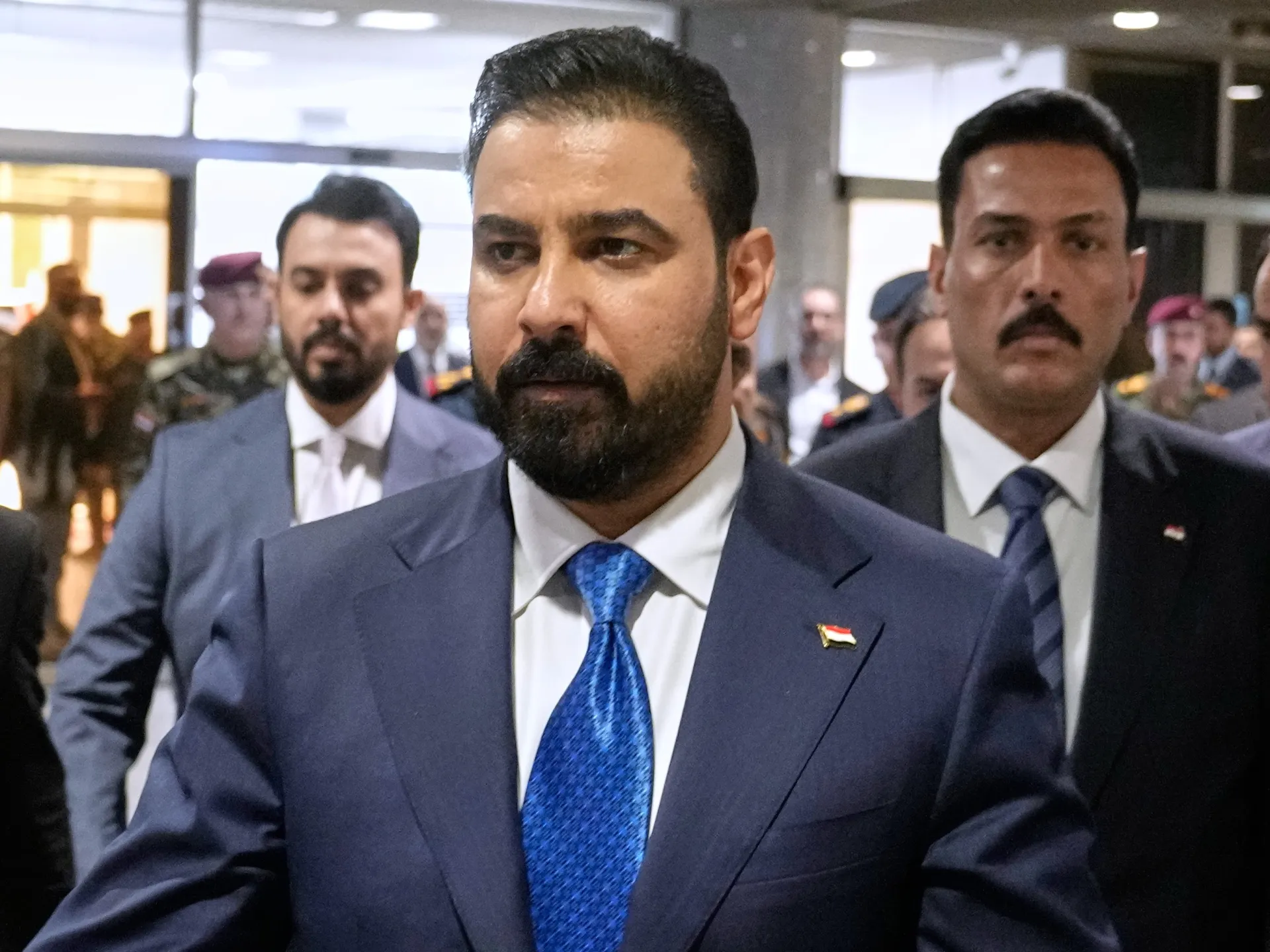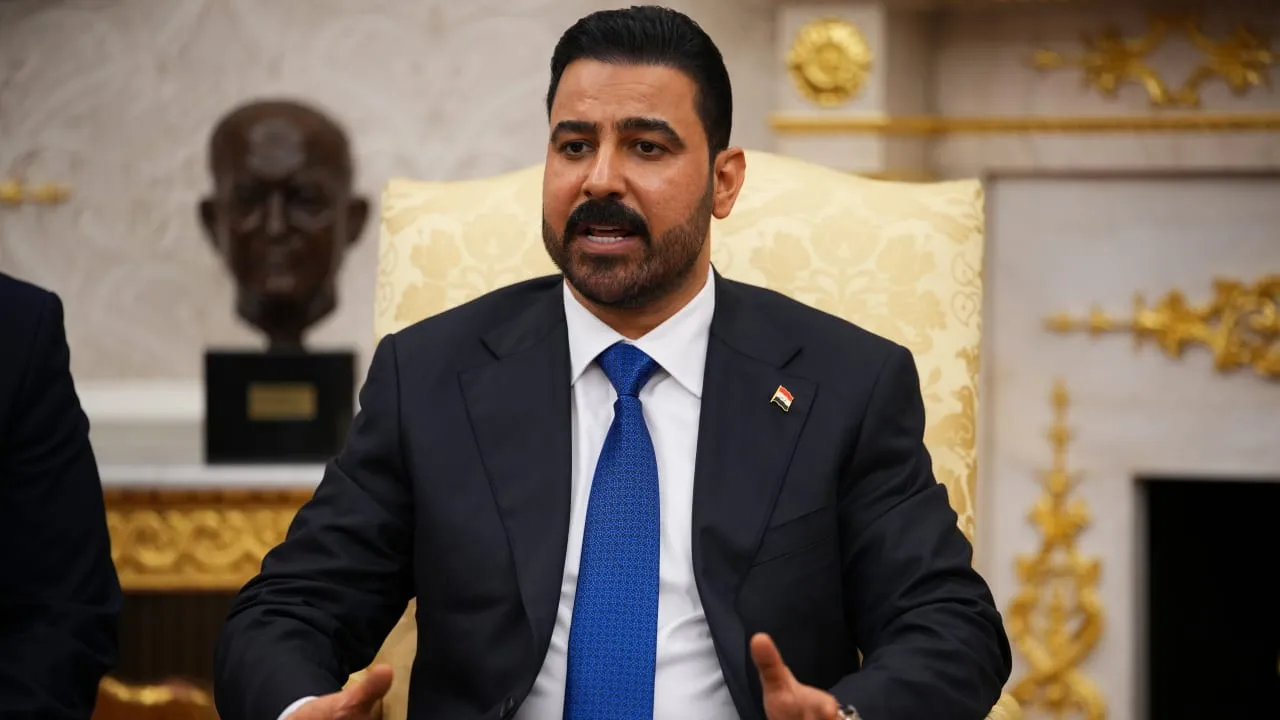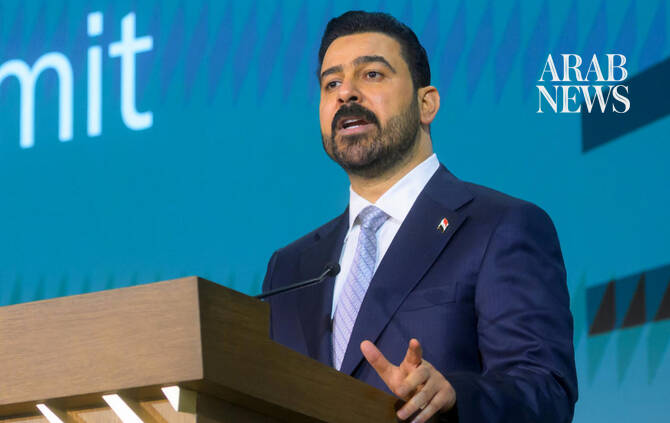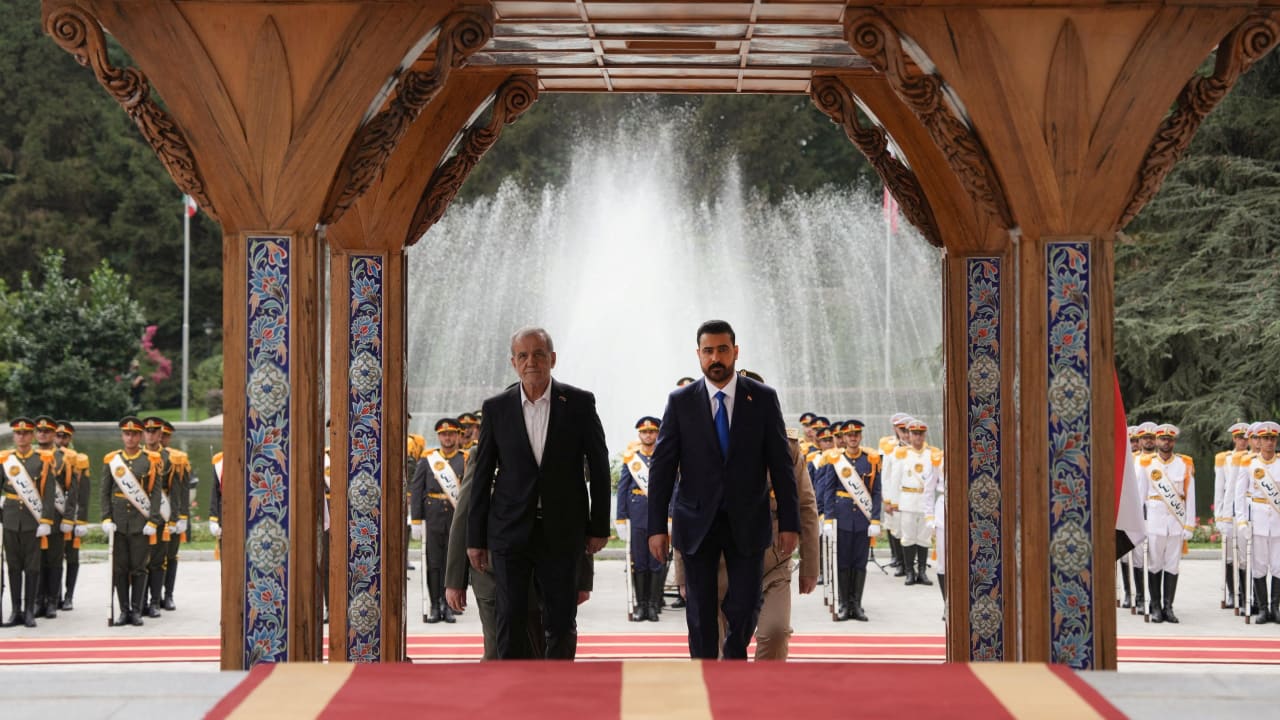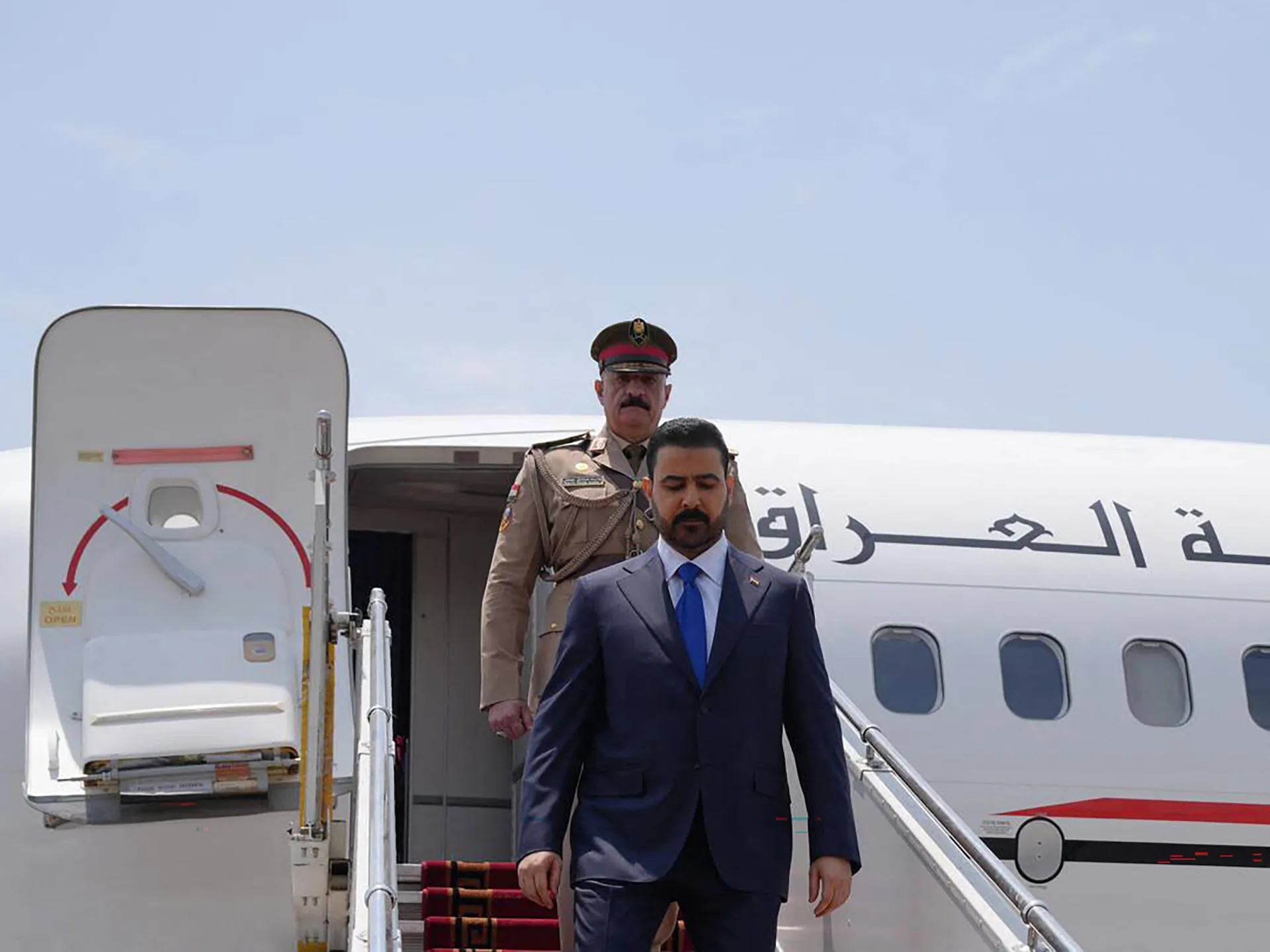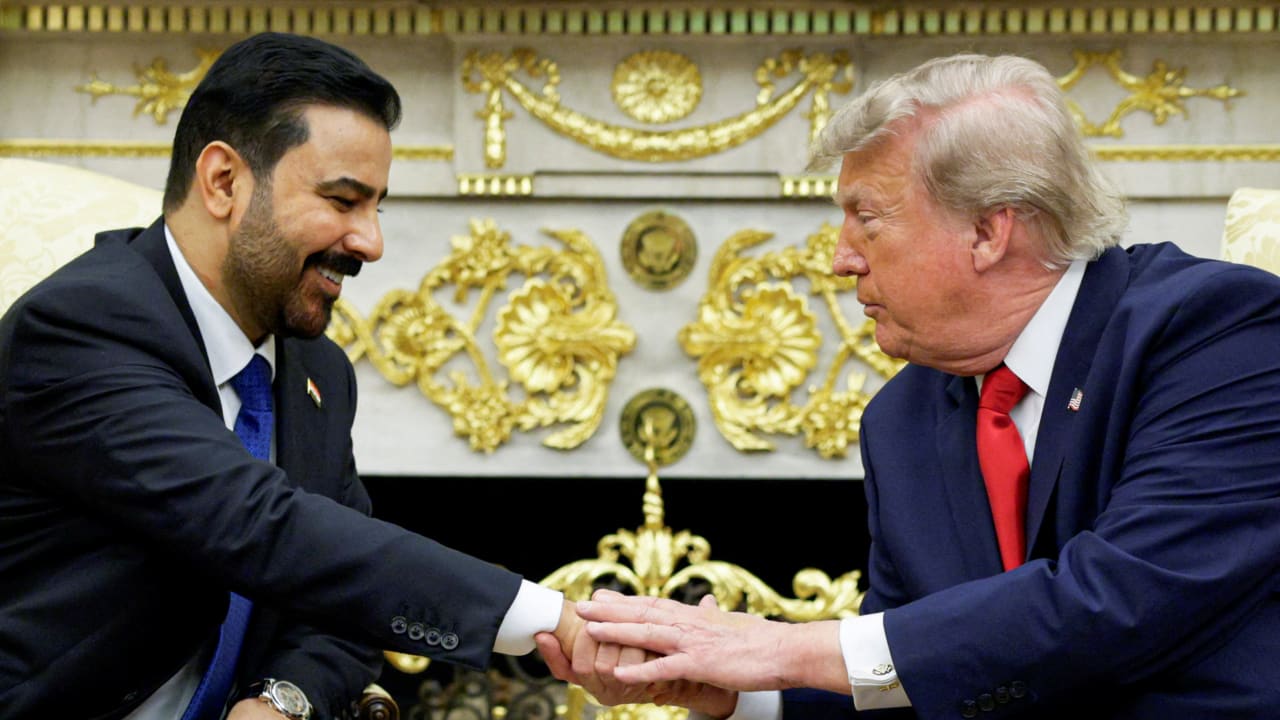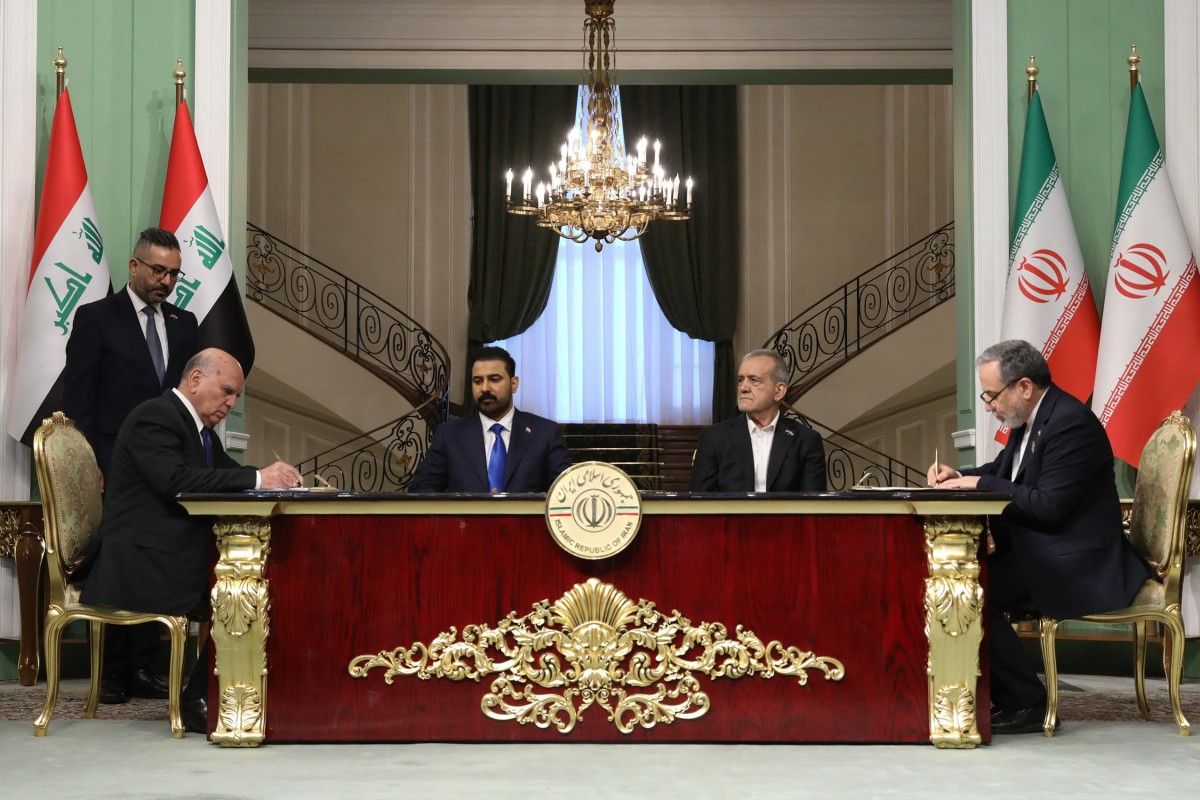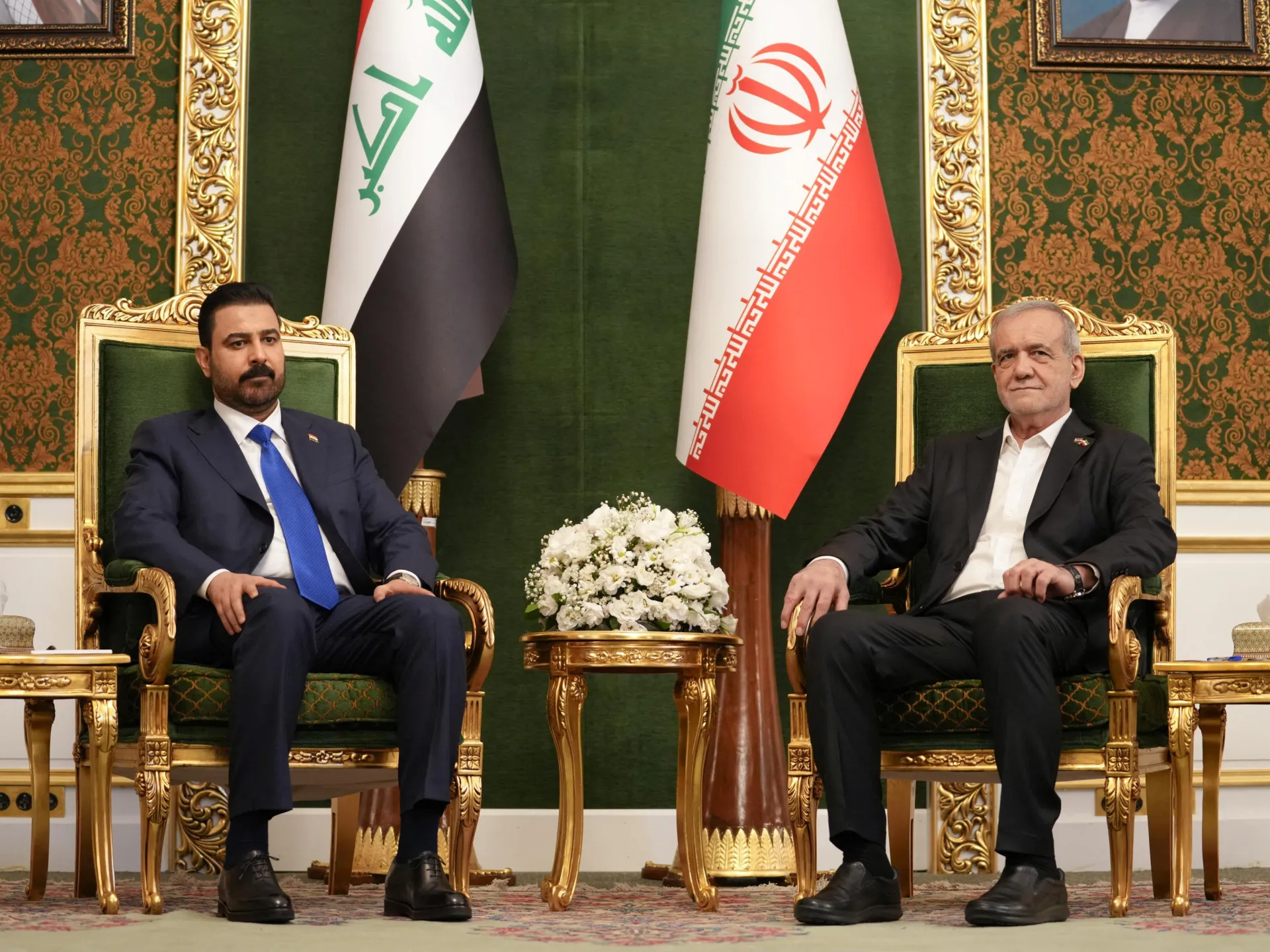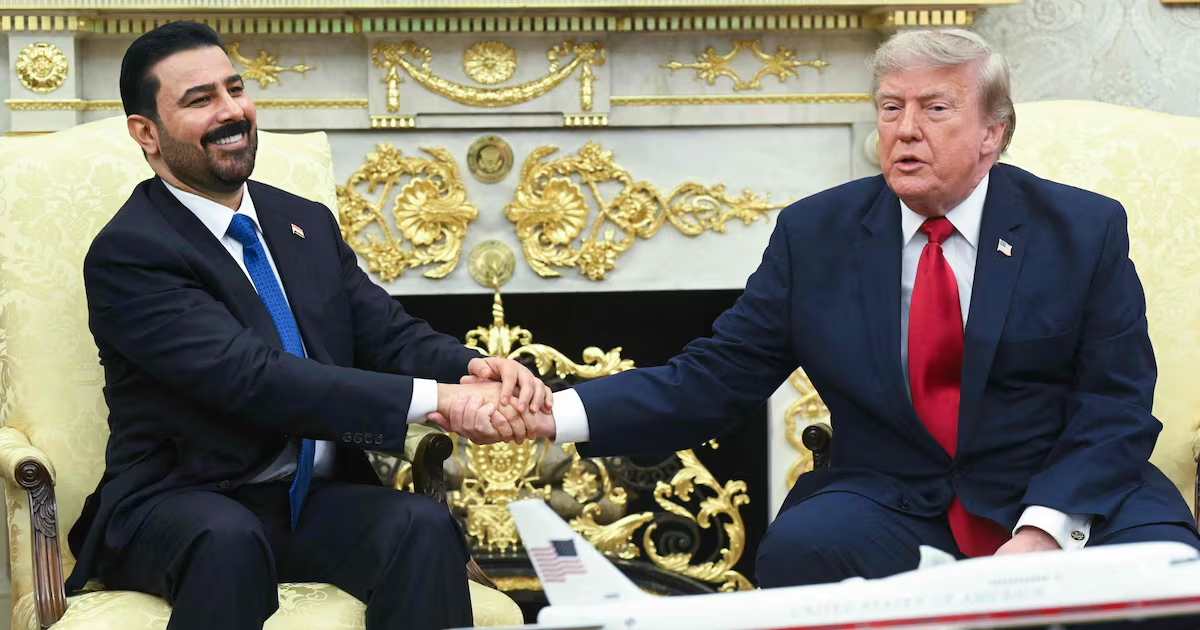
Iraq's new government hopes it could serve as a mediator between the US and Iran, as it seeks to strike balanced relations between the two countries, an advisor to the Prime Minister has said.Dr Abbas Al Anbori was in Iran last week during Prime Minister Ali Al Zaidi's meeting with US President Donald Trump in Washington, to talk about the importance of Iraq's relations to both countries.Mr Al Zaidi is in Tehran this week in a bid to host US-Iran talks, according to Iraq's state news agency, with reports in local media that he is seeking to host US-Iranian talks in Baghdad.In the holy city of Qom, Dr Al Anbori met with clerics and prominent Iranians to discuss Baghdad's plans to disarm the Shia militias that have attacked US bases in the country and energy facilities regionally with Iranian backing.On the streets at Shrine of Imam Musa al-Kadhim in the Kadhimiya district of Baghdad. EPA / AHMED JALILInfo"Iraq could be a door to Iran to be open to the to the West," he said."I've seen in my four days tour in Iran, to what extent the Iranian people are suffering from the economic sanctions. Like any other people in the world, they are looking for peace, for stability, and their own security," he said, speaking at London foreign affairs think tank Chatham House."What's expected from our relationship with Iran is to keep and preserve Iraq's position ... in the middle between United States and Iran," he said."We cannot remove the significance of United States as a big power and superpower in the world, and also we cannot remove the reality that Iran is our neighbor and we have mutual interests," he said.Supporters of Shia militia groups gather in the Iraqi capital of Baghdad to celebrate the mutual agreement reached between Iran and the United States in June. AFPInfoHe added that he did not expect Tehran to be fully understanding of the Prime Minister's stated position. Pakistan and Qatar have served as mediators to the US and Iran, and there are doubts that Iraq could credibly play such a role while marauding armed groups continue to launch attacks on US bases and co-opt the state.Experts fear that the Iraqi government faces going to war with the militias that will refuse to disarm by the October deadline, or US sanctions if it is seen to be ineffective in curbing these armed groups that act with impunity.U.S. President Donald Trump's special envoy Steve Witkoff, Pakistan's Prime Minister Shehbaz Sharif, U.S. Vice President JD Vance and Pakistan's Chief of Army Staff Field Marshal Asim Munir greet at the start of a summit in Switzerland in June aimed at reaching an agreement to end the war with Iran. GettyInfoBut Dr Al Anbori said the government's ambition to disarm these groups needed to also address a growing hardline sentiment among the country's Shia majority, who view the US war on Iran as a "war against the Shia"."This understanding, this mentality within the Shia community has increased. If are looking to understand the foreign policy in Iraq or the security policy in Iraq, we have to understand the complication of the Shia community, the Shia understanding of the war, and their relationship to the state".Among these grievances is an "imbalance" in the representation of hardline Shia groups in the current cabinet, Dr Al Anbori said. Though parties linked to armed groups had won 80 of over 270 seats in parliament, none were represented in the government, which is still filling vacant seats.Iran says it backed Shia militias in Iraq to support the fight against IS, but the groups have been accused of co-opting the state, targeted assassinations and the killing of hundreds of protestors during Iraq's youth-led October revolution in 2019.
Iraqi government sees US talks as base to mediate with Iran | The National
Prime Minister Ali Al Zaidi weighs hardline views on US-Iran war with disarming Iran-backed Shia militias
624 words~3 min read