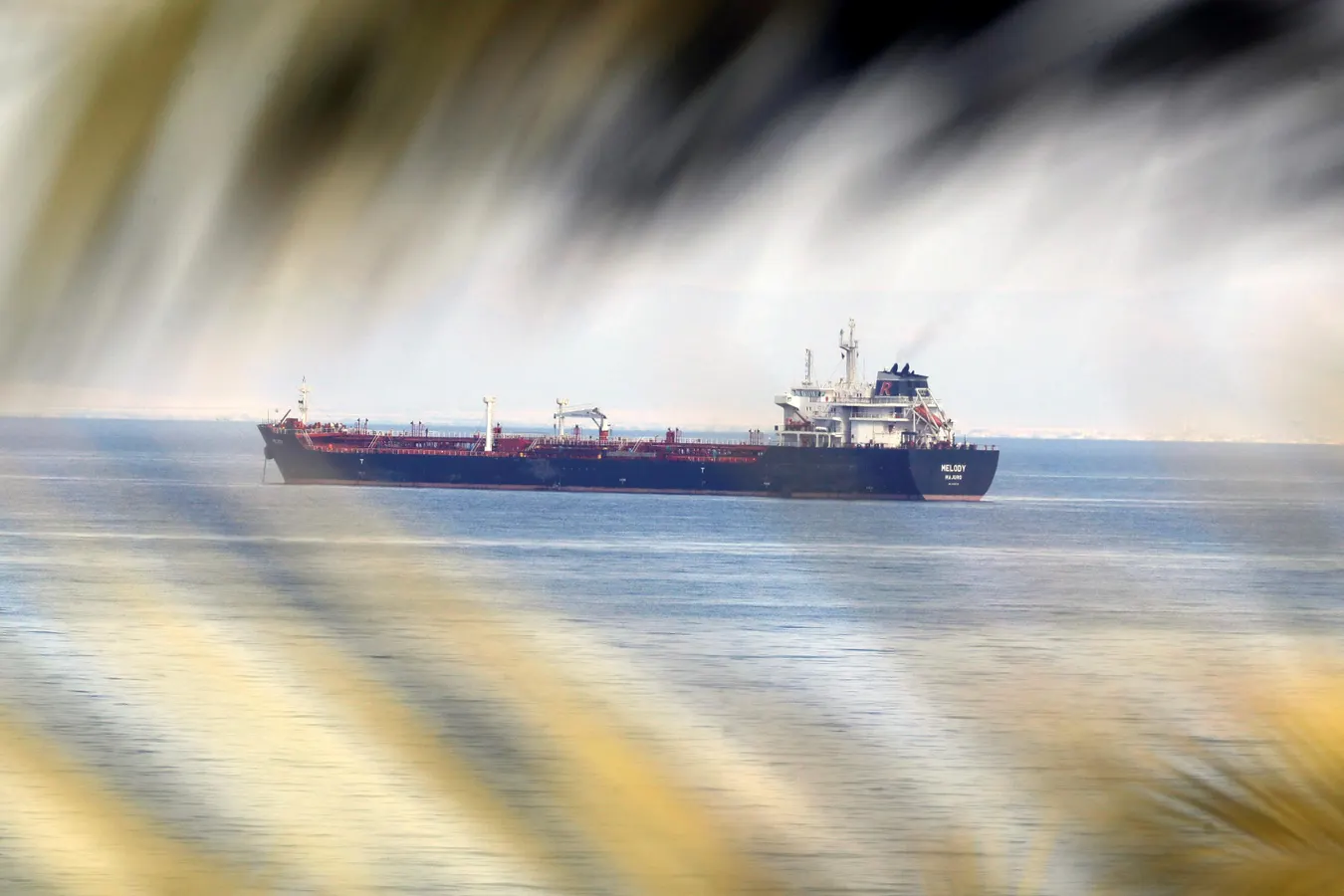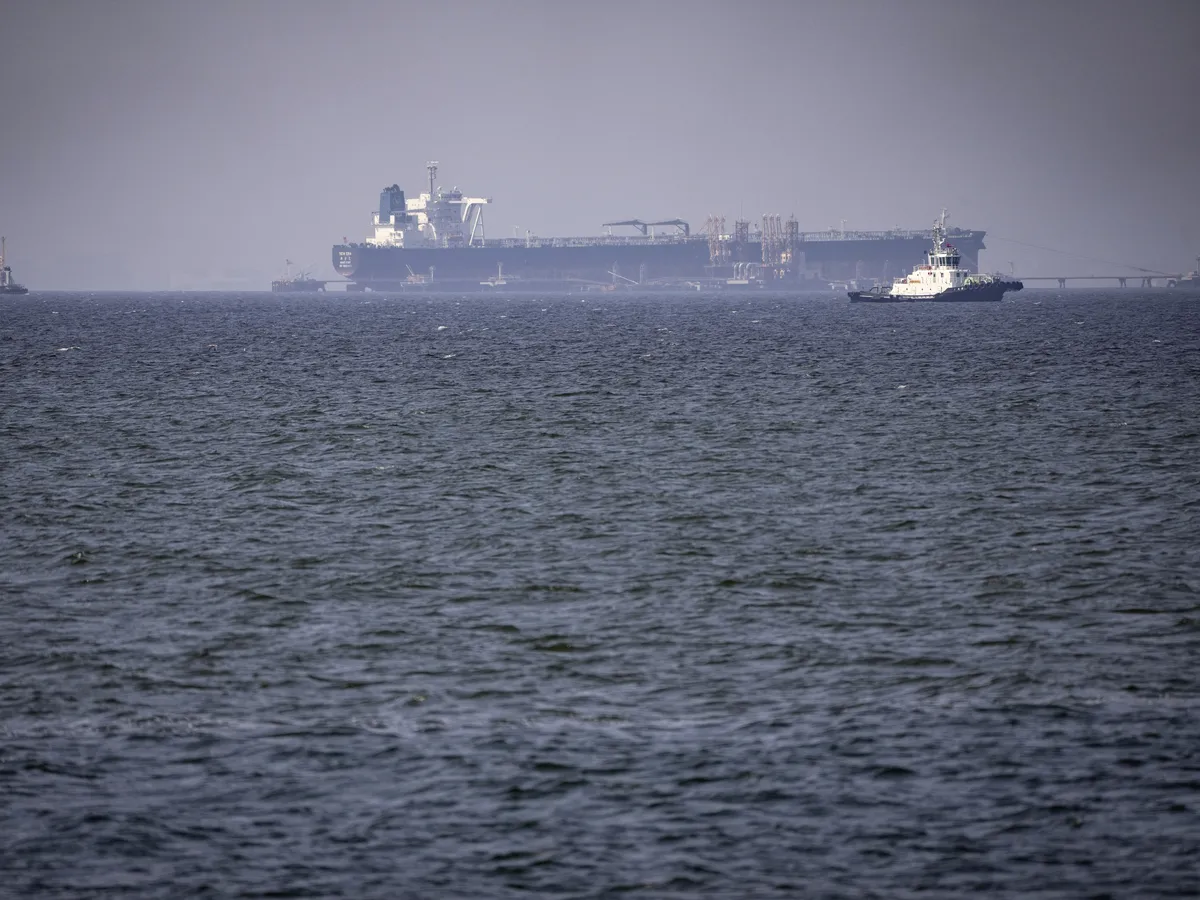
Skip to Content News Archives Economy Energy Oil & Gas Renewables Electric Vehicles Mining Commodities Agriculture Real Estate Mortgages Mortgage Rates Finance Banking Insurance Fintech Cryptocurrency Work Wealth Smart Money Wealth Management Investor Personal Finance Family Finance Retirement Taxes High Net Worth FP Comment Executive Women Puzzmo Newsletters Financial Times Business Essentials More Innovation Information Technology FP500 Podcasts Small Business Lives Told Tails Told Shopping Financial Post Store Obituaries Place a Notice Advertising Advertising With Us Advertising Solutions Postmedia Ad Manager Sponsorship Requests Classifieds Place a Classifieds ad Working Profile Settings My Subscriptions Saved Articles My Offers Newsletters Customer Service FAQ News Economy Energy Mining Real Estate Finance Work Wealth Investor FP Comment Executive Women Puzzmo Newsletters Financial Times Business Essentials HomeCommoditiesEnergyOil & GasOil nears US$100 as Houthi attacks in Red Sea amplify supply risksBrent briefly spiked above US$98 a barrel, after closing at a six-week high in the previous sessionAuthor of the article: You can save this article by registering for free here. Or sign-in if you have an account.An oil tanker is moored at the Keiyo Sea-Berth in Sodegaura, Chiba prefecture on on July 22, 2026. Photo by Yuichi YAMAZAKI / AFP via Getty ImagesOil closed in on US$100 a barrel in London after Iran-backed Houthi militants said they attacked two Saudi Arabian tankers in the Red Sea, escalating the Middle East conflict and threatening deeper supply disruptions.Subscribe now to read the latest news in your city and across Canada.Exclusive articles from Barbara Shecter, Joe O'Connor, Gabriel Friedman, and others.Daily content from Financial Times, the world's leading global business publication.Unlimited online access to read articles from Financial Post, National Post and 15 news sites across Canada with one account.National Post ePaper, an electronic replica of the print edition to view on any device, share and comment on.Daily puzzles, including the New York Times Crossword.Subscribe now to read the latest news in your city and across Canada.Exclusive articles from Barbara Shecter, Joe O'Connor, Gabriel Friedman and others.Daily content from Financial Times, the world's leading global business publication.Unlimited online access to read articles from Financial Post, National Post and 15 news sites across Canada with one account.National Post ePaper, an electronic replica of the print edition to view on any device, share and comment on.Daily puzzles, including the New York Times Crossword.Create an account or sign in to continue with your reading experience.Access articles from across Canada with one account.Share your thoughts and join the conversation in the comments.Enjoy additional articles per month.Get email updates from your favourite authors.Create an account or sign in to continue with your reading experience.Access articles from across Canada with one accountShare your thoughts and join the conversation in the commentsEnjoy additional articles per monthGet email updates from your favourite authorsSign In or Create an AccountorBrent briefly spiked above US$98 a barrel, after closing at a six-week high in the previous session. The Houthis said they fired missiles and drones at the vessels for violating a blockade of Saudi ports that they announced this week.The attacks open a new front in a regional conflict that has snarled traffic through the Strait of Hormuz following a flare-up in hostilities between the U.S. and Iran. Saudi exports from the Red Sea have been a major workaround since flows from the Persian Gulf fell to a trickle. The renewed turmoil has already pushed up crude prices by more than 30 per cent this month.The Red Sea attack is “a serious escalation” of the conflict, said Daniel Hynes, senior commodities strategist at ANZ Group Holdings Ltd. “If this route is disrupted, the tightness in the oil market is only going to worsen.”In recent days, Iran has struck vessels in Hormuz, while the U.S. has bombarded the Islamic Republic over the past 12 days and restored a blockade of its ports. Tehran has responded by attacking U.S. allies in the region. Some analysts see prices returning to triple digits later this year if hostilities persist in the Middle East.Following the Houthi strikes, one of the hit tankers, the Encelia, began broadcasting a “not under command” status, indicating it may have lost maneuverability due to damage, according to ship-tracking data compiled by Bloomberg. Still, two China-owned oil tankers appeared to be undeterred by the risk and headed toward the the Red Sea chokepoint of Bab el Mandeb to exit, according to ship-tracking data.The durability of the price rally will depend on whether the Red Sea attack proves to be isolated, or triggers prolonged supply-chain disruptions, said Priyanka Sachdeva, senior market analyst at Phillip Nova Pte. She added that “bulls can comfortably aim for US$100 a barrel” Brent.Meanwhile, American forces struck Iranian military targets including maritime capabilities and coastal surveillance sites, according to U.S. Central Command. Nine commercial vessels have been redirected and one disabled to prevent ships from entering or departing Iran’s ports, Centcom added.Washington and Tehran have both played down the prospect of peace talks, raising the possibility of prolonged hostilities that could tighten oil markets. President Donald Trump threatened to bomb bridges and power plants, and reiterated threats to strike Pickaxe Mountain, a suspected Iranian nuclear site.With assistance from Yasufumi Saito, Rob Verdonck and Grant Smith Join the Conversation This website uses cookies to personalize your content (including ads), and allows us to analyze our traffic. Read more about cookies here. By continuing to use our site, you agree to our Terms of Use and Privacy Policy.
Oil nears US$100 as Houthi attacks in Red Sea amplify supply risks
Oil closed in on US$100 a barrel after Iran-backed Houthi militants said they attacked two Saudi Arabian tankers in the Red Sea. Read more.
898 words~4 min read