Germany approved onshore wind projects with a combined capacity of around 9 gigawatts (GW) during the first six months of the year, a new record for the period, according to data by industry agency Fachagentur Wind und Solar, commissioned by wind energy industry association BWE. The capacity volume auctioned in tenders for state support was oversubscribed by a factor of two and a half, it added. Germany had already approved a record 20.8 GW of onshore wind capacity in 2025. "Onshore wind energy is the backbone of Germany's electricity supply and, despite numerous political challenges, makes an indispensable contribution to our energy system," BWE president Bärbel Heidebroek said.Wind power is Germany's most important renewable electricity source. It is projected to become the backbone of the country's entire energy system in its shift away from fossil fuels. The country boasts one of the largest onshore wind power capacities in the world, which has driven efficiency gains and cost reductions in the technology for years. However, current government reform proposals would fail to guarantee the right framework for future investments in the sector, said BWE president Heidebroek. The plans "threaten to significantly slow down the expansion of wind energy and thus cement Germany's dependence on fossil fuels," she said, and called for comprehensive changes. The government plans to adopt draft reforms governing renewables support and grid access on 29 July. A major point of contention has been the so-called “redispatch provision” proposed by economy minister Katherina Reiche, under which renewable energy projects in grid bottleneck “hotspots” would only be granted an automatic grid connection if they waive compensation for future curtailments. The renewables industry and environmentalists say the reform would undermine investment security and hold up the expansion of wind and solar energy. Gross capacity additions for onshore wind continued their upward trend, with the number of commissioned turbines increasing by seven percent in the first half of 2026 compared to the same period the previous year. By the end of June, the country had 29,250 onshore wind turbines with a combined capacity of just under 70 GW, Fachagentur Wind und Solar said.
Germany continues record streak for onshore wind power approvals in first half of 2026
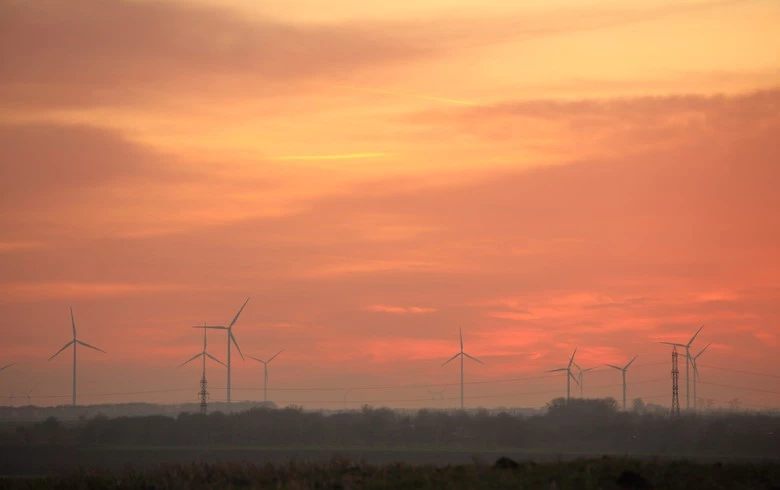
Germany approved onshore wind projects with a combined capacity of around 9 gigawatts (GW) during the first six months of the year, a new record for the period, according to data by industry agency Fachagentur Wind und Solar, commissioned by wind energy industry association BWE. The capacity volume auctioned in tenders for state support was oversubscribed by a factor of two and a half, it added. Germany had already approved a record 20.8 GW of onshore wind capacity in 2025. "Onshore wind energy is the backbone of Germany's electricity supply and, despite numerous political challenges, makes an indispensable contribution to our energy system," BWE president Bärbel Heidebroek said.Wind power is Germany's most important renewable electricity source. It is projected to become the backbone of the country's entire energy system in its shift away from fossil fuels. The country boasts one of the largest onshore wind power capacities in the world, which has driven efficiency gains and cost reductions in the technology for years. However, current government reform proposals would fail to guarantee the right framework for future investments in the sector, said BWE president Heidebroek. The plans "threaten to significantly slow down the expansion of wind energy and thus cement Germany's dependence on fossil fuels," she said, and called for comprehensive changes. The government plans to adopt draft reforms governing renewables support and grid access on 29 July. A major point of contention has been the so-called “redispatch provision” proposed by economy minister Katherina Reiche, under which renewable energy projects in grid bottleneck “hotspots” would only be granted an automatic grid connection if they waive compensation for future curtailments. The renewables industry and environmentalists say the reform would undermine investment security and hold up the expansion of wind and solar energy. Gross capacity additions for onshore wind continued their upward trend, with the number of commissioned turbines increasing by seven percent in the first half of 2026 compared to the same period the previous year. By the end of June, the country had 29,250 onshore wind turbines with a combined capacity of just under 70 GW, Fachagentur Wind und Solar said.