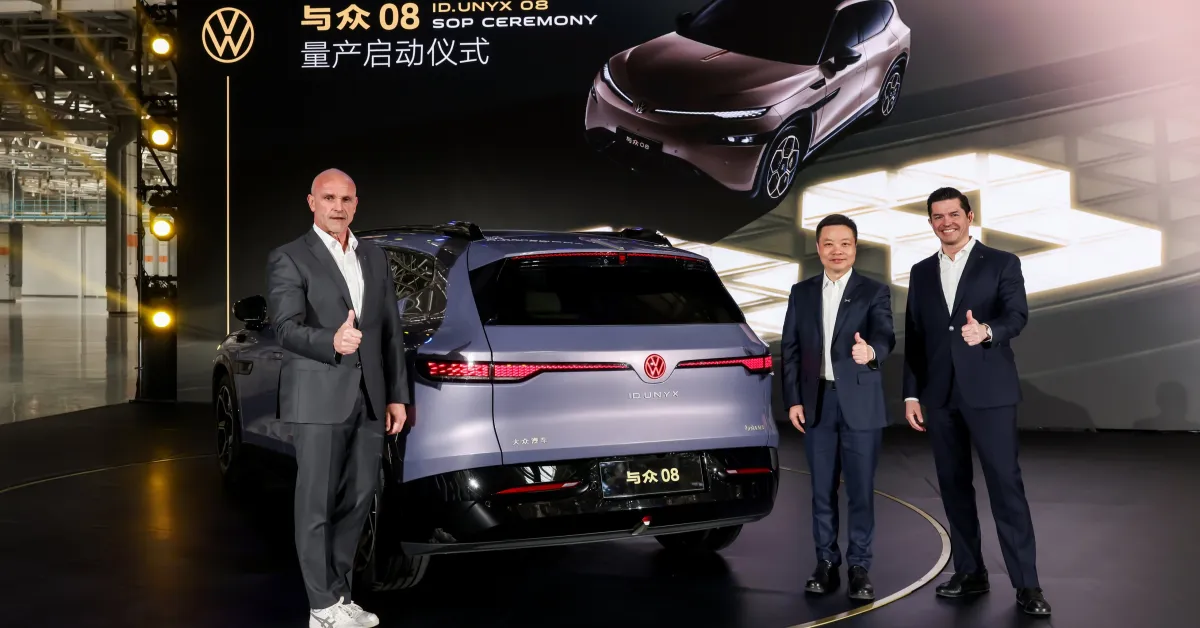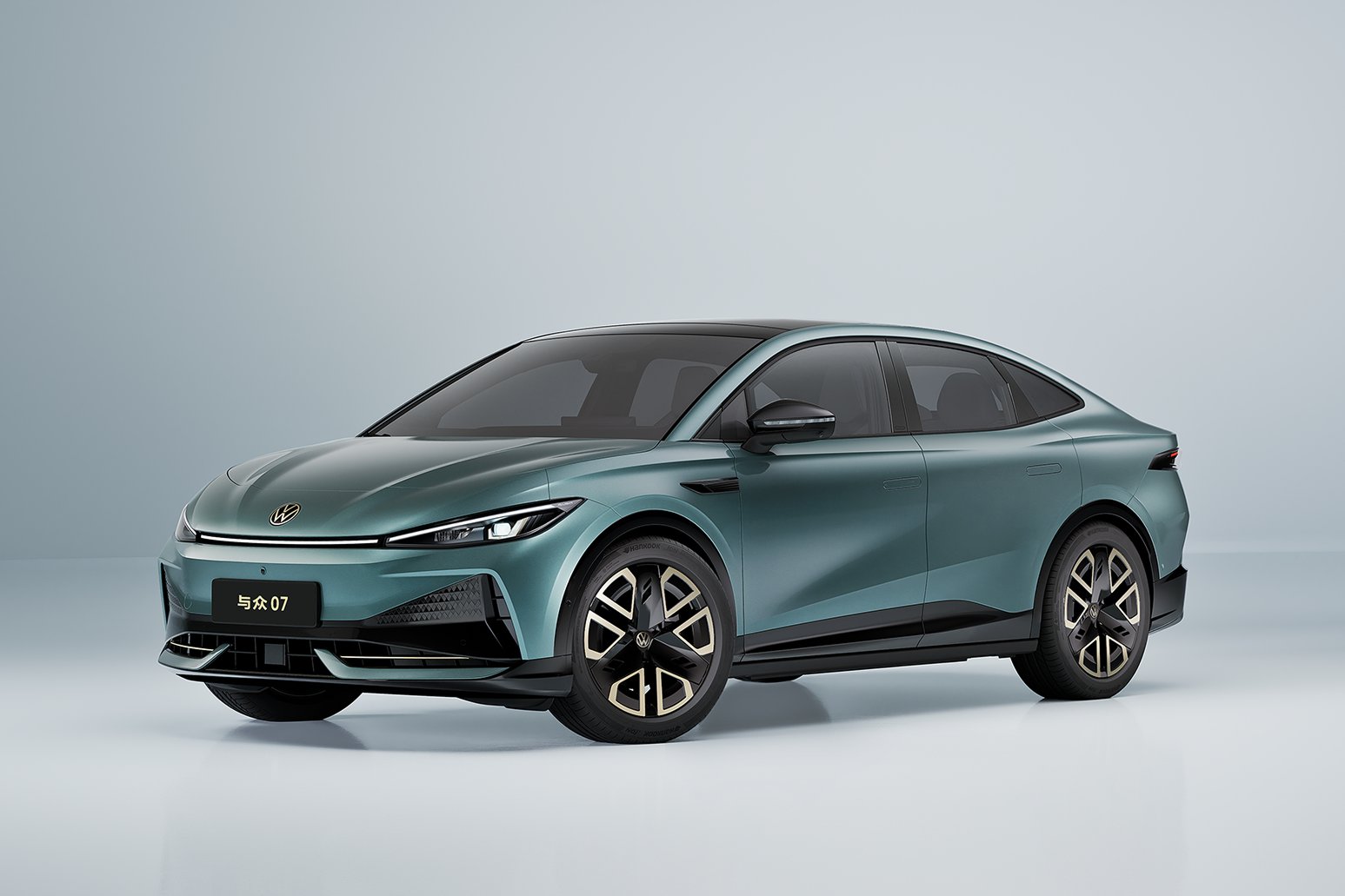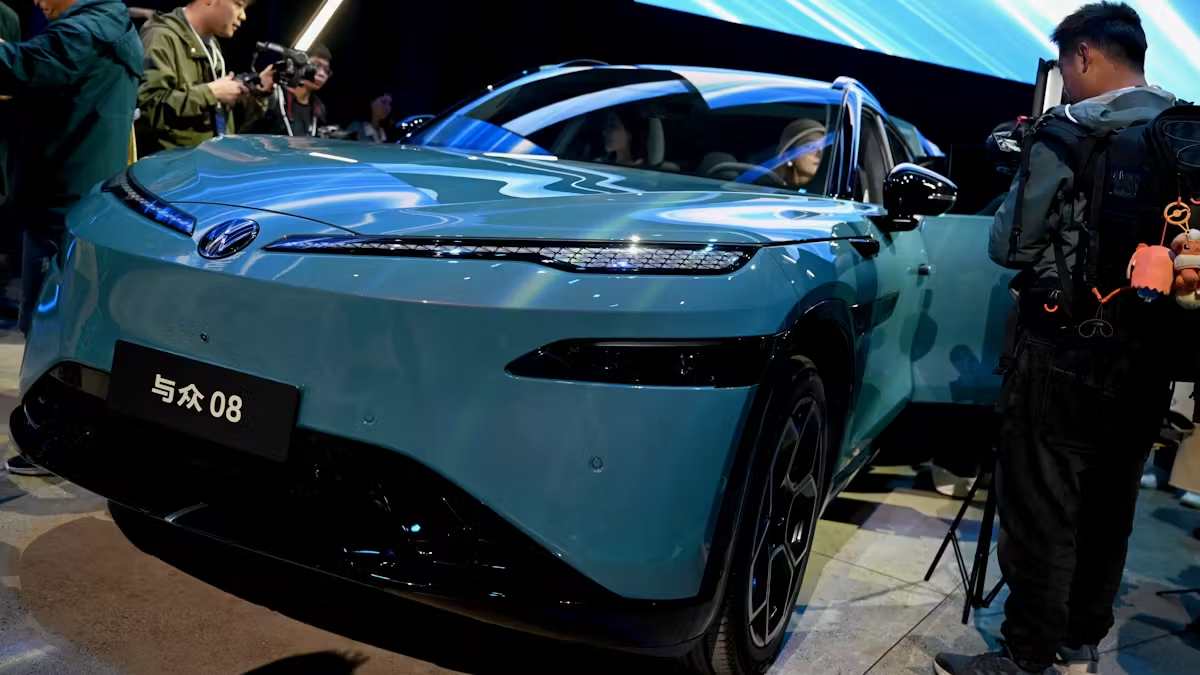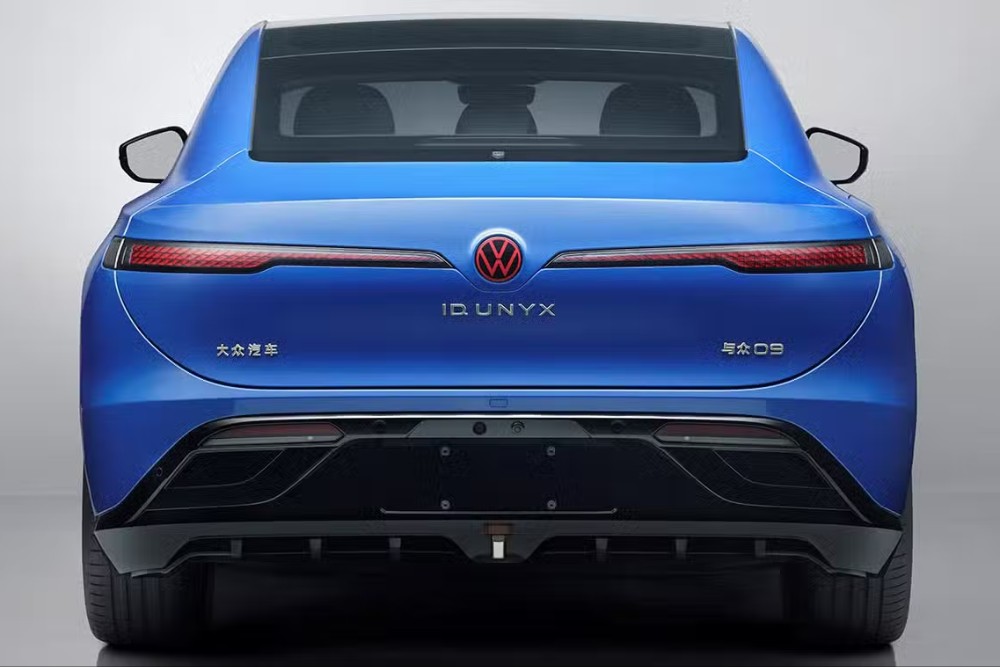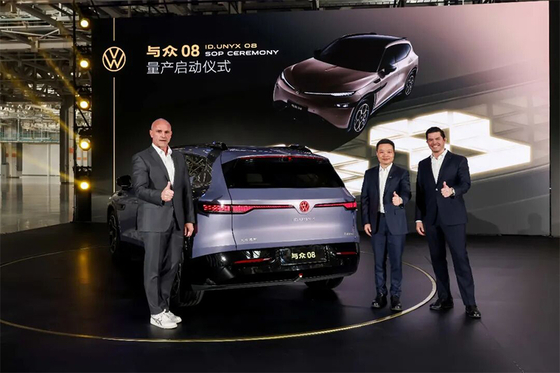
1. Volkswagen AG and XPeng Inc. have reached a significant milestone by commencing mass production of their first jointly developed electric vehicle (EV), the ID.UNYX 08, in China. This marks a deepening collaboration between the two companies, underlining how global automakers are increasingly relying on Chinese partners for advanced EV technologies amid intensifying competition in the massive Chinese car market. The ID.UNYX 08 is scheduled to go on sale in the first half of 2026, and a second jointly developed model is expected to launch later in the year [para. 1][para. 2].2. The joint Volkswagen-XPeng development initiative was first announced in July 2023, when Volkswagen took a 4.99% stake in XPeng, investing approximately $700 million. What began as a project to co-develop two EVs based on XPeng’s platform has since expanded to include collaboration in electrical and electronic architecture, onboard computing chips, and advanced driver-assistance systems. Notably, their Collaborative Electrical Architecture (CEA), initially intended for EVs, will now be used in hybrid and combustion models as well, with the first CEA-equipped vehicle set to debut in 2026 [para. 3][para. 4].3. The partnership illustrates a trend among Western automakers, who are increasingly drawing on local Chinese technology and supply chains in response to fast-paced changes and fierce competition in the Chinese EV sector. For XPeng, the alliance not only brings validation from Volkswagen but may also enhance its competitive stance domestically and potentially support its international expansion [para. 5].4. The ID.UNYX 08 is a vital part of Volkswagen’s largest EV product offensive in China to date, which will see the launch of 20 locally developed models in the country within the year. Of these, 13 will carry the Volkswagen brand, while others may be branded under the Audi name. However, Volkswagen has not detailed the breakdown of manufacturing between its joint ventures with FAW, SAIC, and the newer Volkswagen Anhui facility [para. 6][para. 7][para. 8].5. Established in 2017 as JAC Volkswagen Automotive Co. Ltd., Volkswagen Anhui became Volkswagen’s third vehicle joint venture in China, with Volkswagen increasing its stake to 75% in 2020 after relaxation of foreign ownership rules. JAC Motors retains the remaining 25%. The ID.UNYX series, led by Volkswagen Anhui, is Volkswagen’s dedicated new-energy line for China and uses a distinctive gold badge, earning it the nickname “gold-badge Volkswagen.” The plant also produces the Cupra Tavascan for the European market. Prior to the XPeng partnership, Volkswagen Anhui offered only the ID.UNYX 06 in China, which saw poor sales [para. 9][para. 10][para. 11].6. Financially, an earnings forecast from JAC indicated that Volkswagen Anhui contributed an investment loss of about 1.08 billion yuan ($156.6 million) for JAC in 2025, suggesting the venture’s total annual losses approached 4.3 billion yuan. These challenges reflect broader difficulties foreign automakers face in China, where electrification is advancing quickly and local brands are expanding their share. By 2025, German brands’ market share dropped to 15.4% from 21% in 2022, while domestic brands increased theirs from 47.3% to 65.3% [para. 12][para. 13].7. Foreign car manufacturers in China appear to be taking two main strategies: some, such as Ford, are focusing on using China’s manufacturing strength for exports, while others, notably Volkswagen, are aggressively pursuing local partnerships and technological collaboration to maintain or regain market share. Volkswagen has partnered with firms like Horizon Robotics, Gotion High-Tech, and Thunder Software. Similarly, Nissan and Toyota have launched China-specific electric models developed largely by local teams, with lessons learned being shared with their global headquarters [para. 14][para. 15][para. 16][para. 17].AI generated, for reference only
Volkswagen, XPeng Start Mass Production of First Joint EV for China
The ID.UNYX 08 is expected to hit the market in early 2026 as the German auto giant leans on local partnerships to reverse a sharp decline in market share
583 words~3 min read