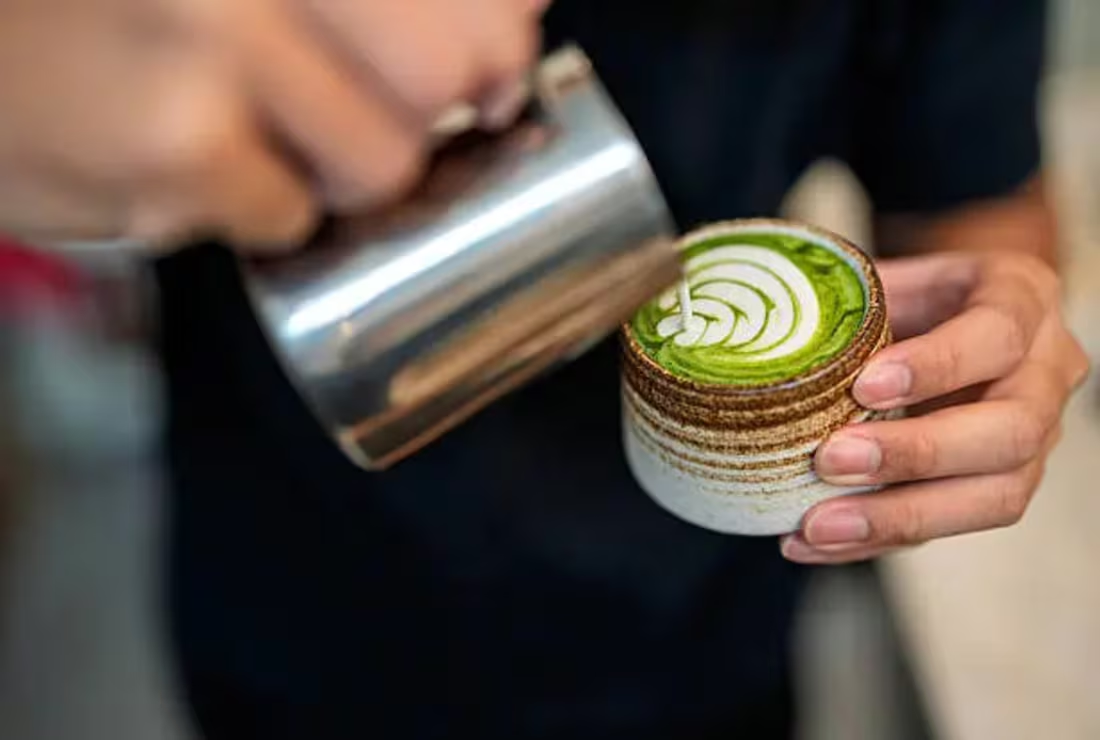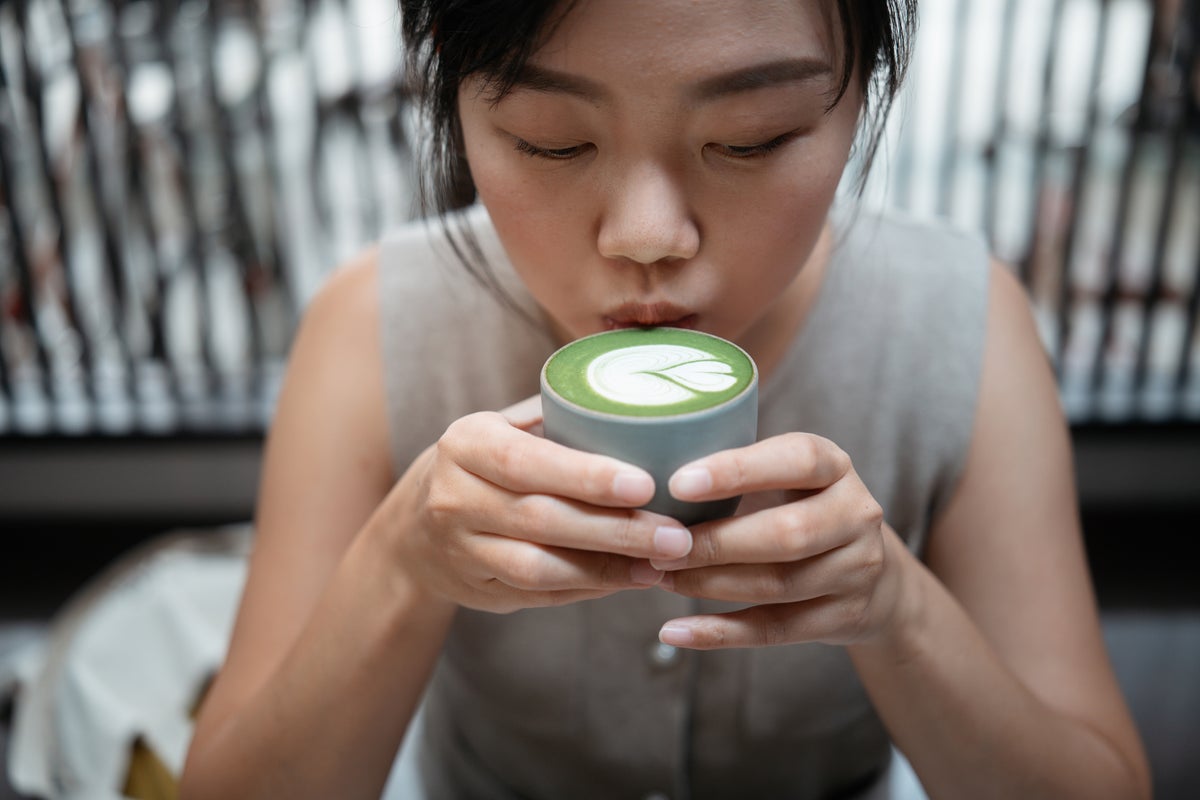
Jump to contentThank you for registeringPlease refresh the page or navigate to another page on the site to be automatically logged inPlease refresh your browser to be logged inAllNewsSportCultureLifestyleMatcha, a finely ground green tea, is rich in antioxidants and polyphenols (AFP/Getty)Matcha, a finely ground green tea, is rich in antioxidants and polyphenols, offering health benefits such as fighting oxidative stress and supporting heart health. Concerns have emerged regarding matcha's impact on iron absorption due to its high concentration of tannins, which bind to non-haem iron in the gut. According to nutritionist Sonal Jenkins and dietitian Nichola Ludlam-Raine, a daily matcha is unlikely to significantly affect iron levels for most, however vegans, vegetarians, and individuals with low iron or anaemia should be particularly mindful. Ms Ludlam-Raine advises spacing out matcha consumption from iron-rich meals by “at least an hour or two” to minimise its effect on iron absorption. Ms Jenkins said increasing vitamin C intake, through supplements or foods, can help boost non-haem iron absorption.In fullCould matcha be slowing down how your body absorbs iron?More bulletinsThank you for registeringPlease refresh the page or navigate to another page on the site to be automatically logged inPlease refresh your browser to be logged in
What we know about the potential link between matcha and iron deficiency
Jump to contentThank you for registeringPlease refresh the page or navigate to another page on the site to be automatically logged inPlease refresh your browser to be logged inAllNewsSportCultureLifestyleMatcha, a finely ground green tea, is rich in antioxidants and polyphenols (AFP/Getty)Matcha, a finely ground green tea, is rich in antioxidants and polyphenols, offering health benefits such as fighting oxidative stress and supporting heart health. Concerns have emerged regarding matcha's impact on iron absorption due to its high concentration of tannins, which bind to non-haem iron in the gut. According to nutritionist Sonal Jenkins and dietitian Nichola Ludlam-Raine, a daily matcha is unlikely to significantly affect iron levels for most, however vegans, vegetarians, and individuals with low iron or anaemia should be particularly mindful. Ms Ludlam-Raine advises spacing out matcha consumption from iron-rich meals by “at least an hour or two” to minimise its effect on iron absorption. Ms Jenkins said increasing vitamin C intake, through supplements or foods, can help boost non-haem iron absorption.In fullCould matcha be slowing down how your body absorbs iron?More bulletinsThank you for registeringPlease refresh the page or navigate to another page on the site to be automatically logged inPlease refresh your browser to be logged in