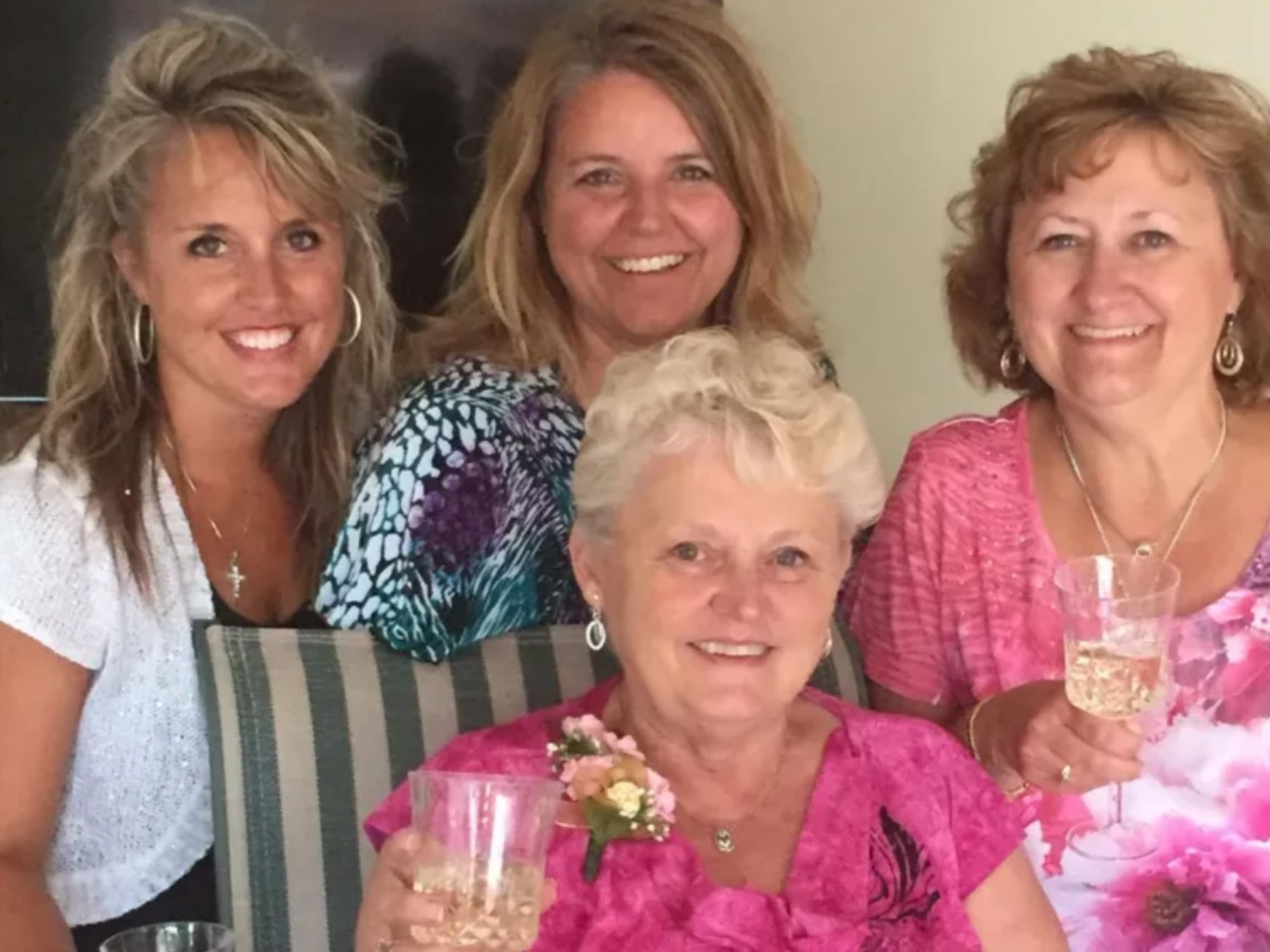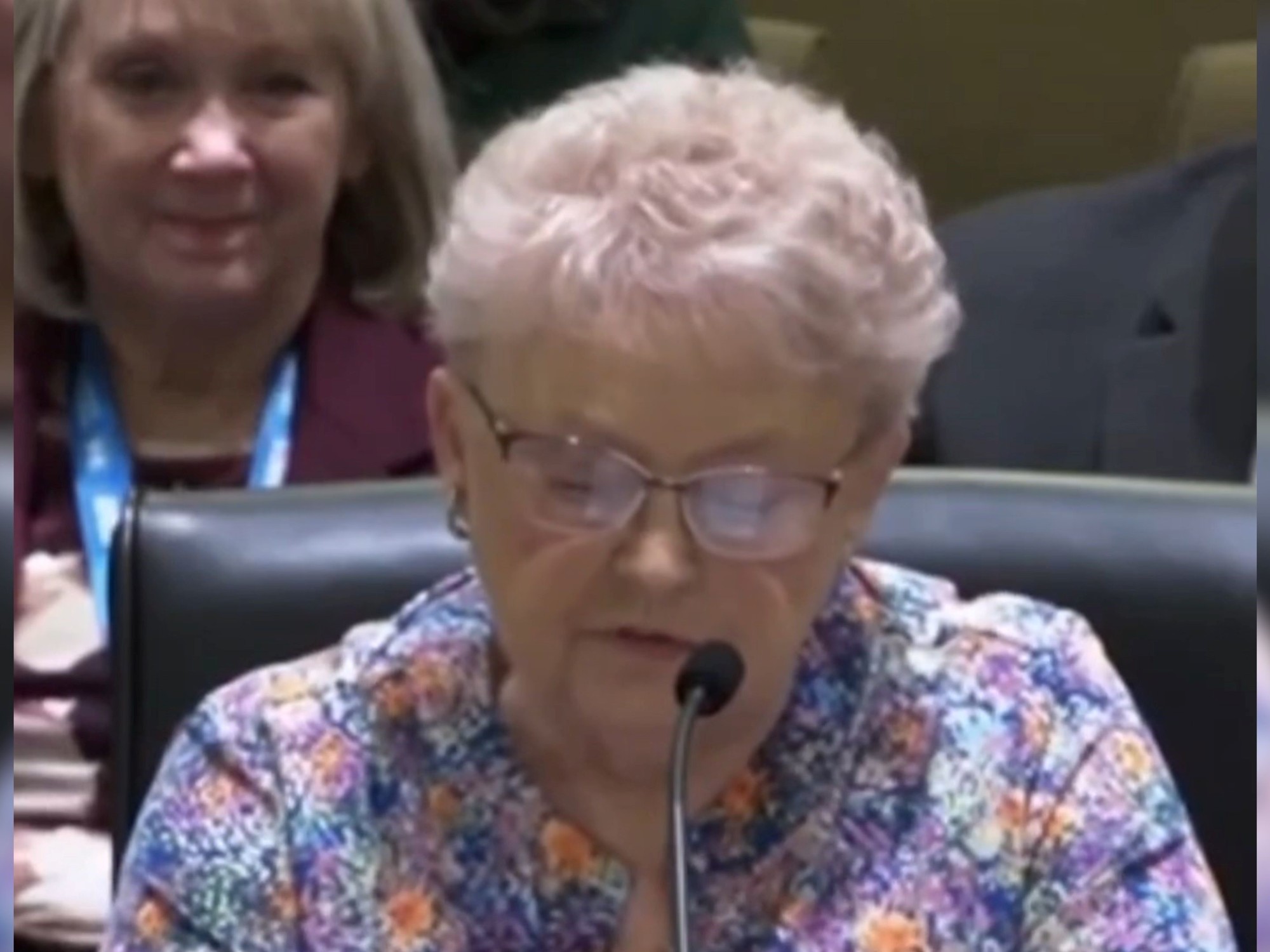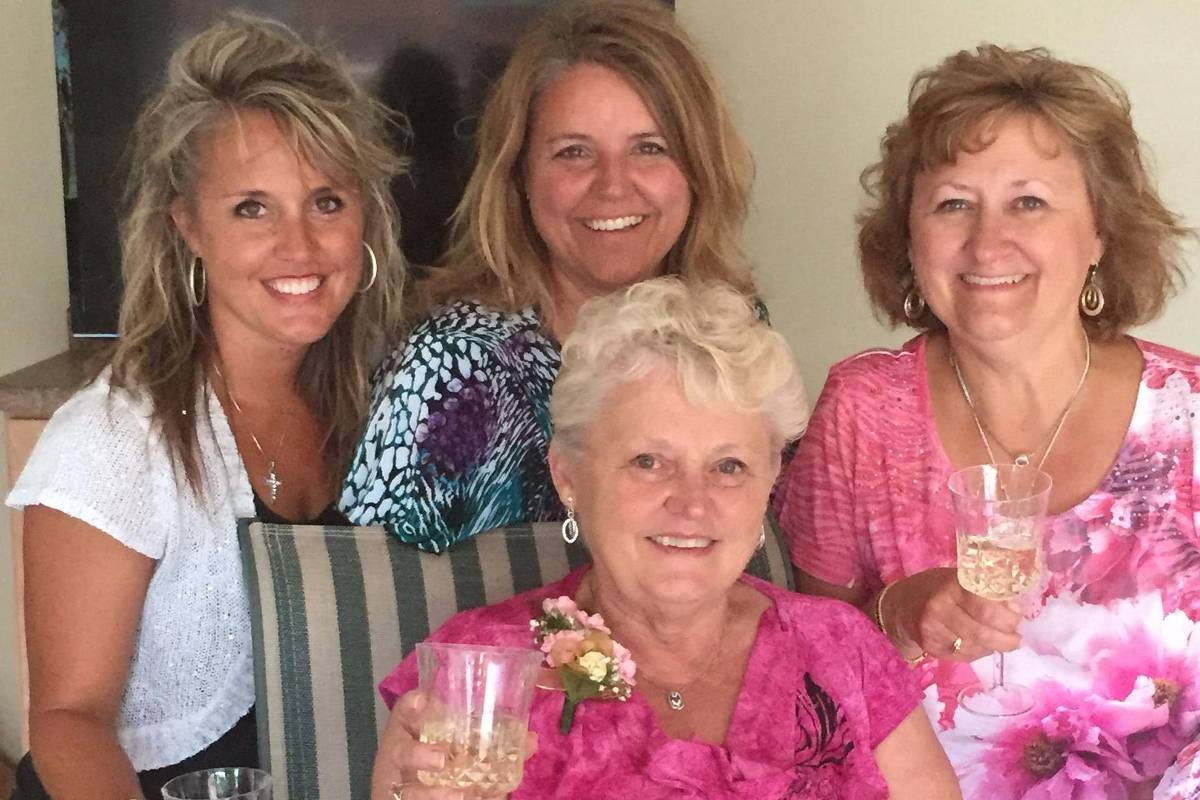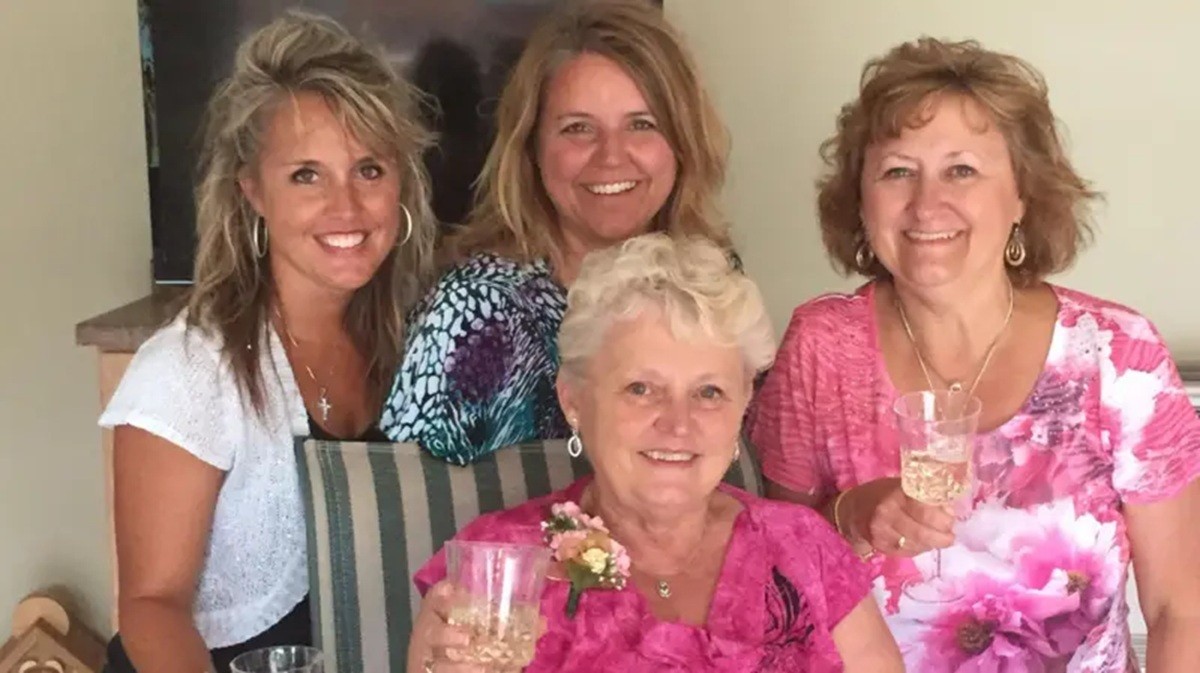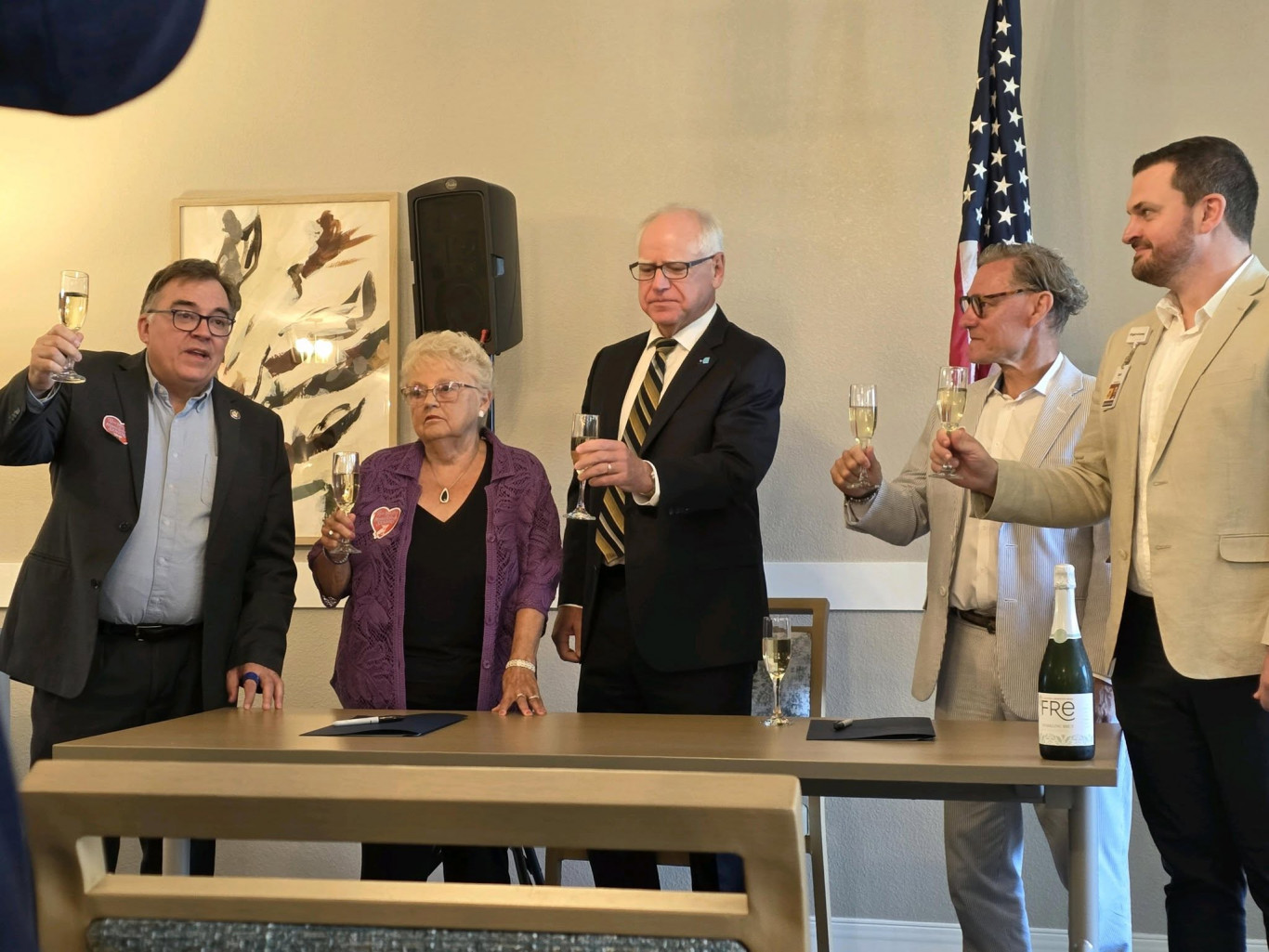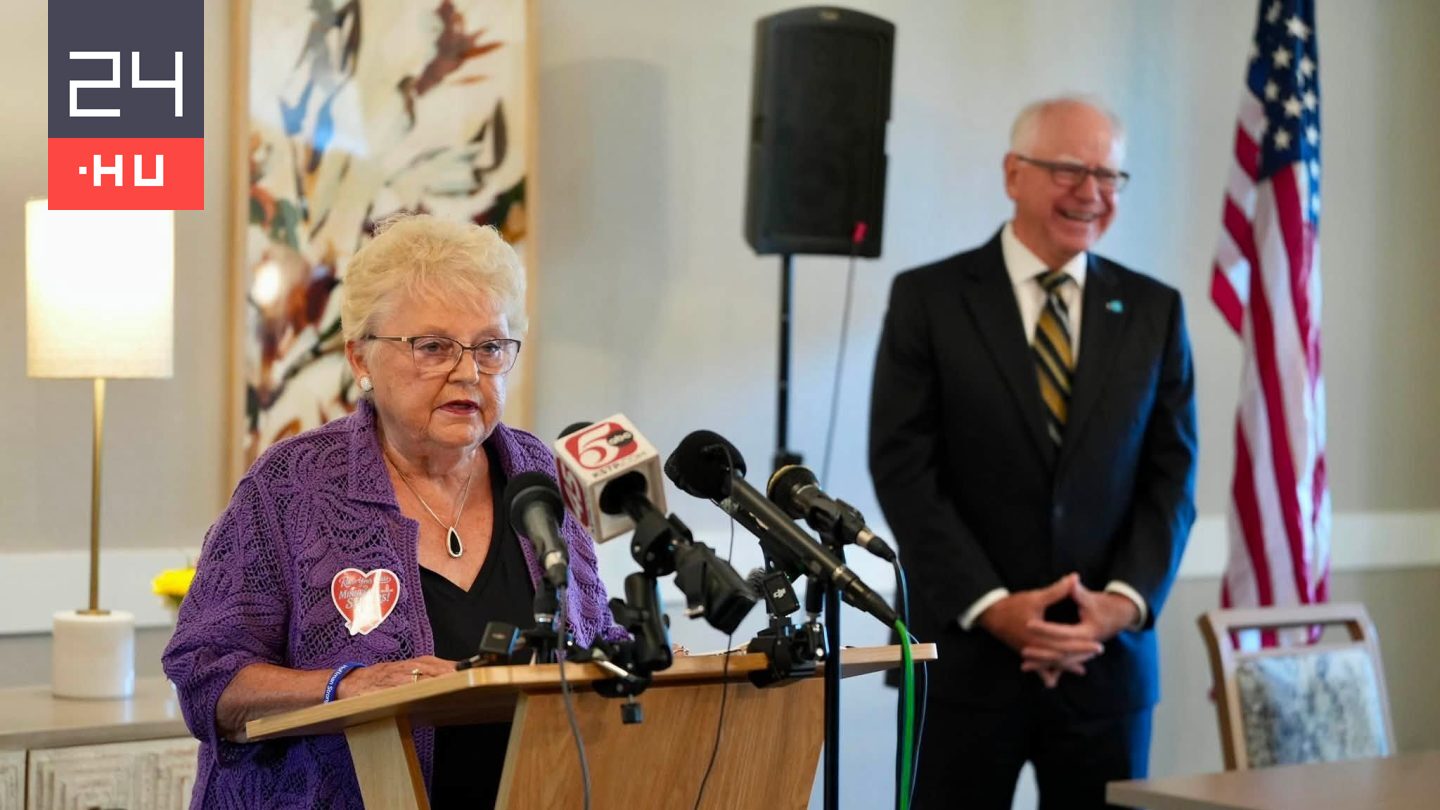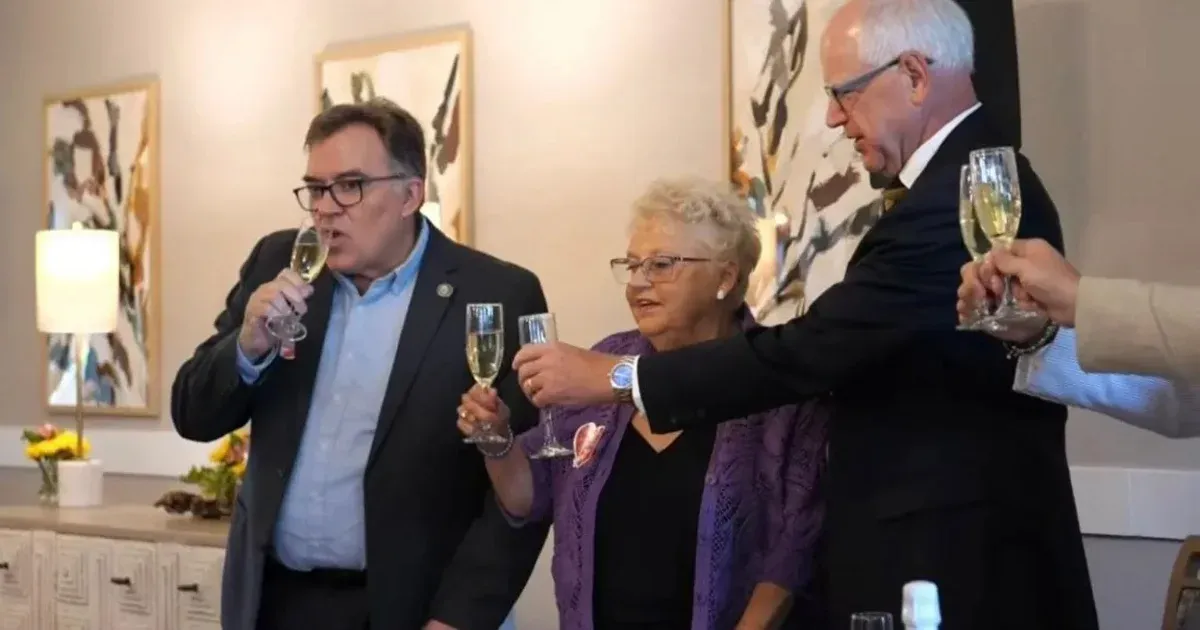
AI REPRESENTATION: LeBrun, then 82, believed the restriction treated older adults differently from other Minnesotans | ChatGPTWhen Anita LeBrun moved into an assisted living community in Minnesota, one of the weekly highlights for many residents was a modest happy hour where neighbours gathered over a glass of wine or beer, chatted with friends and marked the end of the week. Then the drinks stopped. A state law prohibited assisted living facilities from serving alcohol unless they obtained an expensive liquor licence, forcing many homes to cancel the social tradition altogether. LeBrun, then 82, believed the restriction treated older adults differently from other Minnesotans. Instead of accepting the decision, she contacted lawmakers and began a campaign that would eventually change state law. According to the BBC, her efforts led to bipartisan legislation allowing licensed assisted living facilities to once again serve complimentary alcoholic beverages to residents during organised social events, restoring a tradition many considered an important part of community life. AI REPRESENTATION: LeBrun, then 82, believed the restriction treated older adults differently from other Minnesotans | ChatGPTA simple question sparked a change in state lawLeBrun’s campaign began with what she considered a straightforward question: why should older adults living in assisted care lose the freedom to enjoy a drink with friends simply because they had moved into a licensed care facility? Minnesota law allowed residents to possess and consume their own alcohol, but facilities themselves could not provide beer or wine without obtaining a liquor licence, a costly requirement that many operators considered impractical. As a result, longstanding social gatherings disappeared from calendars across the state. LeBrun shared her concerns with Minnesota Representative Ginny Klevorn, who introduced legislation after hearing how the rule affected residents’ quality of life. The proposal received support from lawmakers in both political parties, who argued that responsible adults living in assisted care should be able to participate in the same social activities available elsewhere. According to the Minnesota House of Representatives’ Session Daily, legislators described the measure as a way to restore choice and normal social interaction for residents while maintaining existing safeguards around alcohol consumption. Lawmakers approved the change after broad bipartisan supportThe bill moved through the Minnesota Legislature with little opposition before reaching Governor Tim Walz, who signed it into law in 2025. The legislation allows assisted living facilities to serve complimentary alcoholic beverages to residents during organised social events without obtaining a traditional liquor licence, provided they meet the conditions set out in the law. Supporters stressed that the measure was never about encouraging alcohol consumption. Instead, it recognised that sharing a drink can be part of ordinary social life, particularly in communities where organised activities help reduce loneliness and strengthen friendships among residents. During the bill signing, LeBrun stood alongside lawmakers as the governor praised her determination to challenge a rule that few people had previously questioned. According to CBS Minnesota, the legislation became widely known as “Anita’s Law”, honouring the resident whose persistence brought the issue before state legislators and ultimately changed policy for assisted living communities across Minnesota. AI REPRESNTATION: Her campaign resonated because it focused on dignity rather than alcohol itself | ChatGPTOne resident’s persistence changed life for thousands of older MinnesotansLeBrun never described herself as an activist; she simply wanted residents in assisted living communities to enjoy the same freedoms they had before moving into care. Her campaign resonated because it focused on dignity rather than alcohol itself. Many older adults viewed happy hour as an opportunity to meet neighbours, celebrate birthdays, welcome new residents and maintain routines that helped preserve a sense of independence. By challenging a regulation that had gone largely unnoticed, LeBrun demonstrated how a single resident could influence state policy through persistence and civic engagement. The law now serves as an example of how seemingly small changes can reshape everyday life inside long-term care communities, restoring a tradition that many residents had missed long after the drinks themselves disappeared.
At 82, Anita LeBrun challenged a Minnesota rule blocking assisted-living happy hours and helped change state law
When Anita LeBrun moved into an assisted living community in Minnesota, one of the weekly highlights for many residents was a modest happy hour where neighbours gathered over a glass of wine or beer, chatted with friends and marked the end of the week. Then the drinks stopped.
656 words~3 min read