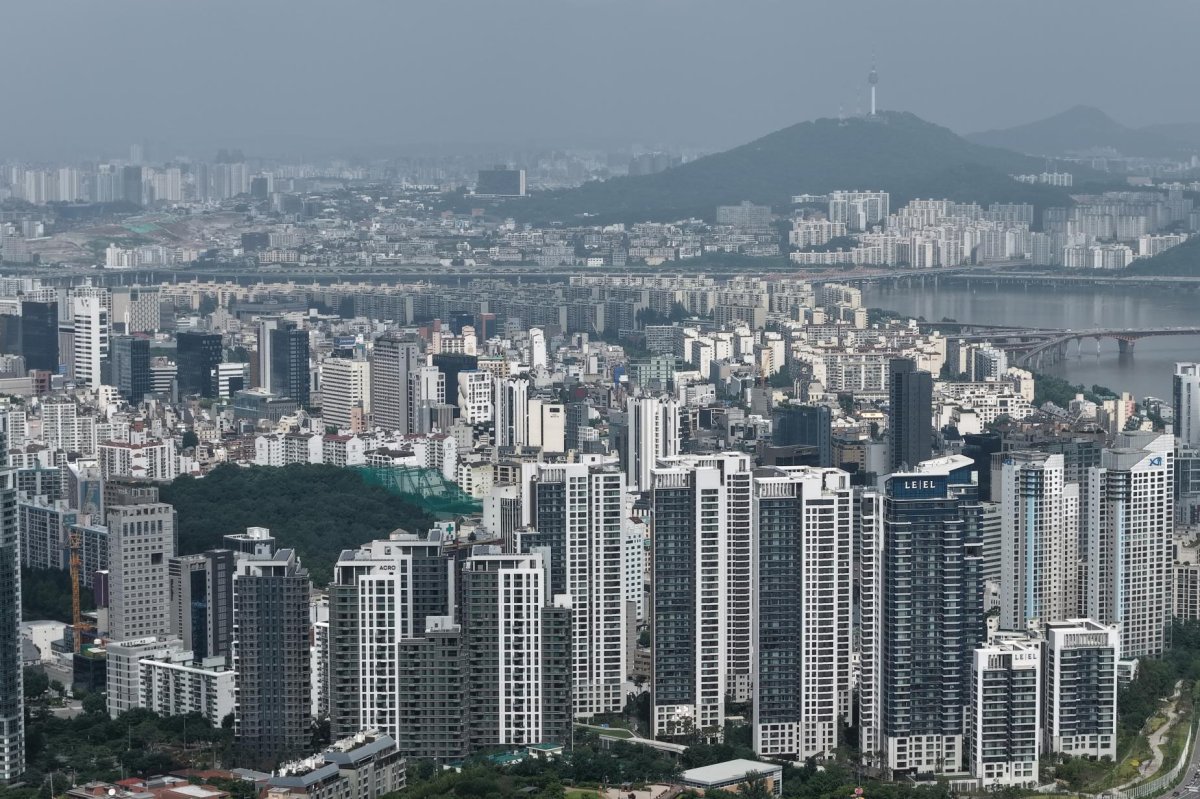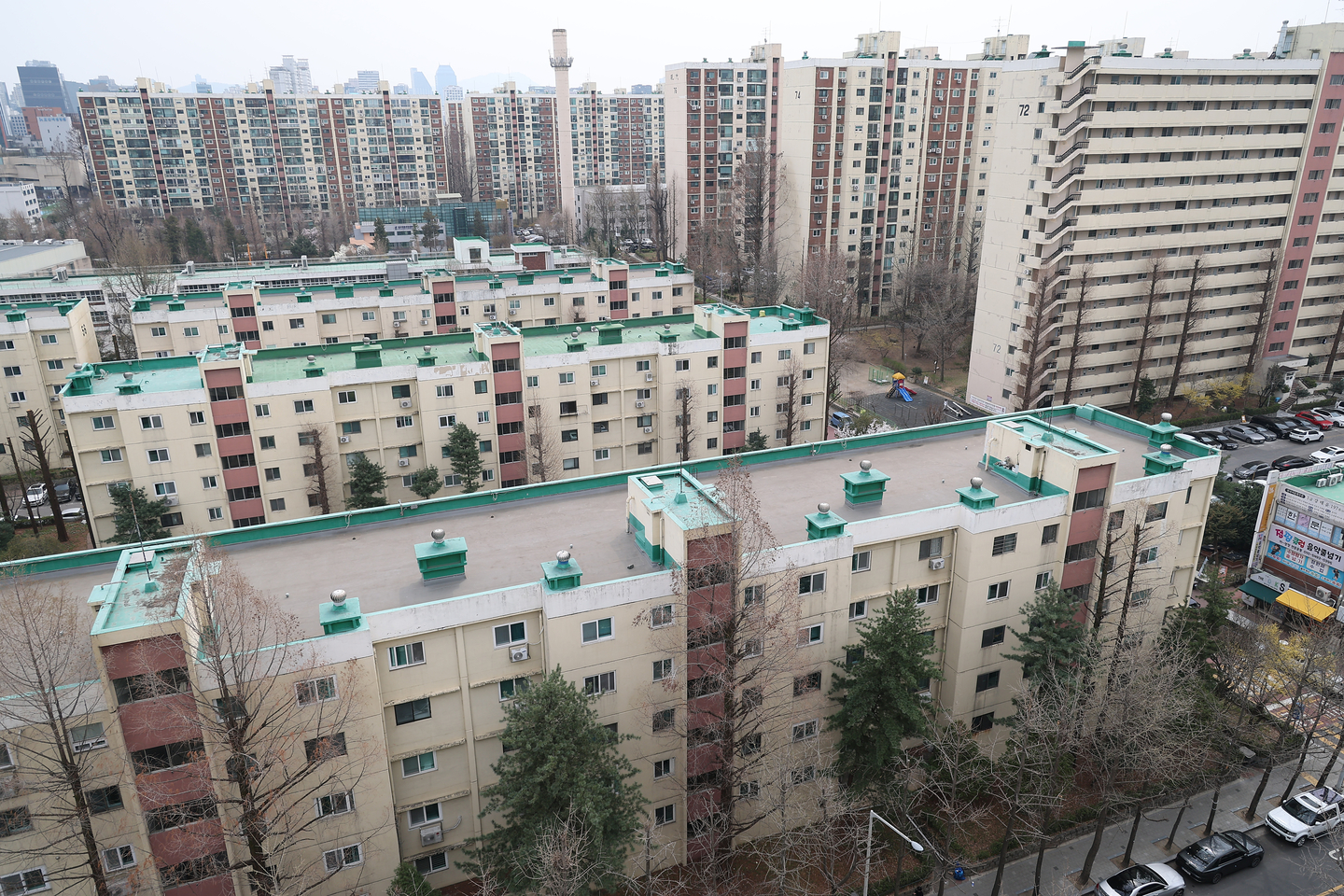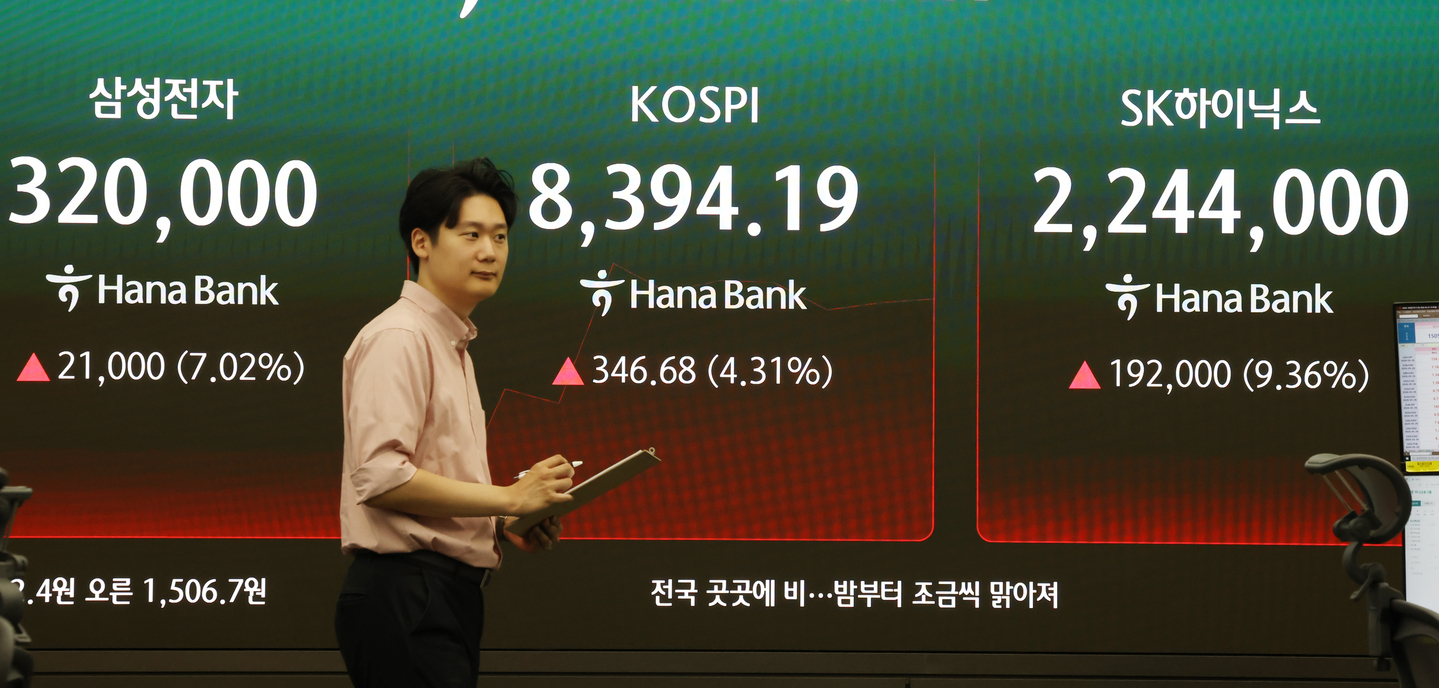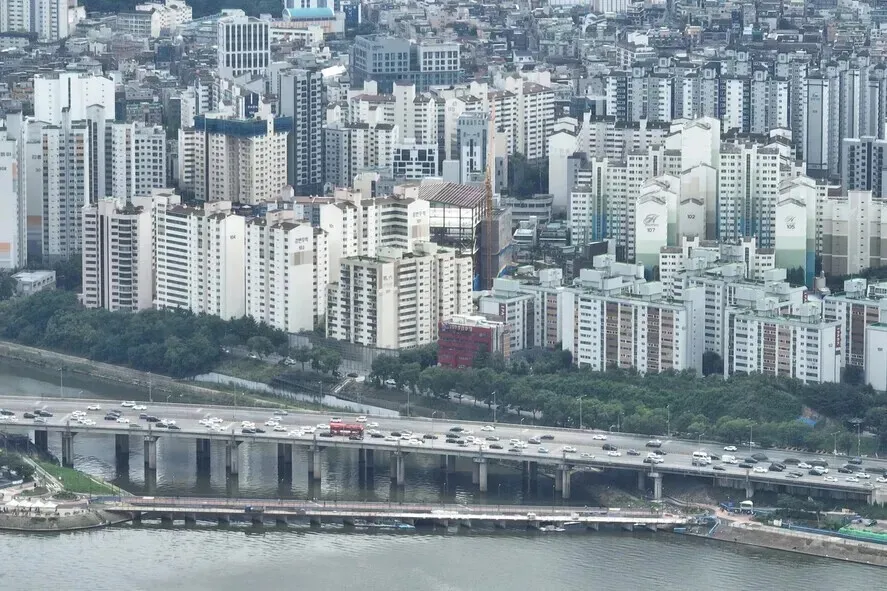
South Korea’s average per capita household net assets rose 9.1% from a year earlier to 274.7 million won in 2025, driven by gains in financial assets and higher housing prices. Based on the preliminary 2025 balance sheet released jointly by the Bank of Korea and the Ministry of Data and Statistics on Wednesday, the net worth of households and non-profit institutions serving households at the end of 2025 was 14.2 quadrillion won. This number, divided by the projected population of 51.68 million, leads to a per capita household net asset of 274.7 million won, increasing by 22.91 million won (9.1%). Using the 2025 average exchange rate of 1,422 won to the dollar, the amount translates to approximately US$193,000. At the end of 2024, the figure for Korea stood at US$185,000, making it higher than that of Japan (US$172,000) and lower than that of the US (US$514,000), Australia (US$422,000), Canada (US$297,000), Germany (US$267,000), France (US$235,000) and the UK (US$204,000). Average net assets, which were calculated by dividing the net assets of households and non-profit institutions by the estimated total of 22.39 million households, rose by 7.9% from the year before, standing at 634.3 million won. Once converted by the average exchange rate for 2025, the number stands at US$446,000. At the end of 2024, Korea’s number stood at US$431,000, making it around the same level as that of Japan (US$392,000). Once again, it was lower than that of the US, Australia, Canada, Germany, France and the UK. A breakdown of the net assets of households and non-profit institutions showed that housing accounted for 50.4% (50.9% in 2024), non-housing financial assets accounted for 23.0% (23.7% in 2024), cash and deposits for 18.9% (19.4% in 2024), other financial assets such as insurance and pensions for 13.3% (12.1% in 2024), and equity securities and investment funds for 11.5% (8.5%). The most notable difference can be seen in assets in equity securities and investment funds, which, driven by the bull market, increased by 525 trillion won, compared to a decrease of 14 trillion won in 2024.Korea’s total national net wealth — including households, non-profit organizations, corporations, and the government — reached 24.56 quadrillion won at the end of last year, an increase of 531 trillion won (2.2%) from a year earlier. However, the pace of growth slowed from 5.0% recorded in the previous year.The country’s real estate assets, comprising residential and non-residential buildings as well as land, totaled 17.84 quadrillion won, up 709 trillion won (4.1%) year on year. As a result, real estate accounted for 76.6% of South Korea’s non-financial assets, edging up from 76.3% a year earlierThe market value of South Korea’s housing stock rose more sharply. At the end of last year, the total market capitalization of residential properties stood at 7.71 quadrillion won, increasing by 571 trillion won (8.0%) from the previous year. That marked a faster rate of growth than the 3.9% increase recorded a year earlier.By region, Seoul had the largest housing market, with a total housing value of 2.89 quadrillion won, followed by Gyeonggi Province at 2.19 quadrillion won, Busan at 398 trillion won, and Incheon at 341 trillion won.Seoul also posted the strongest annual increase in housing values, rising 15.9%. It was followed by Gyeonggi Province with 6.3%, Sejong City with 5.0% and Ulsan with 4.0%.
Korea’s per capita household net worth rises 9% in 2025 on housing, stock market gains
A breakdown of the net assets of households and non-profit institutions showed that housing accounted for 50.4%
549 words~2 min read