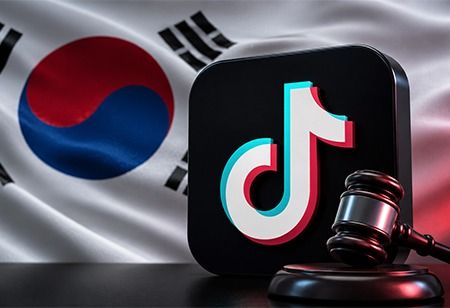
South Korea has imposed a 7 million penalty on TikTok over Ad Data Violations, marking one of the most significant enforcement actions against the platform in the region.The sanction comes after regulators found that TikTok collected and used user behavioral data for targeted advertising without obtaining proper consent.The case highlights growing scrutiny over how global tech platforms handle personal data, especially in advertising ecosystems driven by tracking technologies.Authorities concluded that TikTok failed to meet transparency requirements, raising serious concerns about compliance with South Korea’s data protection laws.Key Highlights South Korea fined TikTok USD 7 million for violating data protection rules Data of approximately 9.45 million users was collected without proper consent Information was gathered via third-party tracking tools across apps and websitesPenalty Details and Regulatory FindingsThe penalty was imposed by South Korea’s data protection authority after an investigation revealed that TikTok illegally collected user data between 2020 and 2022. The platform was found to have tracked user behavior beyond its app through third-party websites and applications, enabling targeted advertising without clearly informing users.Regulators determined that TikTok failed to disclose the extent of data collection, including how user activity was monitored and shared for advertising purposes. This lack of transparency violated the country’s strict personal data protection framework, which mandates explicit user consent for such practices. The fine of approximately 9.5 billion won (around USD 7 million) reflects both the scale of the violation and the number of affected users. Also Read: Private Credit Takes Center Stage in 35B AI Financing WaveThird-Party Tracking and Data Collection PracticesA central issue in the case was TikTok’s use of third-party tracking mechanisms. These tools allowed the company to collect user data from external digital environments, not just within its own platform.Authorities found that: User activity was tracked across multiple digital touchpoints Data was used to refine targeted advertising algorithms Users were not adequately informed about this extended trackingThis ecosystem of tracking is a key driver of digital advertising, but regulators emphasized that such practices must be clearly disclosed and consented to, which TikTok failed to ensure.Lack of Consent and TransparencyThe investigation highlighted that TikTok did not provide users with clear, accessible information about how their data was being used. Specifically: Consent mechanisms were either insufficient or unclear Privacy disclosures did not fully explain data-sharing practices Users were unaware their data was being used beyond the platformThis lack of transparency formed the basis of the Ad Data Violations, as it directly breached legal requirements for informed user consent.Implications for TikTok’s Advertising ModelThe case puts pressure on TikTok’s data-driven advertising model, which relies heavily on behavioral tracking to deliver personalized ads. Regulators are increasingly challenging such models, particularly when they involve cross-platform data collection.For TikTok, the fine signals: Heightened regulatory oversight in key Asian markets Need for stricter compliance with data protection frameworks Potential changes to how advertising data is collected and usedSouth Korea’s action against TikTok reflects a broader global trend that regulators are tightening control over how tech companies handle user data. The Ad Data Violations case not only highlights gaps in TikTok’s compliance but also reinforces the importance of transparency and consent in digital advertising.
TikTok Fined 7M Over Ad Data Violations in South Korea
Read why a penalty was imposed by South Korea’s data protection authority on TikTok
522 words~2 min read