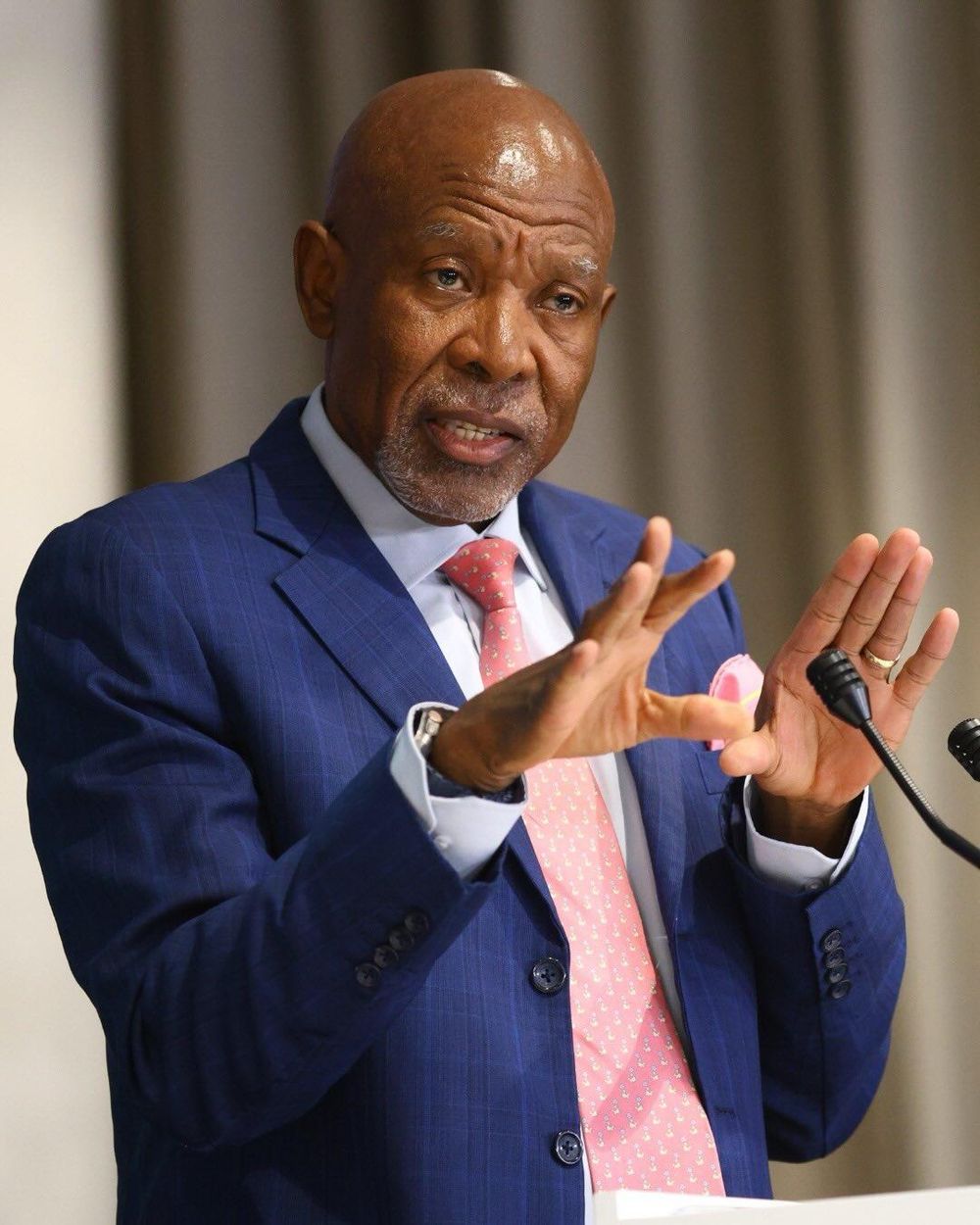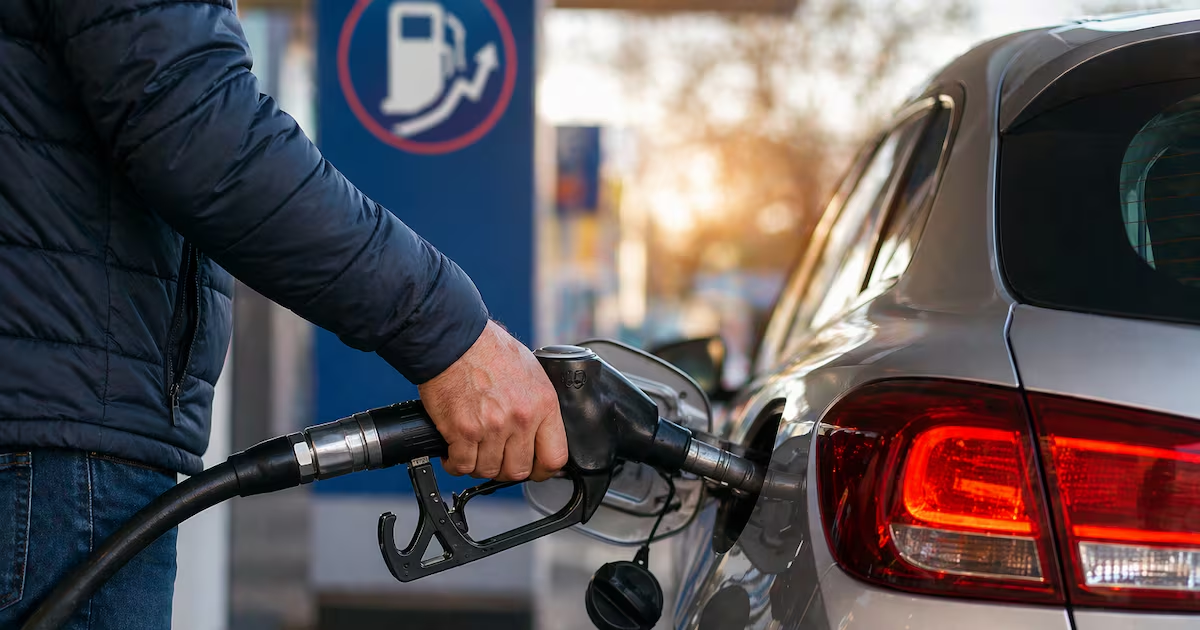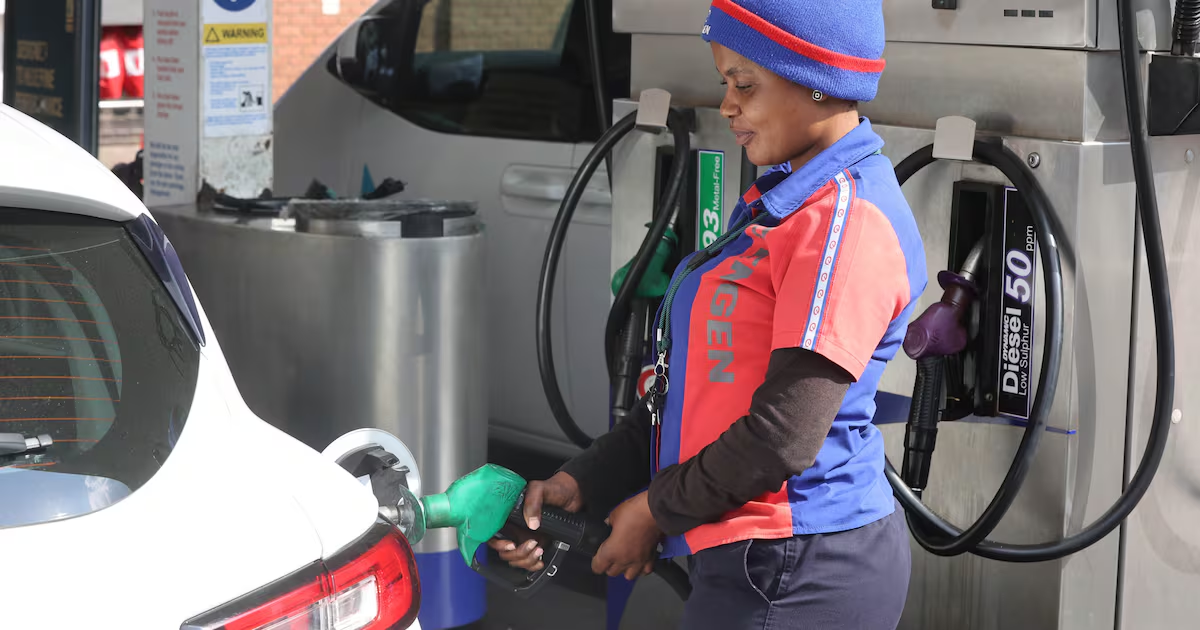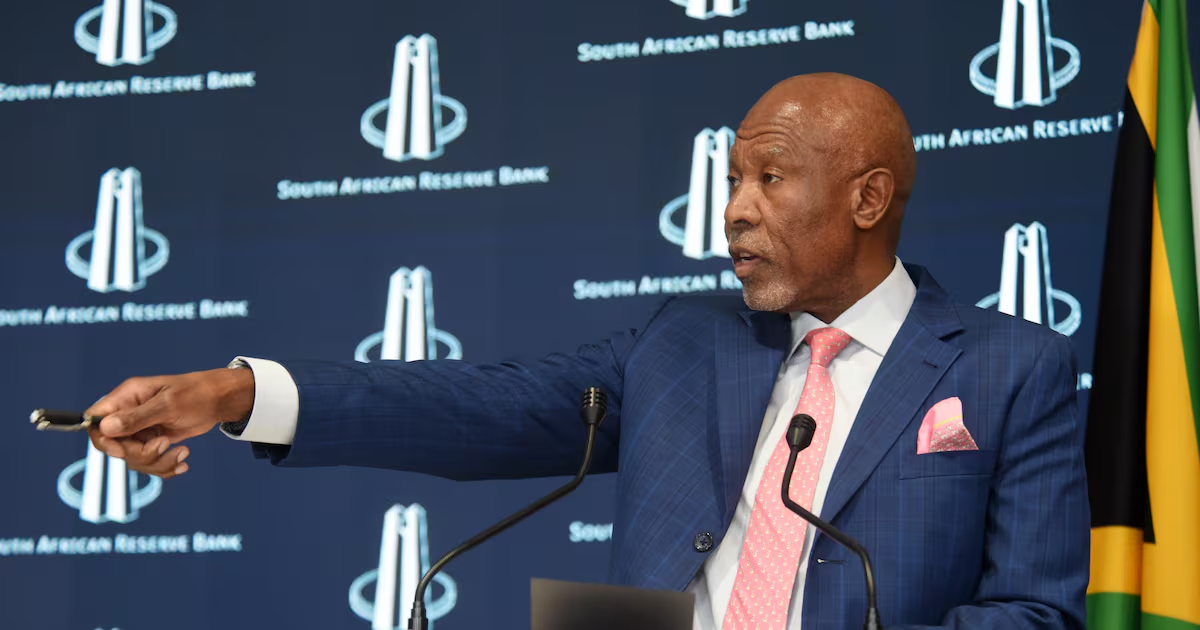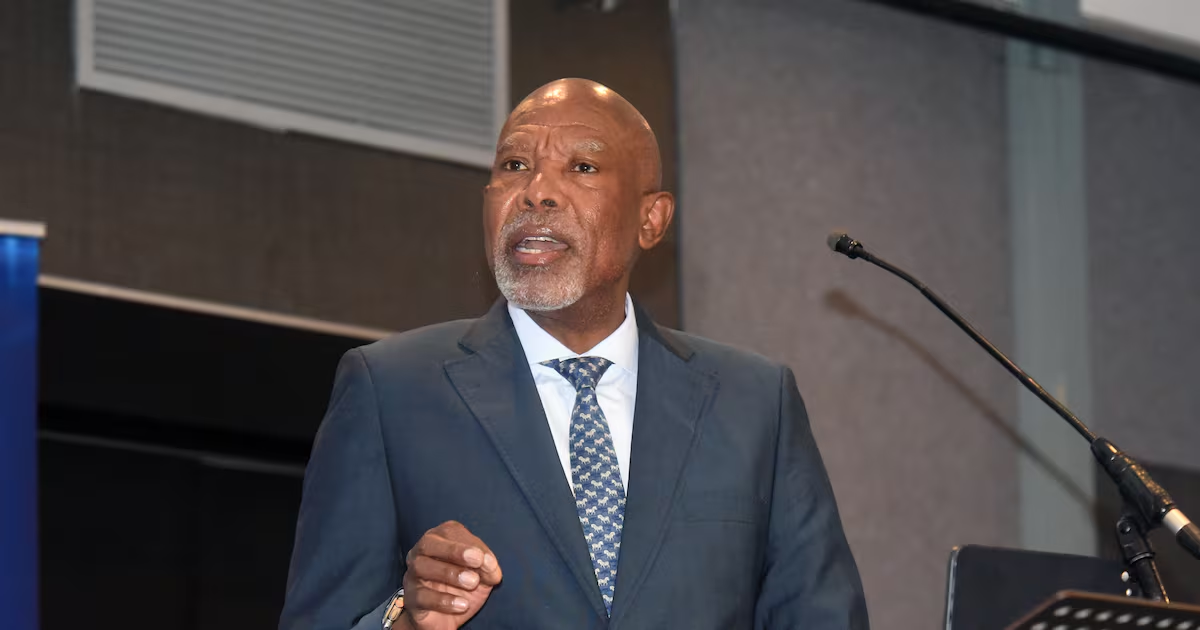
Consumer inflation soared to the highest level in two years in June, all but cementing the case for the Reserve Bank to announce the second interest rate hike of 2026 when it wraps up its monetary policy meeting on Thursday.Data published by Stats SA on Wednesday shows inflation accelerated to 5% year on year in June from 4.5% in May, the highest since the 5.1% recorded in June 2024. The latest number marks the second straight month of inflation coming in above the tolerance band.The Bank’s monetary policy committee (MPC) lifted its policy rate to 7% at its May meeting after annual inflation accelerated to 4% in April from 3.1% a month earlier. The jump to the top end of the Bank’s 2% to 4% tolerance band of its 3% target was driven mainly by higher fuel prices as the US-Iran war strangled global oil supply. The main contributor to Wednesday’s reading was transport, which came in at 12.7% and accounted for 1.7 percentage points of the increase. Annual inflation for housing and utilities, and insurance and financial services was significantly higher.On a monthly basis, prices rose 0.7% in June compared with May.The Bank has signalled it will not wait for the second-round effects of the oil price shock to emerge before acting to ensure high inflation expectations do not become entrenched.“Inflation can be persistently higher after a shock has passed if people start believing higher inflation is normal,” governor Lesetja Kganyago told the annual Bureau for Economic Research conference last month.“Monetary policy operates with lags, so if you wait for complete proof of second-round effects you are probably too late.”Oil prices extended gains to trade near six-week highs on Wednesday as fears of further supply disruptions intensified. US forces struck Iranian military targets for the 11th straight night, Reuters reported.Petroleum pricesEarlier hopes that a tentative peace agreement would hold had pulled oil prices lower, leading to a 7.9% month-on-month decrease in domestic fuel prices in July, which could see inflation slowing for that month.Still, Absa economists Miyelani Maluleke and Sello Sekele expect inflation to resume an upward trend in the months after July, noting that “the recent move higher in global petroleum prices seems likely to deliver fuel price increases in early August”.“We see headline CPI inflation rising again in August to 4.8% and further to a peak of 5.3% in February 2027,” they said in a note, while acknowledging significant uncertainty regarding forecasts in the volatile global geopolitical environment.“Our baseline is for one more 25-basis-point hike at [Thursday’s] MPC meeting. However, more protracted Middle East tension … which prolongs the inflation shock of the conflict, could invite further tightening down the line.”On the upside for consumers, the June data confirmed a broad deceleration across various food products, with inflation in that sector slowing to 1.4% from 1.6% in May.“At the core of moderating consumer food price inflation are lower prices for grains, fruit, vegetables and meat, driven by ample supply,” said Wandile Sihlobo, chief economist at agricultural business chamber Agbiz. “Cereal products are in deflation as we are in yet another better grain production year.”South Africa’s summer grains and oilseeds production is forecast at a record 21.5-million tonnes, up 5% from the 2024/25 season. Similarly, fruit and vegetable prices are easing, with the country’s fruit harvest ample even after the destruction caused by inclement weather in parts of the Eastern Cape and Western Cape.“Overall, the fundamentals of agricultural supply remain solid and point to a moderation in consumer food price inflation in 2026,” Sihlobo said. “The renewed US-Iran war and risks in the Strait of Hormuz are the major risks in the near term, likely leading to an increase in fuel costs.”
Rate hike all but assured as CPI touches two-year high
Consumer inflation surges to 5%, closing the case for the Reserve Bank’s MPC to lift policy rate again
614 words~3 min read