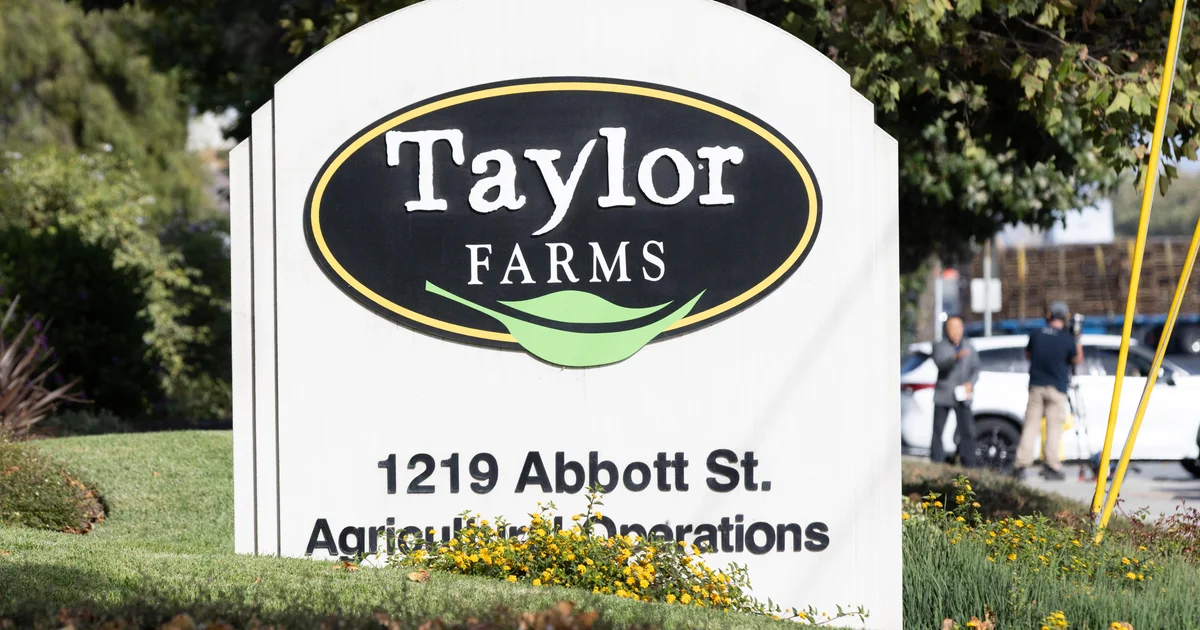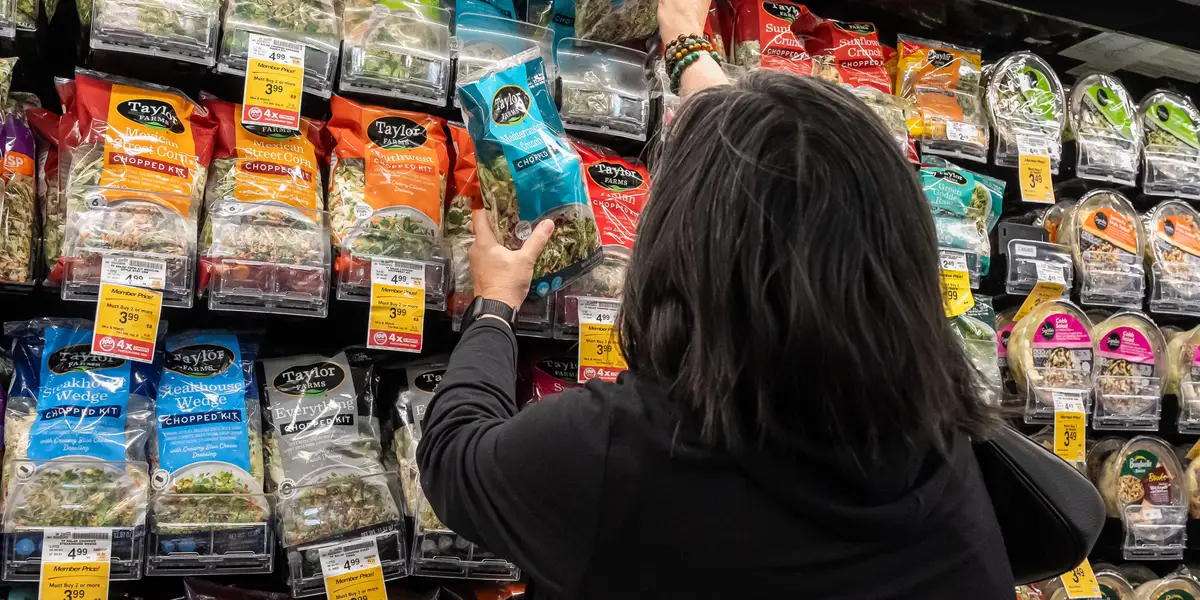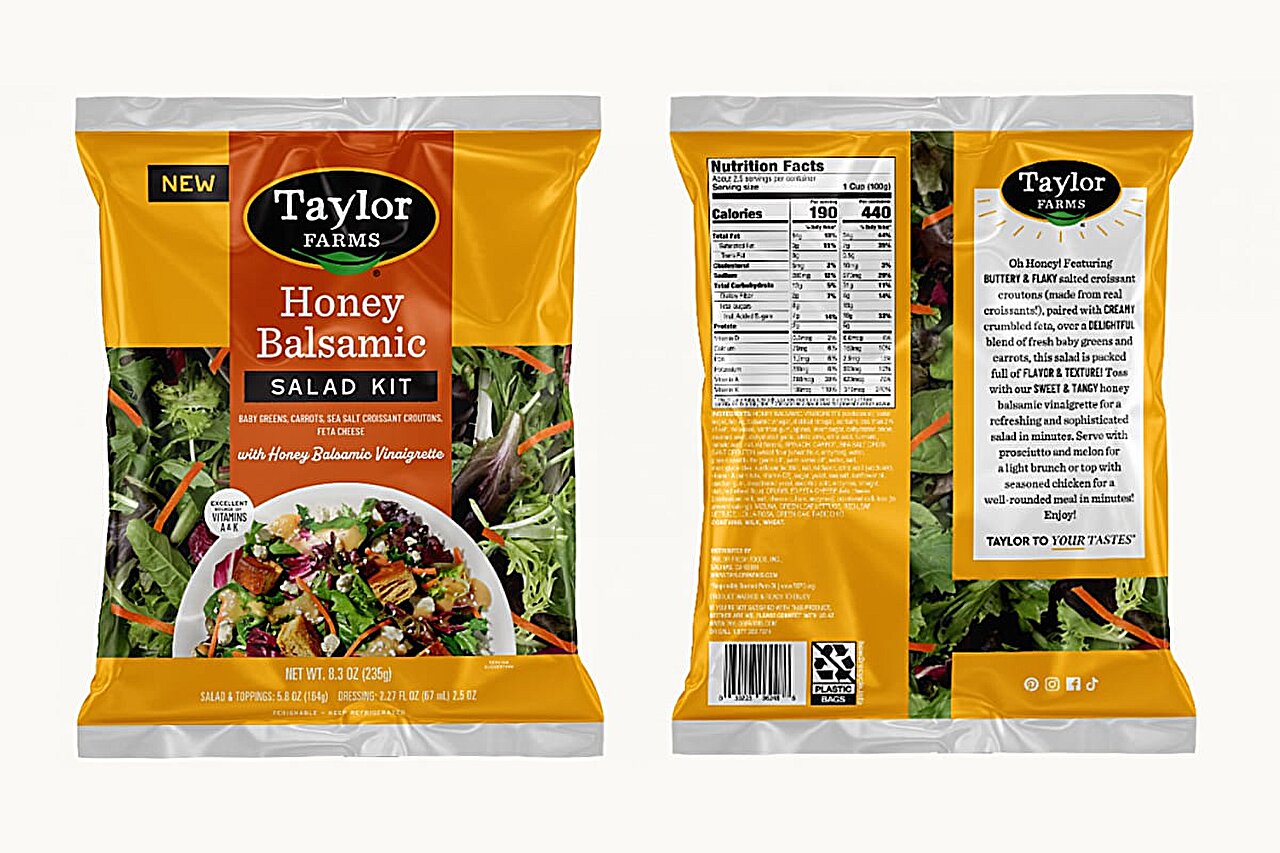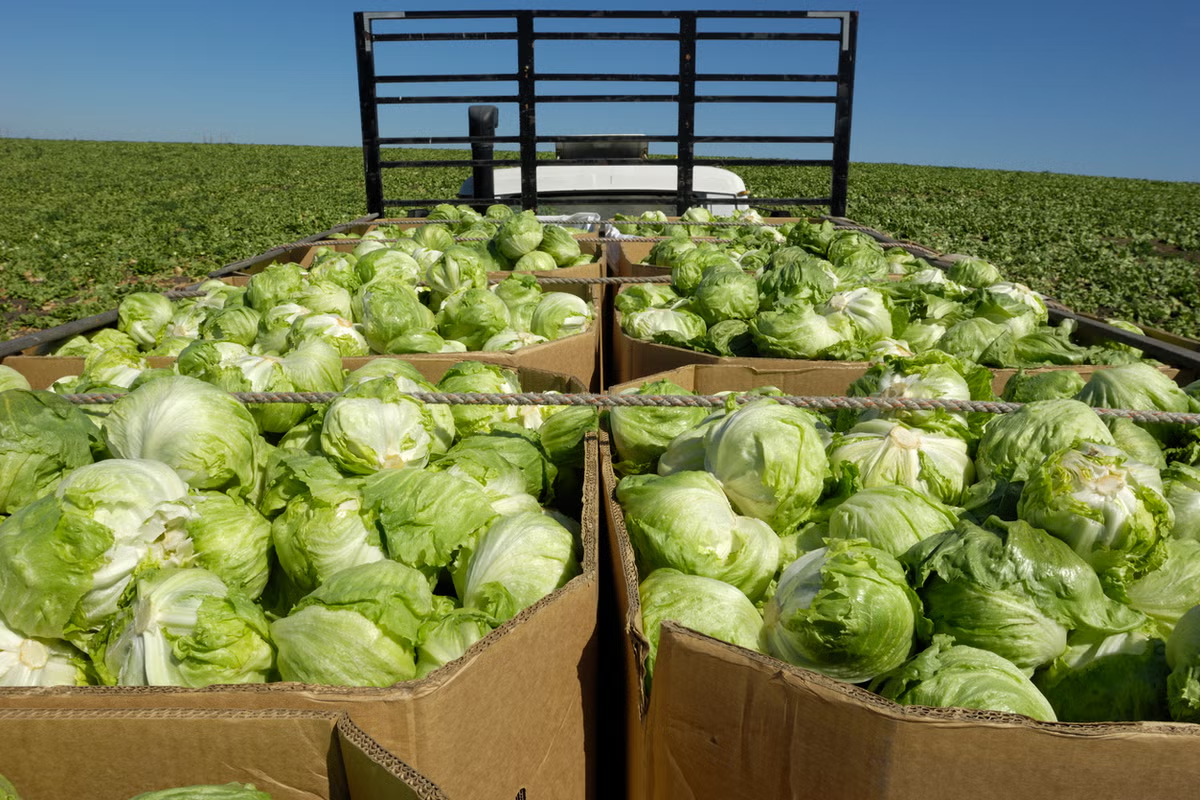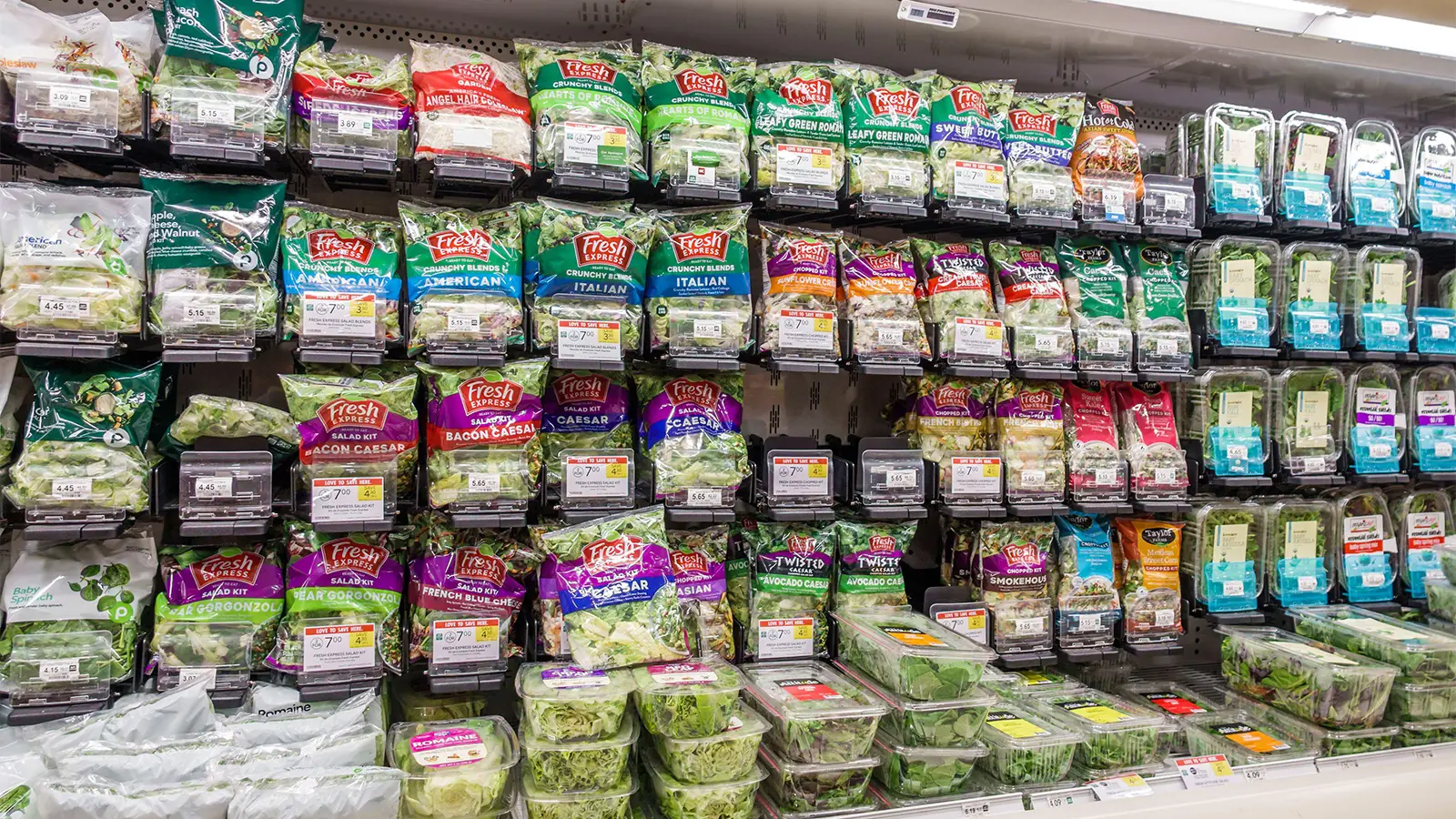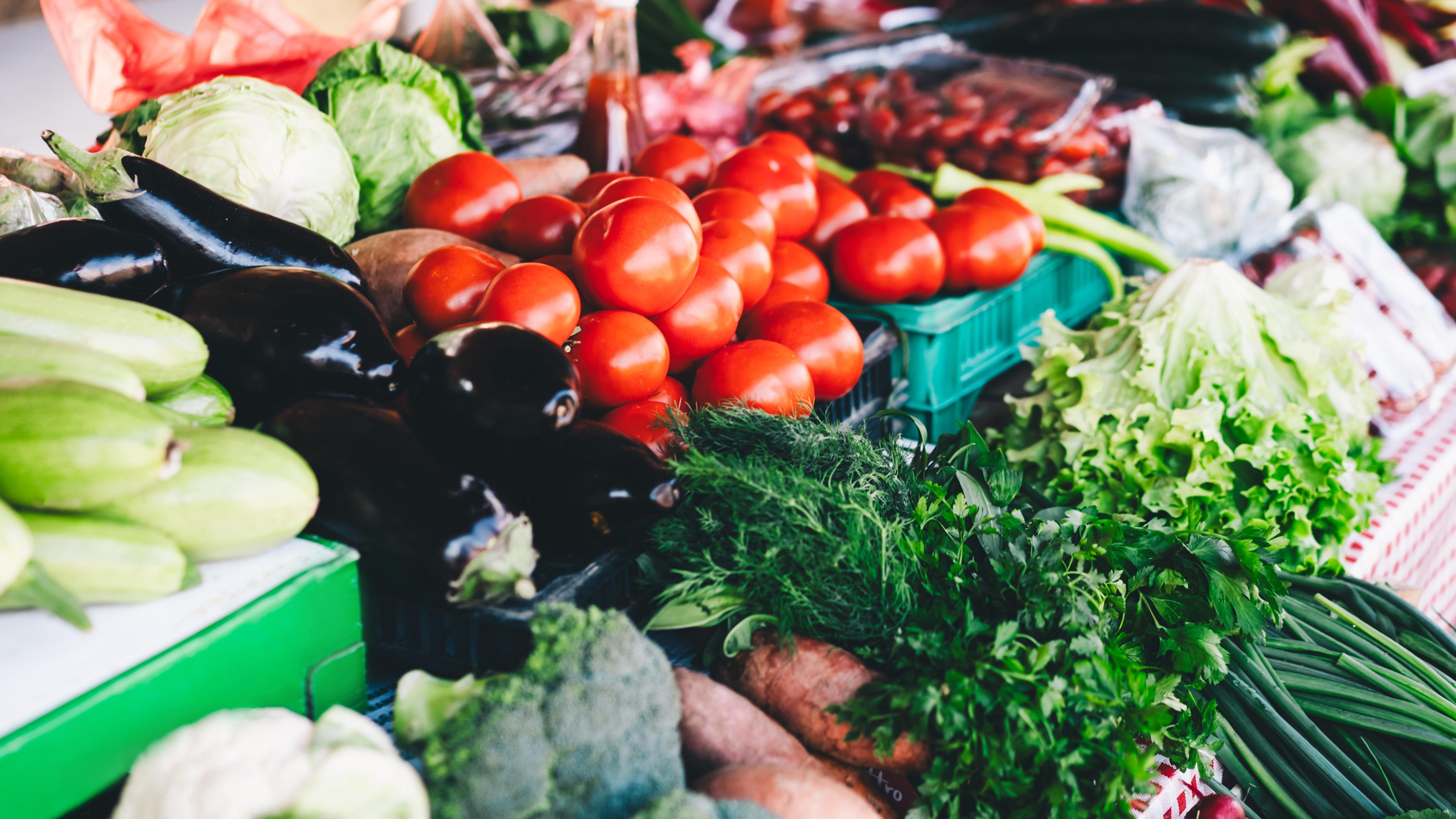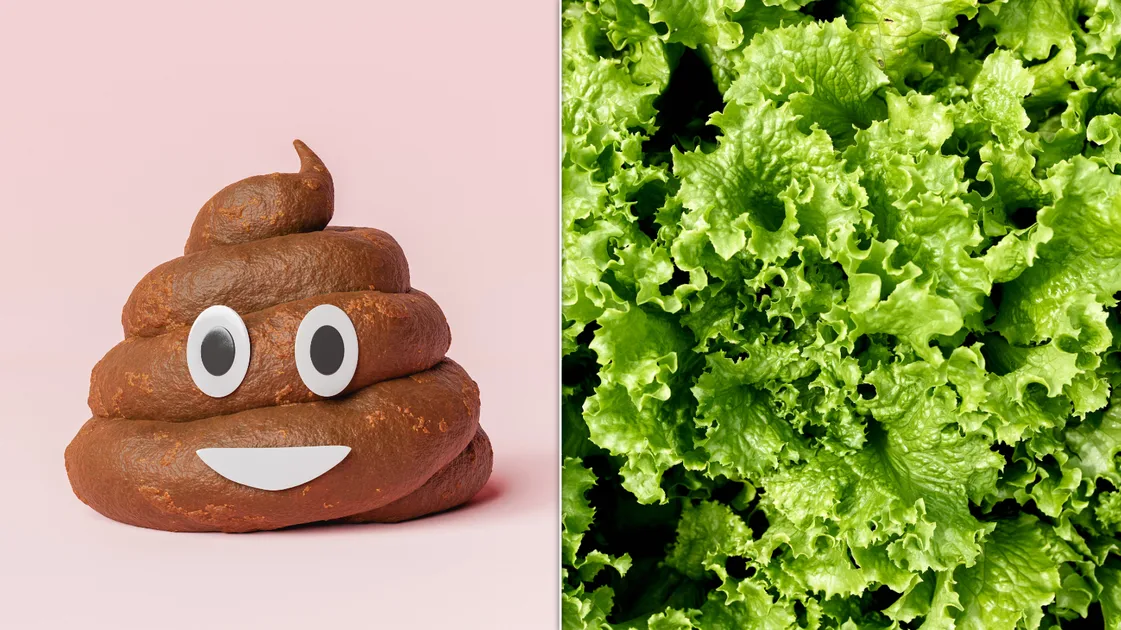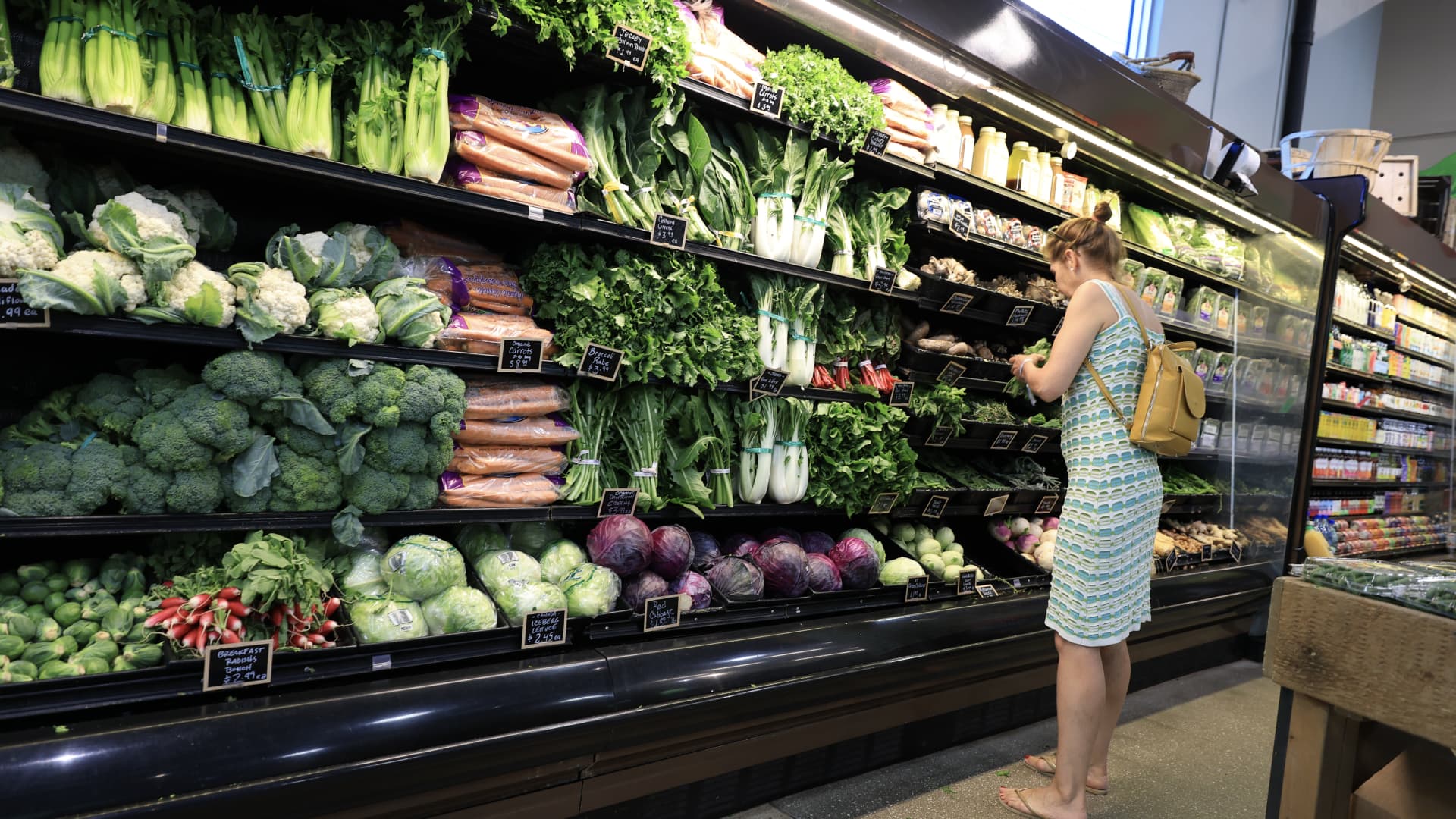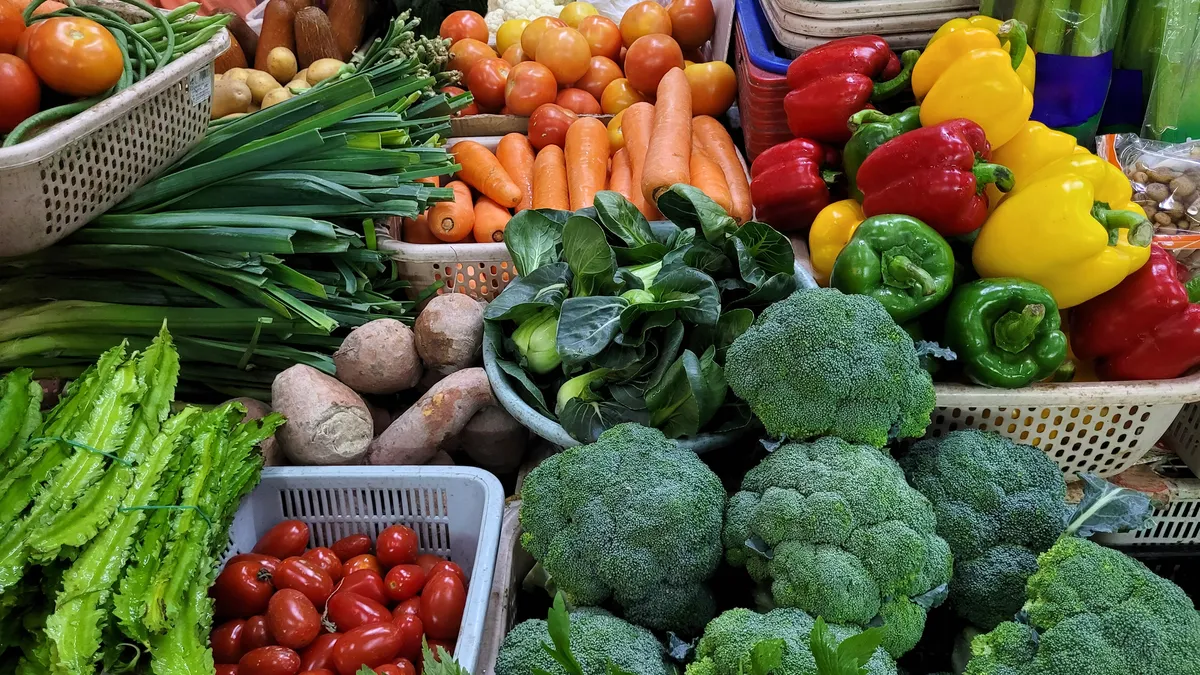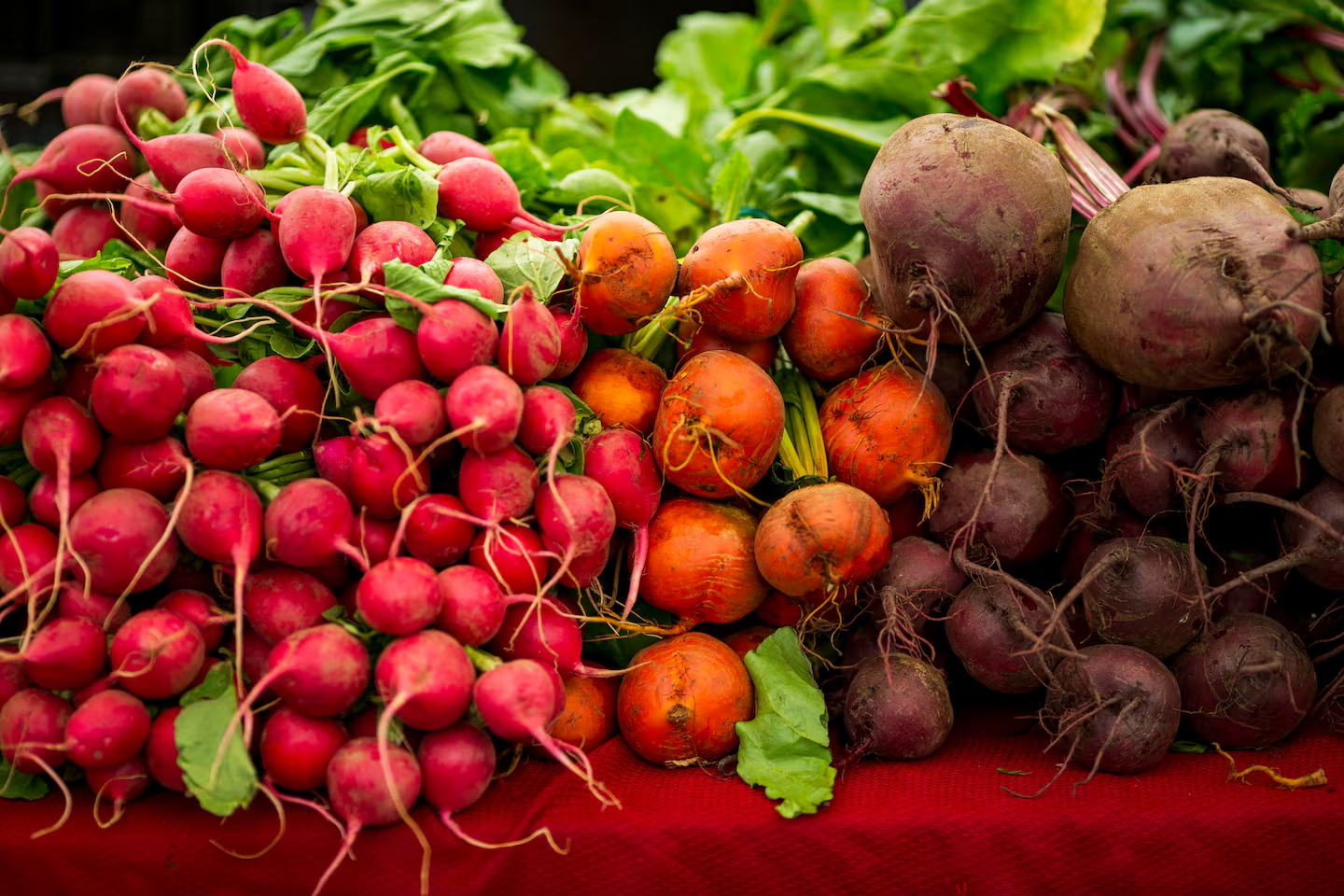
That lack of clarity is what brought Brighton residents Fiona Noonan and Julia Joyce to the Brighton Farmer’s Market last week as first-time visitors.Get Food & Dining HeadlinesThe Globe's most recent food stories, delivered to your inbox every Wednesday.Enter Email“We went to Trader Joe’s earlier, and we were like, we probably shouldn’t get any vegetables,” said Noonan. “[Julia] was like, ‘Wait, the farmers market is open today, and we’ve actually never been,’ but we came, and we were like, ‘Oh, we can get some fresh veggies, and feel a little bit better about what we’re doing.’”People shopped for fresh produce at Brighton Farmer's Market last week.Christian Kantosky for The Boston GlobeVladimir Kolodyazhnyi, also of Brighton, shopped at Rock Harvest Farm’s stand.“I want to go out and I want to buy vegetables, and I don’t want to have to worry about washing them nonstop,” he said. “I just want to be able to eat a raw cucumber, and now it’s like you kind of have to question and ask yourself, ‘where are these coming from?’ I’m more comfortable here, buying them here at the market.”As of this week, the Centers for Disease Control and Prevention reports that 1,645 cases are on record through a now-voluntary reporting system. Here in Massachusetts, the Department of Public Health said the 18 reported cases as of July 1 is normal for this time of year. A spokesperson for DPH said that because of the parasite’s latency period, it anticipates additional cases, with an update due Aug. 1.Outbreaks of cyclospora are typical at this time of year, when most people eat more fruits and vegetables, but this year the parasite might be harder to track because the Trump administration ceased active monitoring for cyclospora contamination last summer. Several farmers market shoppers in Brighton last week said that the cyclospora outbreak was on their minds. Christian Kantosky for The Boston GlobeTaylor Farms, the large-scale produce supplier named in the investigation, announced a recall of its Mexican-grown lettuce. But the issue was complicated by an initial false-positive test result, which the FDA announced Sunday. The agency’s investigation and the recall are ongoing.That’s part of why longtime Brighton market shopper Machiah Gill stood in line at the stand for Groton-based Spiczka Farm. “I really trust my farmers to take care and to have a little bit more of a hands-on — in the proper way — management of their food supply system and of their agricultural ecosystem, so I’m hoping that through this, I can still get the nutrition that I need without being worried about all this additional stuff being in my food,” she said.Shoppers looked through a tub of spinach leaves at Brighton Farmer's Market.Christian Kantosky for The Boston GlobeSo, is it safer to shop at a farmers market? “There are many features of local agriculture that are less susceptible to the spread of these kinds of diseases,” said Sebastian Lourido, an associate professor of biology who studies parasites and is a member of MIT’s Whitehead Institute. Cyclospora outbreaks, traced to the consumption of fresh produce and spread via fecal-oral transmission, have been documented for decades in this country, he said. Signs of infection might not show up for days or even weeks as its oocysts (one of the single-celled organism’s reproductive stages) mature in their human host, releasing newly infectious parasites. Large-scale, industrially produced food often comes linked with higher-risk factors, he said. Examples include poor working conditions, including a lack of sanitary bathrooms, and monocultures grown in large quantities that, when treated with contaminated water, can all contribute to outbreaks. (Taylor Farms has a history of safety recalls and labor violations.)Green beans at Brighton Farmer's Market last week.Christian Kantosky for The Boston GlobeLocal farms are also likely to have greater awareness about water quality used for irrigation and often grow a more diverse range of crops less likely to be contaminated by a single water source. “I count myself as one of the shocked individuals whenever we explore these foodborne outbreaks, how revealing it is about the procurement of produce in America,” said Lourido.He also noted that outbreaks illuminate how elements of supply chains touch (quite literally) massive deliveries of lettuce or parsley consumed nationally, often originating from a single source. “I do think that kind of industrial agriculture, which of course also has its place in feeding large populations and in controlling the cost of prices for food, nevertheless exposes us to these sorts of global risks as a population. Because all of a sudden, you have millions of heads of lettuce that have followed the same trajectory that might have been compromised if care was not taken in the farming practices,” he said.Ryan Taylor sorted corn husks at Brighton Farmer's Market.Christian Kantosky for The Boston GlobeThe CDC has suggested that some produce is more vulnerable to cyclospora contamination, including lettuce and berries. To understand why, consider how the surface texture of some plants makes them difficult to peel or wash thoroughly. And in cases of substandard sanitation, Lourido added, that food grown closer to the ground is more likely to pick up parasites from pollutants in the water and soil.“Most people refer to lettuce as the toilet paper of food, just because it’s got a huge surface area, and it can accumulate a lot of things,” said Manish Sagar, professor of Medicine and Virology, Immunology, & Microbiology at Boston University, and an infectious disease physician at Boston Medical Center. Sagar said he has not yet seen a confirmed case of cyclosporiasis in his clinic this year. But food distributed through global networks can be harder to control for contamination, he said.Different root vegetables at Brighton Farmer's Market.Christian Kantosky for The Boston GlobeMark Leighton, who runs the 30-acre Rock Harvest Farm in New Braintree with his wife and farm founder, Laura, said that the farm’s small scale and what Leighton described as safe working conditions lower the risk of contamination.He added that the farm’s terrain helps prevent cross-contamination. The fields are bordered by hills and valleys, which helps physically protect crops from the spread of potential contaminants, such as a water source. “Somebody else’s questionable practices would be unlikely to be able to influence any of our production,” he said. Produce recalls and contamination alerts come and go, but among customers, Leighton said, the story of cyclosporiasis — and its alarming trademark symptom — seems to be resonating more loudly. “There’s one specific phrase, and it makes it a story,” he said. “Those two words catch your ear, and then you’re like, I gotta do what I have to do to avoid that.”
As cyclospora fears grow, consumers and experts look at whether local produce is safer - The Boston Globe
Many consumers and experts consider the outbreak just one more good reason to shop local.
1,099 words~5 min read