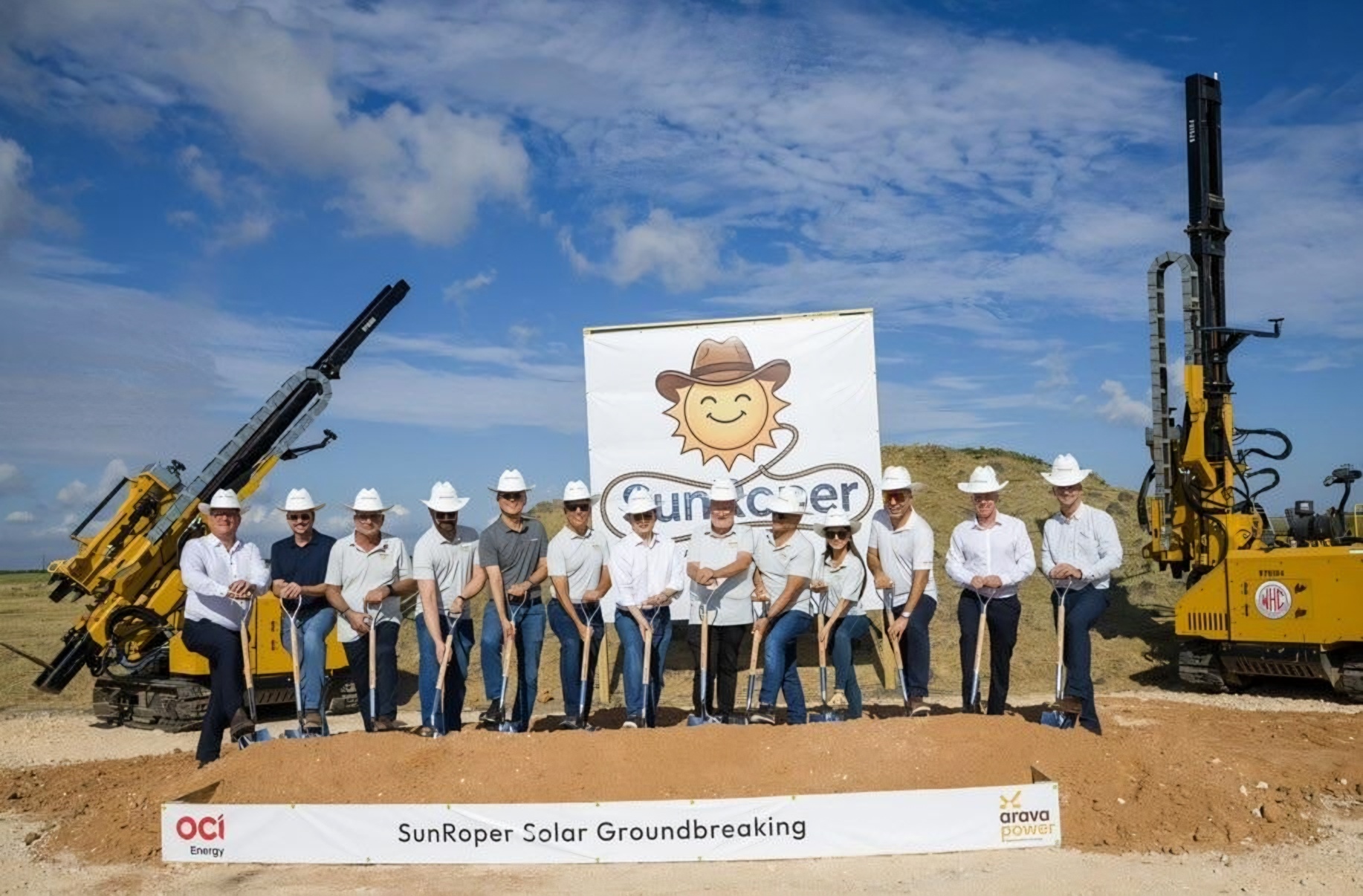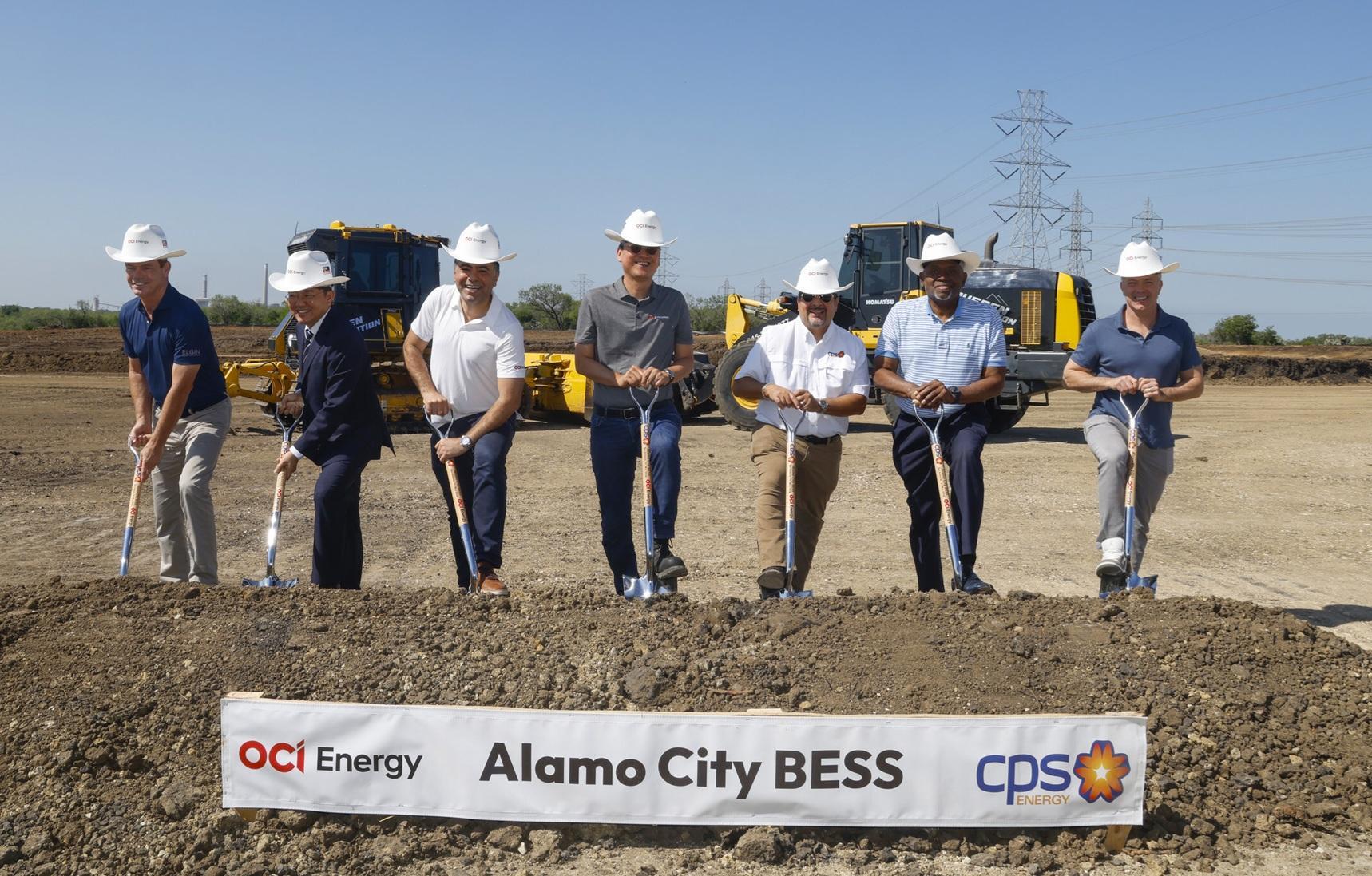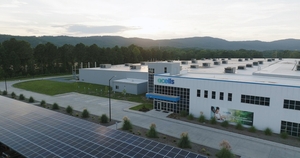
(OCI Holdings) OCI Holdings returned to solid profitability in the second quarter, driven by strong earnings from its US solar business, as the company accelerated efforts to strengthen its US-focused supply chain and expand capacity to meet growing artificial intelligence-driven power demand.The company said Thursday it posted 1.23 trillion won ($838 million) in revenue, 108 billion won in operating profit and 60.6 billion won in net profit for the April-June period, extending profitability for a third consecutive quarter.A year earlier, OCI Holdings reported 776.2 billion won in revenue, an 80.3 billion won operating loss and an 82.4 billion won net loss.The turnaround was largely driven by the successful monetization of La Salle, a 500-megawatt solar power project developed by OCI Energy, a subsidiary of US solar holding company OCI Enterprises.The company is also restructuring its solar supply chain to address ongoing US policy uncertainty by establishing a non-prohibited foreign entity, or non-PFE, supply chain linking its operations in Malaysia with NeoSilicon Technologies, a wafer manufacturer in Vietnam.Meanwhile, OCI TerraSus, the group's Malaysia-based polysilicon subsidiary, narrowed operating losses in the second quarter as production normalized following scheduled maintenance at its solar polysilicon facilities.Looking ahead, OCI Holdings plans to expand annual polysilicon production capacity from 35,000 metric tons to 70,000 tons by 2029, citing rising electricity demand from AI data centers and related infrastructure in the US.OCI Energy currently has a 6.5-gigawatt development pipeline in Texas, comprising 29 projects that include 3.4 GW of solar generation and 3.1 GW of energy storage systems."Building on our non-PFE competitiveness, we will continue expanding investments across the solar value chain while responding proactively to changes in the global supply chain," Chairman Lee Woo-hyun said.
OCI Holdings returns to profit on US solar gains
OCI Holdings returned to solid profitability in the second quarter, driven by strong earnings from its US solar business, as the company accelerated efforts to
TL;DRAI
OCI Holdings turned profitable in Q2 on US solar gains (La Salle 500 MW), targeting 70k-ton polysilicon capacity by 2029. AI data center power demand fuels growth; non-PFE supply chain model addresses US policy uncertainty and competitive positioning.
280 words~1 min read