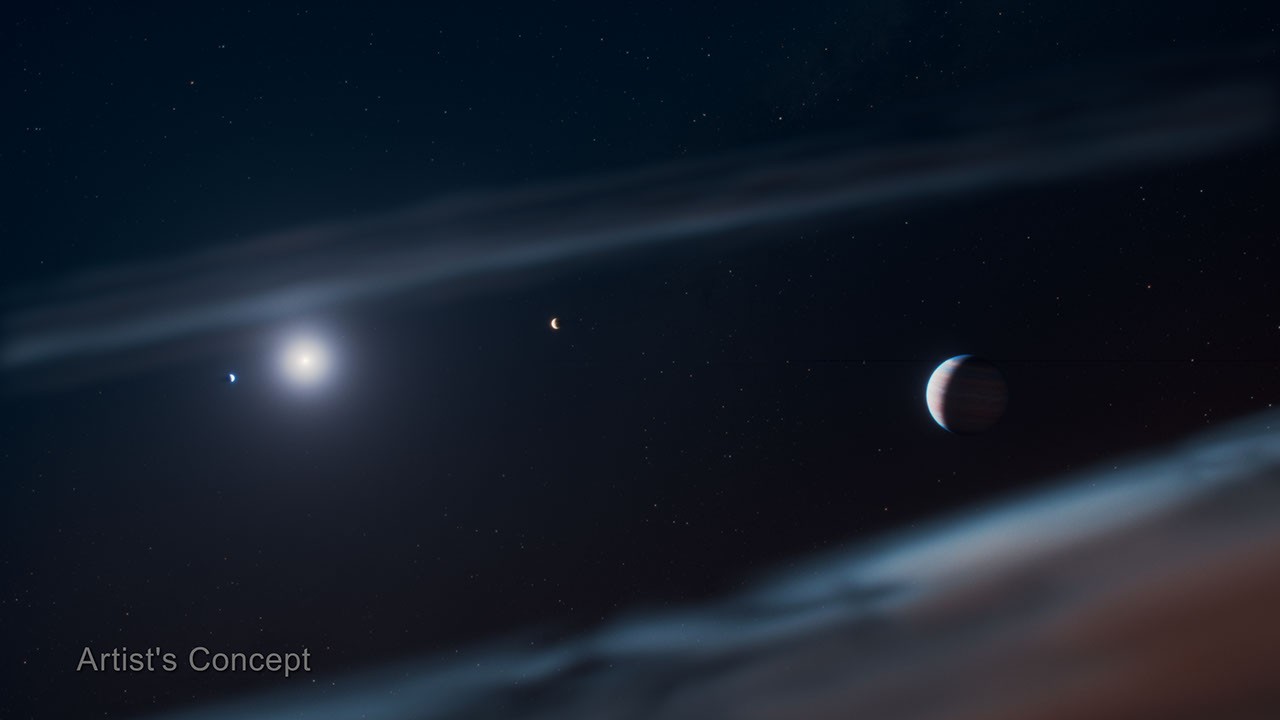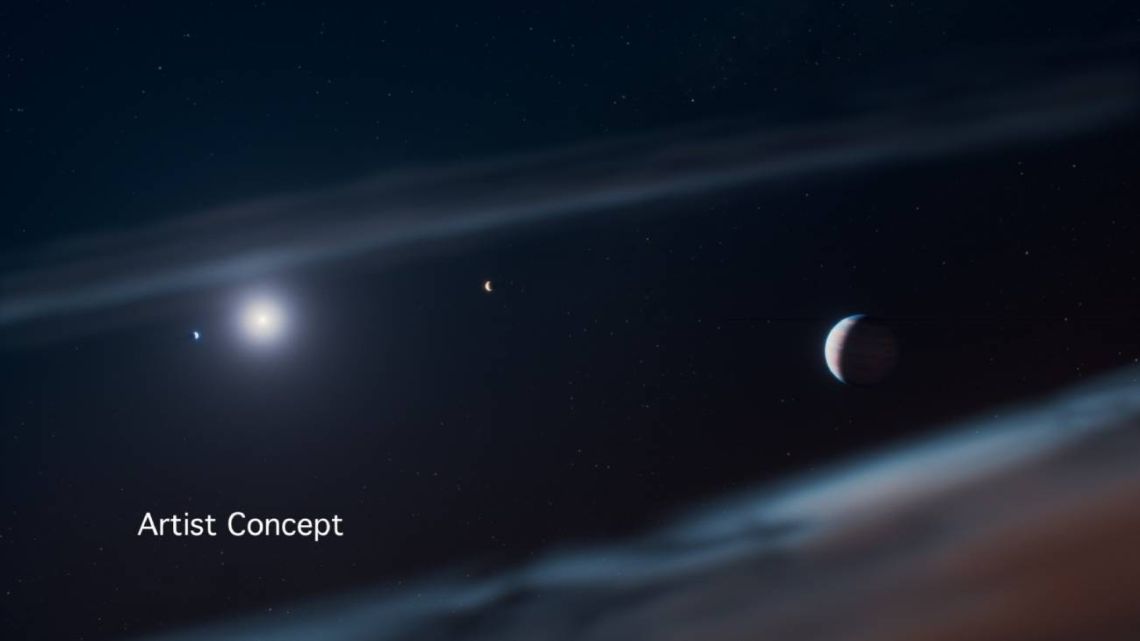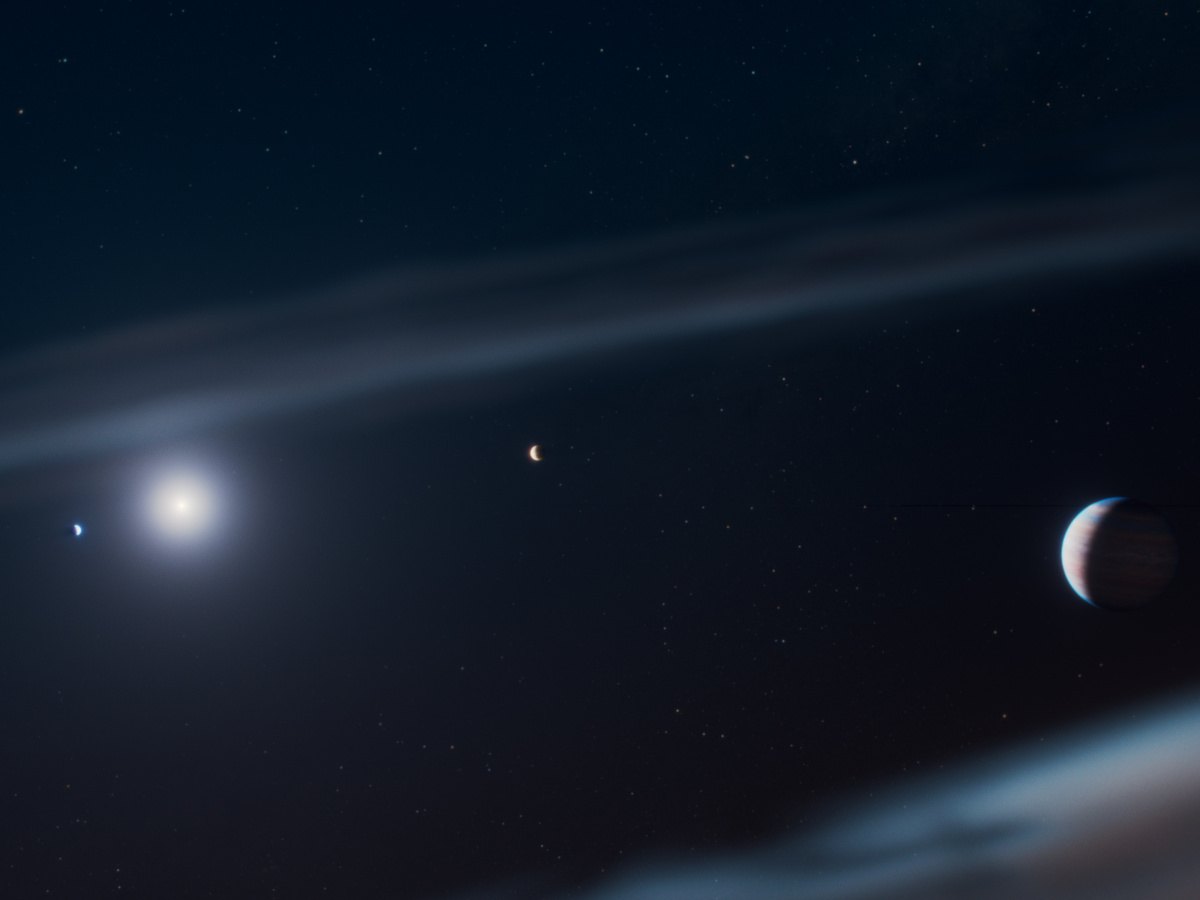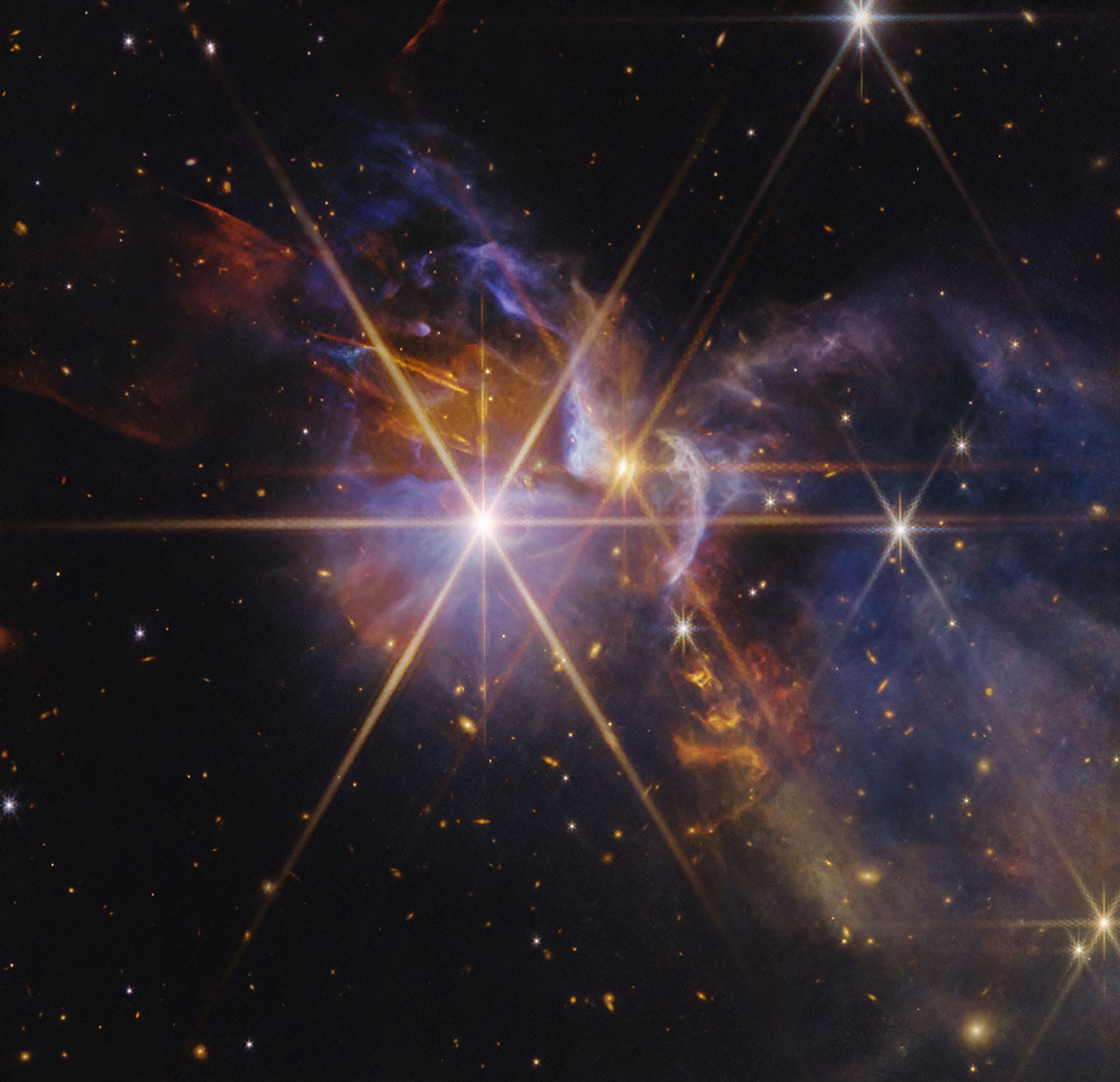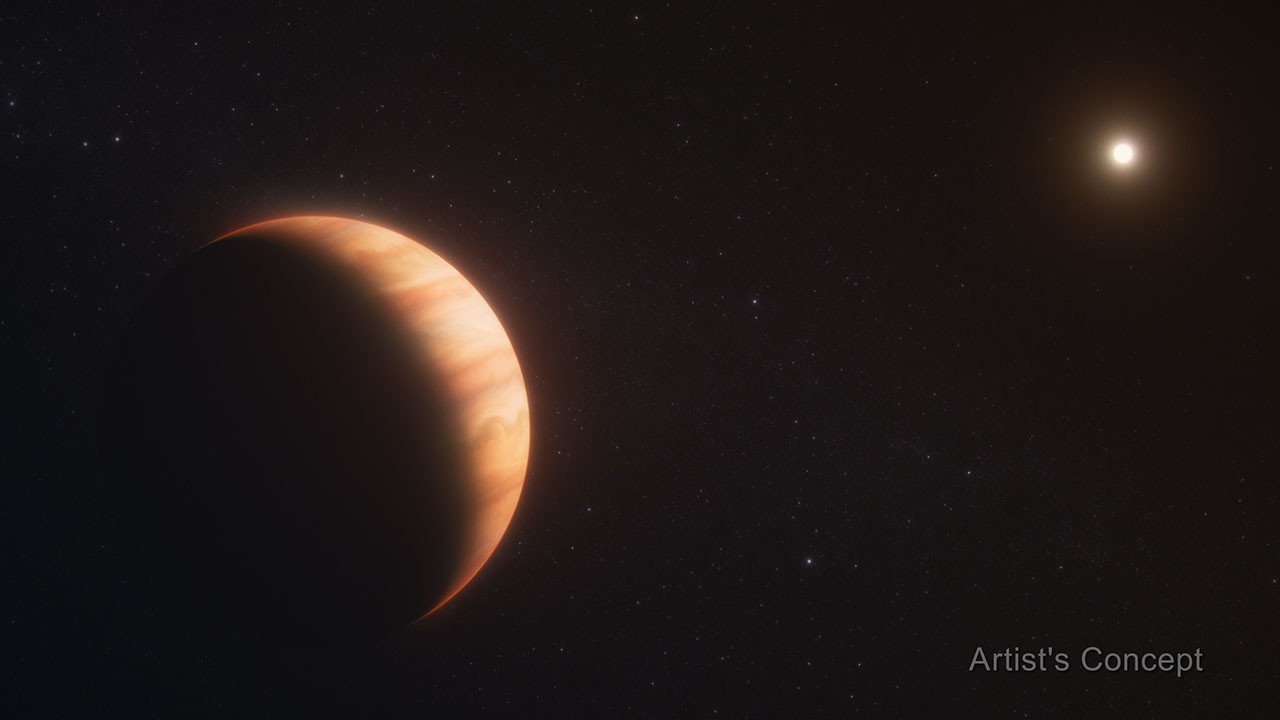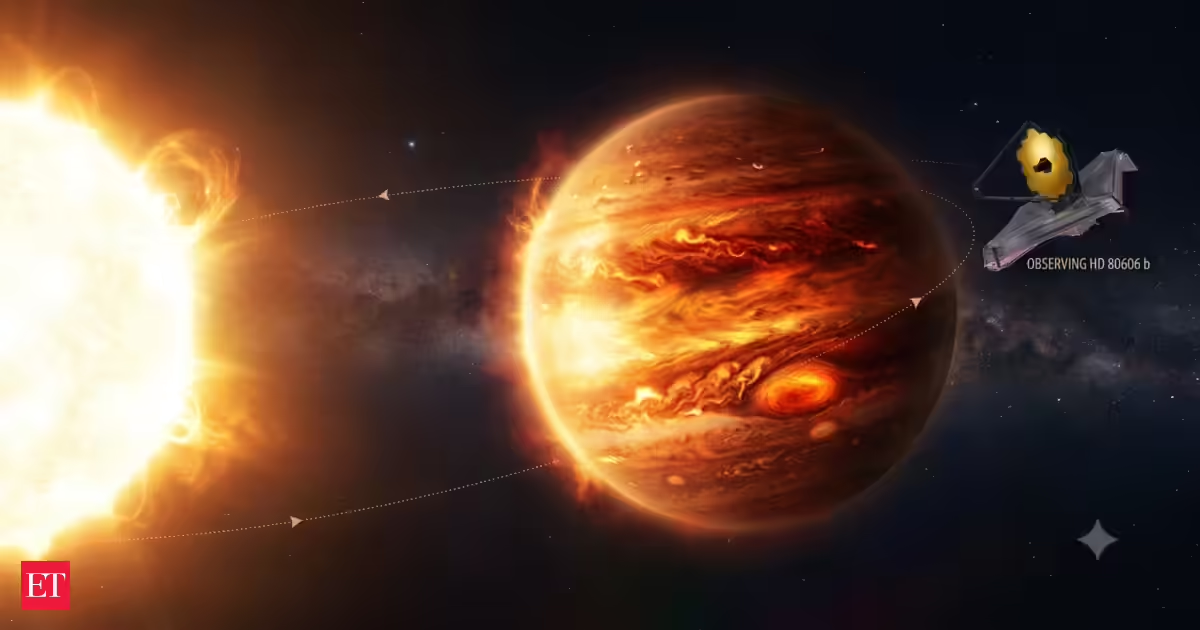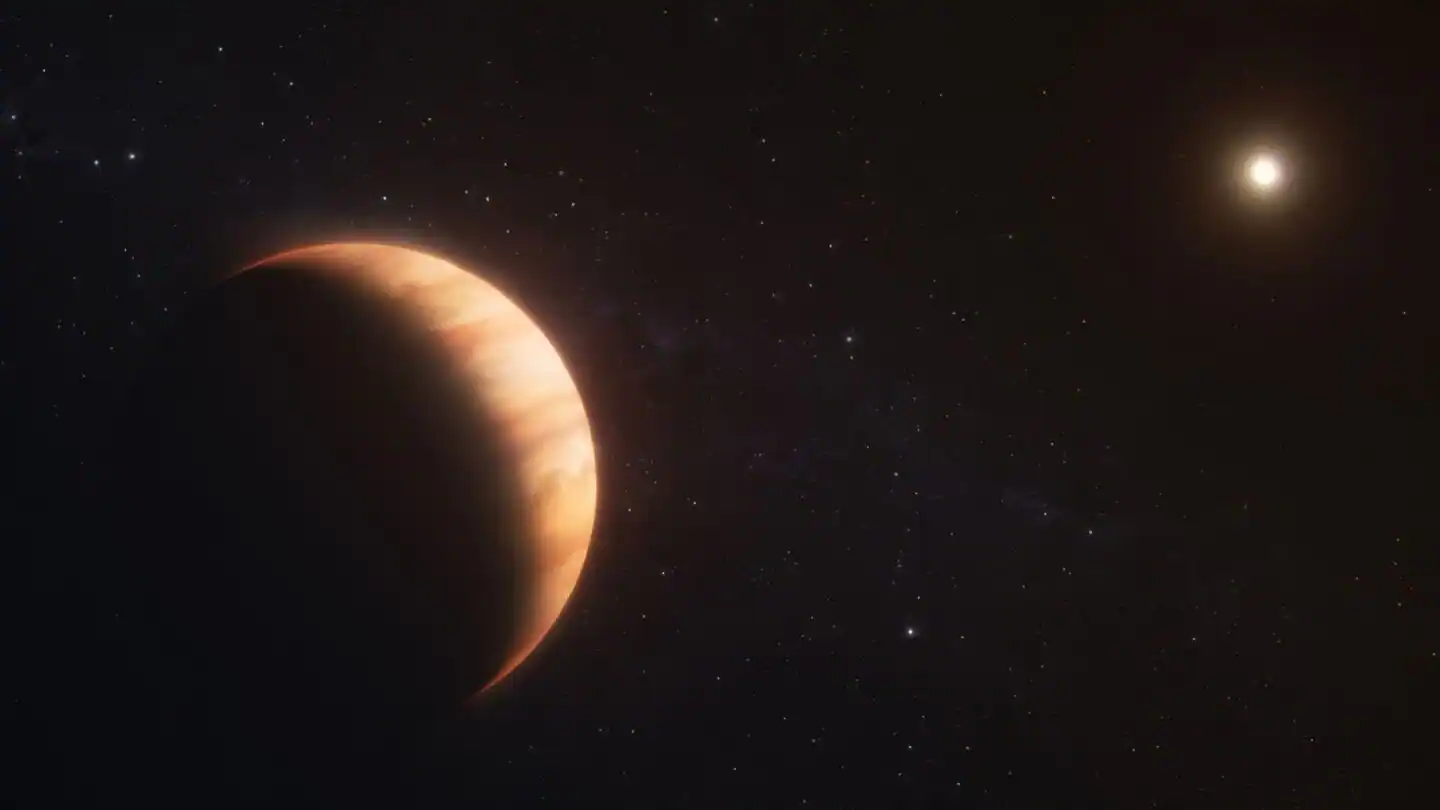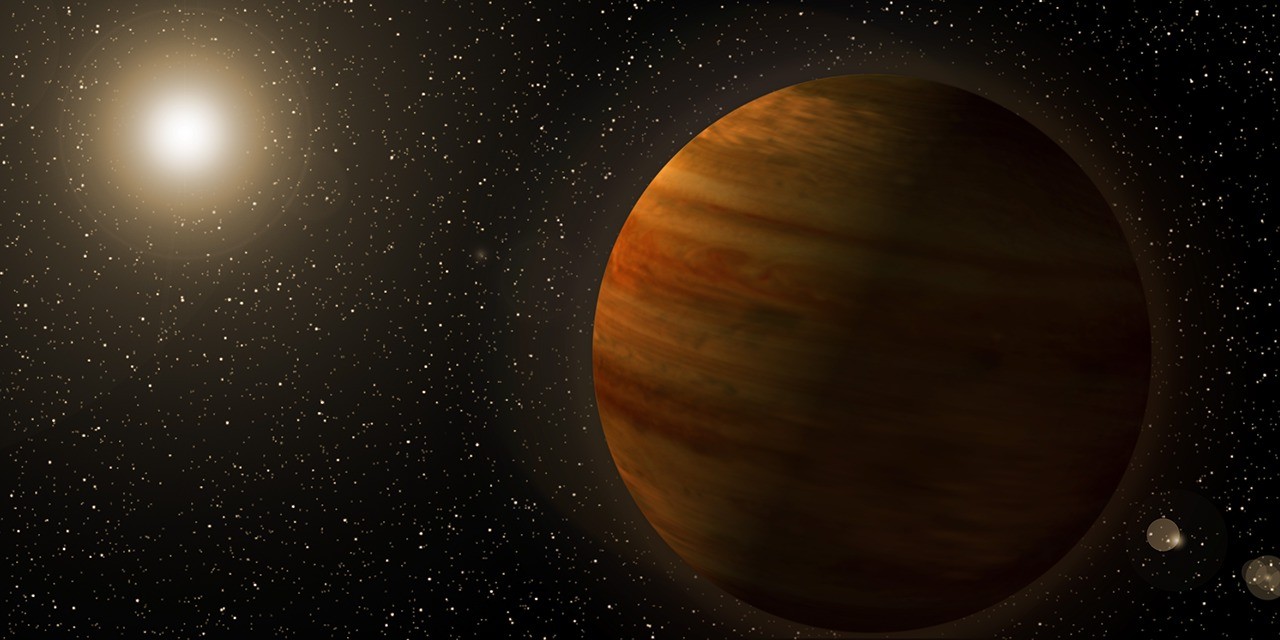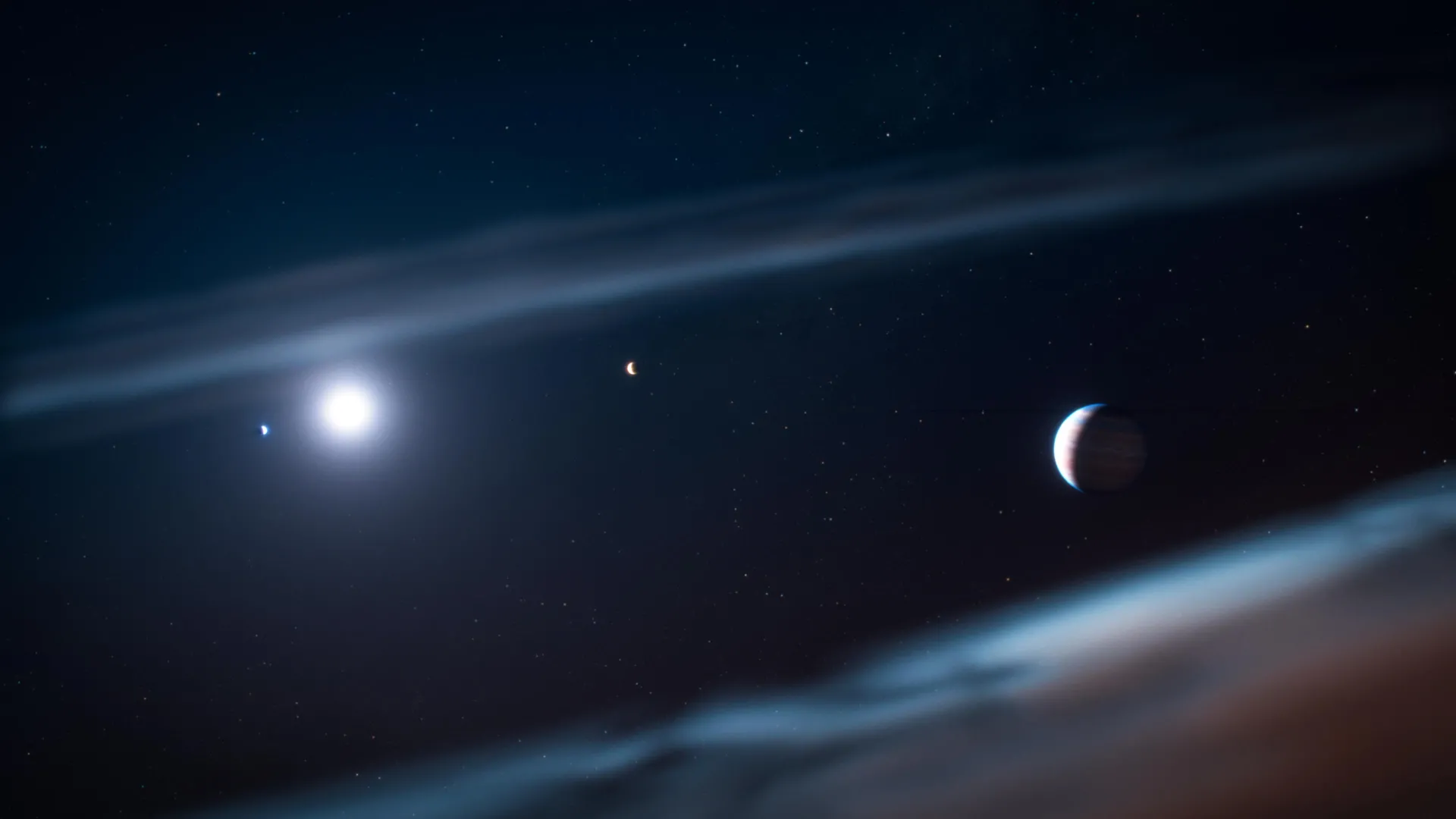
NASA's James Webb Space Telescope has uncovered a giant exoplanet hidden inside one of the most closely examined planetary systems in the Milky Way.
The nearby young star Beta Pictoris was already known to have two massive planets, Beta Pictoris b and Beta Pictoris c. Beta Pictoris b was among the first exoplanets ever photographed directly. The newly confirmed Beta Pictoris d raises the system's known planet count to three, making Beta Pictoris only the second planetary system known to contain at least three imaged planets.
However, astronomers did not initially recognize Beta Pictoris d as a bright point of light. Instead, they identified it through the distinctive chemical signature of its atmosphere. Researchers say this approach could offer a powerful new way to locate planets around other stars, particularly in environments where dust and debris make conventional imaging difficult.
"This discovery adds another piece to an already fascinating planetary system," said Aidan Gibbs, lead author of a new study published in the Astrophysical Journal Letters and a postdoctoral researcher at the University of California, San Diego. "Beta Pictoris has long served as a laboratory for understanding how planetary systems form and evolve, and now we have another planet helping us tell that story."