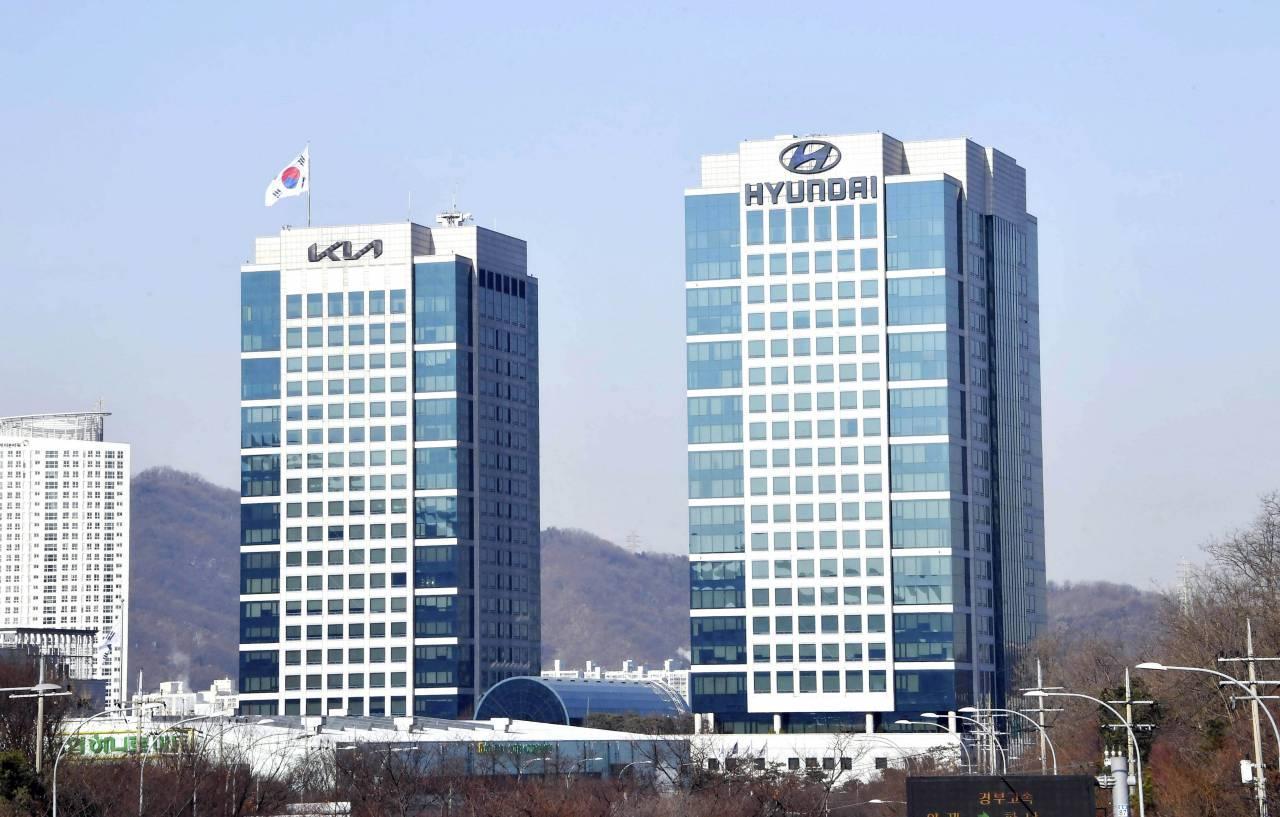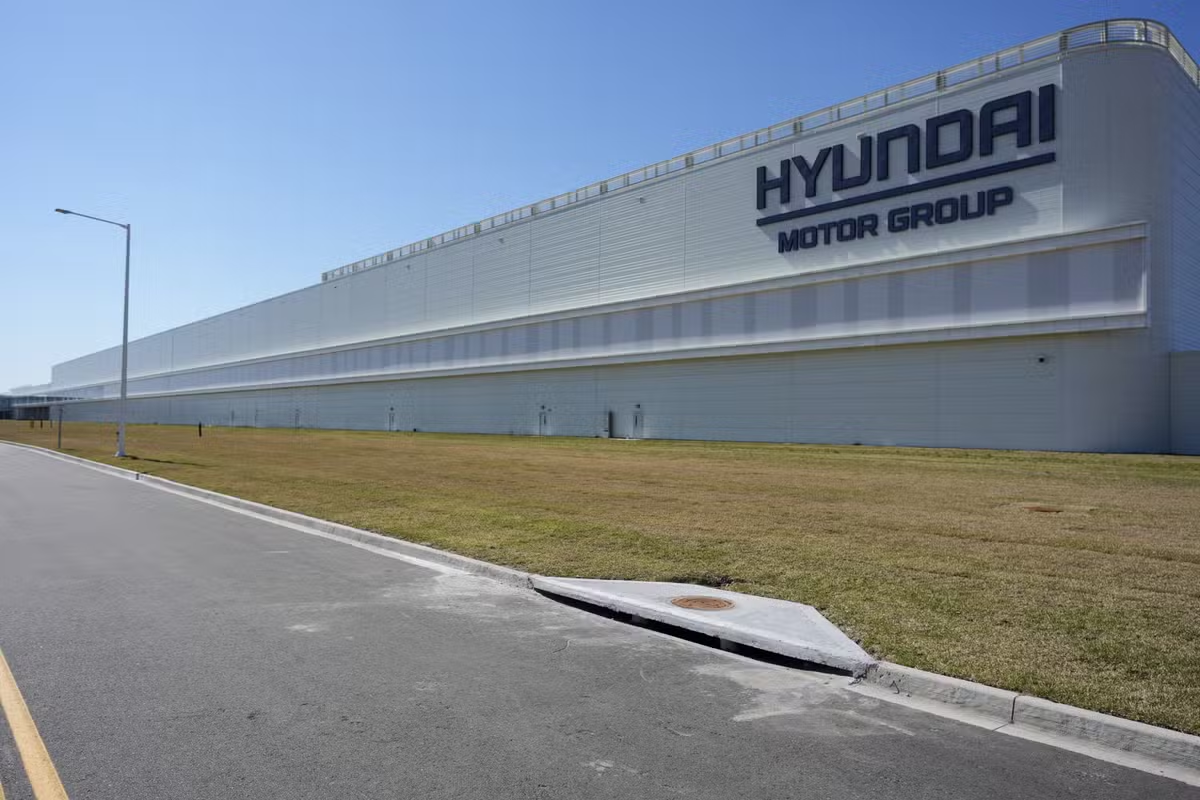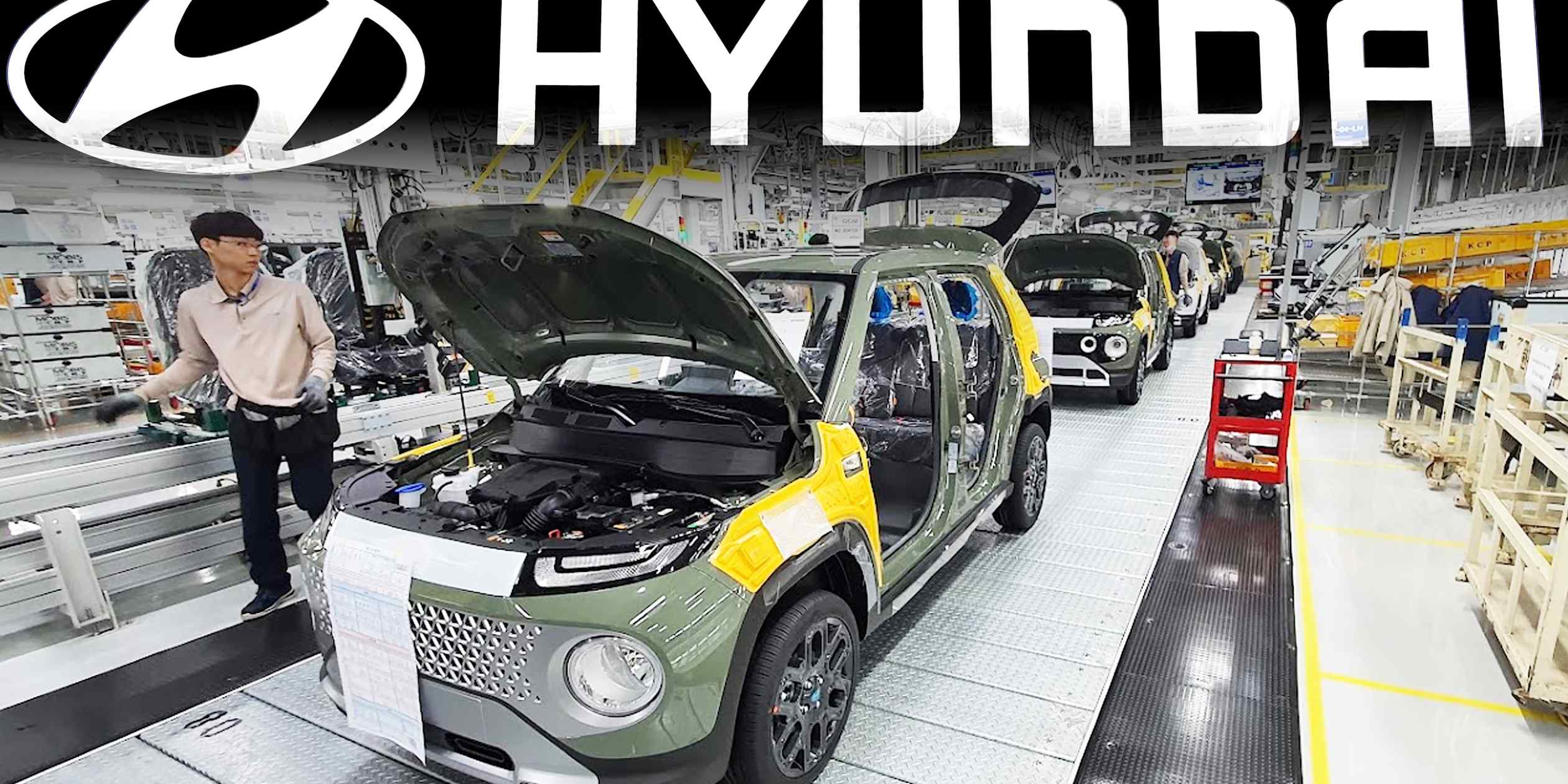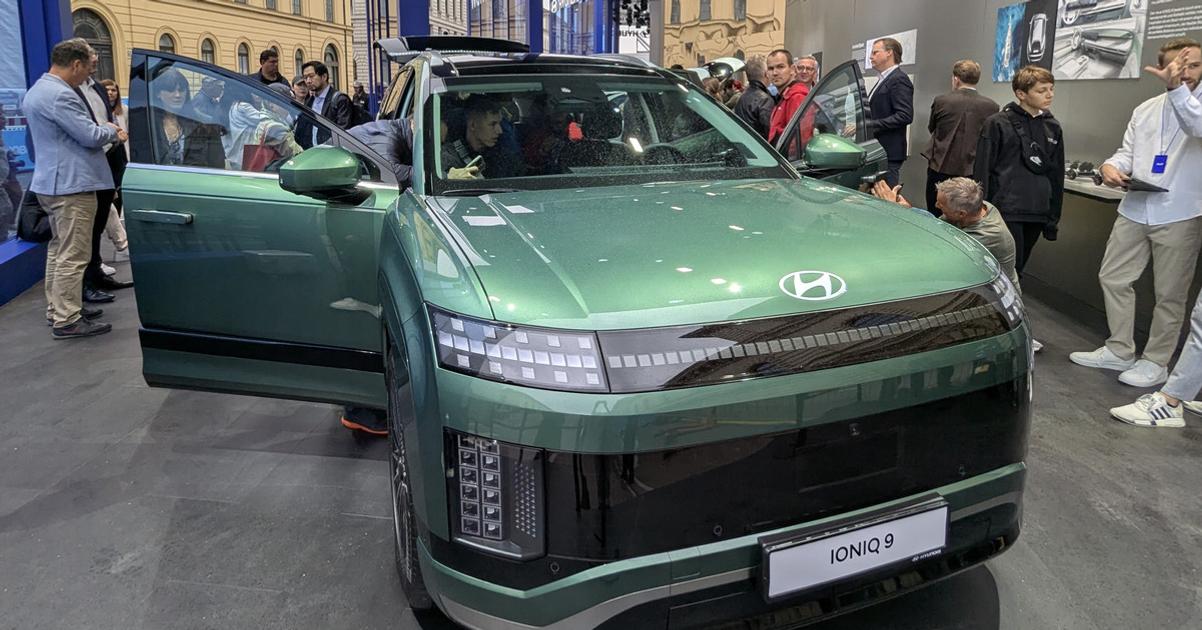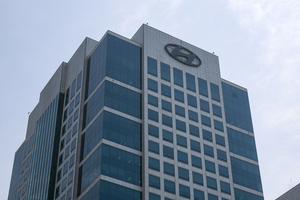
Higher material costs and production disruptions offset record hybrid sales and favorable exchange rates Hyundai Motor headquarters in Seoul (Newsis) Hyundai Motor said Thursday that its second-quarter operating profit dropped about 21 percent as rising raw materials costs and production disruptions outweighed record-breaking revenue and robust demand for its hybrid vehicles.South Korea’s largest automaker reported an operating profit of 2.85 trillion won ($1.94 billion) for the April-June period, down 20.8 percent from 3.6 trillion won a year earlier.Revenue rose 1.9 percent to 49.22 trillion won, marking the highest quarterly figure in the company’s history, buoyed by increased sales of hybrid vehicles and a weaker won.Net profit totaled 2.89 trillion won.The earnings decline came as Hyundai faced rising material costs, weaker global automotive demand and production setbacks caused by a fire at a parts supplier in March, giving the automaker an operating margin of 5.8 percent.“The global automotive industry is facing unprecedented challenges, with worldwide demand falling 3.8 percent from a year earlier amid geopolitical tensions and intensifying competition,” a Hyundai Motor official said. “Despite these difficulties, we will make all-out efforts, along with rolling out new models in the second half, to achieve the annual guidance announced at the beginning of the year and demonstrate Hyundai’s underlying strength to the global market.”Hyundai delivered a total of 991,885 vehicles during the quarter, a drop of 6.9 percent from a year earlier.Domestic sales dropped 16.4 percent to 157,647 units, partly because of production disruptions caused by a fire at a parts supplier. Overseas deliveries fell 4.9 percent to 834,238 units as demand slowed in several major markets.The US remained a relative bright spot for the company, with Hyundai selling 264,587 vehicles in the market, up 0.9 percent from a year earlier, and secured a market share above 6 percent.By powertrain, hybrid performed well, with sales climbing to a quarterly record of 187,661 vehicles, while electric vehicle sales totaled 69,366 units. Overall sales of electrified vehicles, including hybrids and battery-EVs, rose 1.7 percent to 266,627 units.Hybrids accounted for 18.9 percent of Hyundai’s total vehicle sales, while electrified models represented 26.9 percent. Both were record-high proportions.The expansion of higher-margin hybrid sales, coupled with favorable foreign-exchange rates, helped drive revenue growth despite the decline in overall deliveries.The Korean won averaged 1,502 against the dollar during the quarter, weakening 7 percent from a year earlier, which increased the value of Hyundai’s overseas earnings when converted into the Korean currency.Looking ahead, Hyundai warned that difficult operating conditions are likely to continue as macroeconomic uncertainty continues and competition among automakers intensifies.The company plans to bolster sales with a series of new and refreshed models, including the recently unveiled New Grandeur, a facelifted version of its flagship sedan. Hyundai also plans to launch the New Grandeur hybrid and additional models, including a revamped Avante, in the second half of the year.The company stated it would keep rolling out contingency measures to offset pressure on profitability, including the effects of tariffs and rising production costs.
Hyundai Motor Q2 profit falls despite record revenue
Hyundai Motor said Thursday that its second-quarter operating profit dropped about 21 percent as rising raw materials costs and production disruptions outweighe
496 words~2 min read