In 2018, when Luz Celaya, then a model, moved from her hometown, Caborca, Mexico, to Mexico City, she found “paradise.” Every week, she got what she swears are the city’s best tacos and fresh juice, then hit her local paca, or secondhand clothing market, with friends.“You had piles of clothes and people screaming the prices,” she said. “You’d spend the whole day there. The food was amazing, the energy was amazing, the clothes were amazing.”When friends, family and friends of friends came to town, Celaya, 27, happily told them about the paca and her other favourite spots. Over the years, as tourism to Mexico City climbed — the city drew roughly 14.4 million hotel guests in 2023, and is aiming for 19.5 million visitors by 2030 — Celaya’s beloved paca became a tourist magnet. Prices went up, and some sellers started listing their items in dollars, a sign of the prevalence of American shoppers.
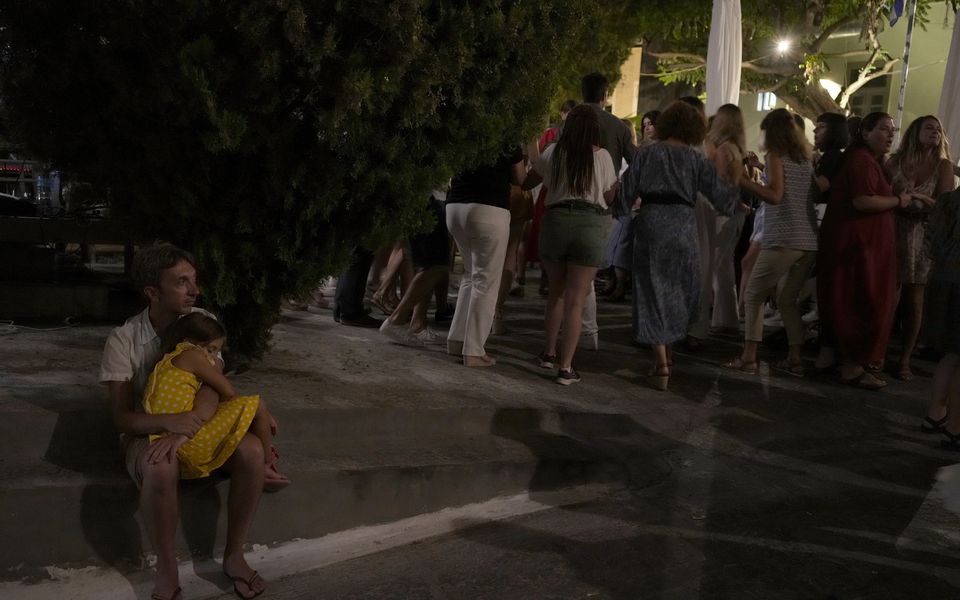
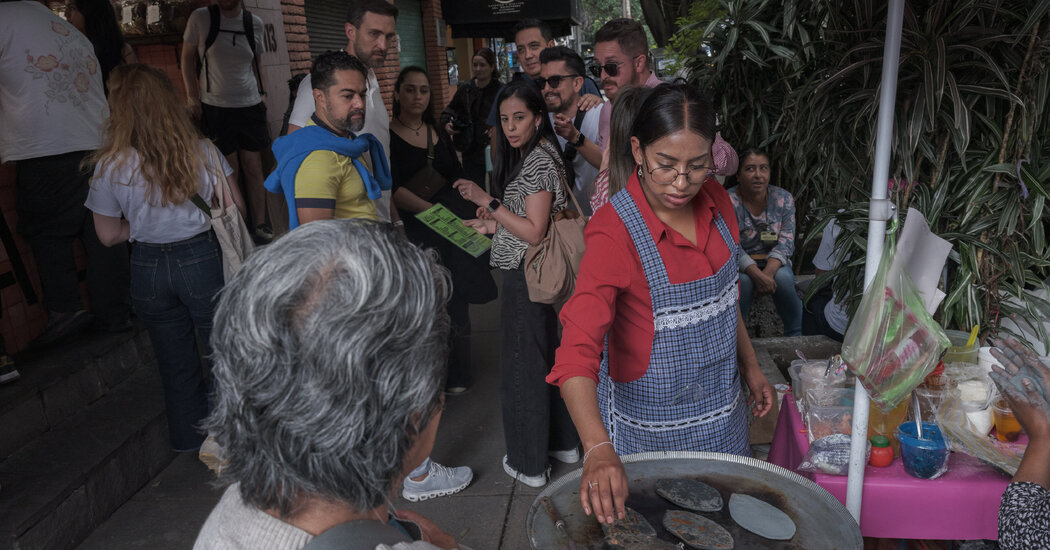
A street scene outside the Mercado Melchor Muzquiz in Mexico City. Markets are magnets for tourists, and some are becoming more crowded and expensive as visitors flock to them. (Photo: The New York Times/Jake Naughton)
Soon, Celaya and her friends found a new paca. The tacos, juices and prices (still in pesos) are better at this one, she said. But these days, she refuses to tell visitors where it is.“This is something I want to gatekeep, because I’ve already experienced what can happen after you suggest these local places to someone who isn’t from here,” she said.Celaya is one of many residents in popular destinations who are pushing back against overtourism in small ways. As millions of visitors flock to places like Mexico City, Milan and Copenhagen, residents are rethinking what they share and who they share it with.‘WHAT’S MINE IS MINE’In Cape Town, 31-year-old Duanne Aspeling is responding to the tide of digital nomads by refusing to reveal his favourite ballet studio and beach. In Los Angeles, Maximilian Rochford, a photographer, is not telling people about his favourite bars. And when anyone asks Dr Emirjona Cake, an Albanian American professor at the American Graduate School in Paris, for suggestions about Albania (a country whose tourism industry is newly booming), she no longer shares.“Western influencers want our land and little trinkets and bits of our culture,” she said. “At the same time, they don’t want us on their land, so where do we go?” She said this is evident in the protests in Albania, which began weeks ago as a revolt against a luxury tourism development financed by Donald Trump’s son-in-law, Jared Kushner, and other investors.“It’s like what’s mine is mine and what’s yours is mine, too,” she said, calling overtourism a new form of colonialism.SEEKING AUTHENTICITY