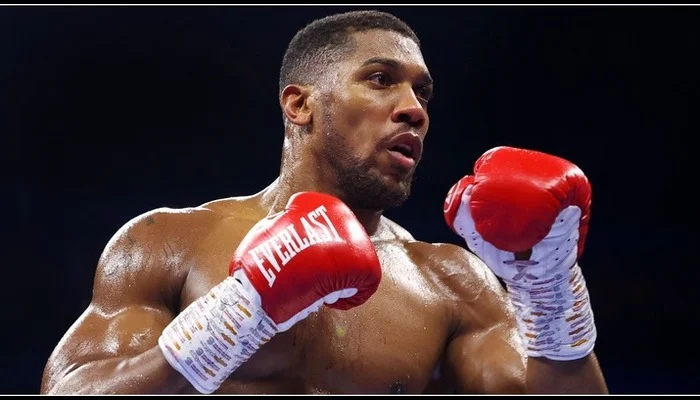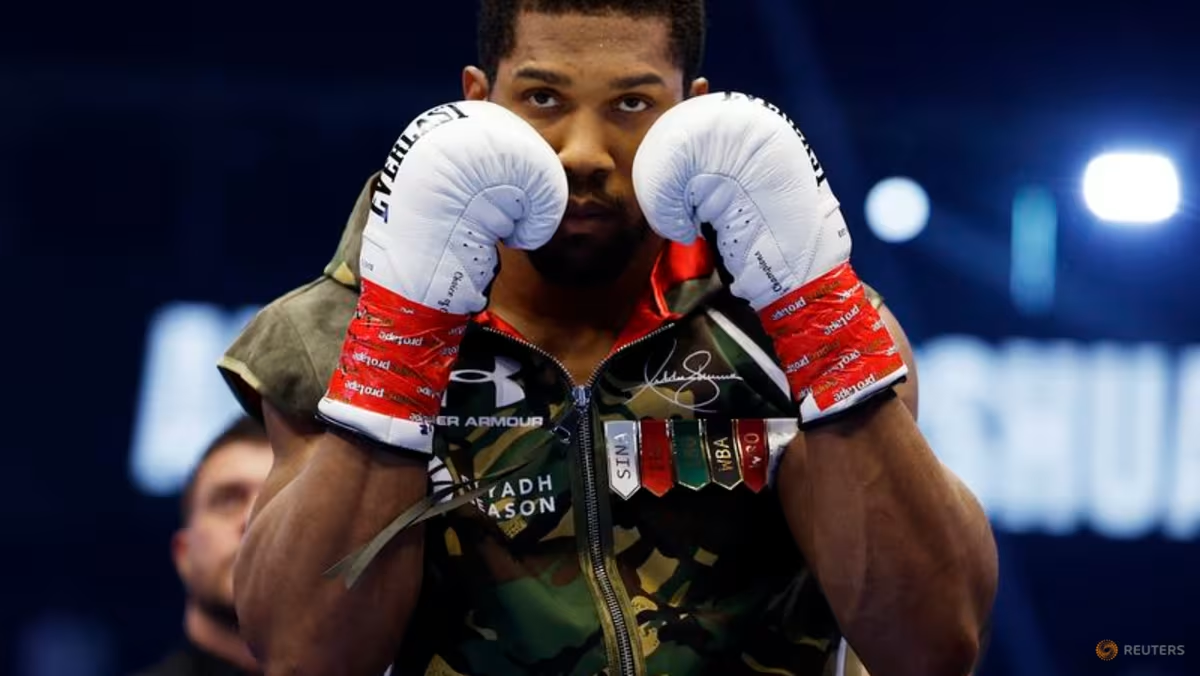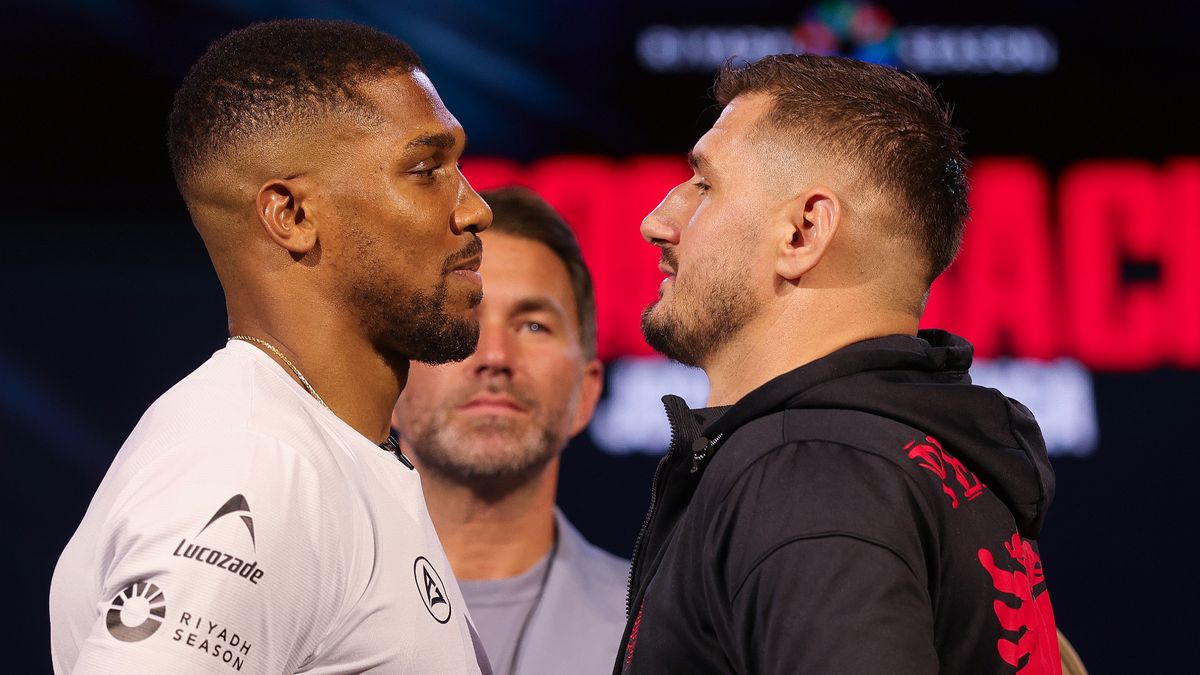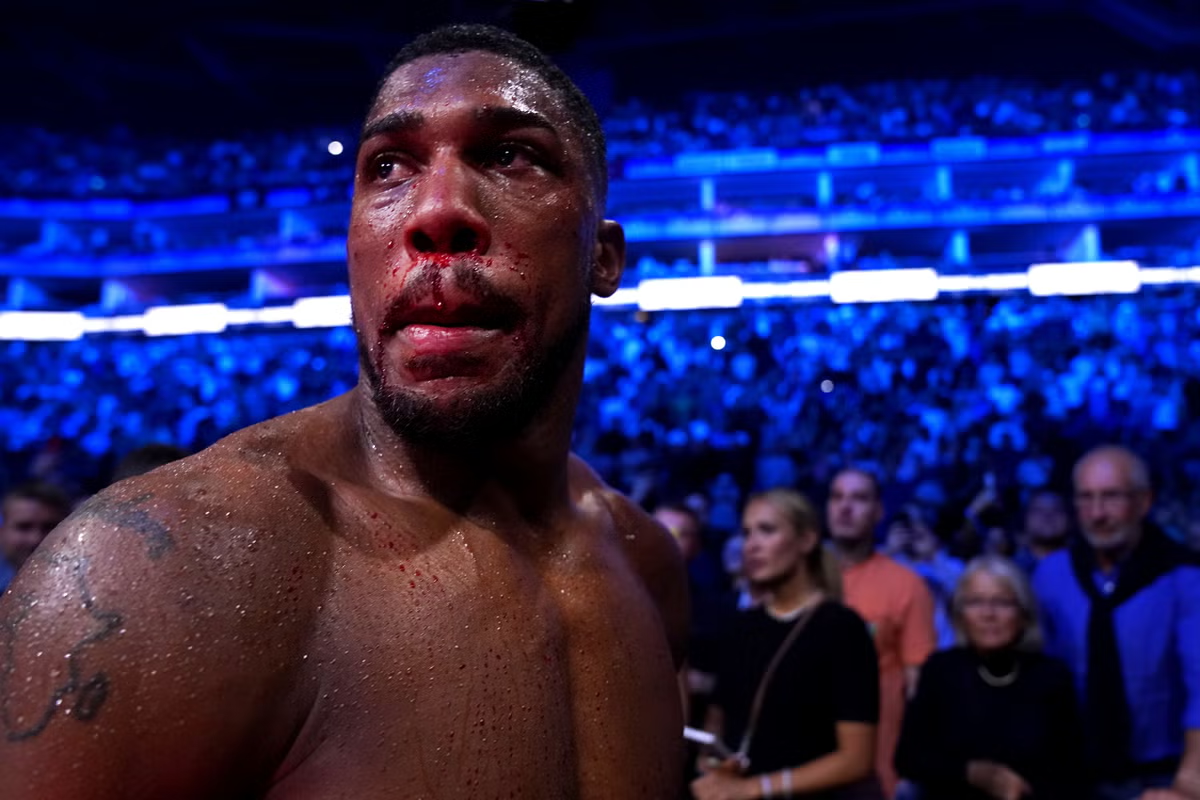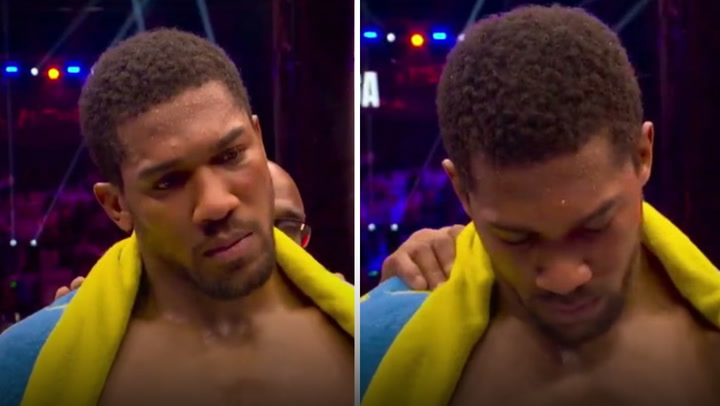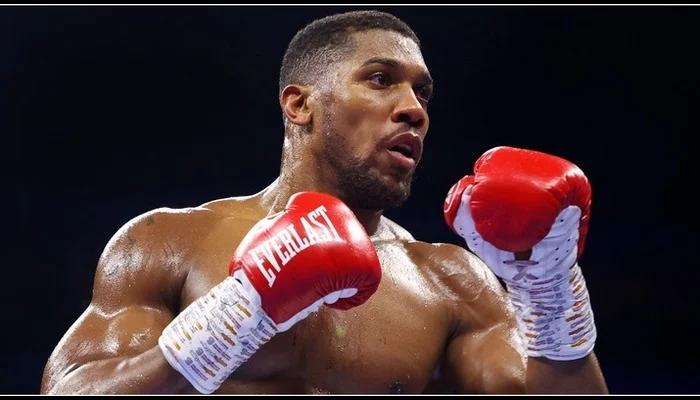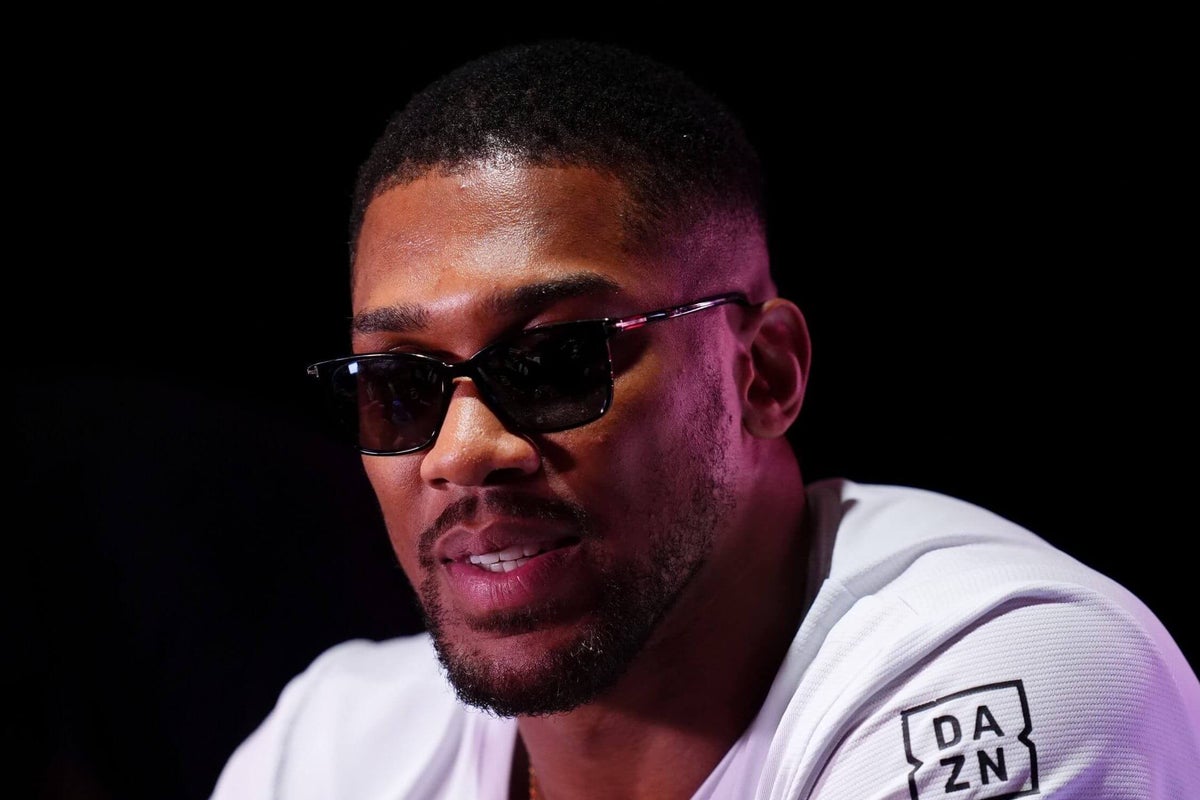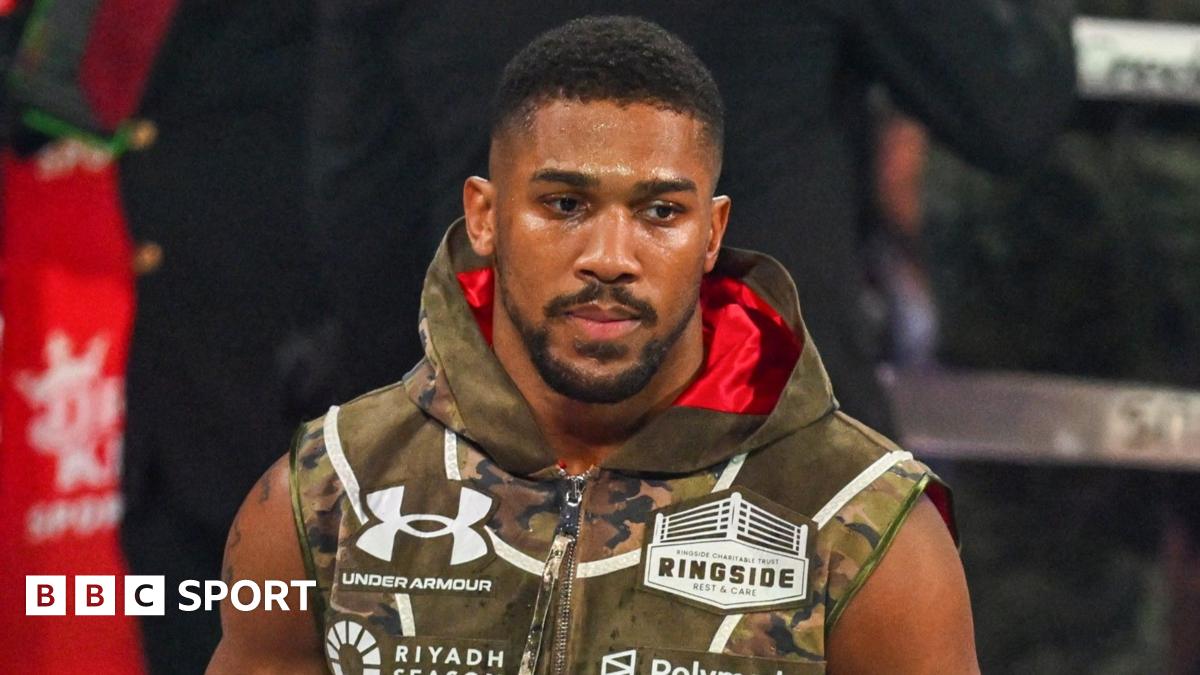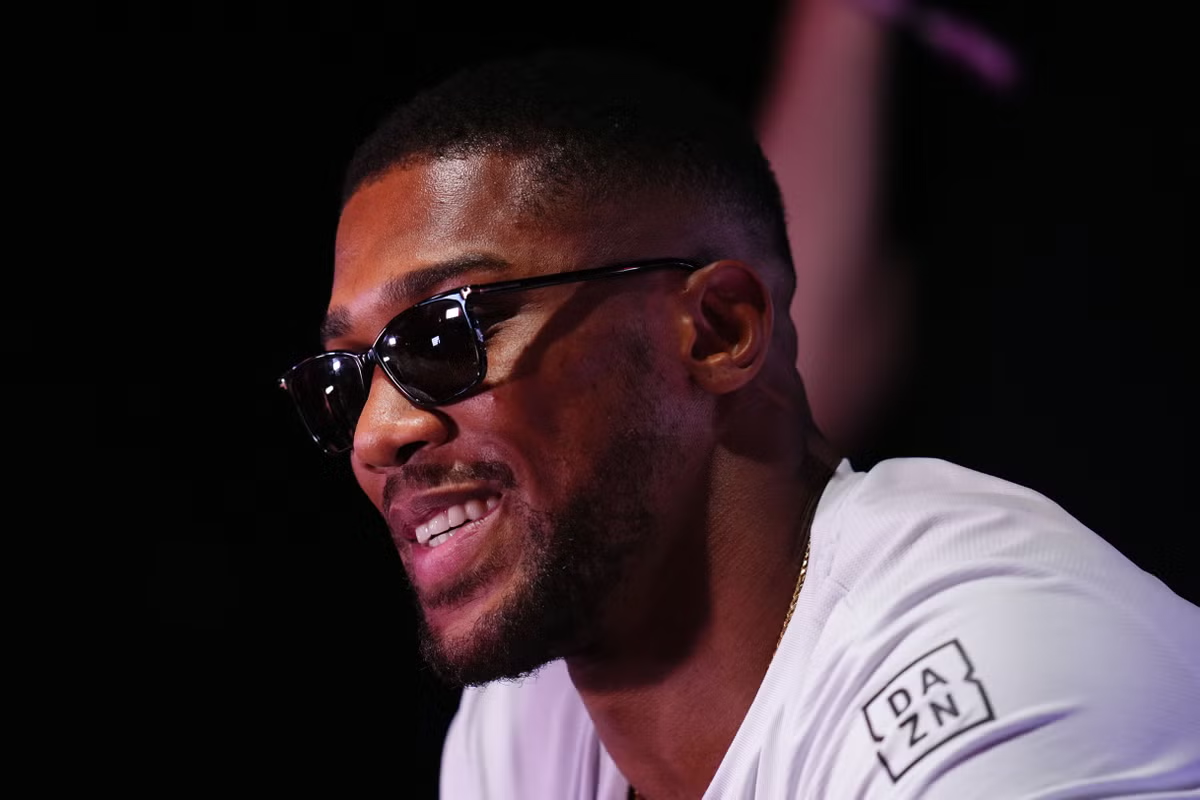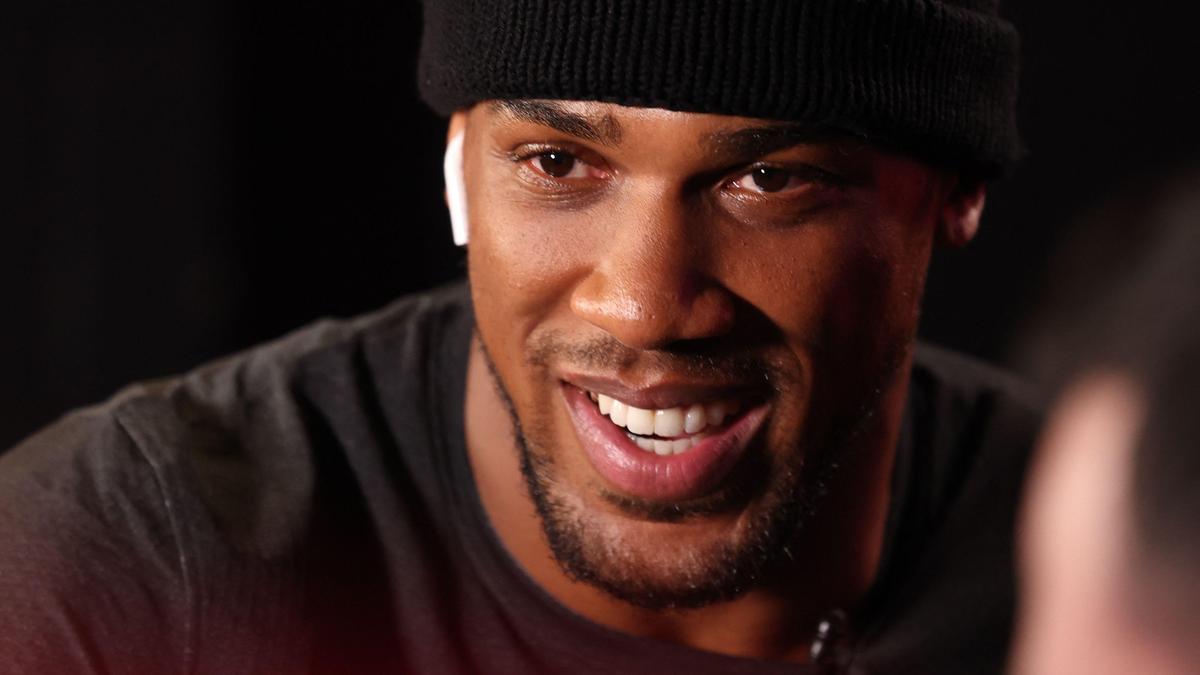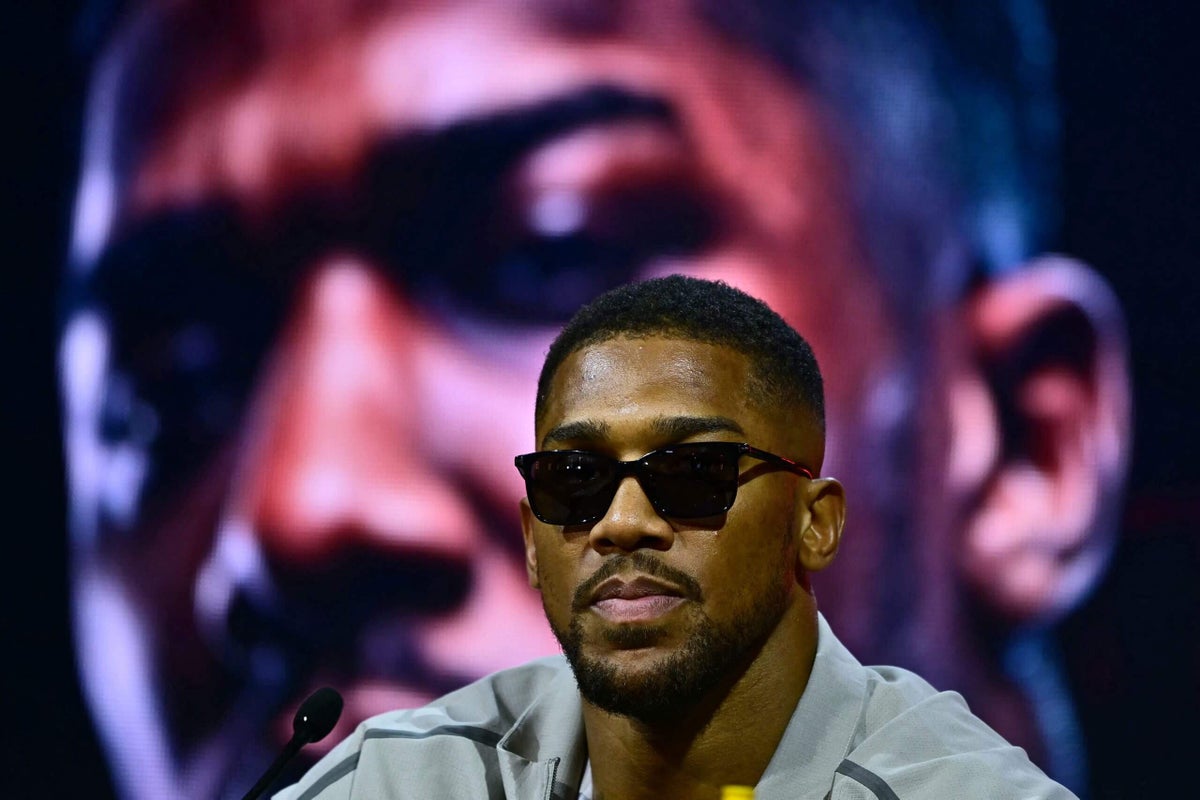
Anthony Joshua will make his return to the ring on Saturday for the first time since being in a tragic car crash which killed two of his closest friends and team members, Sina Ghami and Latif Ayodele, in Nigeria on December 29.The former two-time unified world heavyweight boxing champion (29-4-0, 26 KOs) faces Albanian heavyweight Kristian Prenga (20-1-0, 20 KOs) in Jeddah, Saudi Arabia in an event titled ‘The Comeback’.It comes almost seven months after the 36-year-old was in a Lexus SUV when it collided with a stationary vehicle on the Lagos-Ibadan expressway, south-west Nigeria. His personal trainer, Ayodele, and strength coach, Ghami — who had both known Joshua since they met in north London 20 years ago and been constants by his side throughout his career — died. Joshua was discharged from hospital after two days.Before a press conference last month to announce the Prenga fight, Joshua spoke about the loss of his two friends on the 5 Live Boxing podcast, saying: “You never overcome it, but you gain perspective in life… As a soldier, I stand strong for their parents first and foremost. This isn’t about me. I feel it’s important to put their parents first at the minute. I’ll have my time to grieve. But right now, my heart and mind tell me their parents are my main priority.”At the same event, Joshua’s long-time promoter Eddie Hearn told The Athletic it was hard to really know how the fighter was processing the events of last December: “He’s a very proud man,” Hearn said. “He’s not the kind of person that’s going to let you really know how he’s thinking. He’s just going to say, ‘I’m strong’.“The reality is, how do you deal with it? But I know when he’s training, he’s in the best place he can be. Maybe he’s papering over cracks, but it’s better than the cracks opening up wide.”Clinical and counselling psychologist Dr Sorcha Mathews tells The Athletic it is important to understand that “experiencing a traumatic event does not necessarily lead to trauma. Everyone will face difficult experiences throughout life, but whether an event becomes traumatic depends on its longer-term impact on the individual.”Mathews, whose main area of work in the National Health Service (NHS) is within a specialist complex trauma and dissociation service, explains that people can experience the same event very differently, depending on a combination of biological factors and their life experiences, particularly what they learned and experienced while growing up.While we might describe certain events as potentially traumatic, context is crucial. “It’s an individual’s interpretation, history and the lasting impact of that experience that determine whether it becomes trauma,” says Mathews.While people respond in different ways to traumatic experiences, there are some common reactions in the early days and weeks. These include feeling overwhelmed, frightened, anxious, disoriented and confused, says Dr Georgina Clifford, a specialist clinical and research psychologist and director of London Trauma Specialists.There is no “right” way to respond to a traumatic event.Anthony Joshua at the Tyson Fury-Arslanbek Makhmudov fight in April (Richard Pelham/Getty Images for Netflix)Some people find their experiences so difficult to deal with that they blank them out entirely, says psychotherapist Gary Bloom: “It’s a way of protecting the individual because whatever they were going through was so traumatic that they can’t actually deal with it.“The brain has a way of blanking that out to protect itself because the actual trauma was so destructive.”Others might develop a greater appreciation of life, stronger relationships, a renewed sense of purpose, or increased confidence in their ability to cope with future challenges.This is known as post-traumatic growth. “It doesn’t mean the traumatic event was beneficial or imply that the person is unaffected by what happened,” explains Mathews. “It describes the positive psychological changes that can sometimes emerge through the process of adapting to significant adversity.”Others might not experience this, which should never be seen as a sign of weakness or lack of resilience.“Recovery is highly individual and influenced by many factors, including previous life experiences, biological vulnerability, social support, the nature of the trauma, and access to appropriate care,” says Mathews.“The aim is not to judge how someone responds to trauma, but to understand their unique experience and support them in moving forward in the way that is right for them.”The route to recovery looks different for everyone, but in the immediate aftermath of a traumatic event, it’s generally not recommended that everyone automatically receives formal psychological intervention.Instead, says Mathews, the most helpful approach for many people is to “ensure they are physically and emotionally safe, have access to practical and social support, and are given space to experience and express their natural reactions, whether that is grief, fear, anger, sadness or anxiety. These responses are often part of the mind and body’s normal process of adapting to an abnormal experience.”Over the following weeks, many people start to recover naturally. Things that can help during that time include maintaining structure and routine in daily life, reconnecting with meaningful daily activities, looking after physical health, and leaning on trusted friends and family.Mathews says that if someone approaches her within the first three to six months of a traumatic event, she often begins with psychoeducation: “Helping someone understand what trauma is, why they are experiencing particular symptoms, and reassuring them that many of these responses are common can, in itself, be profoundly therapeutic.”If, as time goes on, someone feels unable to move forward, or is experiencing distressing symptoms that are interfering with daily functioning, then what she calls a “more structured psychological intervention” might be needed.“Not everyone who experiences trauma will require therapy,” though, says Mathews, “and equally, therapy is not the only route to recovery.”Some people recover through supportive relationships, community, cultural or spiritual practices, meaningful activity, or simply through the passing of time within a safe environment. Importantly, adds Mathews, “there is no hierarchy between these approaches”.Anthony Joshua with promoter Eddie Hearn at the Derek Chisora-Deontay Wilder fight in April (Richard Pelham/Getty Images)When trauma and grief occur together, the grieving process can become more complicated, because trauma can impede our ability to grieve.Accessing and processing the sadness of loss can be difficult if the brain and body remain in survival mode. So grieving often can’t take place fully until the nervous system begins to settle. “This doesn’t mean grief and trauma occur separately or in a neat sequence,” says Mathews. “People often move back and forth between moments of fear, numbness, sadness, anger and acceptance.”Deferring grief is a very personal process. “In some circumstances, temporarily putting grief to one side can be an adaptive response, particularly when someone needs to focus on immediate responsibilities, maintain stability, or get through a particularly demanding period,” says Mathews.If someone remains disconnected from their grief for a prolonged period though, it can be helpful to explore ways of gradually reconnecting with those emotions. “This is not about forcing someone to grieve before they are ready,” says Mathews, “but gently increasing their capacity to tolerate and process what they have experienced.”Ultimately, there is no ‘correct’ timeline for grief. So, the goal is not to judge whether someone is grieving ‘correctly’, explains Mathews, but to understand “whether their way of coping is supporting their long-term wellbeing and allowing space for healing when they are ready.”Experiencing a traumatic event and grief while in the public eye adds another element to the process of recovery, which is underpinned by the need for a sense of psychological safety.“When someone is in the public eye, the experience of being observed, discussed or judged by others can influence their ability to feel safe enough to process what has happened,” says Mathews.This depends, though, on how the individual perceives and experiences public awareness and attention, she adds. Some might feel it provides a sense of collective support, connection and shared understanding, which can become a source of strength and help them feel less alone in their experience.“For others, public attention may create an additional layer of difficulty. They may feel pressure to present themselves in a certain way, worry about being judged for their emotional responses, or feel unable to express vulnerability because they fear criticism or misunderstanding. For people in professional or competitive environments, there may also be concerns that personal information about their trauma or grief could be used against them, creating an additional sense of threat or lack of safety.”Mathews has a keen interest in the intersection between trauma, the body, and high performance and sees sport as something that can be both a stabilising resource and, at times, a way of postponing emotional processing.“For some people, sport provides structure, connection, meaning and a pathway forward. For others, it may become a way of staying constantly occupied and avoiding contact with painful emotions. Often, it can be both at the same time.”Ultimately, the key factors that will determine how someone processes trauma and grief remain the same, whoever they are, says Mathews. And those are: “Whether someone feels safe, supported, understood and able to process their experience in a way that fits their own needs.”
Anthony Joshua returns to the ring seven months after facing a tragedy beyond sport
The 36-year-old fights in Saudi Arabia on Saturday for the first time since being involved in a car crash in which two of his friends died
1,509 words~7 min read