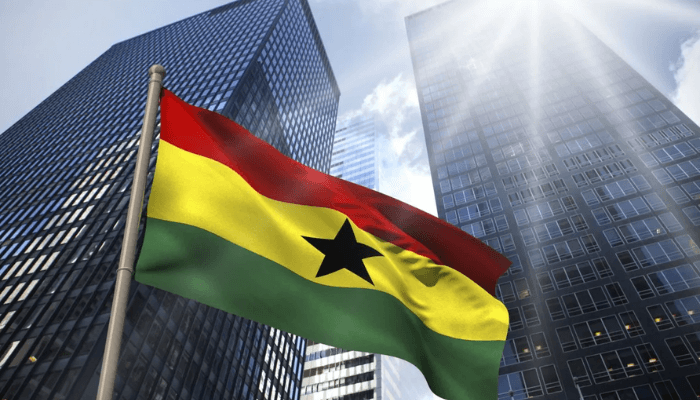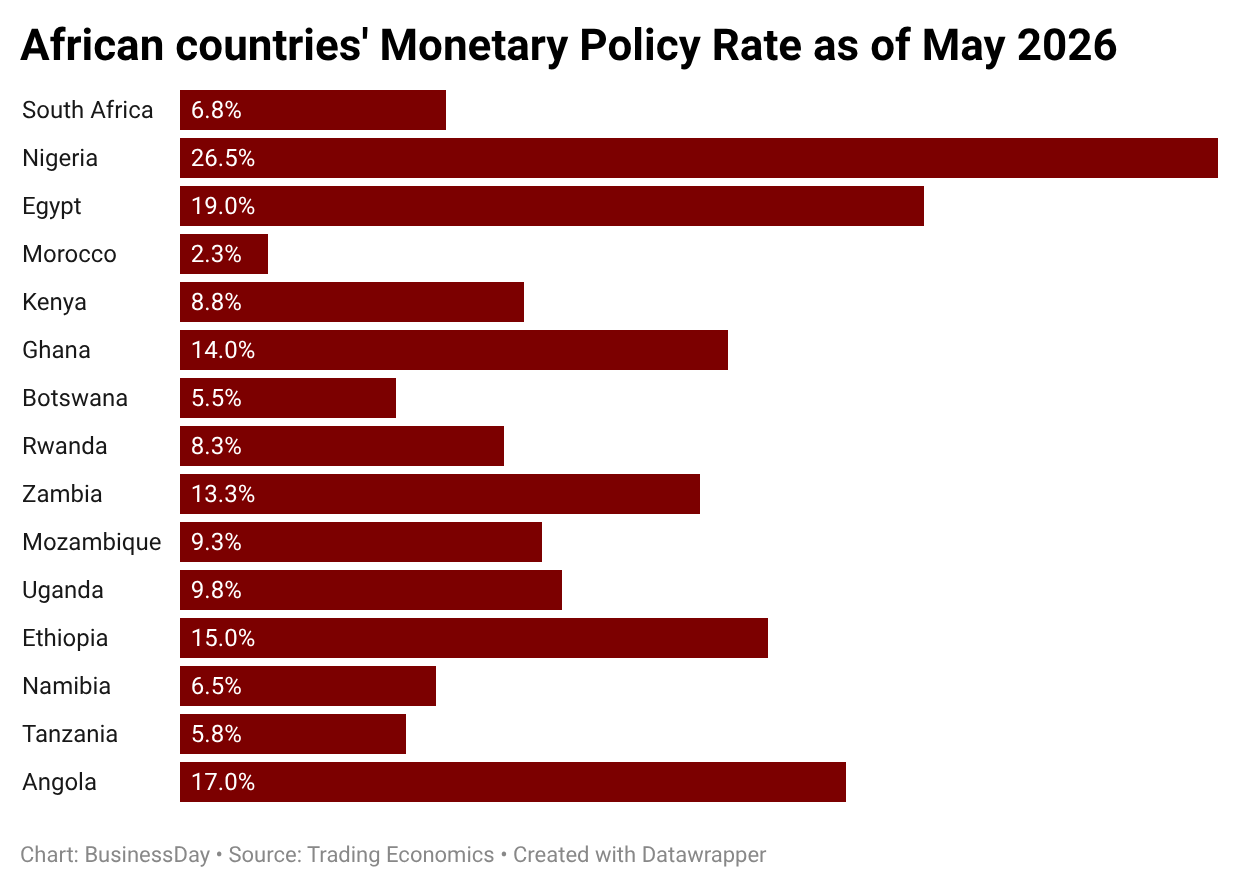
Ghana’s central bank left its benchmark interest rate unchanged at 14 percent on Wednesday, extending a pause in its monetary easing cycle as renewed conflict in the Middle East heightens inflation risks and complicates the country’s path towards price stability.
The decision was in line with the expectations of bankers, economists and analysts, who had widely forecast that the Bank of Ghana would keep borrowing costs unchanged amid growing uncertainty over global energy prices.
The move follows a similar decision by Nigeria’s Central Bank on Tuesday, with Africa’s two largest West African economies opting to keep monetary policy tight as the conflict involving the United States, Israel and Iran threatens to fuel imported inflation across the continent.
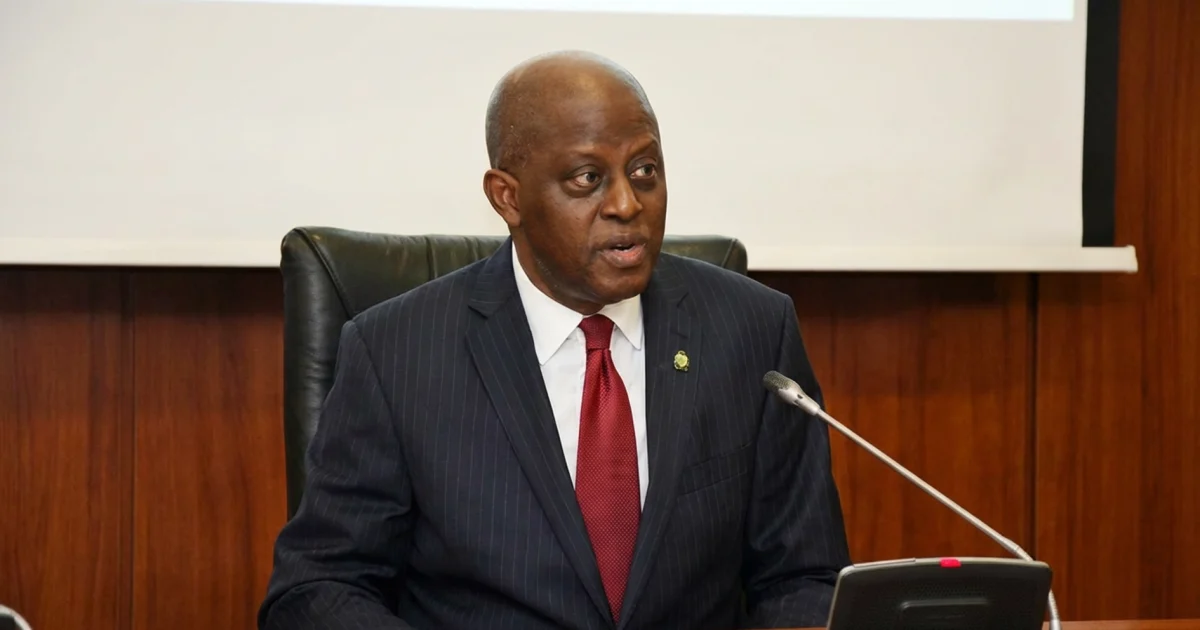
Governor Johnson Asiama said the conflict and the resulting disruption to global trade routes had reignited volatility in energy markets, creating fresh upside risks to inflation despite Ghana’s improving macroeconomic outlook.
“Inflation has edged closer to the lower bound of the Bank of Ghana’s 6 to 10 percent target band, while inflation expectations and core inflation measures have also increased,” Asiama said.