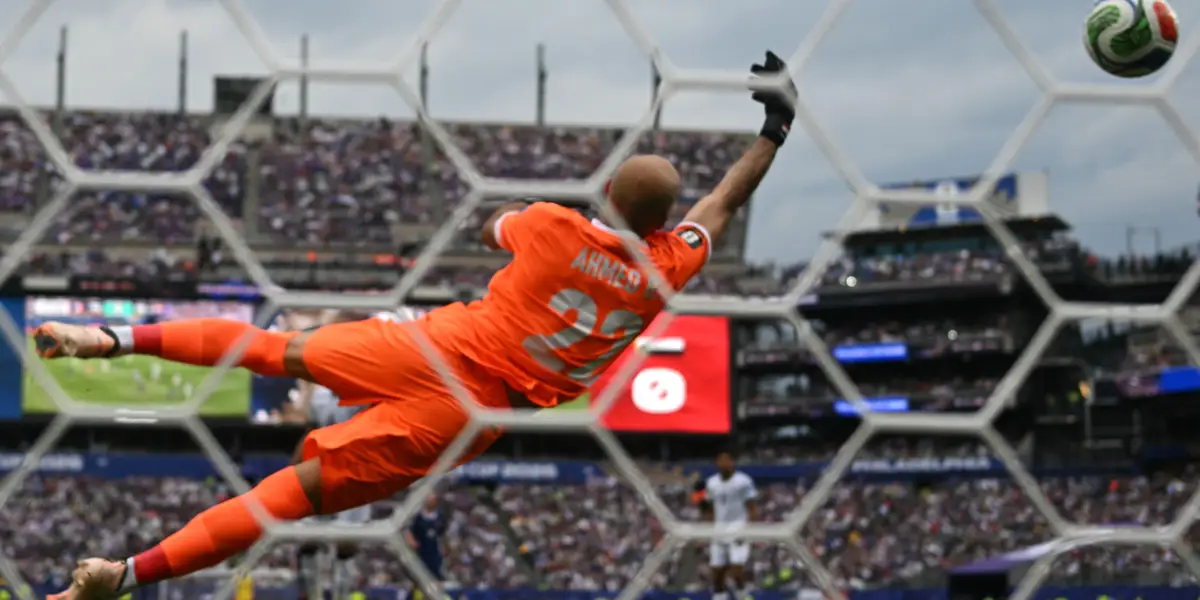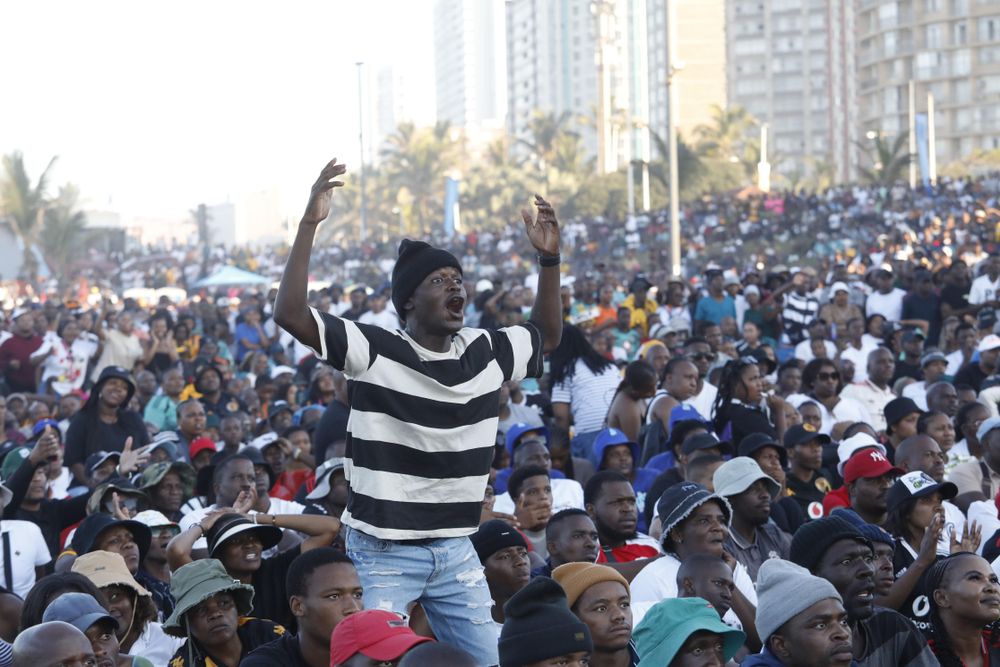
South Africans enjoyed full and free access to the recent Fifa World Cup games, as with many other important global sporting events. But who pays for such valuable access? Thanks are due to punters betting on the outcomes. Competing sports betting bookmakers and their advertising budgets cover much of the costs television programmers incur for the rights to broadcast events, including those such as Springbok rugby games that also require a subscription fee. Without the punters, their phones, internet connections and the bookmakers taking and advertising their bets, watching the games at a distance would be far more expensive ― perhaps even prohibitively so for most. (Dorothy Kgosi) Sports betting has become the dominant form of gambling in South Africa. Before Covid, licensed casinos accounted for about 56% of all gambling activity and sports betting 22%. By 2024/25 the sports betting houses claimed 70% of all legal gambling and the share of casinos had fallen to 26.5%, with the casino operators adding online sports betting to their portfolios to compete better for the gambling rand. How much do the punters pay to back their teams? The answer is perhaps less obvious than it may appear on the surface as the transactions with their bookmakers heat up. It depends not on how much the punters bet but on how much they lose collectively to the gambling houses, the bookmakers.This amount is referred to as gross gambling revenue (GGR) — the money held by the bookmakers and casinos after they have paid out the winners. The proportion returned to punters in South Africa amounts to about 94% when playing games of chance in casinos (a 6% average loss ratio). Sports betting appears to offer less generous odds, paying out less than 92% of what was taken in 2025. The notion that all gamblers must eventually lose is therefore not accurate. A large number of the bets laid will be winning ones — on a day, month, year or lifetime of gambling — depending on the distribution of the outcomes around the average loss ratio. If the distribution around this average loss ratio of 6% were a normal one, about 27% of all punters would break even and 11.5% would do better than break even. The number of successful gamblers ― those who break even or better and who presumably had some fun along the way ― would fall or rise with the GGR. The notion that all gamblers must eventually lose is therefore not accurate. A large number of the bets laid will be winning ones — on a day, month, year or lifetime of gambling — depending on the distribution of the outcomes around the average loss ratio. Since 2015 the turnover (revenue) of all licensed gambling houses in South Africa rose from R358bn to R1.5-trillion in 2024, an increase of 4.2 times. Over these 10 years GGR, or what may also be described as gross operating surpluses, increased from R26.3bn to R74.5bn, a smaller increase of 2.8 times, perhaps a sign of a more competitive market. The share of GGR in South Africa’s gross household consumption expenditure grew from 0.9% in 2015 to 1.6% in 2024. The biggest loser from this shift in patterns was spending on other consumption in the form of recreation and culture, which fell from 7% of estimated household spending in 2015 to 5.8% in 2024. This indicates that minor shifts in consumption patterns towards gambling have occurred, probably inspired by changes in technology. Hopefully this is not enough to inspire panic or successful attempts to interfere with the essential freedom of adults to spend as they wish. The temptation to raise the specific taxes to discourage gambling will always be a force ― as with excise taxes on alcohol or tobacco, the consumption of which is much disliked by the authorities. Yet as many have noticed in our lawless society, raising such excise taxes may not lead to increased tax revenues. Of the R74bn GGR in 2024, a significant proportion was paid in taxes — that is, not returned to punters. Specific taxes on the GGR amounted to R5.8bn (7.8% of GGR) in 2024, of which the sports betting houses contributed 59%, or R3.4bn. It was just R240m in 2018/19. The betting houses are also liable for income taxes on their earnings, which will be less than their GGR after taxes. The temptation to raise the specific taxes to discourage gambling will always be a force ― as with excise taxes on alcohol or tobacco, the consumption of which is much disliked by the authorities. Yet as many have noticed in our lawless society, raising such excise taxes may not lead to increased tax revenues. Rather, it encourages illegal production and smuggling to the point where prices on the streets can decline as the producers of contraband compete away some of the extra margin higher tax rates provide them. The price of an opportunity to gamble is the payout ratio — that part of the bet paid back in winnings. Forcing the bookmakers to pay over more to the receiver of revenue is likely to reduce their payout ratios and therefore encourage illegal operators to improve their odds to encourage more flows and GGR their way. And so, less for punters, the taxman and sports lovers. But there is another new force in the gambling market that may be an even bigger threat to the bookmakers and casinos than higher taxes on GGR. It is the increasingly important role being played by the prediction markets.Polymarket or Kalshi do not make money by “being the house” and taking the opposite side of your bet. They operate more like exchanges, where users trade contracts with one another betting on a huge variety of possible outcomes — sporting or financial or political. Their profits come primarily from facilitating trading activity, rather than from gamblers losing. And they charge fees to do so, as would a stock or commodity exchange. Indeed, Kalshi is licensed and regulated in the US as such an exchange. One source (my helpful AI bot), analysing Kalshi’s 2025 activity, reported a trading volume of $22.9bn and fee income of $263.5m, with a formidably high payout ratio of more than 98% ― one likely to encourage odds-conscious and well-informed large punters, perhaps better described as hedgers rather than gamblers. The sooner South Africa licenses such an exchange to reduce illegal gambling the better. • Kantor is head of the research institute at Investec Wealth & Investment. He writes in his personal capacity.
BRIAN KANTOR | To bet or not to bet? That is the question
Watching the Springboks or Fifa World Cup matches would be far more expensive without punters and bookmakers
1,086 words~5 min read