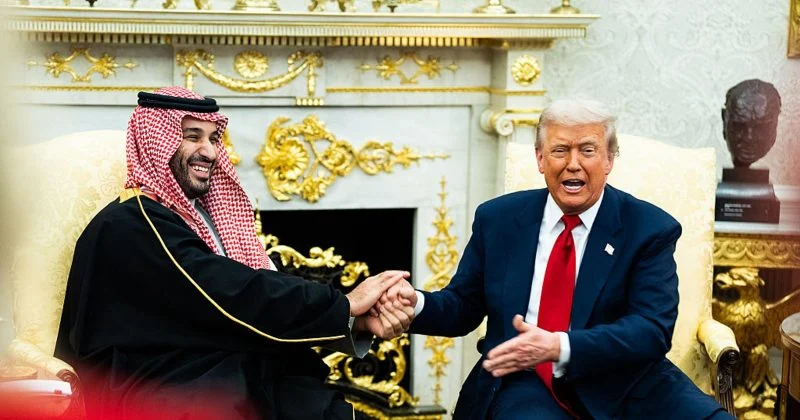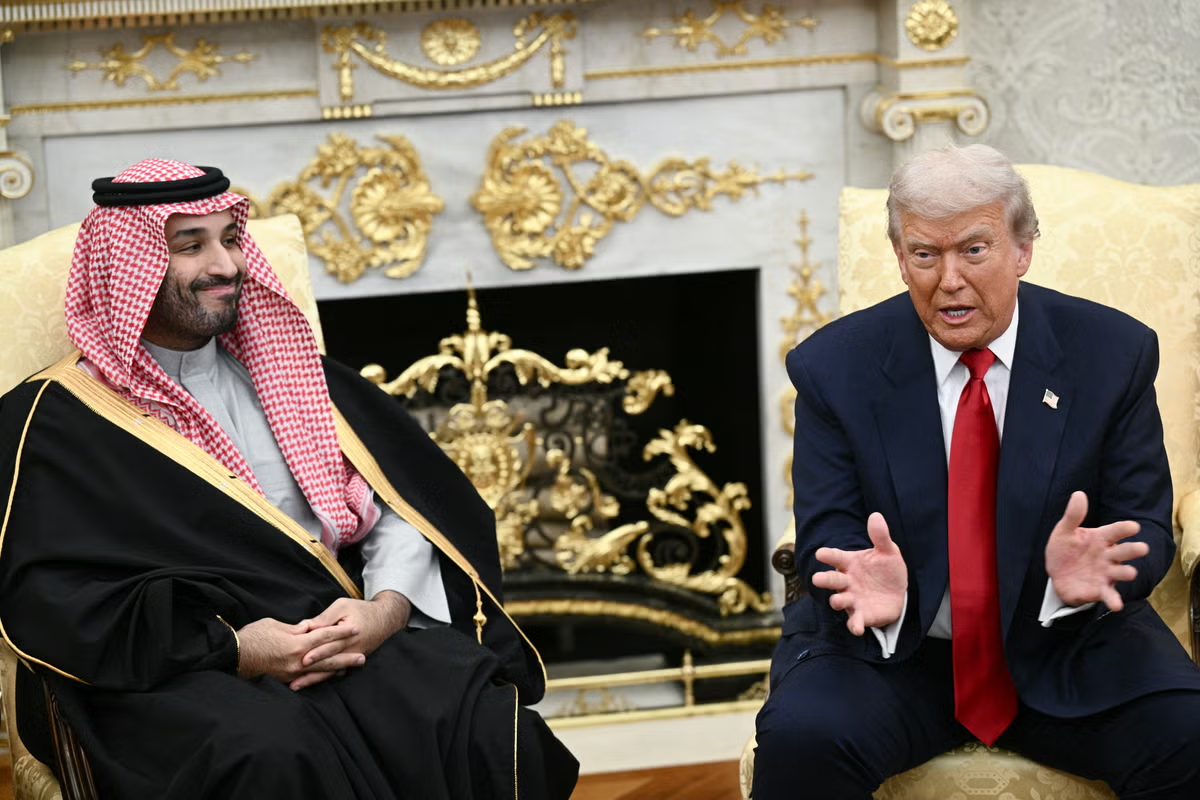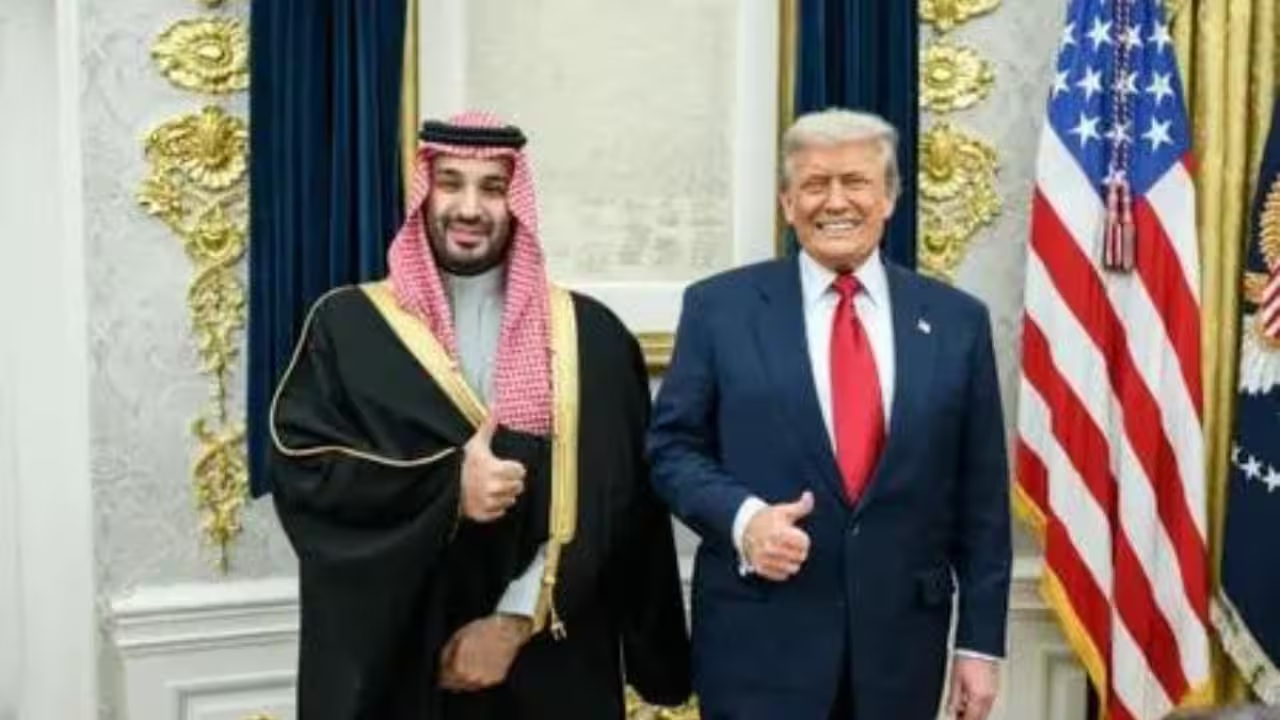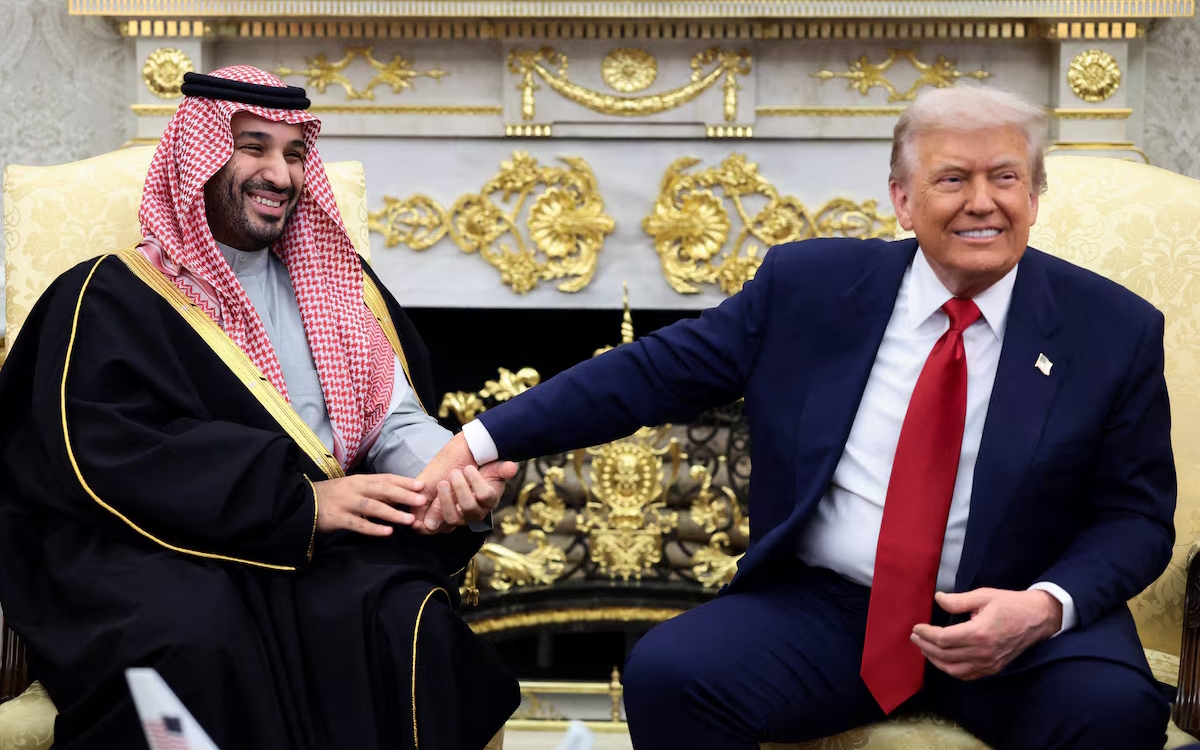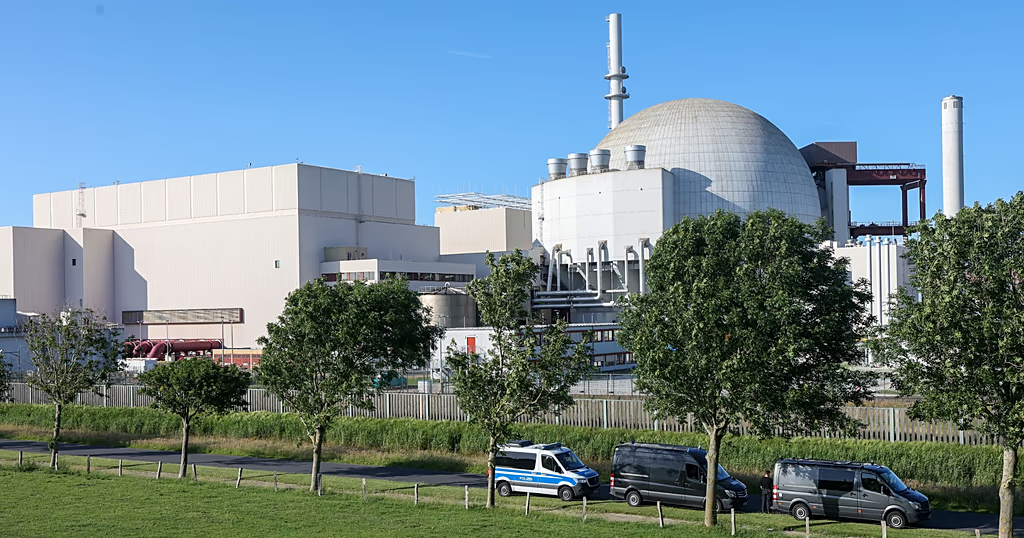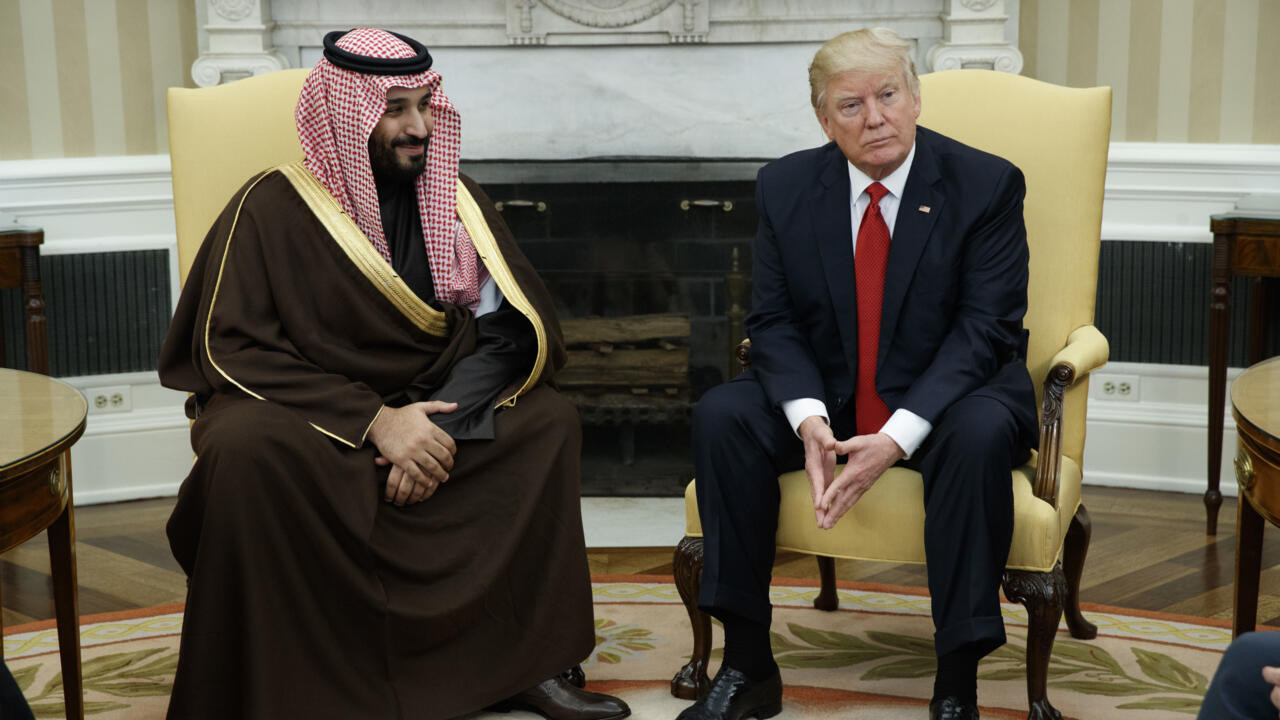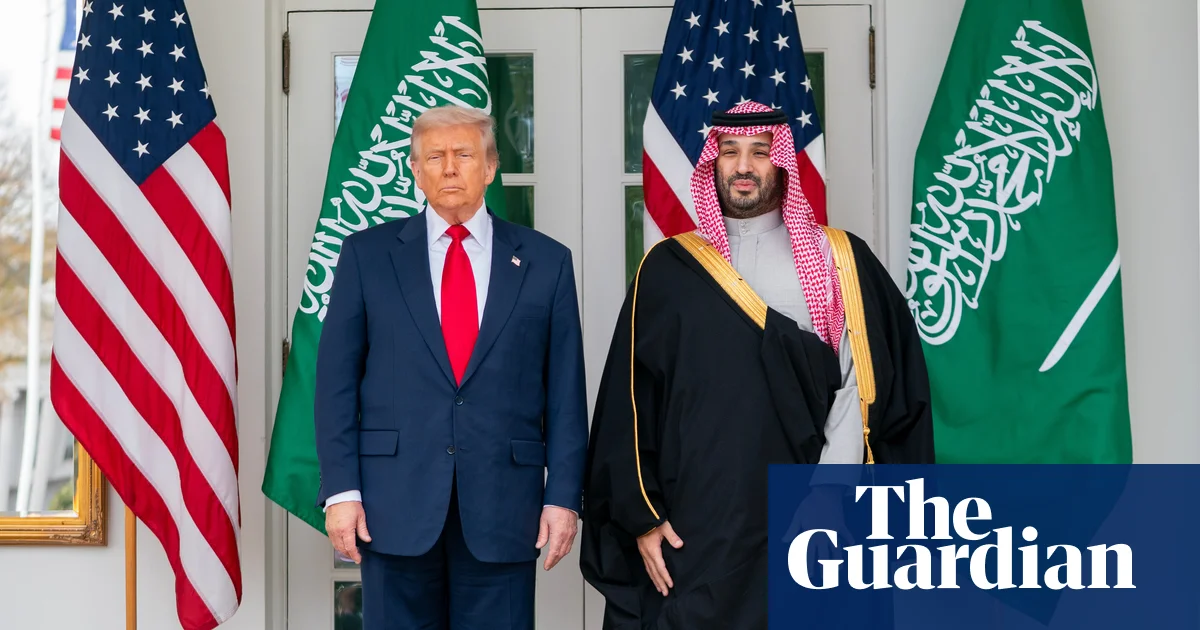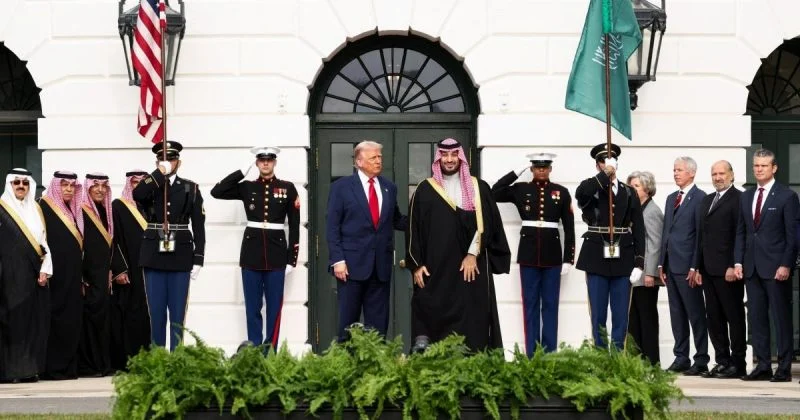
The United States and Saudi Arabia have signed a nuclear cooperation agreement that could pave the way for uranium enrichment on Saudi territory. The agreement, which marks a departure from traditional U.S. non-proliferation standards, has raised concerns about potential nuclear proliferation in the Middle East. The deal does not include the “gold standard” provision that would prohibit Saudi Arabia from enriching uranium and reprocessing spent nuclear fuel. This development has caused apprehension among regional actors, particularly Israel, and has implications for ongoing diplomatic negotiations involving Iran.
The recent agreement is seen as a significant shift in U.S. policy, potentially affecting regional dynamics, including the ongoing negotiations with Iran. Markets are reacting to the news with a decrease in expectations for Iran reconstruction funding to be part of a potential U.S.-Iran deal. The possibility of Saudi Arabia enriching uranium has introduced new uncertainties regarding Iran’s nuclear ambitions, influencing prediction markets focused on the U.S.-Iran nuclear negotiations.
Market participants have adjusted their expectations for a final U.S.-Iran nuclear deal by key dates in 2026. The current pricing suggests a decrease in confidence that such a deal will include key terms such as uranium enrichment caps or reconstruction funding for Iran. The odds for these outcomes have seen slight declines following the announcement of the U.S.-Saudi agreement.