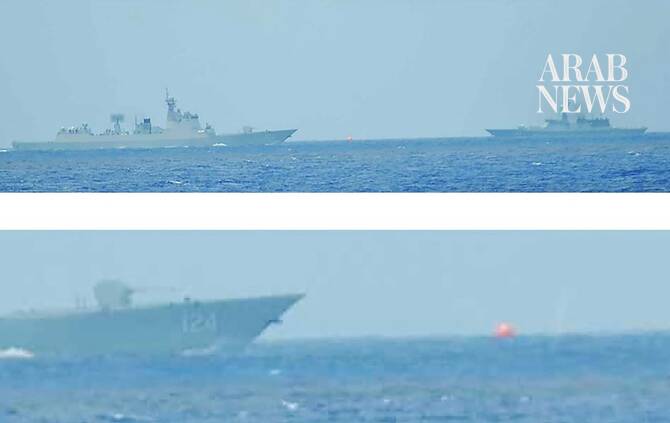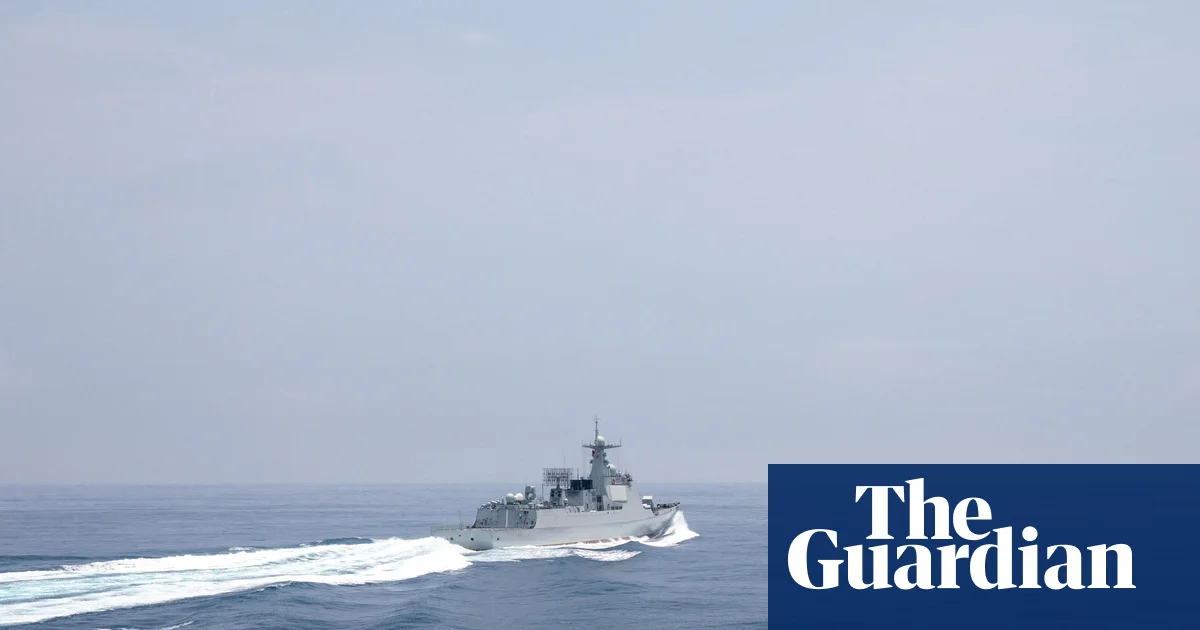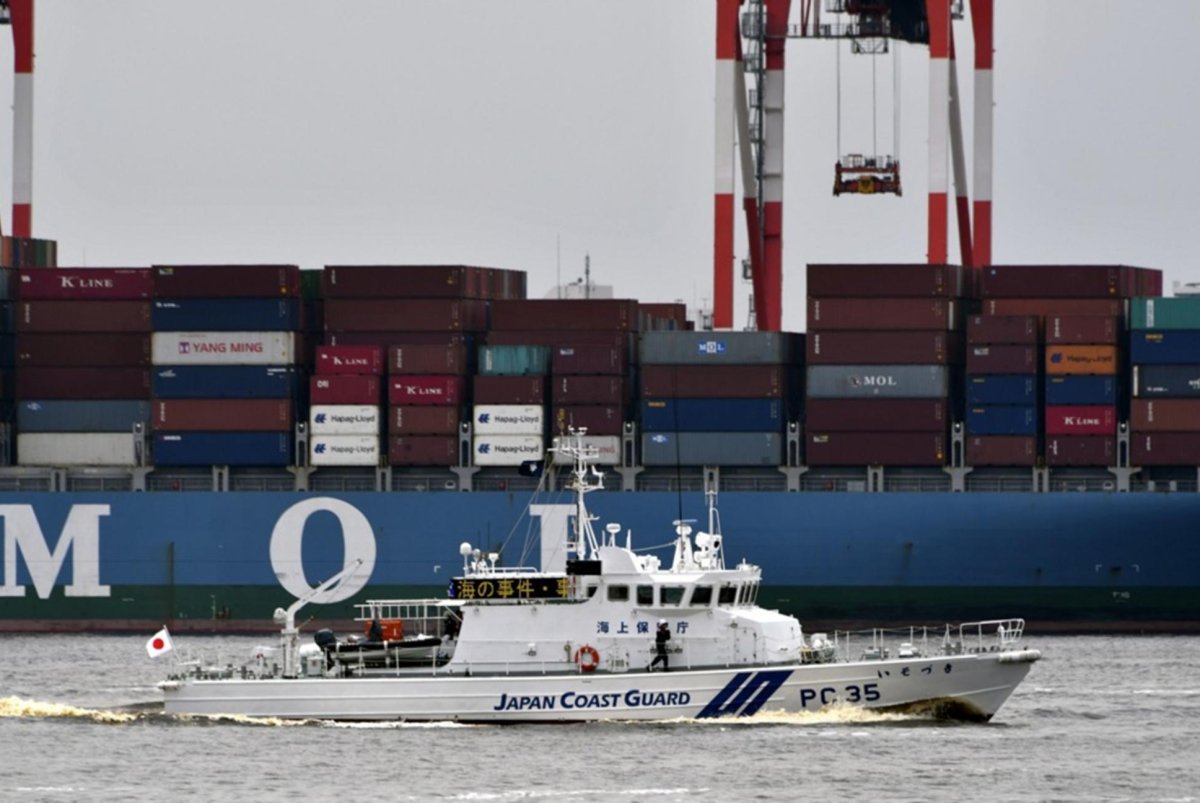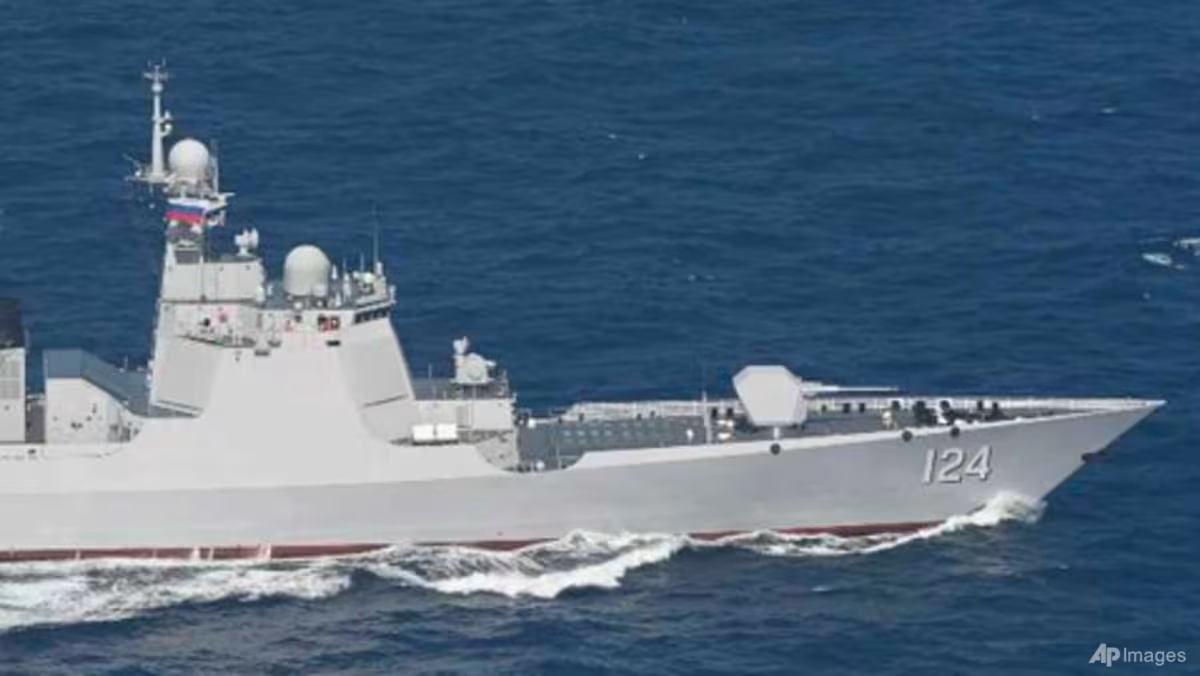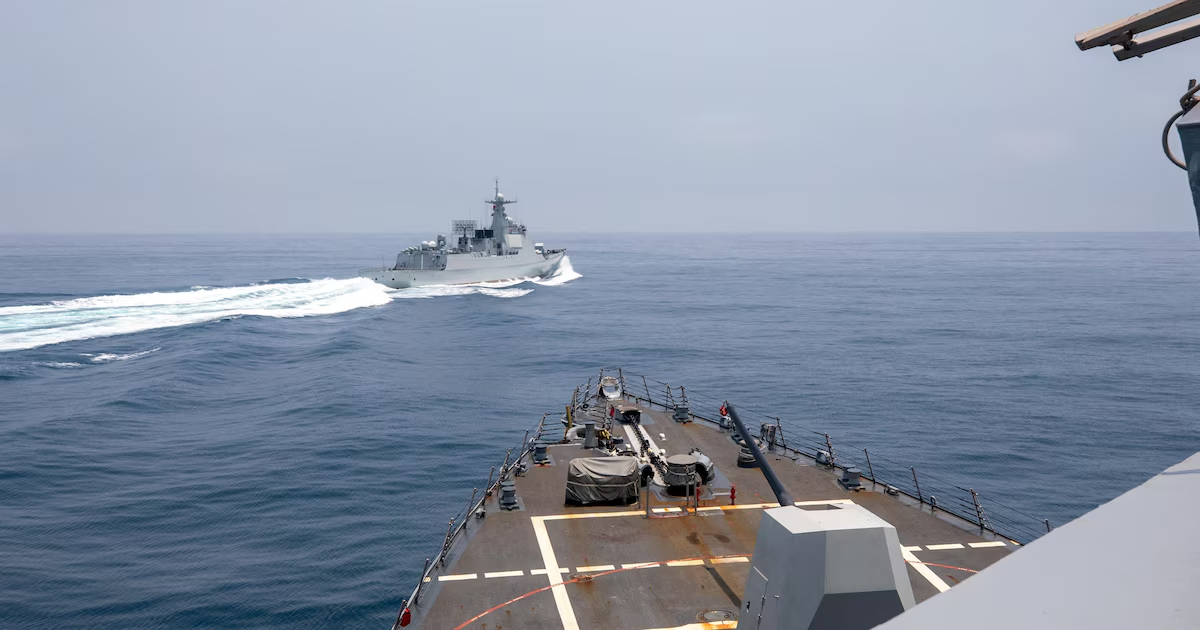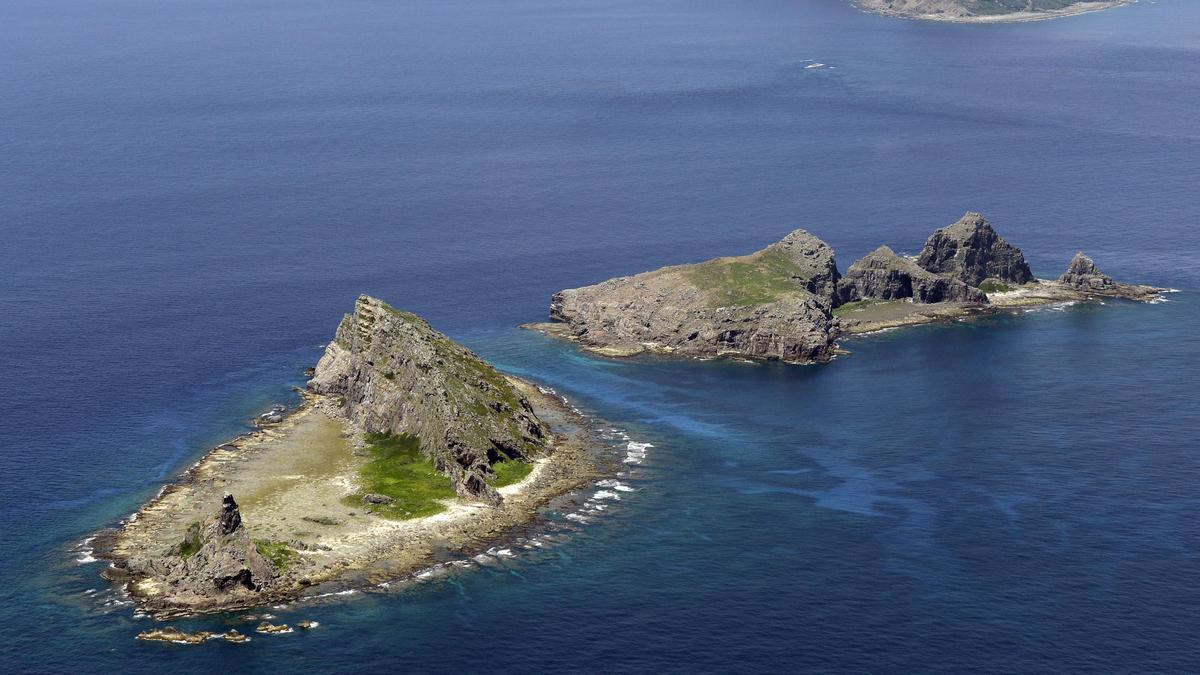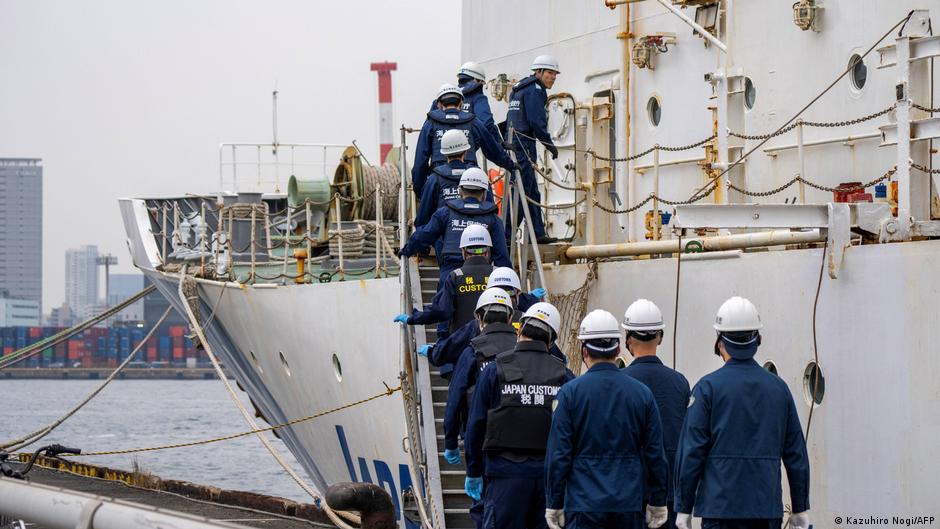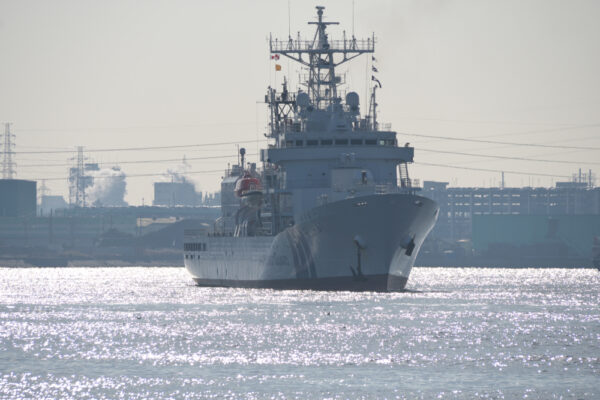
The Japanese Asahi Shimbun reported on June 9, 2026, that a China Coast Guard (CCG) vessel had been spotted navigating within Japan’s exclusive economic zone (EEZ) south of Yonaguni Island in Okinawa Prefecture, as announced at a press conference by Chief Cabinet Secretary Kihara Minoru that same day. Kihara explained that the CCG vessel had been detected by a Japan Coast Guard (JCG) patrol vessel. When the JCG queried the CCG vessel, it responded that it was conducting a “routine patrol” and asserted Chinese exercise of jurisdiction over the area. Moreover, China’s Foreign Ministry spokesperson Lin Jian confirmed at a regular press conference on June 9 that the CCG vessel had been “conducting patrols in accordance with the law,” before going on to declare that “Japan and the Philippines bypassing China to initiate the so-called maritime delimitation talks constitutes a severe violation of UNCLOS and other international laws and basic norms governing international relations. It also seriously infringes on China’s maritime rights and interests. China will by no means accept this.”
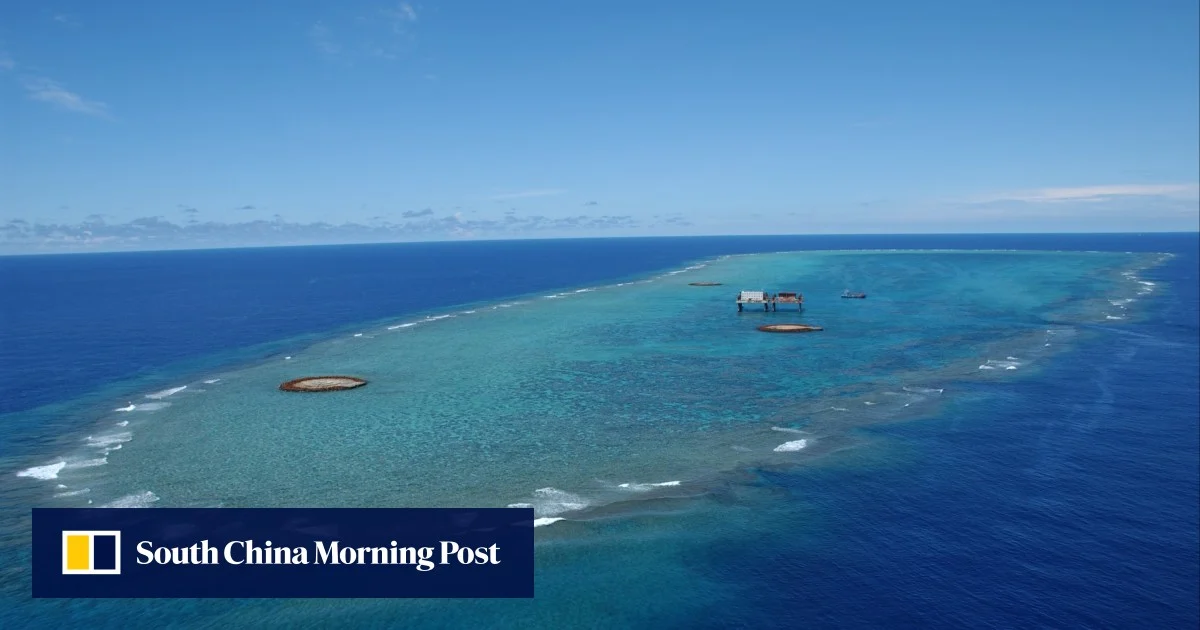
China has long made claims in Asian waters that are not grounded in the United Nations Convention on the Law of the Sea (UNCLOS), and since June this year it has been conducting “marine scientific research” (MSR) and patrols in accordance with Chinese domestic laws in Japan’s EEZ south of Yonaguni Island and east of Taiwan. The situation in these waters appears to be shifting from China merely asserting claims to a new phase of carrying out concrete activities — a gradual accumulation of facts on the water, as has been happening in the disputed parts of the South China Sea. The commencement of negotiations to delimit the maritime boundary between Japan and the Philippines has provided China with an “excuse” to advance to this new phase.