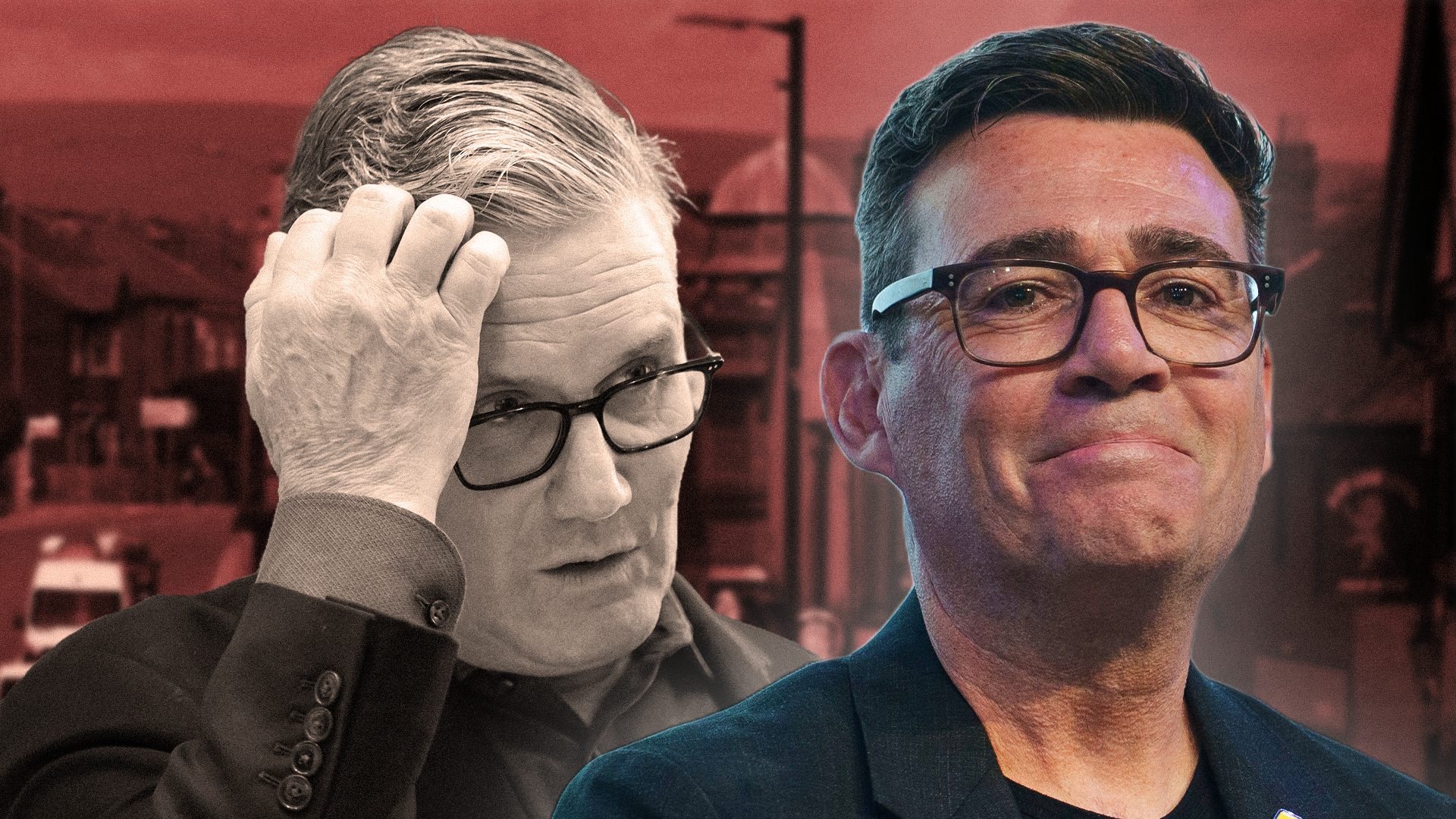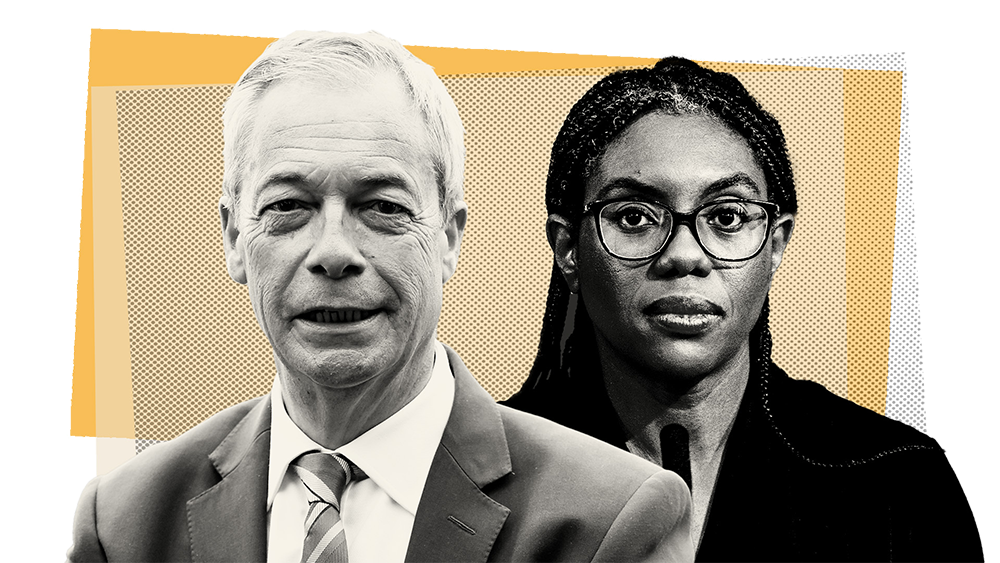
Kemi Badenoch was in an upbeat mood when she addressed her troops last week. ‘This time last year,’ she said to the 1922 Committee, ‘people told me Jenrick was taking over the party, Starmer was steady, Farage would be the next prime minister. A year later, Rob is under police investigation, Starmer has resigned and Farage is not even an MP.’ It was a reminder of how quickly the wheel of politics can turn.
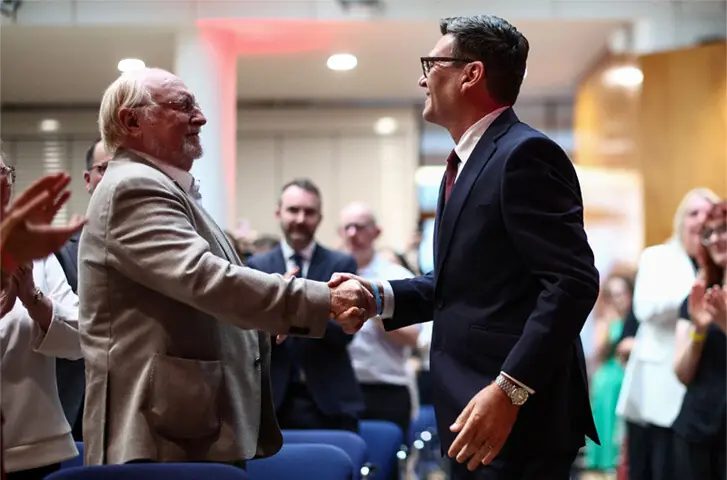
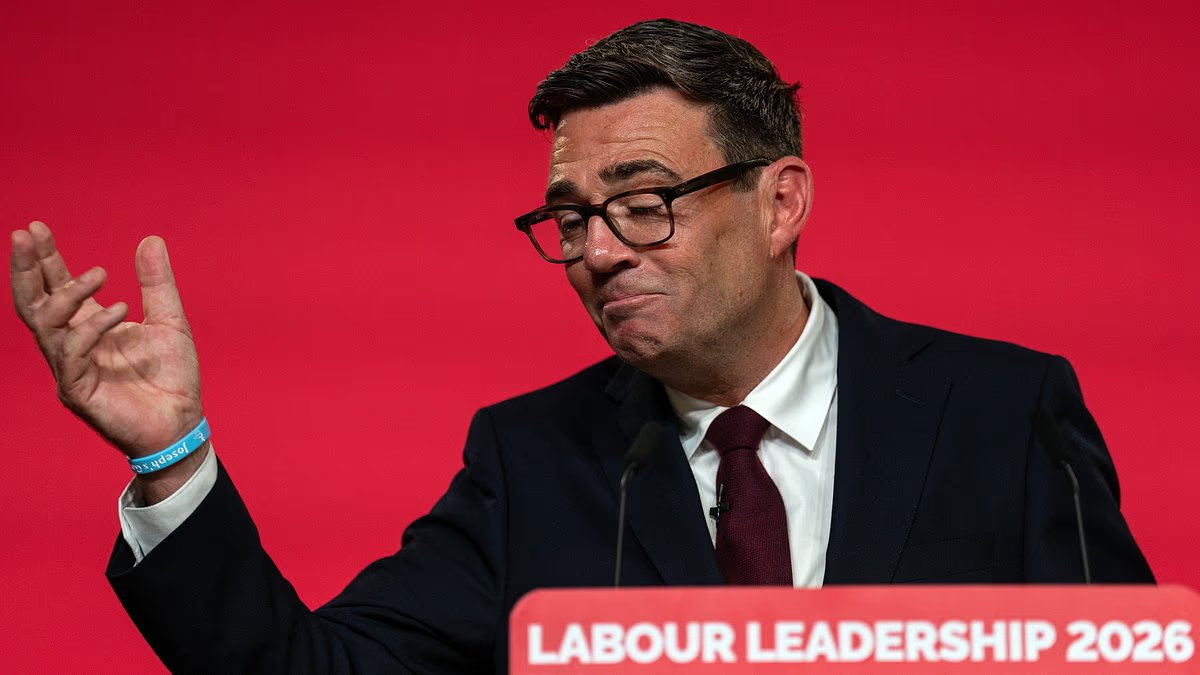
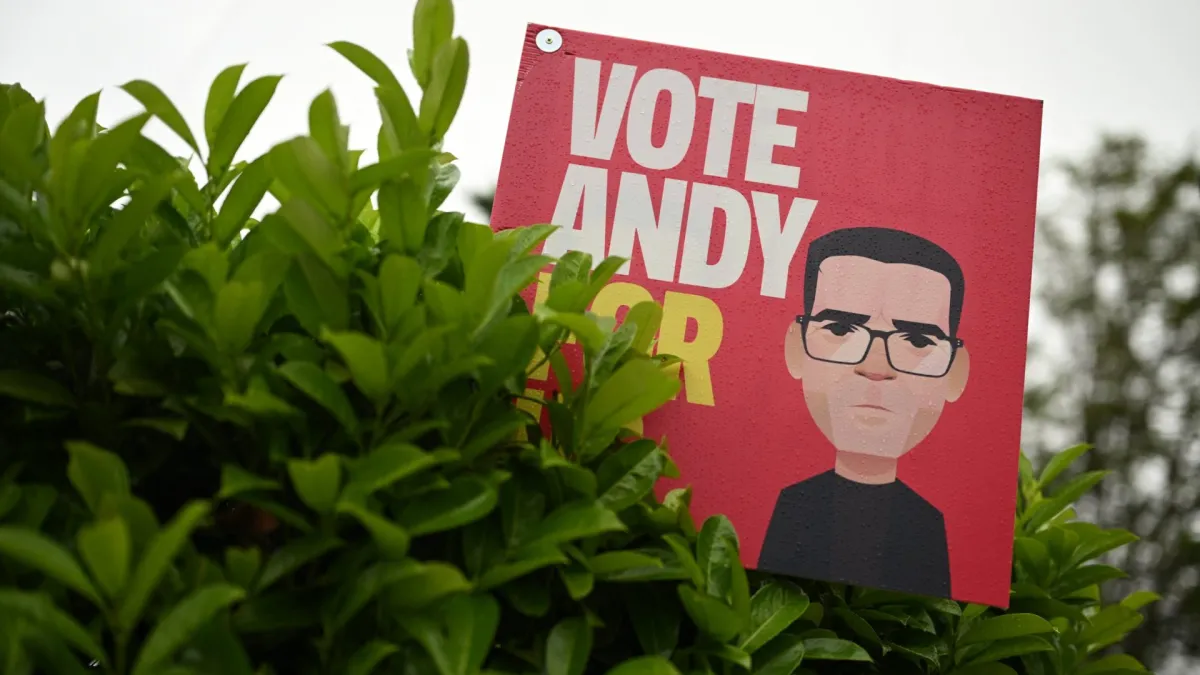
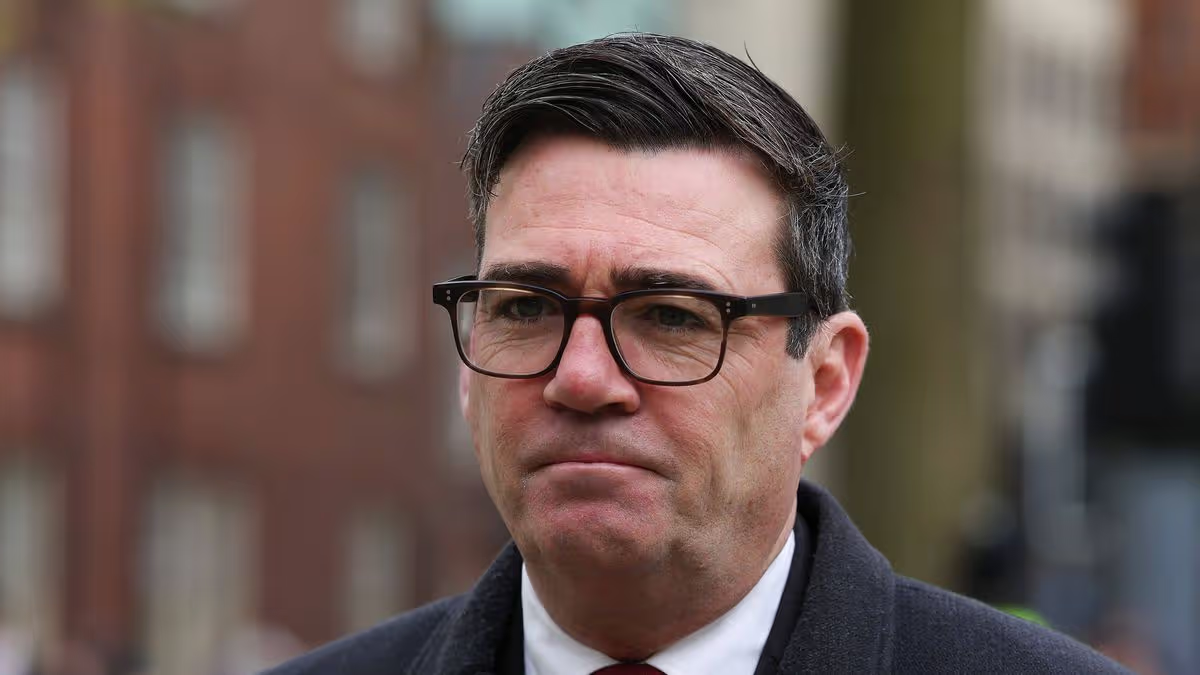
Now the arrival of Andy Burnham has reset Westminster. The cabinet has been re-orientated towards Birmingham and the north. Members of the Co-Operative party – the standard-bearers of Labour’s collectivist tradition – have been given the business, energy and education briefs. Mutualism, more than Manchesterism, could define the new government. In his first speech at No. 10, Burnham spoke of ‘wrong turns’ in the 1980s, stressing ‘public control’ and ‘common purpose’. His opponents and their teams were listening intently. Nigel Farage digested the speech in the back of a car en route to Clacton; Badenoch was with family, planning her remarks at the Farnborough Airshow. Ed Davey, in true Lib Dem fashion, was stuck at a local NHS meeting, before catching up with the speech later. Yet as they assess how best to respond, there is now a risk that each party retreats into its comfort zone.