Nigeria should press ahead with finishing its national identity project, and fast. No modern state can govern, plan, or protect a population it cannot properly count. After nearly two decades of fits and starts, the country is finally within sight of getting this right.
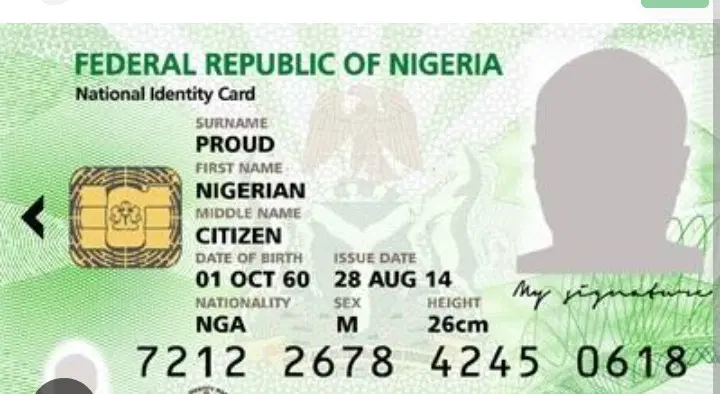
The numbers tell part of the story. More than 137 million Nigerians and legal residents are now enrolled in the National Identity database, up from roughly 117 million barely a year and a half ago. President Tinubu has signed a new law, the NIMC Act 2026, replacing the original 2007 statute, and has ordered the Commission to capture every last citizen by the end of this year.
This shows the administration’s resolve to achieve results in this sector, and that is also an ambitious deadline for a country whose actual population is still a matter of estimates rather than fact — anywhere between 200 million and 250 million. A serious identity system will finally largely settle that question.
None of this erases the project’s real troubles. Enrolment has been slowed for years by weak infrastructure, patchy funding, sparse centres, and the sheer difficulty of reaching remote communities. Public trust has taken hits too. Many Nigerians believe the database has, at various points, been too centralised, too slow, and too exposed to abuse. This includes persistent allegations that foreign nationals brought into the country during the Buhari years were registered alongside citizens.