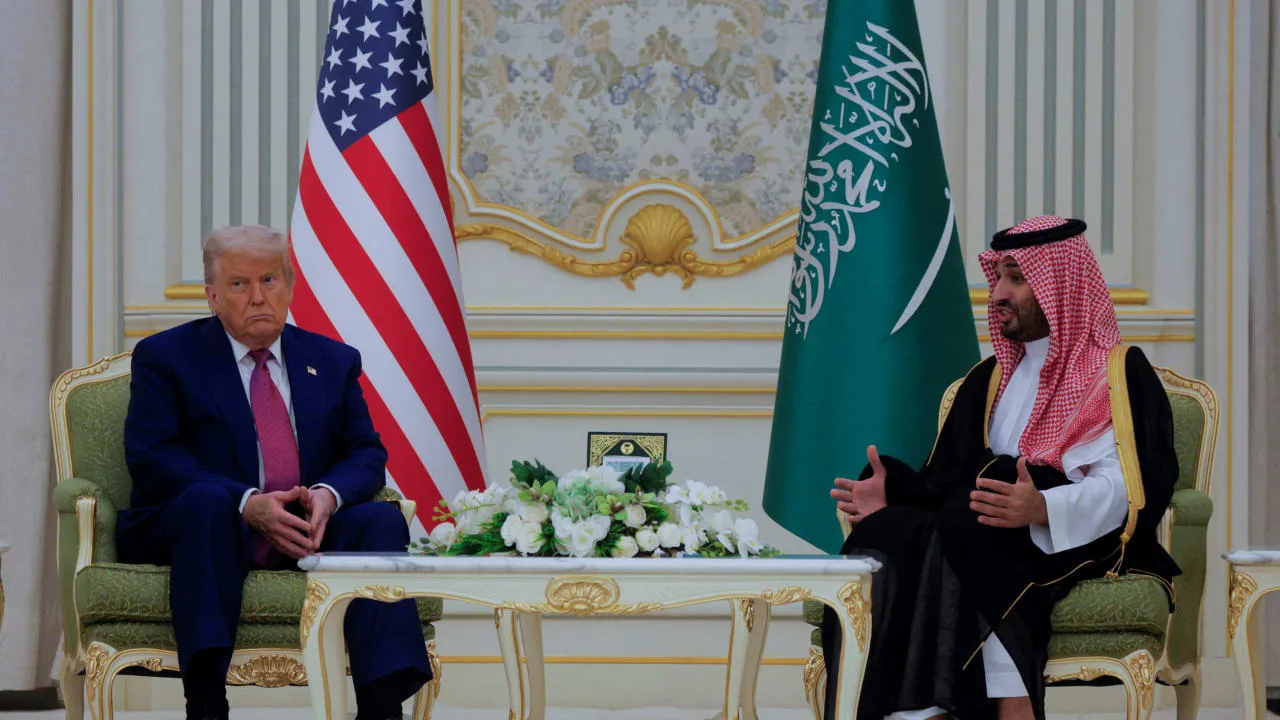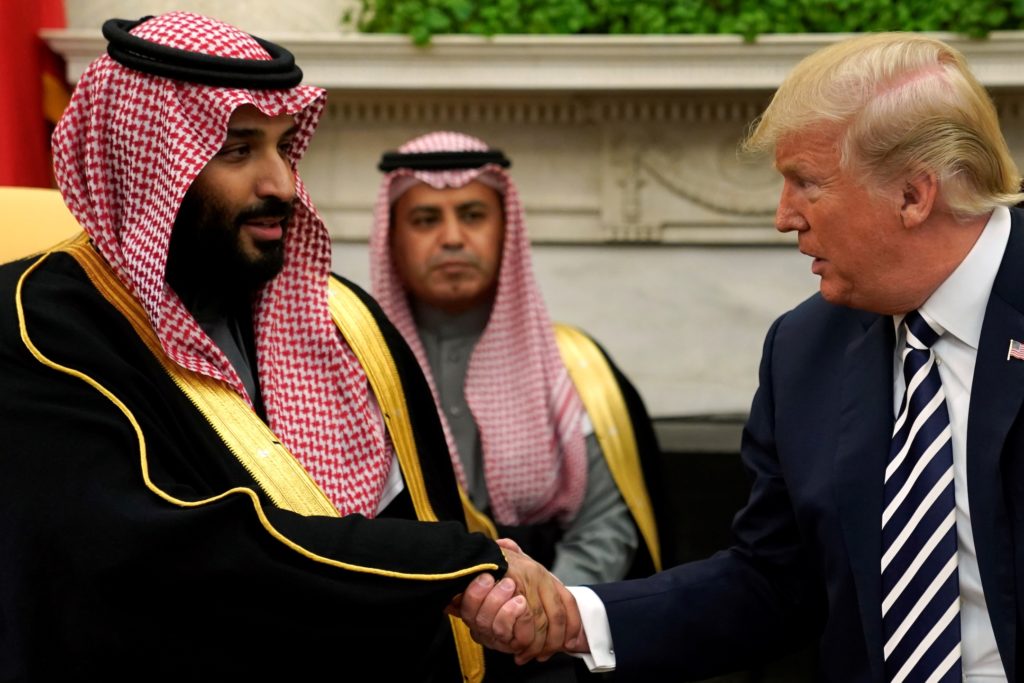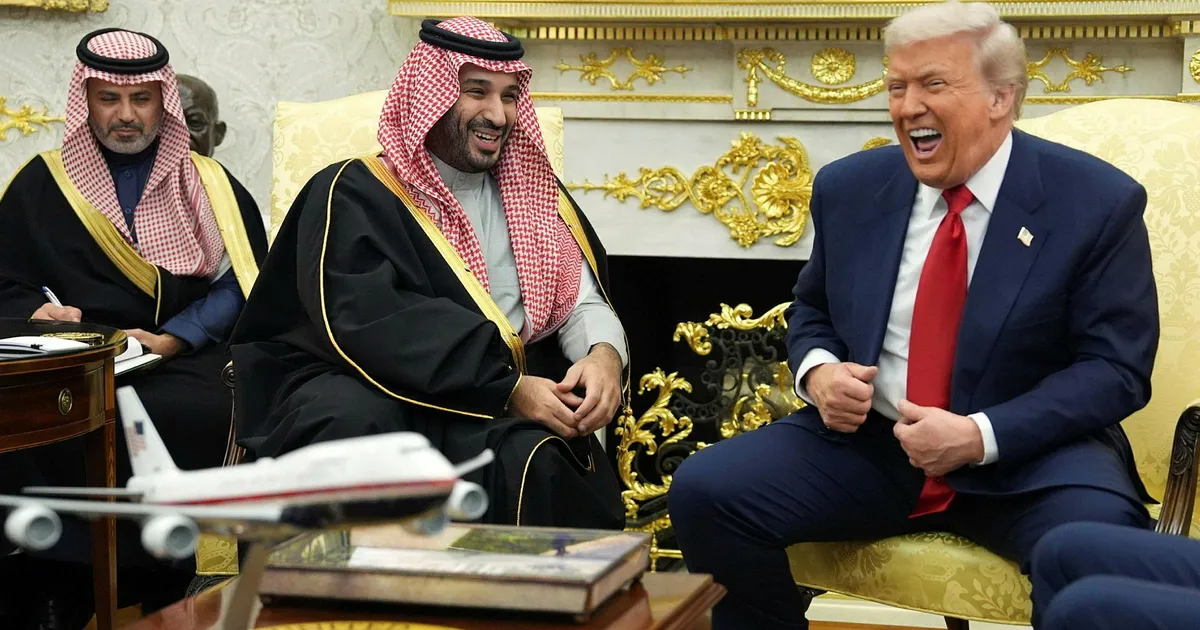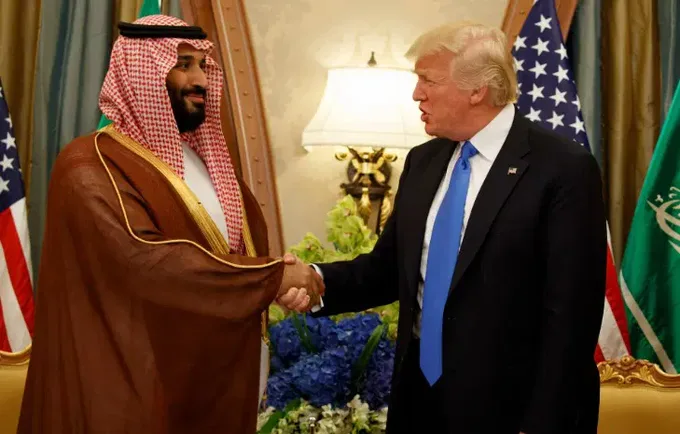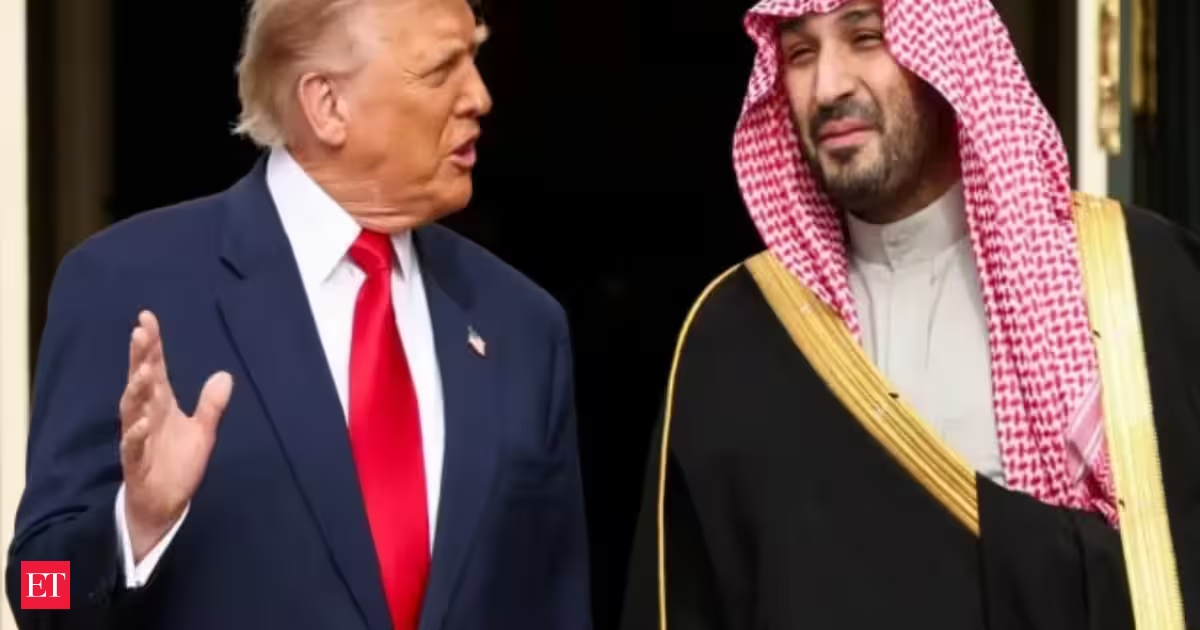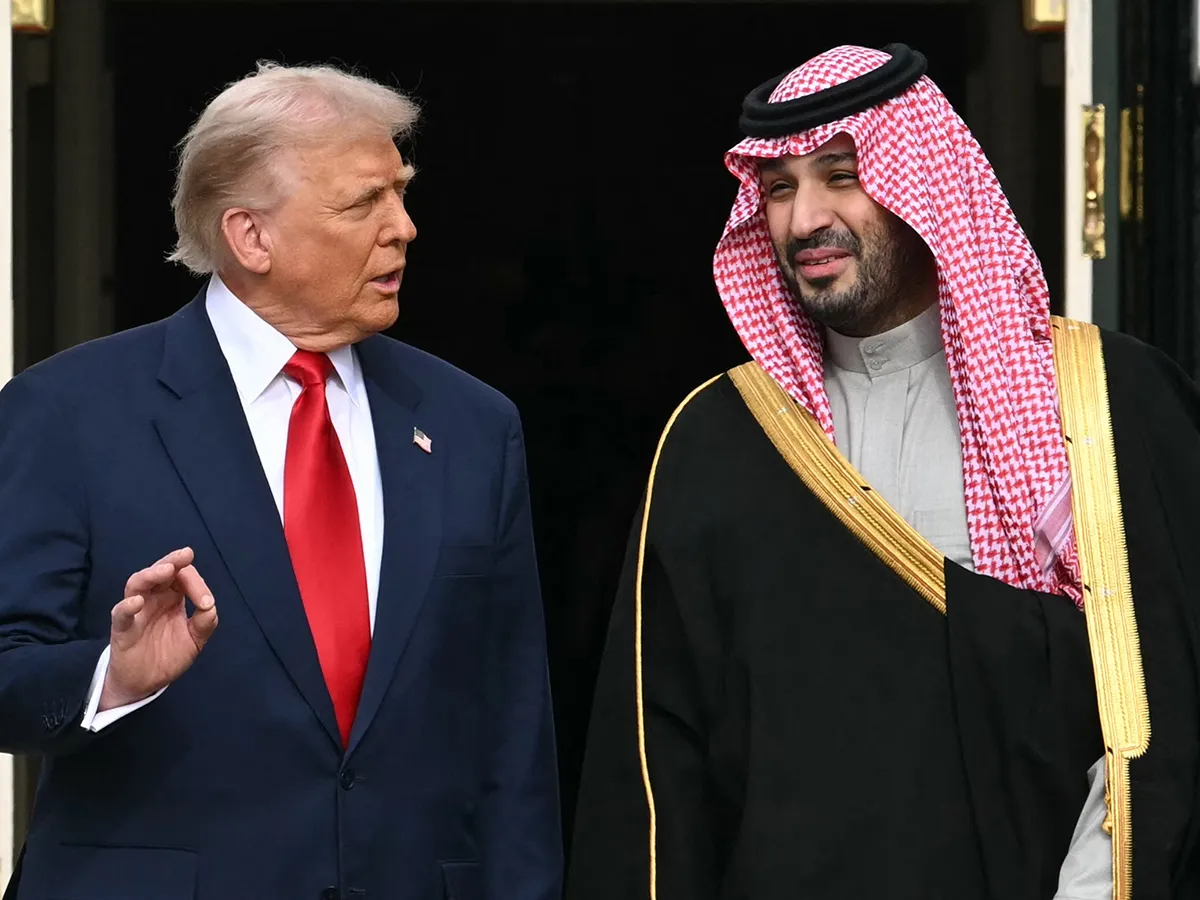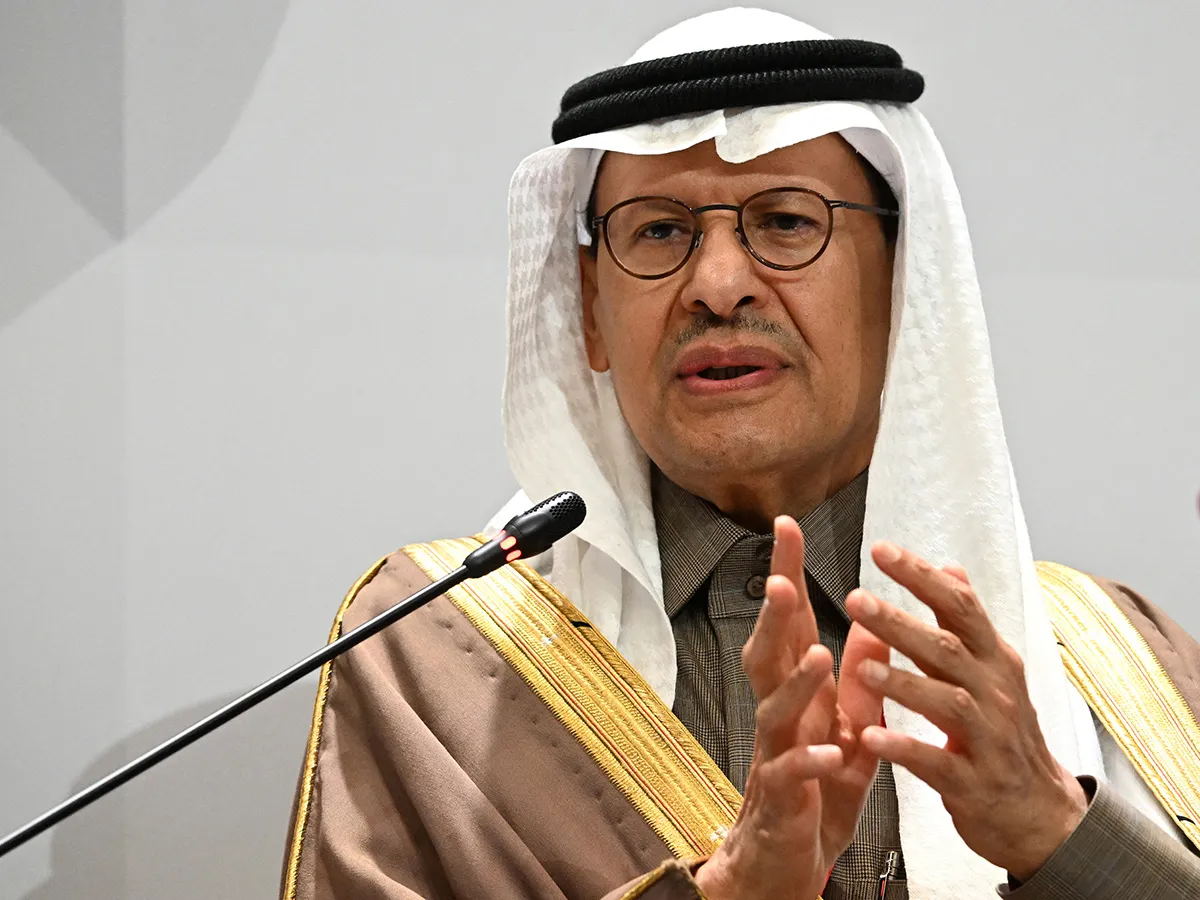
Skip to Content Subscribe Our Offers My Account Manage My Subscriptions FAQ Newsletters Canada Canadian True Crime Canadian Politics Health World Israel & Middle East Financial Post NP Comment Longreads Puzzmo Diversions Comics NP News Quiz New York Times Crossword Horoscopes Life Eating & Drinking Style Sponsored Play for Ontario Travel Travel Canada Travel USA Travel International Cruises Travel Essentials Culture Books Celebrity Movies Music Theatre Television Business Essentials Advice Lives Told Tails Told Shopping Buy Canadian Home Living Outdoor Living Kitchen & Dining Tech Style & Beauty Personal Care Entertainment & Hobbies Gift Guide Travel Guide Amazon Prime Day Deals Savings National Post Store More Sports Hockey Baseball Basketball Football Soccer Golf Tennis Driving Vehicle Research Reviews News Gear Guide Obituaries Place an Obituary Place an In Memoriam Classifieds Place an Ad Celebrations Working Business Ads Archives Healthing Epaper Manage Print Subscription Profile Settings My Subscriptions Saved Articles My Offers Newsletters Customer Service FAQ Newsletters Canada World Financial Post NP Comment Longreads Puzzmo Diversions Life Shopping Epaper Manage Print Subscription HomeNewsWorldIsrael & Middle EastU.S. announces deals to establish civilian nuclear program in Saudi ArabiaU.S. lawmakers from both parties and Israeli officials have voiced opposition to such a move over fears Saudi Arabia could eventually convert it to develop nuclear weaponsAuthor of the article:Last updated 22 hours ago You can save this article by registering for free here. Or sign-in if you have an account.Saudi Arabia's Minister of Energy Prince Abdulaziz bin Salman in June 2026. Photo by Olga MALTSEVA/AFP via Getty ImagesThe United States on Wednesday announced a landmark deal with Saudi Arabia that would establish a civilian nuclear program in the Gulf country, with Washington insisting the agreement includes safeguards against proliferation.Enjoy the latest local, national and international news.Exclusive articles by Conrad Black, Barbara Kay and others. Plus, special edition NP Platformed and First Reading newsletters and virtual events.Unlimited online access to National Post.National Post ePaper, an electronic replica of the print edition to view on any device, share and comment on.Daily puzzles including the New York Times Crossword.Support local journalism.Enjoy the latest local, national and international news.Exclusive articles by Conrad Black, Barbara Kay and others. Plus, special edition NP Platformed and First Reading newsletters and virtual events.Unlimited online access to National Post.National Post ePaper, an electronic replica of the print edition to view on any device, share and comment on.Daily puzzles including the New York Times Crossword.Support local journalism.Create an account or sign in to continue with your reading experience.Access articles from across Canada with one account.Share your thoughts and join the conversation in the comments.Enjoy additional articles per month.Get email updates from your favourite authors.Create an account or sign in to continue with your reading experience.Access articles from across Canada with one accountShare your thoughts and join the conversation in the commentsEnjoy additional articles per monthGet email updates from your favourite authorsSign In or Create an AccountorThe move comes as the United States under President Donald Trump fights a war with Iran that began in large part over concerns with Tehran’s nuclear program — an issue that remains a key point of contention during now-stalled peace talks.Two agreements — one on “peaceful nuclear cooperation” and another on “bilateral safeguards” — were signed by U.S. Energy Secretary Chris Wright and his Saudi counterpart Prince Abdulaziz bin Salman, the U.S. Energy Department said.Columnist Jesse Kline keeps you up to date with what’s happening in Israel and the effects of antisemitism on life here in Canada. Friday mornings.By signing up you consent to receive the above newsletter from Postmedia Network Inc.A welcome email is on its way. If you don't see it, please check your junk folder.The next issue of Channel Israel will soon be in your inbox.We encountered an issue signing you up. Please try againThe text of the deals were not immediately made public.“Together, these two agreements lay the legal foundation for a decades-long, multi-billion-dollar partnership that advances several priority economic and strategic objectives, including nuclear nonproliferation,” the department said in a statement.A provision in the deal would potentially see U.S. companies build a uranium enrichment facility in Saudi Arabia, the Wall Street Journal reported. The Energy Department statement made no mention of such a provision and did not offer comment when asked about it by AFP.The deal will be submitted to Congress for review, but the Republican-controlled legislature is unlikely to block its implementation.U.S. lawmakers from both parties and Israeli officials have previously voiced opposition to such a project over fears Saudi Arabia could eventually convert it to develop nuclear weapons.Saudi Arabia, like Tehran, has long been adamant about its right to pursue a civilian nuclear program. Last year it signed a mutual defence pact with nuclear-armed Pakistan.Washington has sought in recent years to include any deal concerning a nuclear agreement in a wider strategic play that would see Saudi Arabia normalize ties with Israel, along with the signing of a U.S.-Saudi defence pact.The United States signed a nuclear agreement with the kingdom’s neighbour the United Arab Emirates in 2009, although the country does not enrich its own uranium.A drone struck a generator in May near the UAE’s Barakah nuclear plant, the Arab world’s only such facility, causing a fire.Policymakers have long feared that if Iran produced a nuclear weapon, the move would set off an arms race across the Gulf.U.S. Energy Secretary Wright dismissed concerns about proliferation, insisting the deal was in Washington’s economic and strategic interest.“Rest assured, these agreements uphold the highest standards of nuclear safety and nonproliferation, while relying on the world’s best nuclear technology and scientists, designed right here in the United States,” he said in a statement.The U.S.-Saudi deal was signed under Section 123 of the U.S. Atomic Energy Act. The United States has agreements governing nuclear cooperation with more than 50 countries, although the extent varies by each deal.Experts said such a deal had been in the works for a considerable period, but some raised concerns about the potential for enrichment on Saudi soil.“It would be a mistake to allow Saudi Arabia the capability for enrichment,” said Matthew Kroenig of the Atlantic Council in comments made before the deal was formally announced.“Washington is right to strengthen its relationship with Riyadh, but it should not do so at the expense of its effective nuclear weapons nonproliferation standards.”Jennifer T. Gordon, director of the Atlantic Council’s Nuclear Energy Policy Initiative, lauded the agreement as a “win for the United States over Russia and China.”“Saudi Arabia has made it clear that it will purchase nuclear energy technologies and begin a civil nuclear program; the only question has been whether the kingdom would choose to work with the US and its allies, or whether it would turn to Russia or China,” she said. Join the Conversation This website uses cookies to personalize your content (including ads), and allows us to analyze our traffic. Read more about cookies here. By continuing to use our site, you agree to our Terms of Use and Privacy Policy.
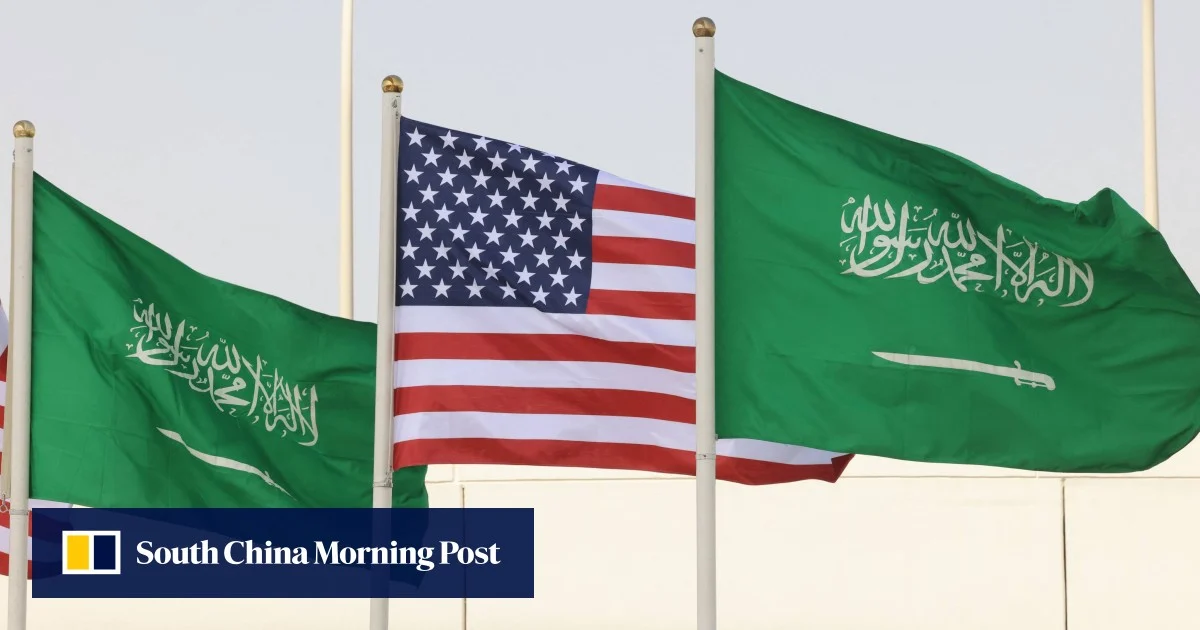
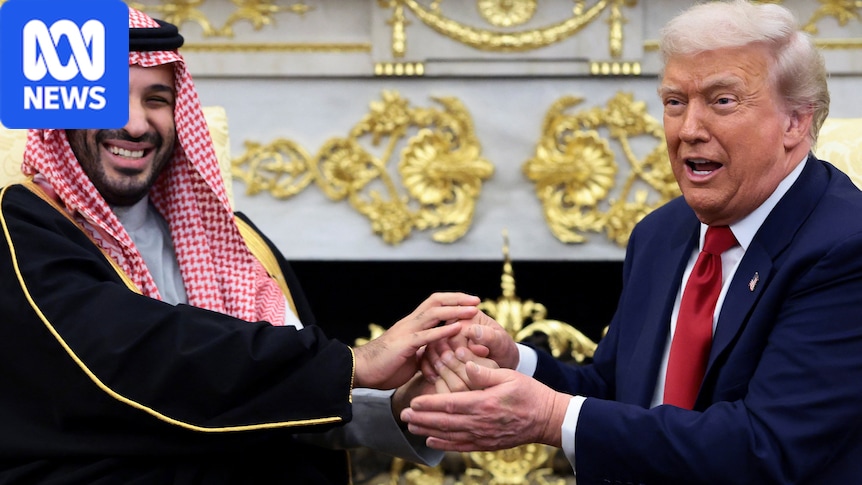
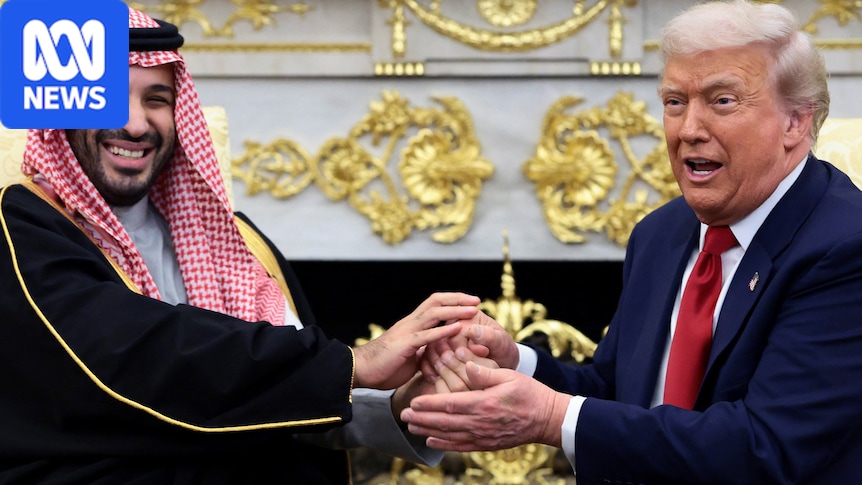
U.S. announces deals to establish civilian nuclear program in Saudi Arabia
Some US lawmakers and Israeli officials have opposed such a move, fearing the Saudis could eventually convert it to develop nuclear weapons.
1,159 words~5 min read