A breakthrough in communications research may have solved a key problem with one of the enabling technologies set to underpin future 6G networks.
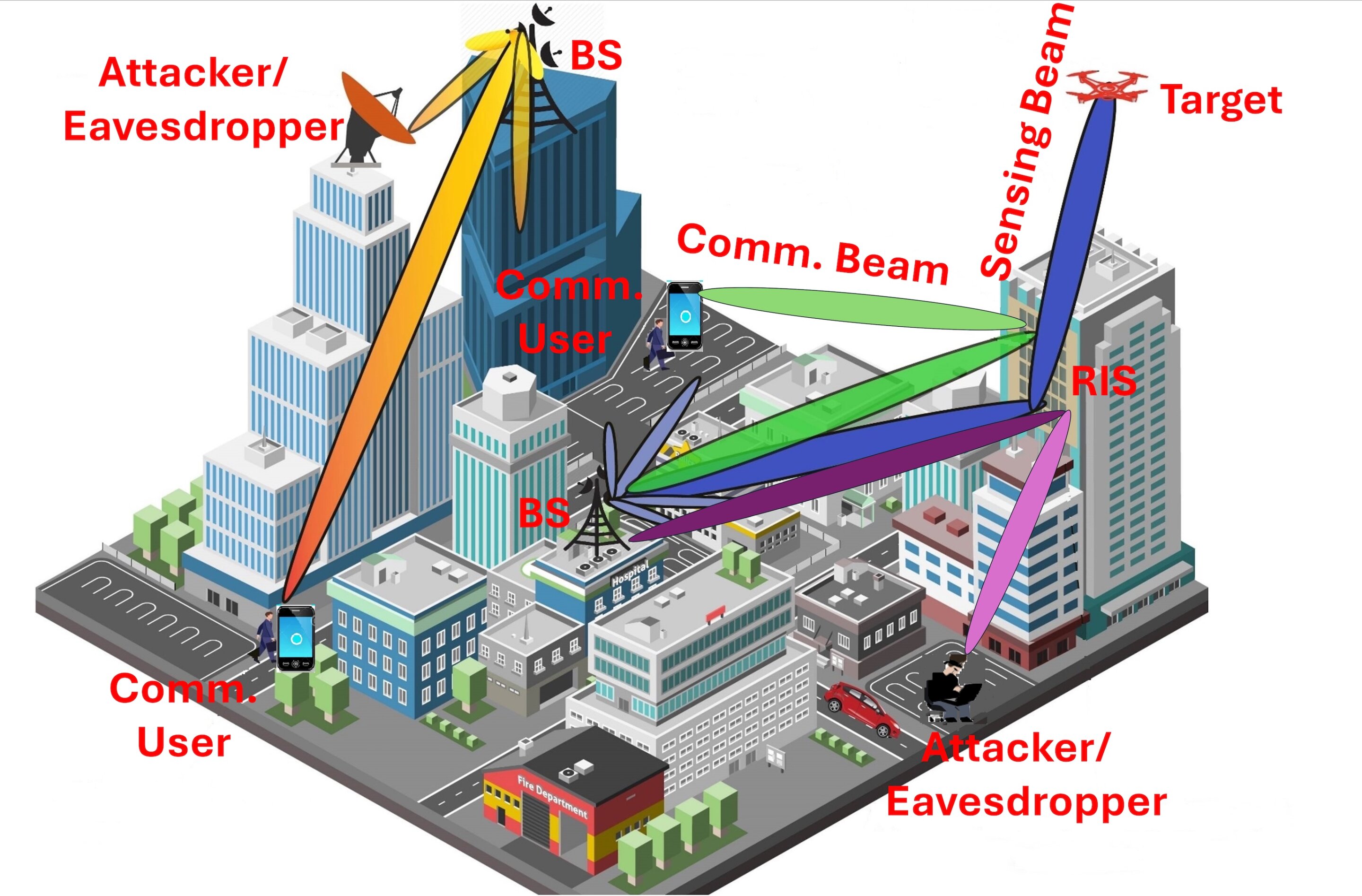
A team of engineers led by the University of Glasgow has found a way to help wireless signals redirected by reconfigurable intelligent surfaces cut through the omnipresent electromagnetic interference caused by the ultraconnected modern world.
The research, recently published, could help ensure that the next generation of communications technologies is reliable and secure. These future networks are expected to deliver integrated sensing and communications, or ISAC, combining ultrafast data transfer with sophisticated awareness of the world around them to deliver advances in areas including health care, automation and transportation.
The number of connected devices on the planet is currently estimated to be more than double Earth's human population of 8 billion. These computers, phones, wearable devices, vehicles and machines communicate with each other over Wi-Fi, Bluetooth and mobile phone networks, each contributing to the growing issue of electromagnetic interference, or EMI. As EMI rises, it becomes more challenging for devices to communicate clearly with each other through the constant background noise.