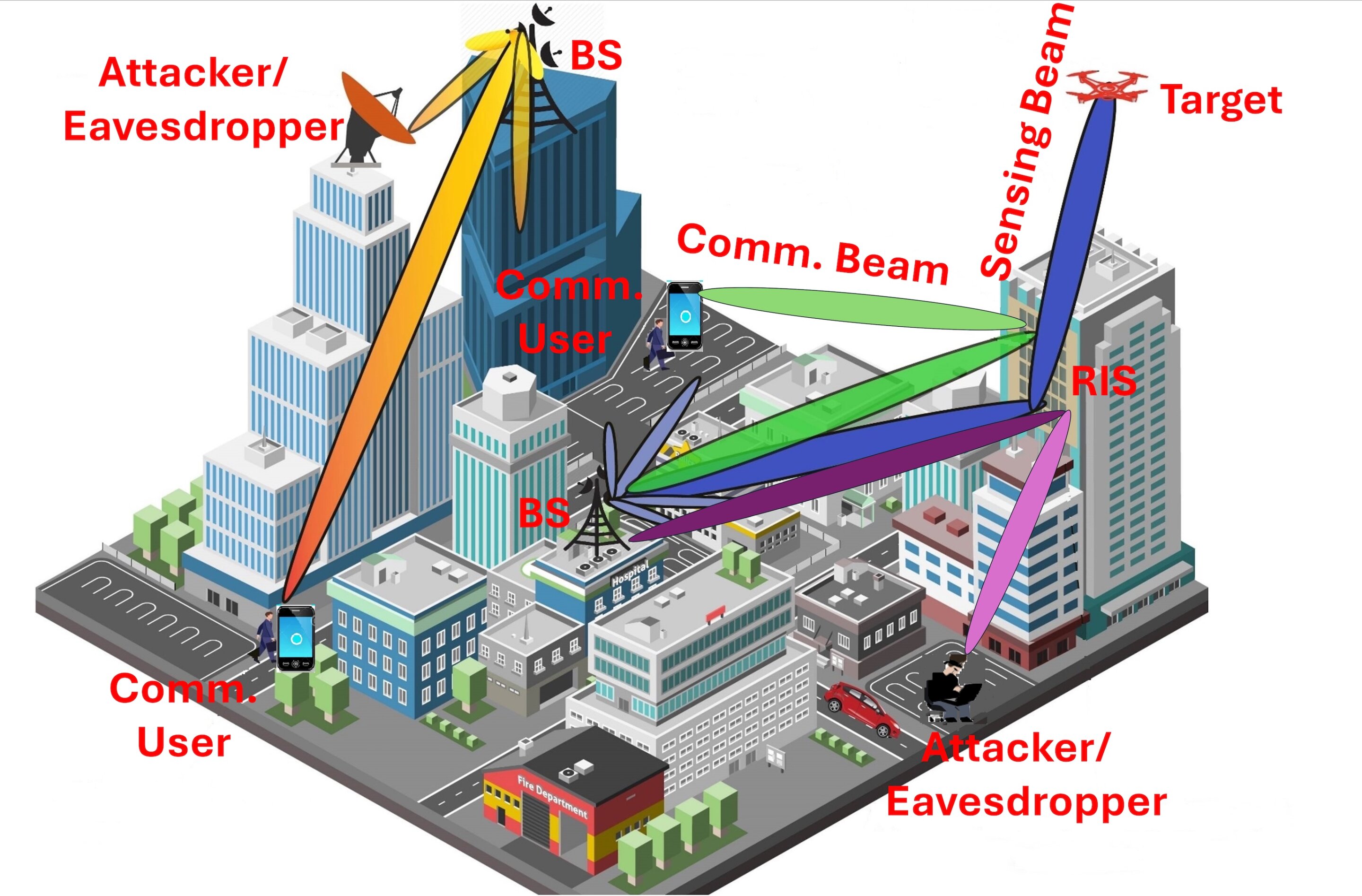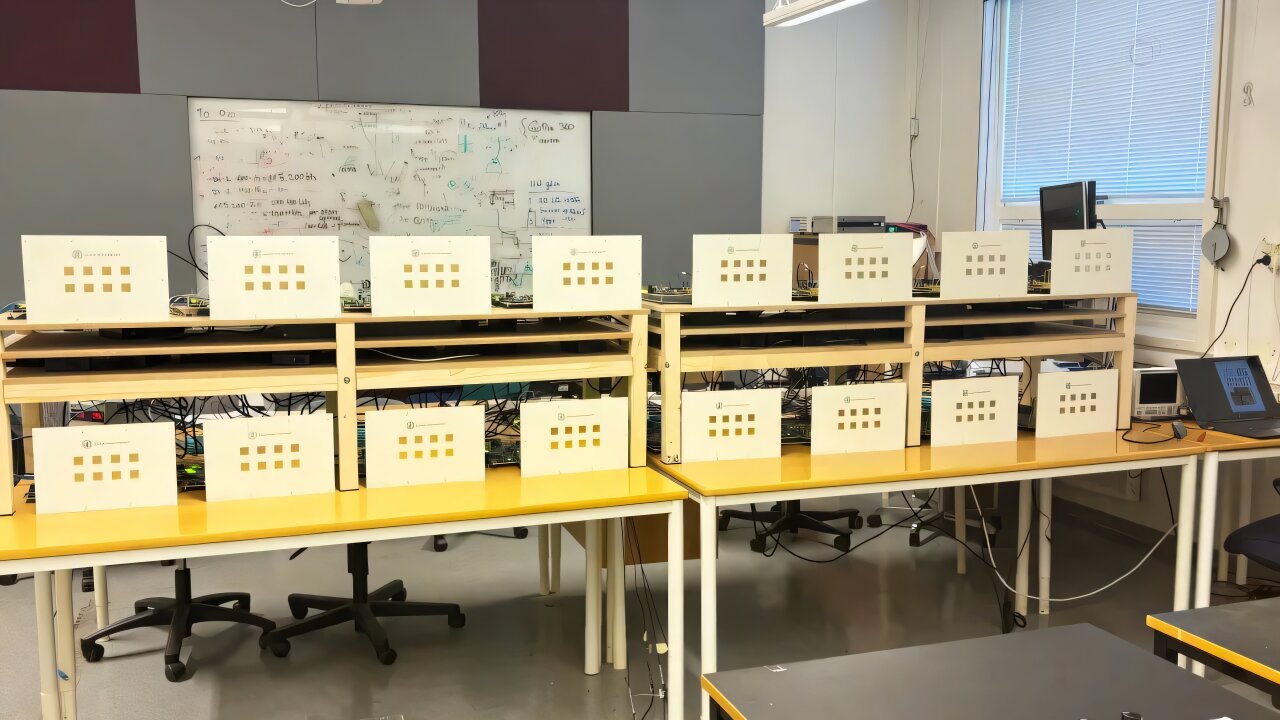
Researchers at the Faculty of Engineering (LTH) at Lund University in Sweden have developed one of the world's most advanced test environments for the wireless communications of the future. Using the new test system, researchers have demonstrated for the first time that a distributed wireless network with 256 digitally beam-steered antennas can operate in real time. The breakthrough opens new opportunities to develop the technologies expected to be central to future 6G networks.
"We have demonstrated that the technology works using 256 antennas sited at different locations, where signals and data are managed in a coordinated manner in real time," says Dumitra Iancu, a doctoral student in integrated electronic systems at LTH.
The demand for new communication technology is growing rapidly. The number of internet users continues to grow, while industrial digitalization, autonomous vehicles and new critical societal services are placing ever-greater demands on capacity, reliability and security. At the same time, the radio frequencies used to transmit wireless signals are a limited resource that must be used more efficiently. Resolving that issue is an important step toward the wireless networks of the future.