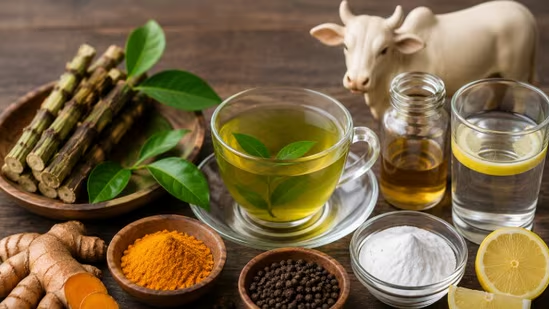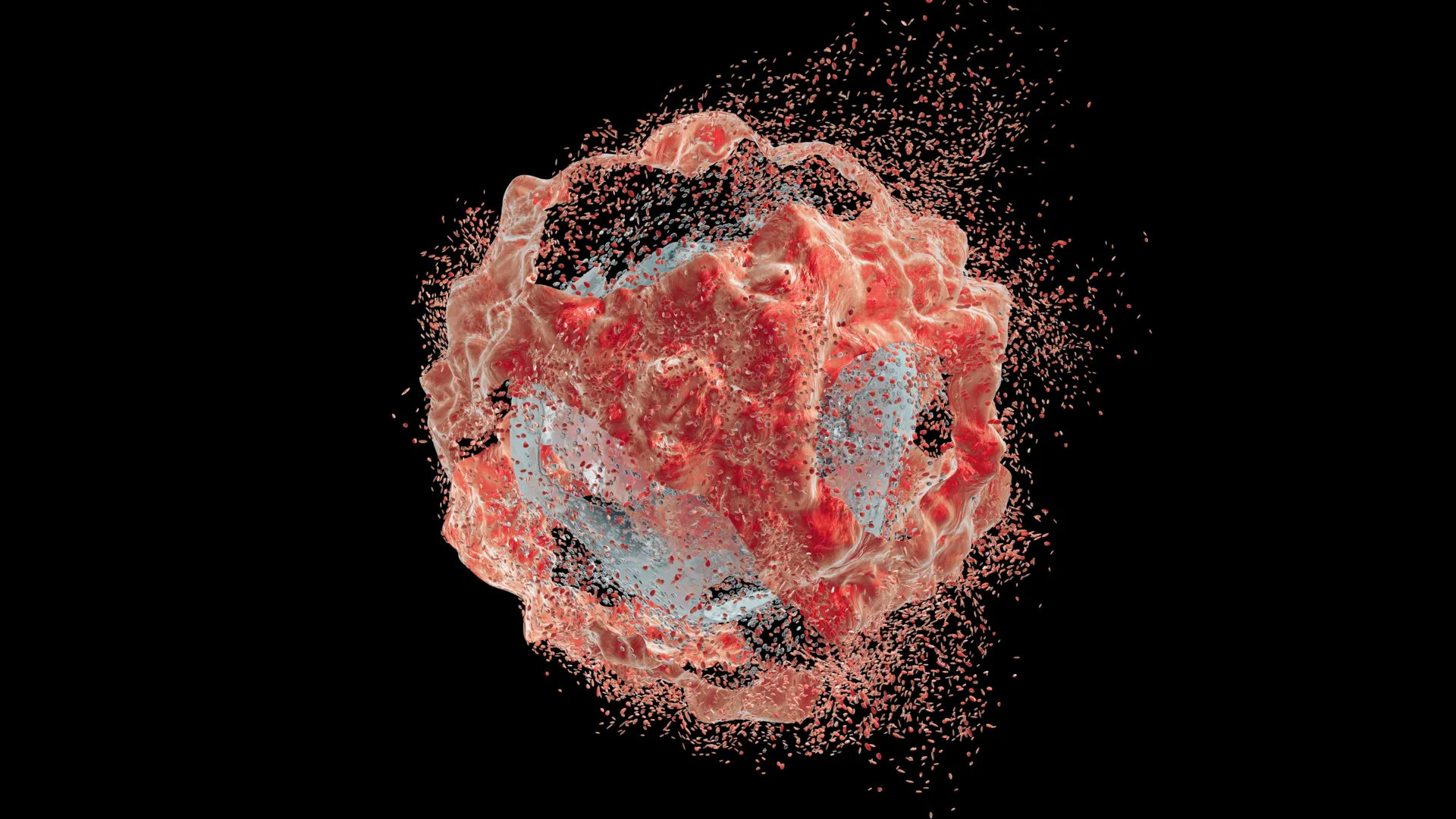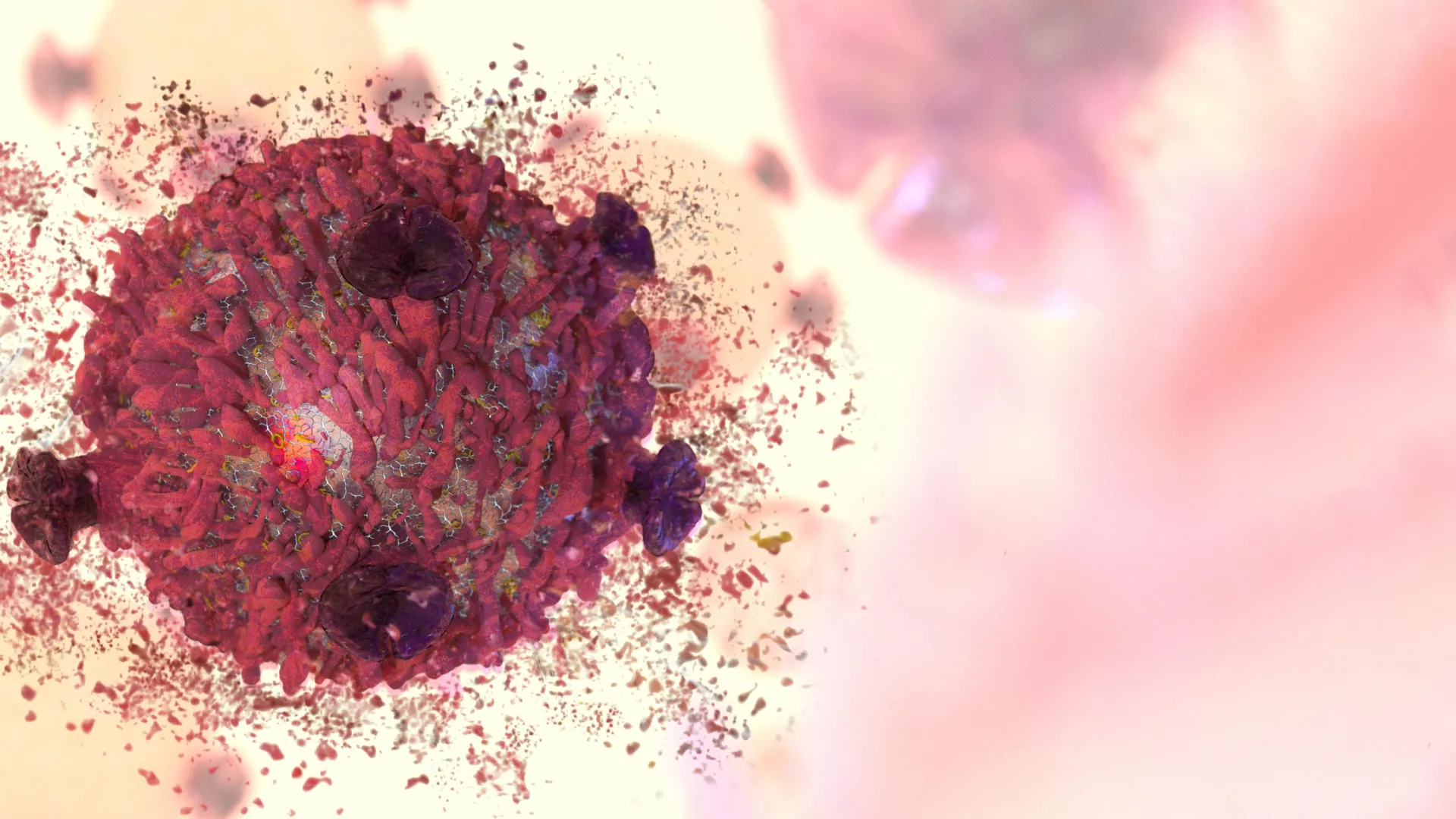
Curcumin, berberine and other plant-derived compounds have long attracted scientific interest because of their anti-inflammatory and anticancer properties. A new study by researchers from Wroclaw Medical University and the University of Wroclaw, however, shows that not all natural compounds act in the same way, and strong anticancer activity does not always go hand in hand with a favorable safety profile.
The researchers compared five compounds: curcumin, berberine, biochanin A, cucurbitacin E and CAPE (caffeic acid phenethyl ester), a component of propolis. They investigated how these substances affected fibrosarcoma cells and healthy muscle cells. The findings are published in the International Journal of Molecular Sciences.
A cellular control switch
The study focused on the NF-κB signaling pathway, which regulates inflammation, metabolism, cell survival and cellular aging.
"NF-κB acts like a central control switch that integrates cellular stress signals and determines whether a cell activates inflammatory pathways, fights for survival or changes its metabolism," said Julita Kulbacka, a professor in the Department of Molecular and Cellular Biology at Wroclaw Medical University.