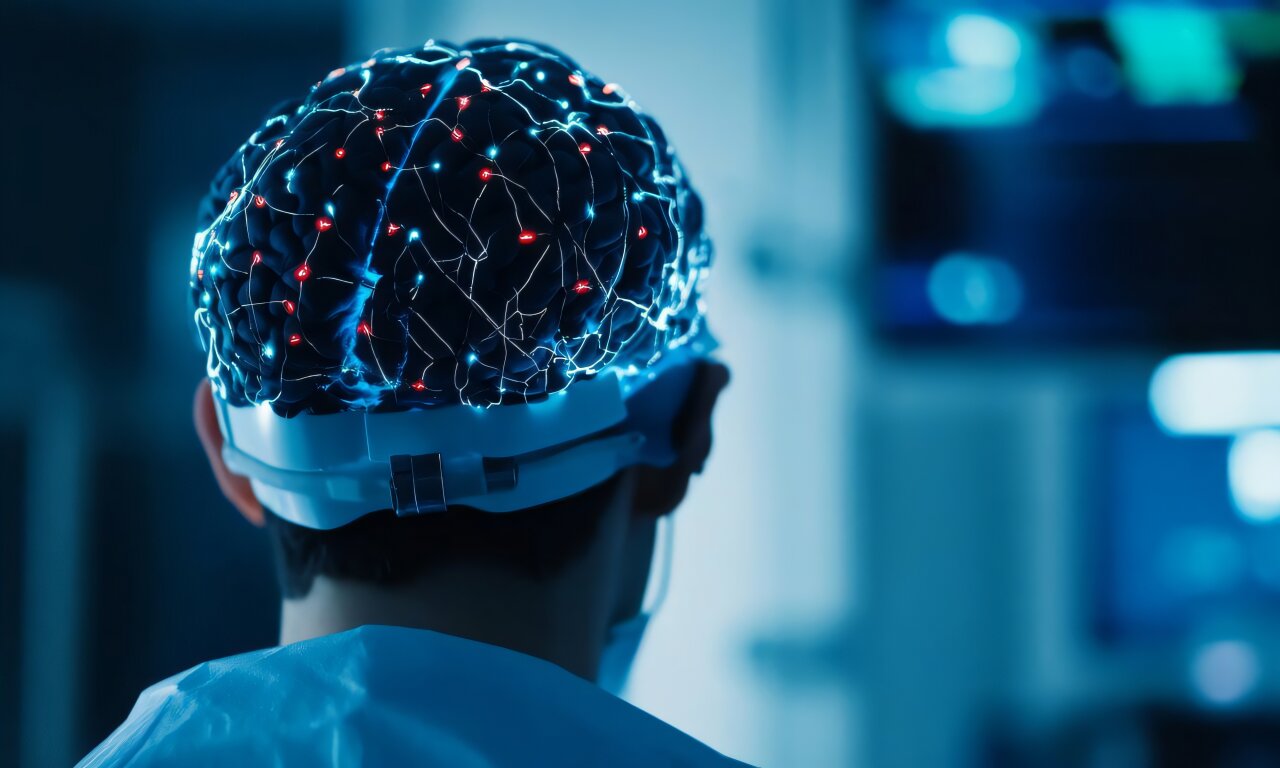
Researchers from Universidad Carlos III de Madrid (UC3M) and Hospital Universitario Severo Ochoa in Leganés, part of the public health network of the Comunidad de Madrid, have developed a methodology that uses artificial intelligence (AI) to analyze brain electrical activity during sleep and facilitate the early diagnosis of Alzheimer's. The study, recently published in the journal GeroScience, demonstrates that analyzing nocturnal brain waves using machine learning techniques makes it possible to noninvasively identify early neural alterations and classify patients into three distinct biological subgroups.
Alzheimer's is a progressive neurodegenerative disease whose clinical symptoms typically manifest 10–20 years after the onset of pathological processes in the brain. Currently available drugs are only effective if administered in the early stages of the disease.
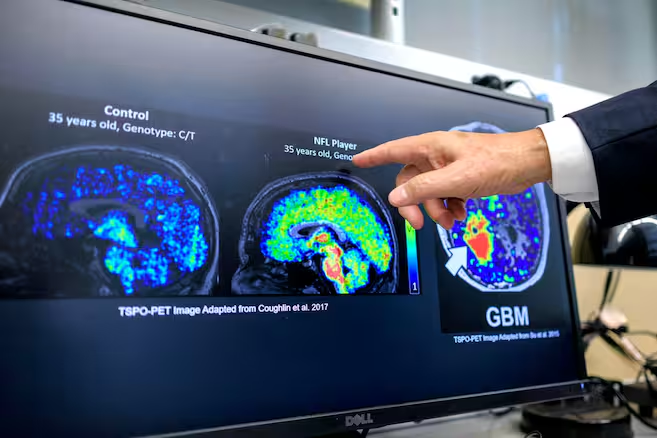
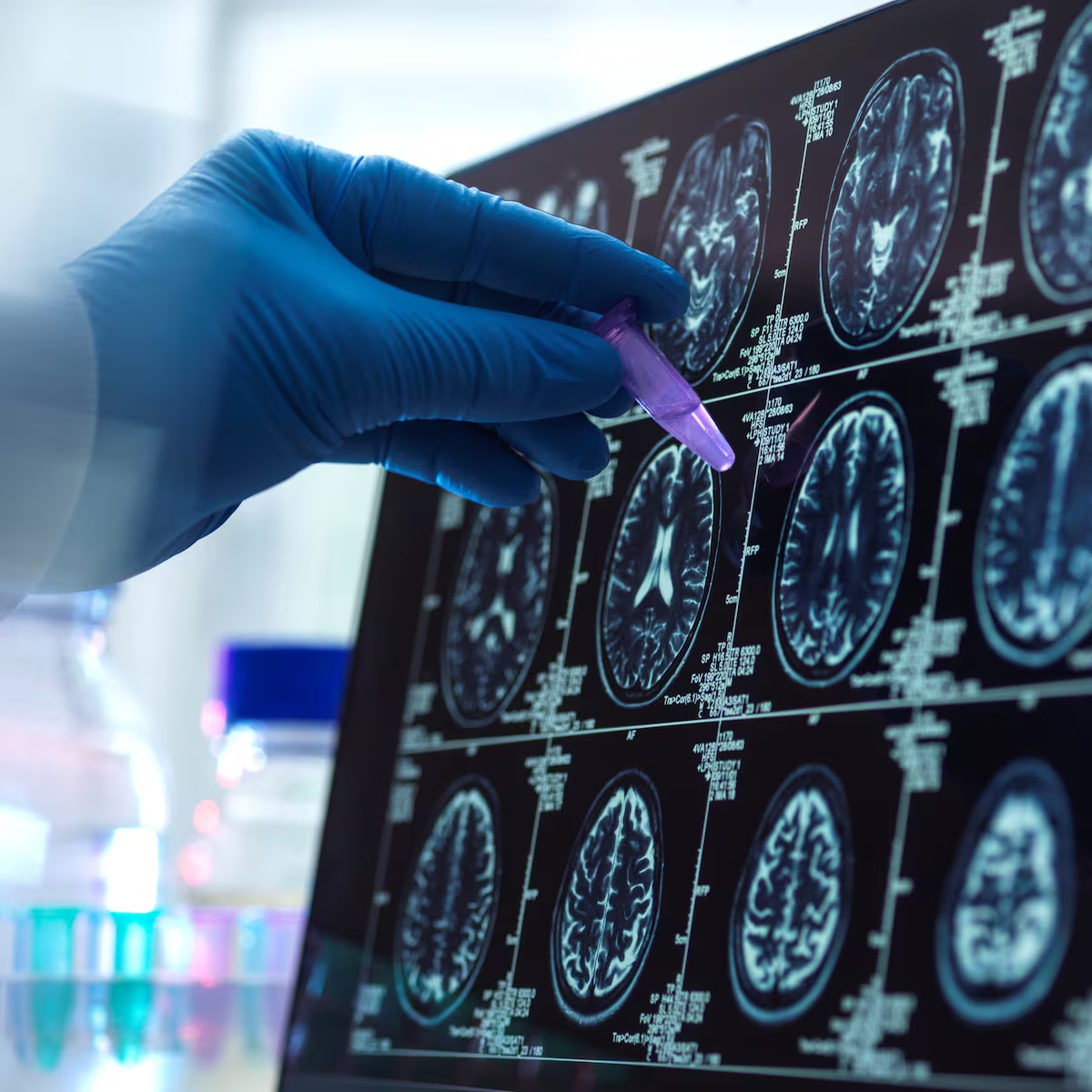
Although plasma testing for p-tau217 is beginning to be incorporated into clinical practice in some Spanish hospitals, its availability is not yet uniform across the Sistema Nacional de Salud. In many cases, the clinical assessment of the patient requires supplementing this information with advanced techniques such as positron emission tomography (PET) or invasive procedures, such as a lumbar puncture to analyze the cerebrospinal fluid surrounding the brain and spinal cord. These tests are usually performed at relatively late stages, when symptoms are already evident.