Commentary
A Houthi closure of the Bab el-Mandeb would be a way for Iran to broaden the war against the US beyond the Persian Gulf, says James Stavridis for Bloomberg Opinion.
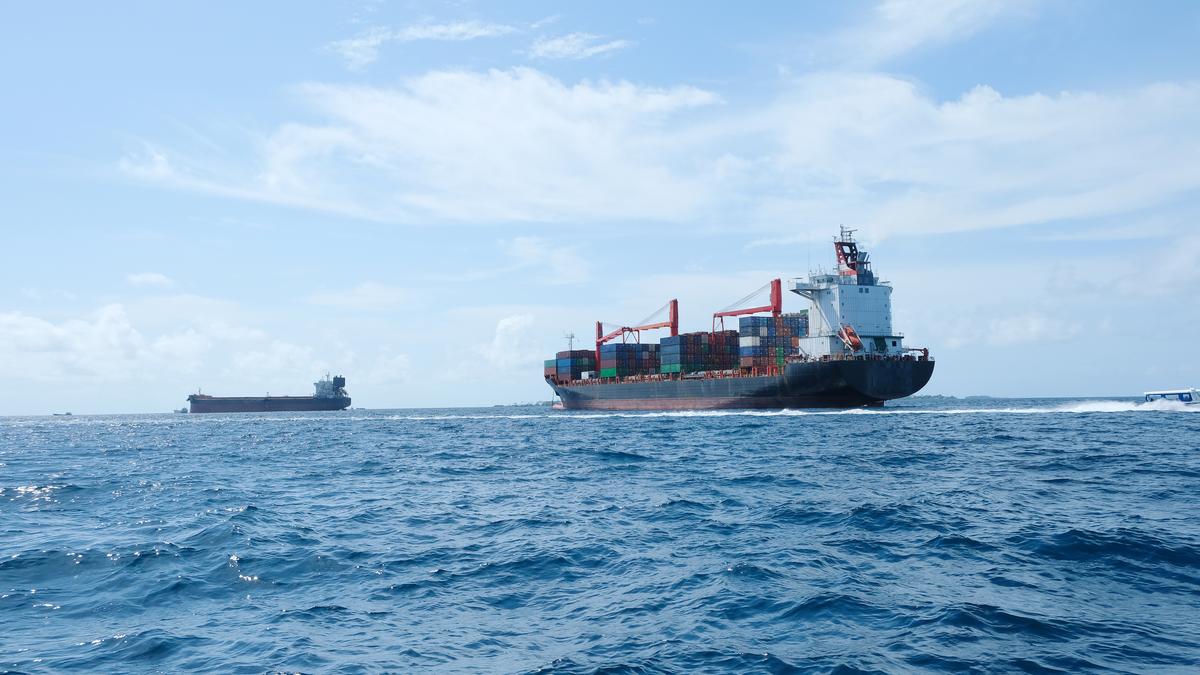
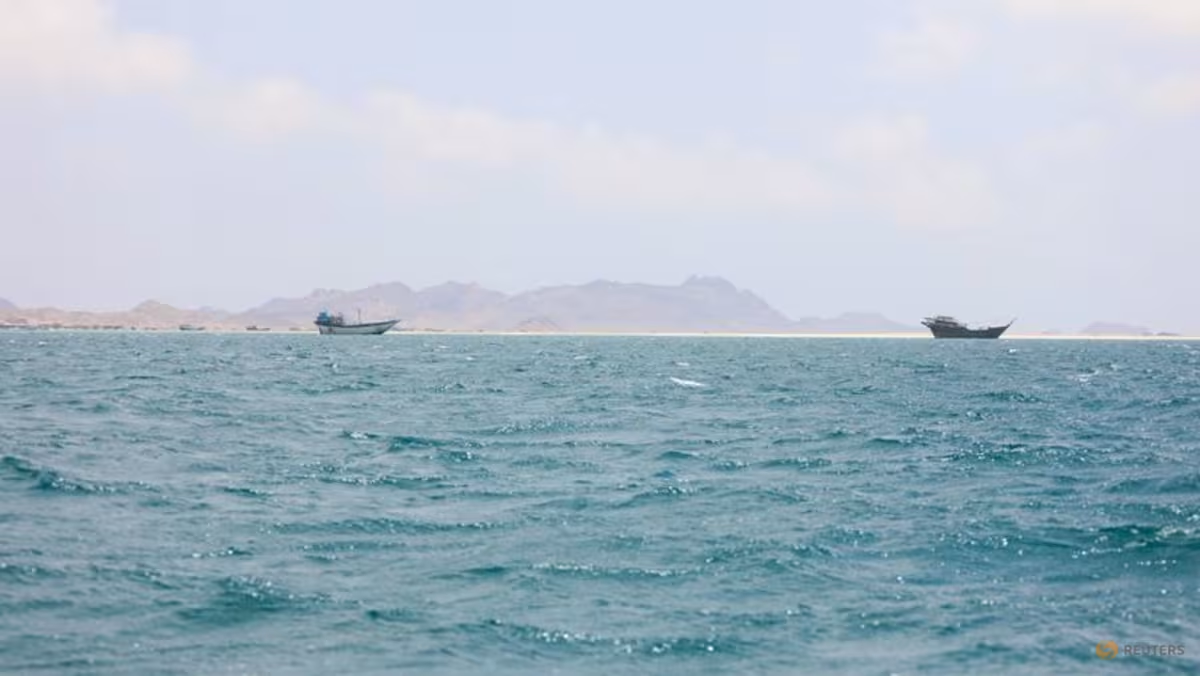
Boats sail near the coast of Bab el-Mandeb, Yemen April 2, 2026. REUTERS
23 Jul 2026 06:00AM
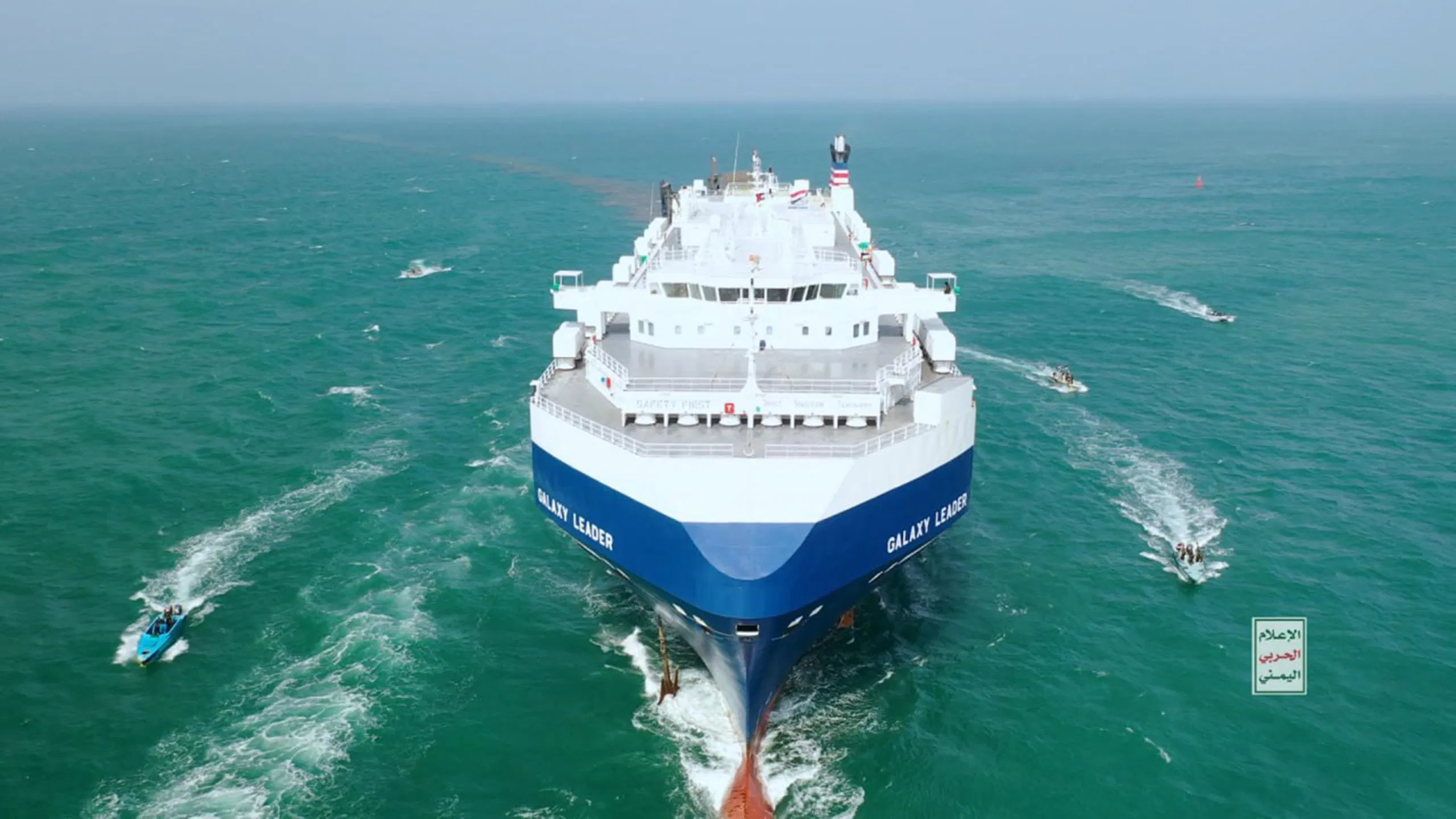
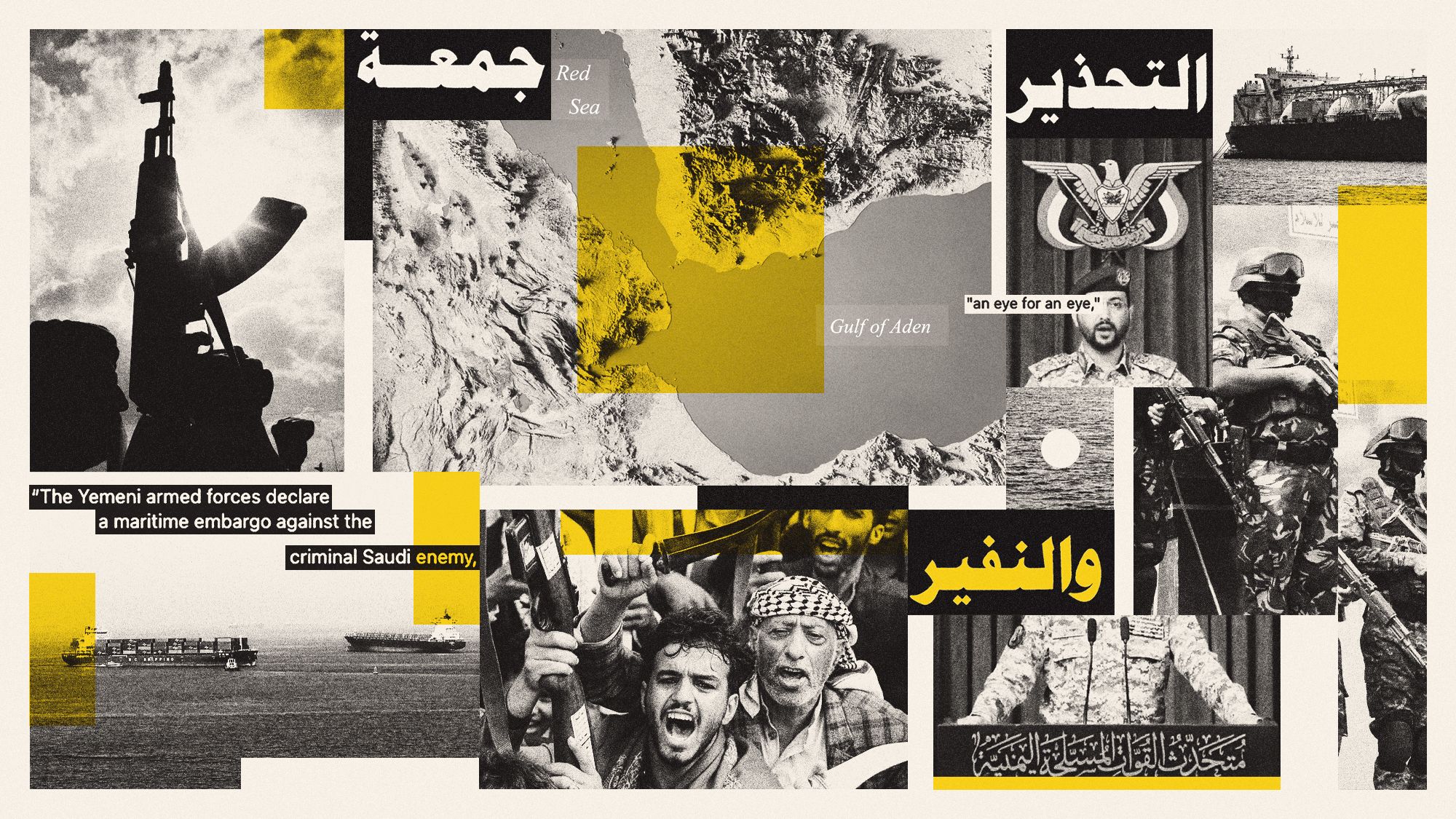
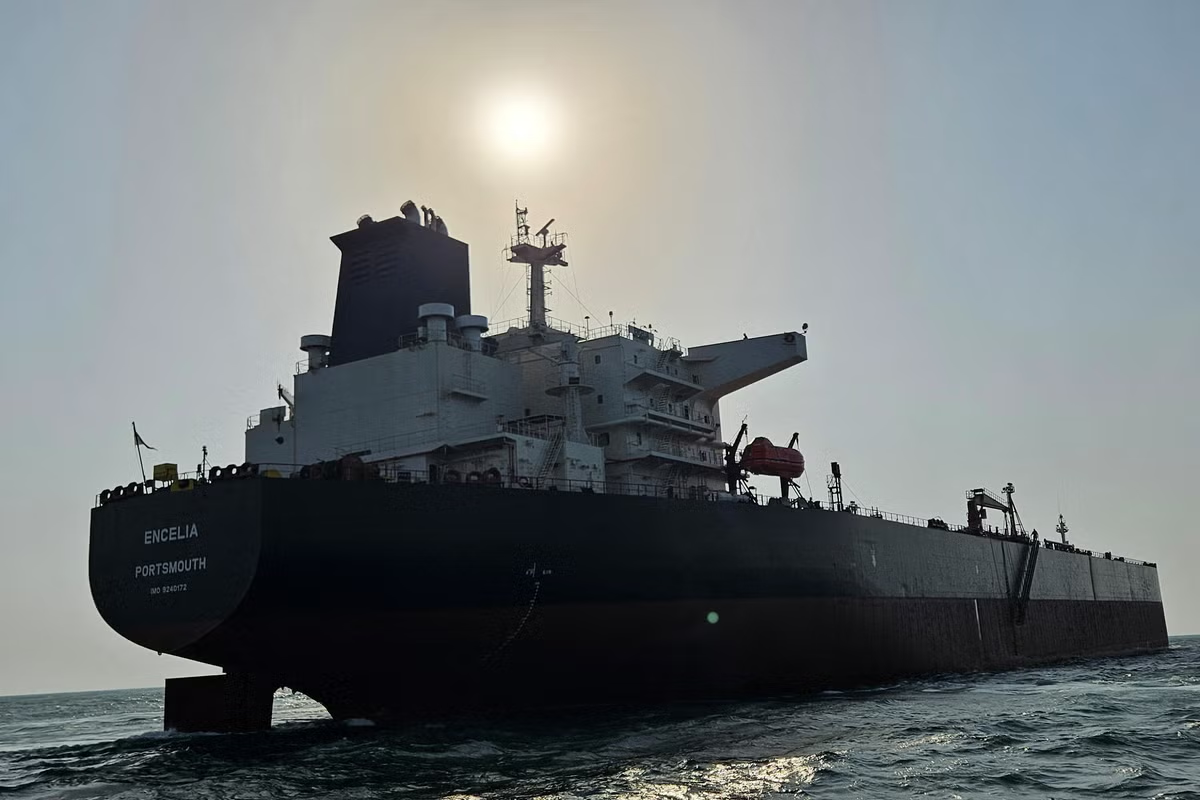
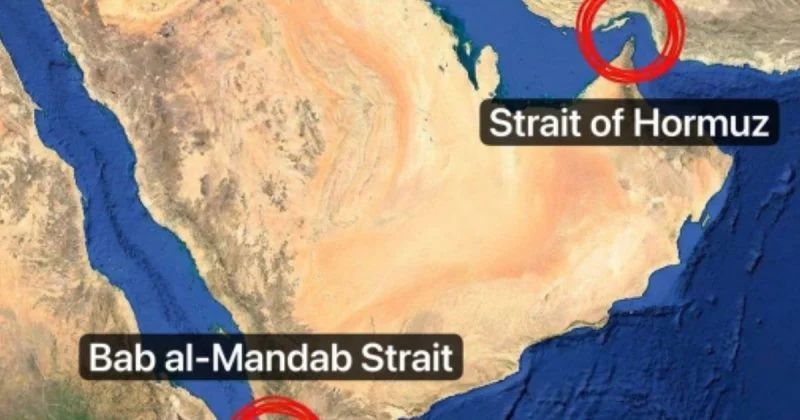
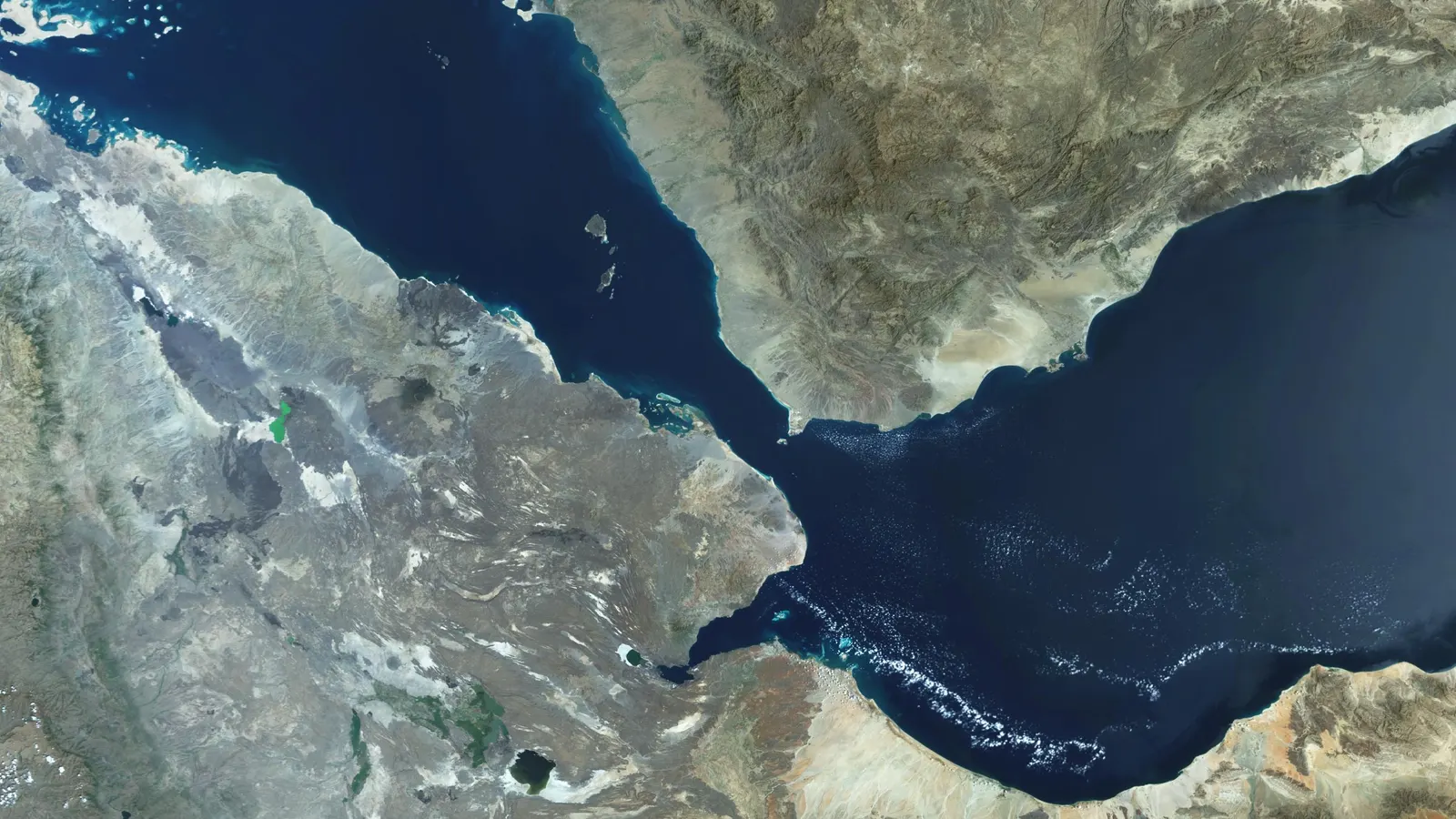
WASHINGTON: The conflict between the US and Iran has focused the world’s attention on the Strait of Hormuz. But there is another, less-discussed global chokepoint to the west of the Persian Gulf: the Bab el-Mandeb Strait at the southern end of the Red Sea. And now the Houthis of Yemen, Iran’s strongest remaining proxy group, have declared a blockade against Saudi Arabian traffic through it.Iran has already created the blueprint for shutting down a vital passage in the face of attacks by a vastly greater power. It has used a combination of small-boat attacks, drone strikes, short-range ballistic missiles, and mines. While the Iranians do not enjoy either sea or air superiority, their occasional strikes and threats have caused many shipping owners to decline to take the risks to crew, cargo and insurance costs.The Bab el-Mandeb is equally vulnerable. It lies between war-torn Yemen on the Arabian Peninsula and the poor African nations of Djibouti and Eritrea on the Horn of Africa. It is only 31 miles long and around 16 miles wide; the name roughly translates to “Gate of Tears” in recognition of its difficult navigational challenges.