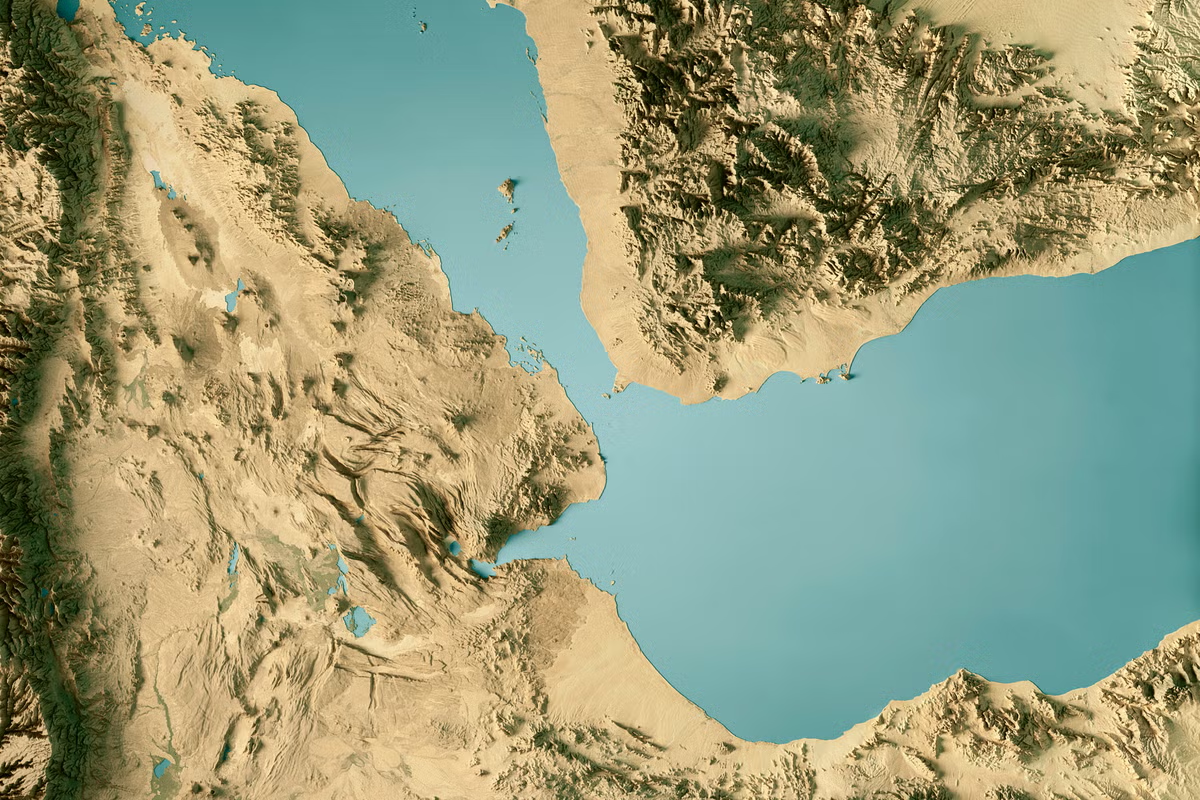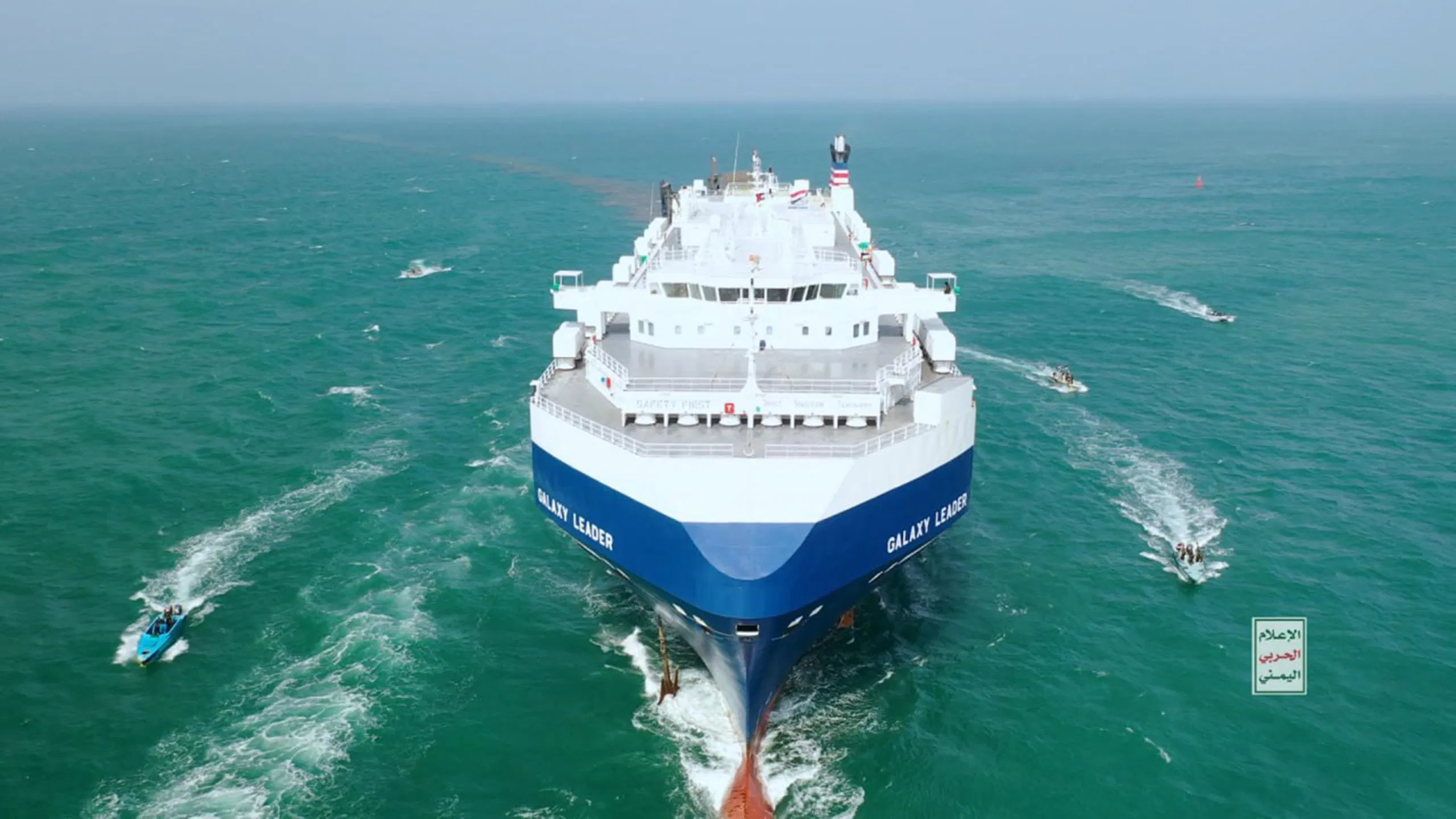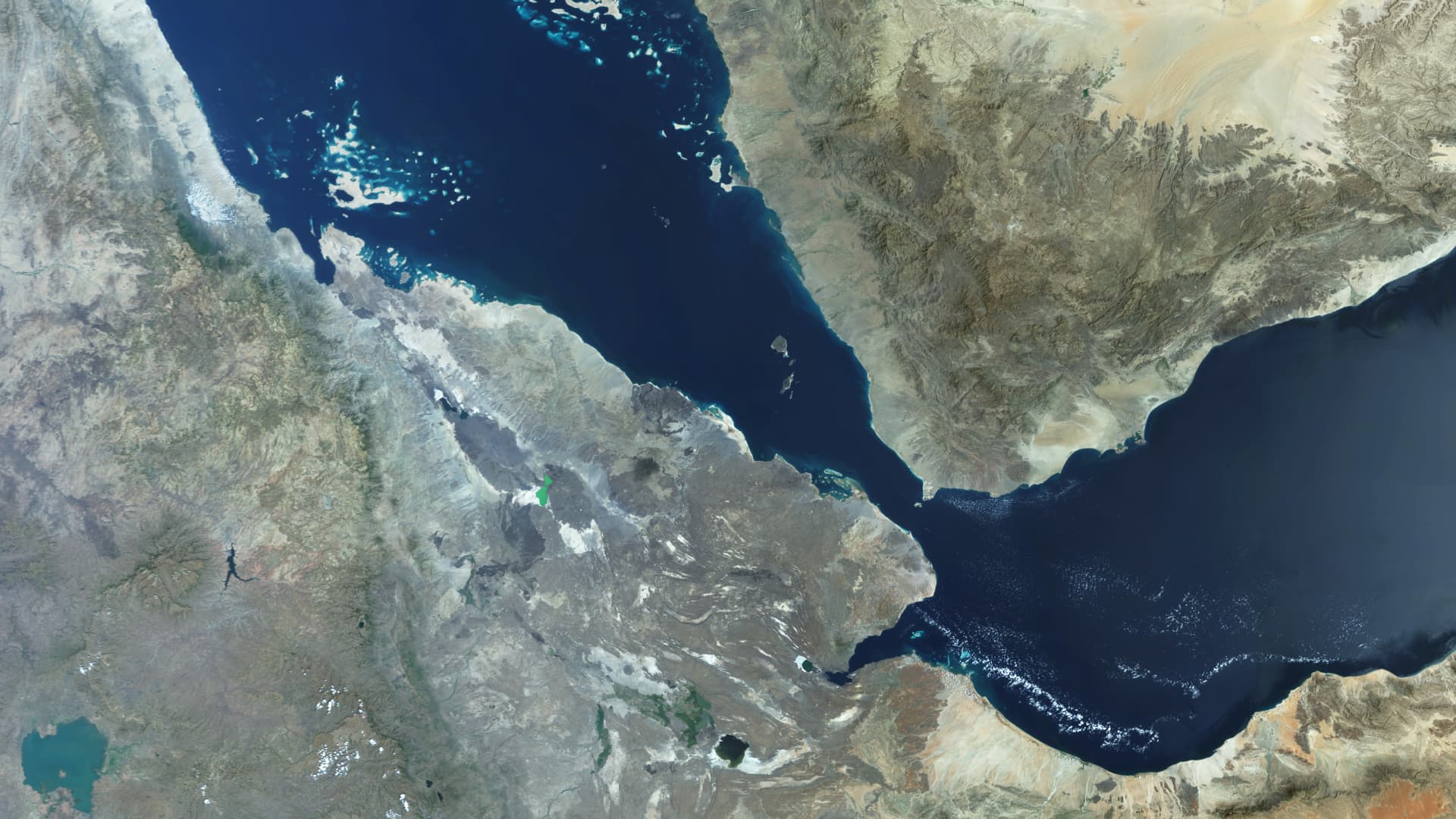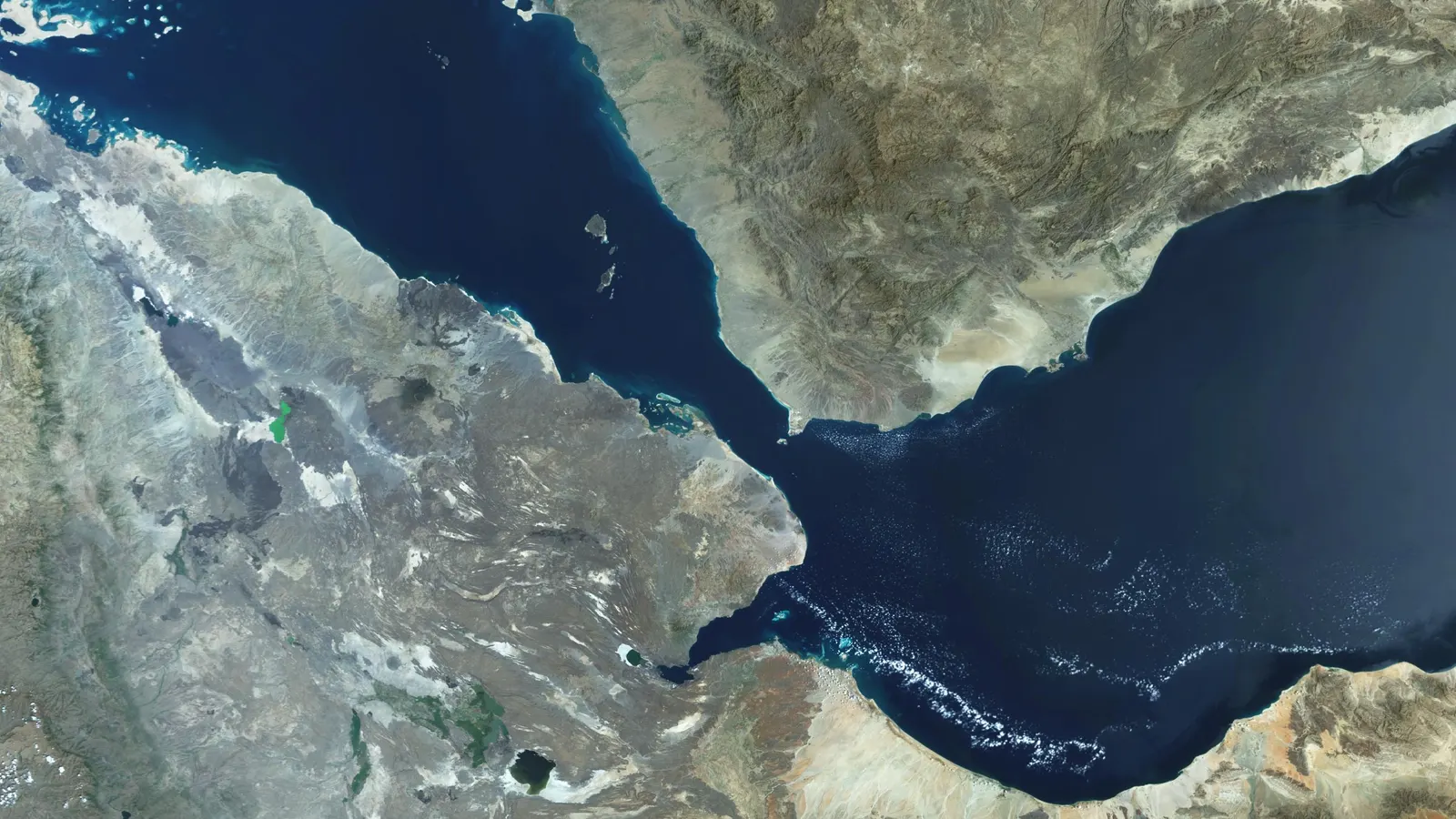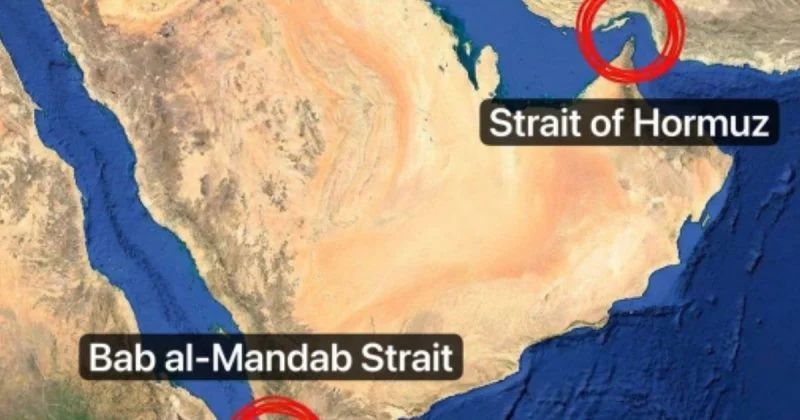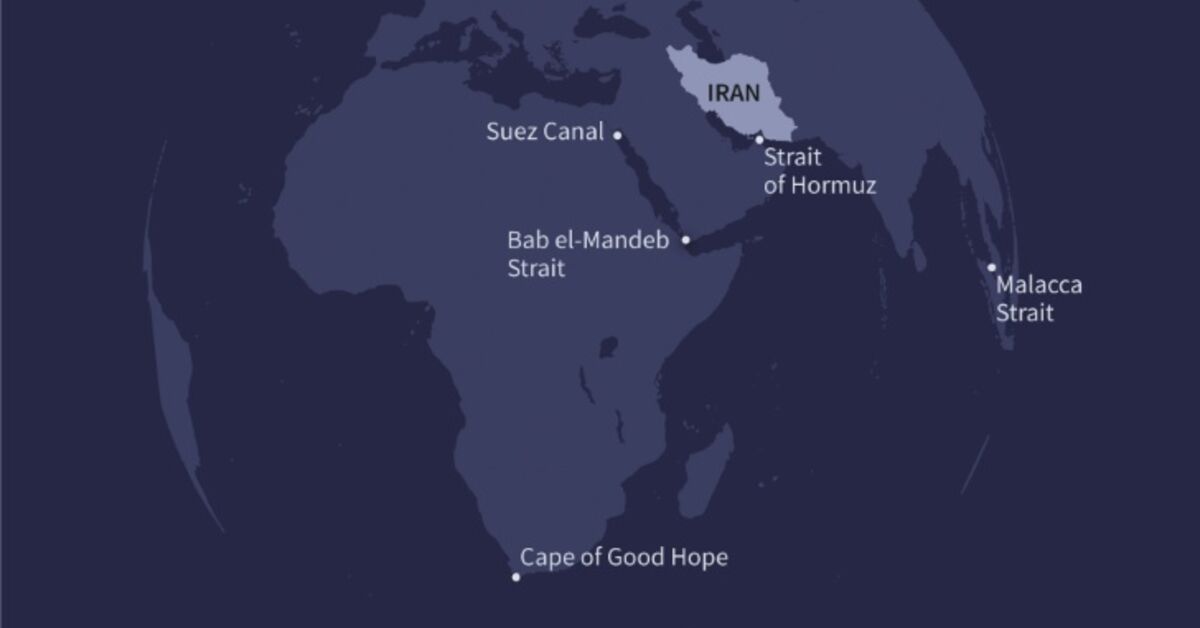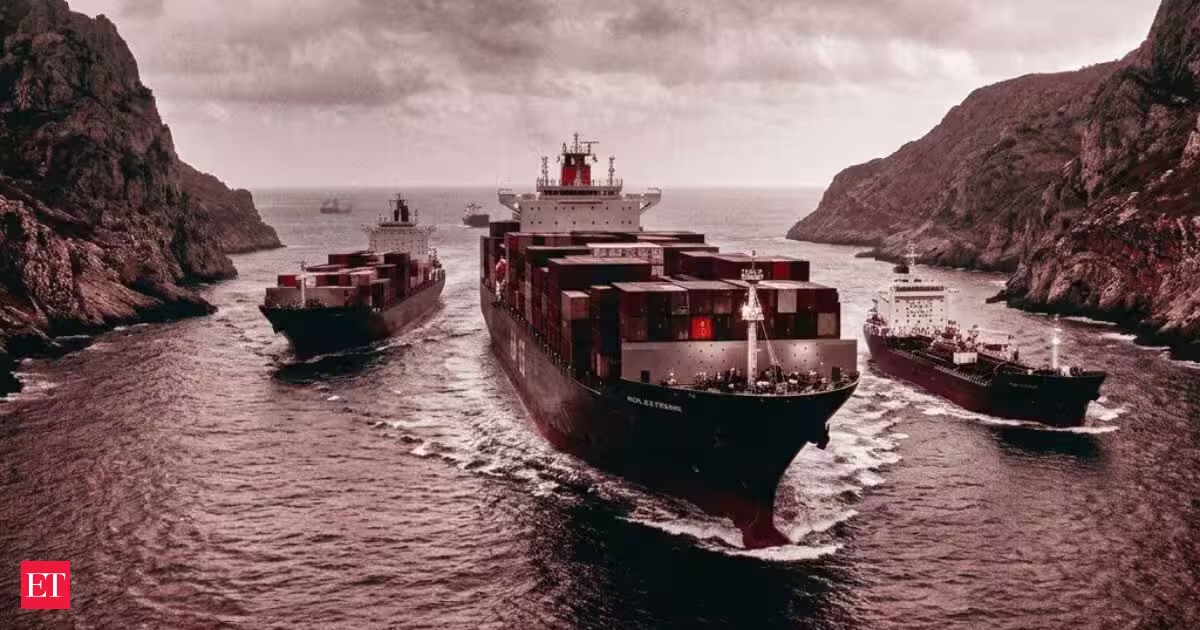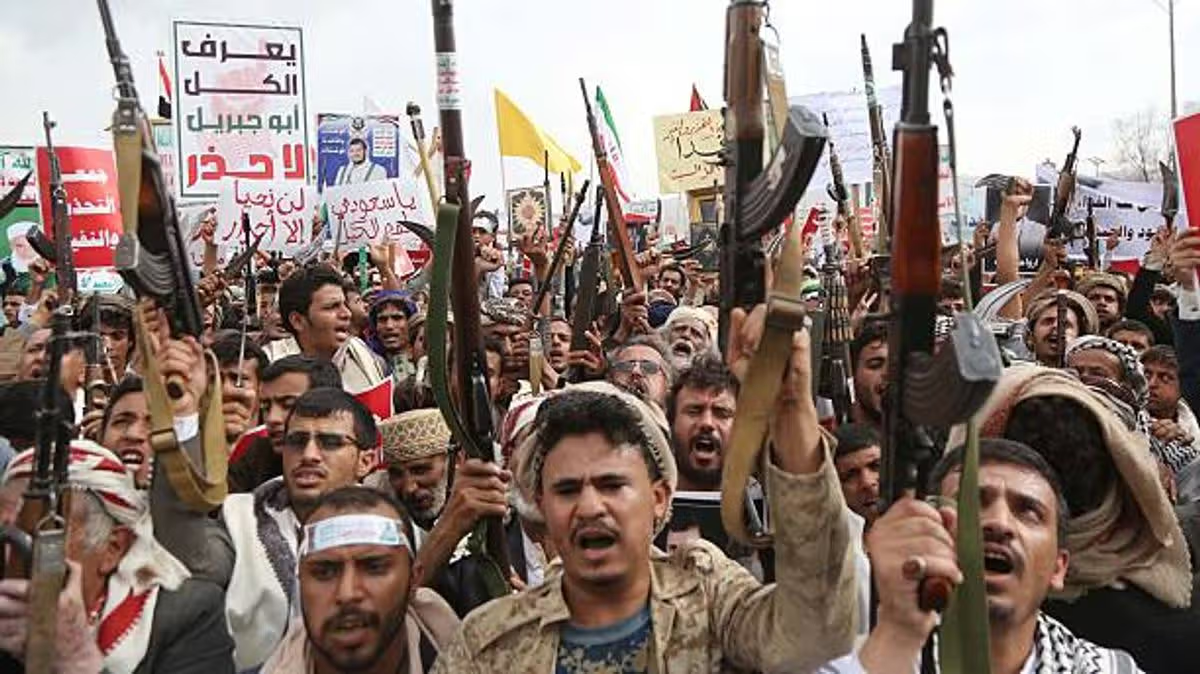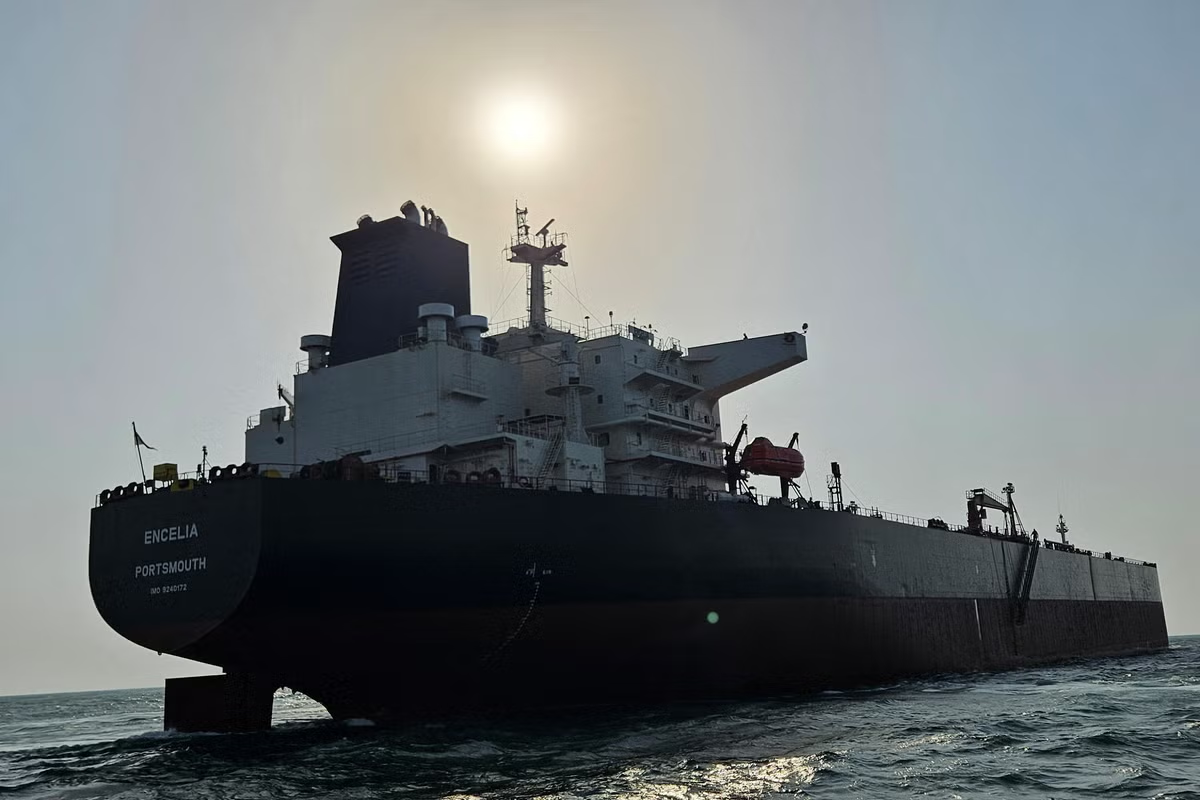
Yemen’s Iran-aligned Houthi rebels have declared they will impose a naval blockade on Saudi Arabia, cutting off the vital Bab al-Mandab Strait. The threat marks yet another potential blow to the global economy as Tehran continues to frustrate Donald Trump’s efforts to bring the war he began with Israel in February to a close. The Houthis control areas near the Bab al-Mandab Strait, which sits on the opposite end of the Arabian Peninsula from the Strait of Hormuz. Like Hormuz, the strait, also known as the “Gate of Tears”, is a chokepoint in the region through which large volumes of petroleum and liquefied natural gas pass. Houthis claimed responsibility after the Saudi-flagged tanker Encelia was hit by a projectile in the Red Sea earlier this week (file photo) (Reuters)Crucially, it’s a vital strategic link in the maritime trade route between the Mediterranean Sea and the Indian Ocean, via the Red Sea and the Suez Canal.Twenty-seven vessels, including five oil tankers and a liquefied petroleum gas carrier, crossed the Bab el-Mandeb strait on Wednesday, LSEG data showed, but this was down from 38 the previous day. Five tankers changed course in the Red Sea to avoid the Bab al-Mandab Strait the same day, while three tankers loaded with Saudi oil for China and India made U-turns on Tuesday.On Thursday, the Houthis said they struck two Saudi oil tankers as part of the blockade, threatening to create a second chokepoint on global oil supplies alongside Iran's near-closure of the Strait of Hormuz.Ordinarily, around six per cent of the global total of oil moves through the Strait, less than flows through Hormuz but enough to inflict significant damage if the supply is cut off. Since the Iran war broke out, millions of barrels per day of Saudi oil have been heading to the kingdom's Red Sea port of Yanbu to avoid the Strait of Hormuz. If shipments cannot pass through the Red Sea's southern strait, they have only the northern route through the Suez Canal, adding weeks and costs to the journey.The price of Brent crude, the international benchmark, hit $97 a barrel on Thursday, the highest it has been since 3 June, according to Trading Economics. It appears set to surpass the symbolic $100 mark in the coming days. Where is the Gate of Tears?The Bab al-Mandab strait is located between the countries of Yemen to the north east and Djibouti to the south west. The route, around 50km long and 16km wide, is where vessels travel between the Red Sea and the Arabian Sea. The strait provides access to a number of vital ports, such as Saudi Arabia’s Yanbu, Djibouti’s Doraleh, Eritrea’s Assab, as well as Somalia’s Kismayu and Somaliland’s Berbera.Armed Yemeni supporters of the Iran-backed Houthi movement brandish their weapons during a protest against US strikes (AFP/Getty)How important is it economically?Between 2020 and 2023, Bab al-Mandab saw a growing number of barrels transit the strait daily, peaking at 9.3 million a day, according to the US Energy Information Administration (EIA). This dropped drastically to 4.1 million in 2024 after the Houthis launched systematic attacks on commercial ships associated with Israel using the strait. The International Monetary Fund said that trade through the Suez Canal fell by 50 per cent in the first two months of 2024 compared to the year before, while trade through the Panama Canal fell by 32 per cent. As traffic fell, insurance costs surged. Major shipping firms rerouted vessels to go past the Cape of Good Hope in South Africa instead, adding an additional 10-14 days to journeys. The closure of the Strait of Hormuz route has sent oil costs soaring (PA Graphics)What impact would closing it have?Closure or disruption to two of the world’s main strategic waterways could cause further damage to global trade, with energy supplies from the region potentially cut off.Bab al-Mandab has allowed a trickle of oil to leave the Middle East during the war through circumvention, and Saudi Arabia has used it to export crude through the vital Yanbu port. Yanbu is on the west coast of Saudi Arabia, receiving oil through the country’s east-to-west pipeline. Matthew Wright, a freight analyst for Kpler, told The Independent earlier this year that the pipeline was already “being pushed to the maximum”. “While all the attention is rightly on what’s happening in the strait, Yanbu is significant in that it’s the most active port out of the Middle East gulf at the moment, and if anything were to happen there, it would be a massive blow to continued crude exports from the Middle East,” he said.According to Modern Diplomacy, as of July 2026, Saudi Arabia was exporting around 4.7 million barrels per day of crude oil from Yanbu. Wright said that losing Bab al-Mandab shipments , on top of the loss of shipments through Hormuz, would be a “major problem”.
Gate of Tears: How key shipping route Bab al-Mandab became next front in US-Iran war
The Bab al-Mandab strait has been a vital passage for Saudi Arabia since the closure of the Strait of Hormuz
806 words~4 min read