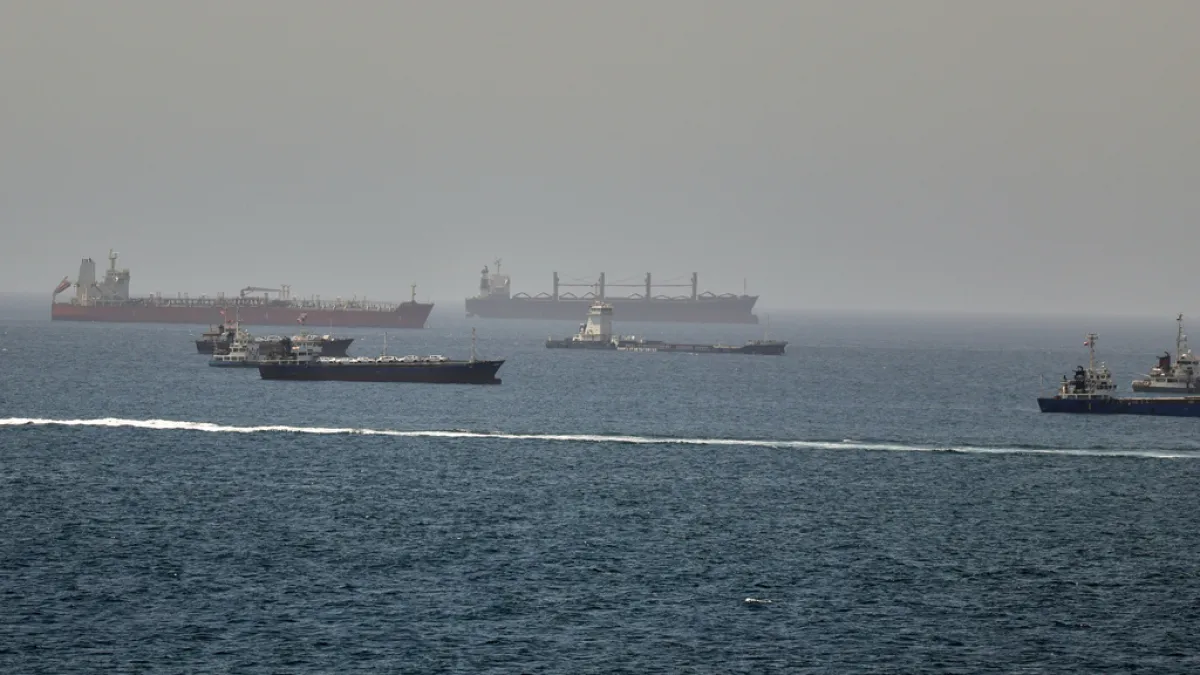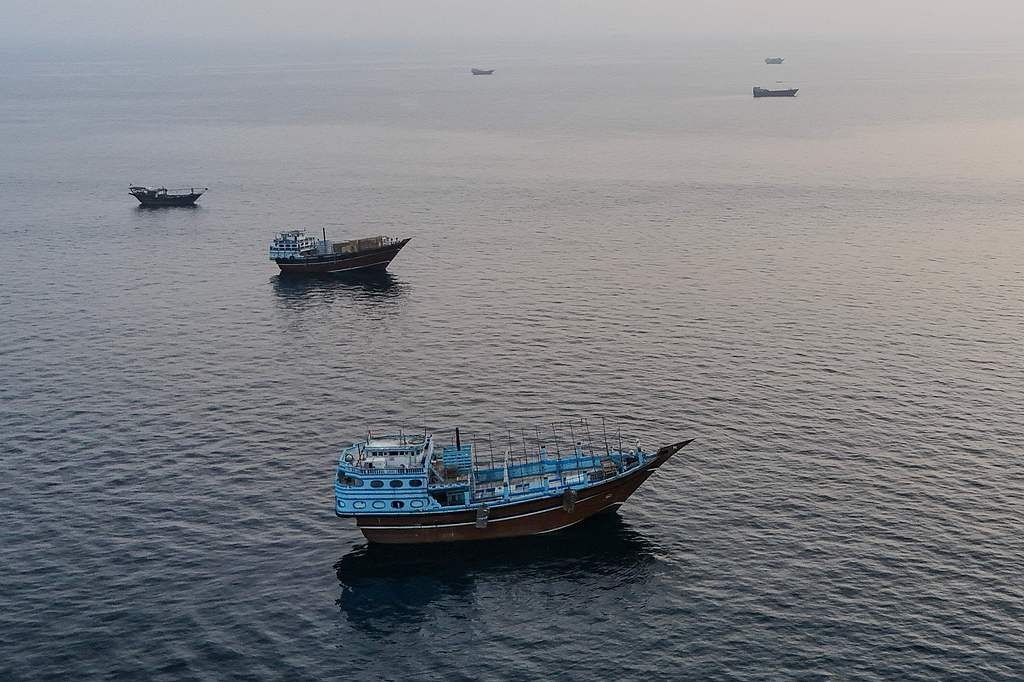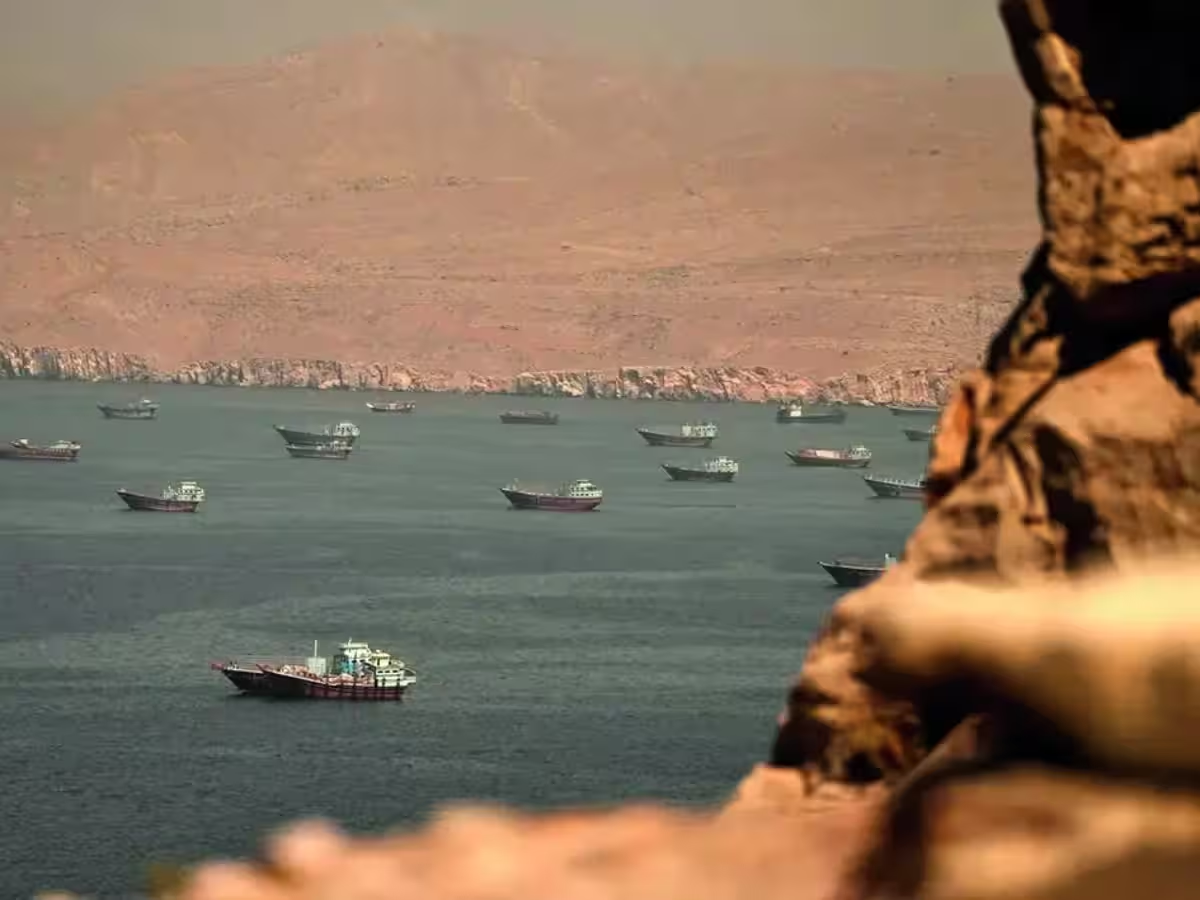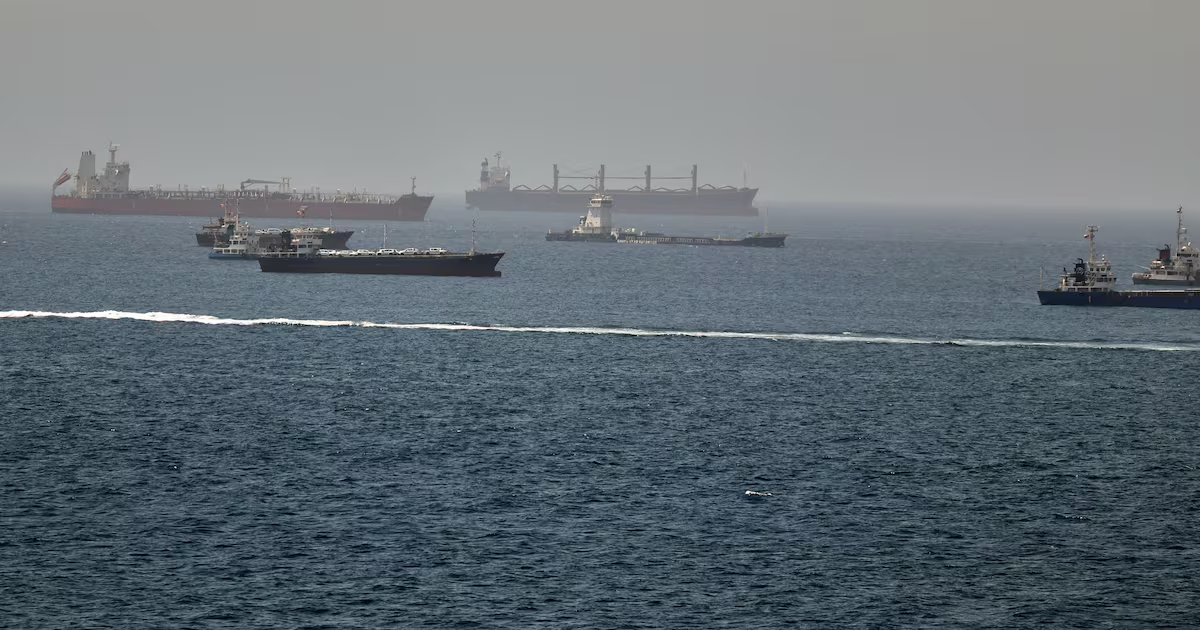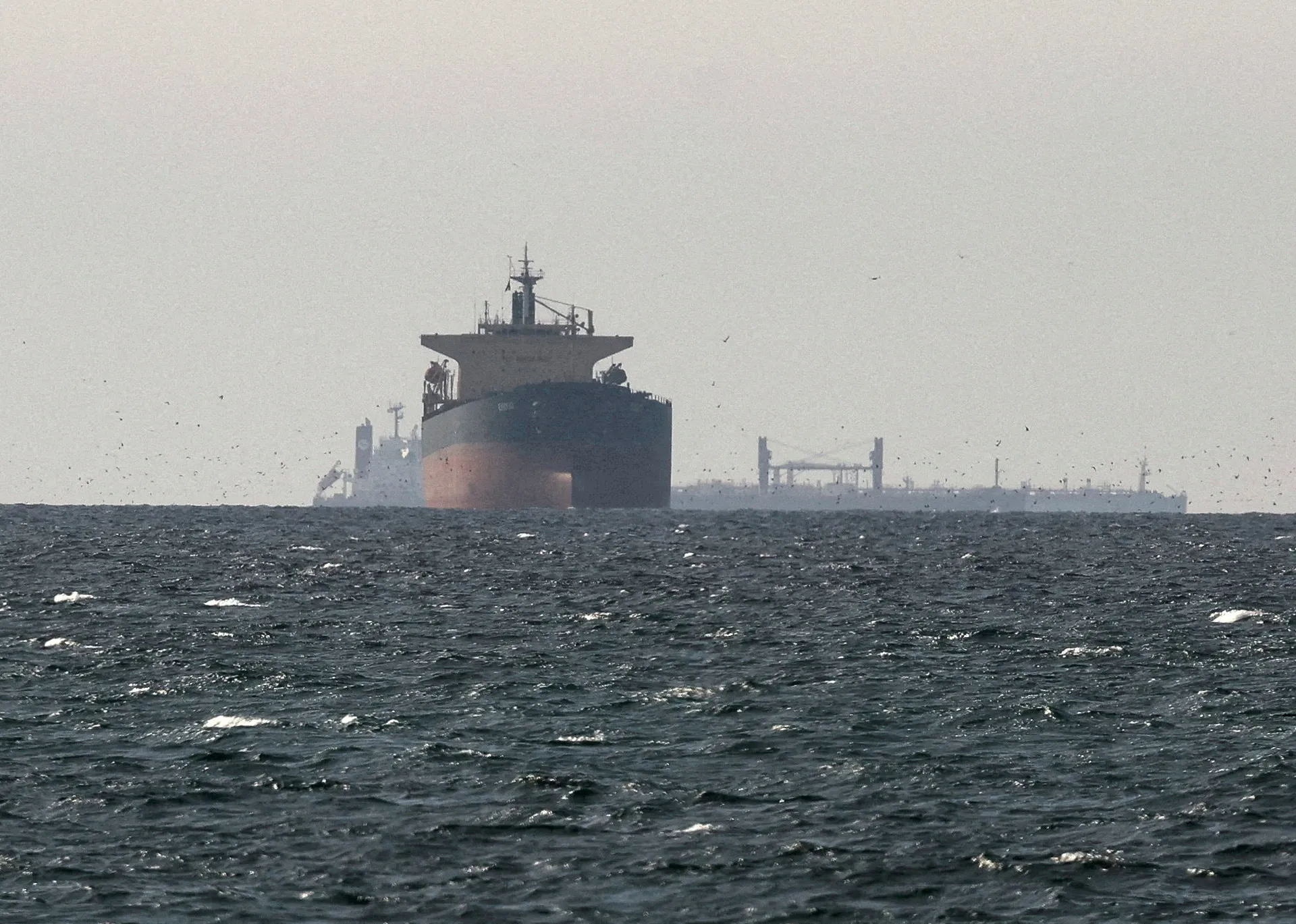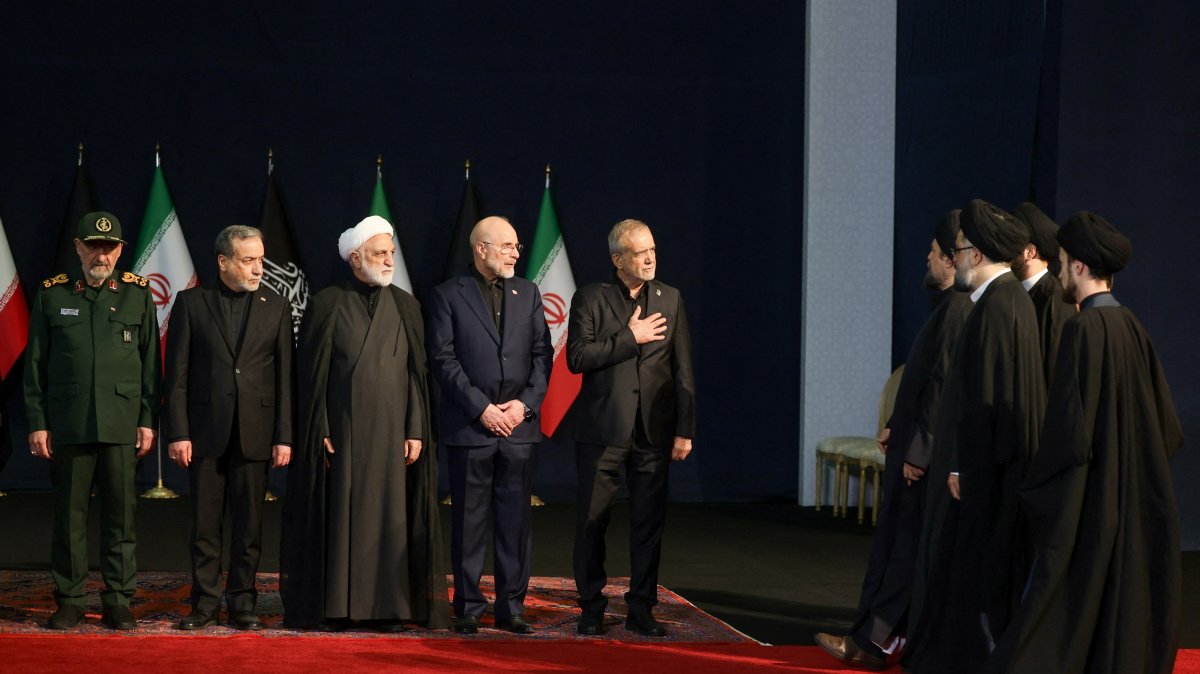
In mid-July, the United States resumed strikes on Iranian territory, sustaining them night after night. Iran has answered with missile and drone attacks on the Gulf states hosting American forces. Commercial transit through the Strait of Hormuz has effectively ground to a halt, and war-risk insurance premiums have climbed to as much as 10% of a vessel's value. All of this has unfolded barely a month after a memorandum of understanding (MoU) was signed in Islamabad on June 17. Yet, military moves alone do not explain the trajectory. None of the signatory capitals can muster the political will to defend the text to its own public.
The Islamabad MoU is a 14-point interim framework that halted the war. It provides for a 60-day negotiation timetable, the lifting of the blockade, free transit through the Strait of Hormuz, a large reconstruction fund, and the downblending of uranium stockpiles. Yet it did not resolve the parties' most critical disputes. It postponed them.
Mutual accusations of violations surfaced within the first week. In late June, Iranian missiles struck bases in Kuwait and Bahrain. In early July, commercial tankers were hit in the Gulf, and the U.S. hit back with strikes on more than 80 targets. U.S. President Donald Trump declared that war with Iran was about to resume on July 7. Tehran suspended its obligations on July 13. Even so, the two sides have not entirely severed the technical contacts running through Qatari and Pakistani mediation.