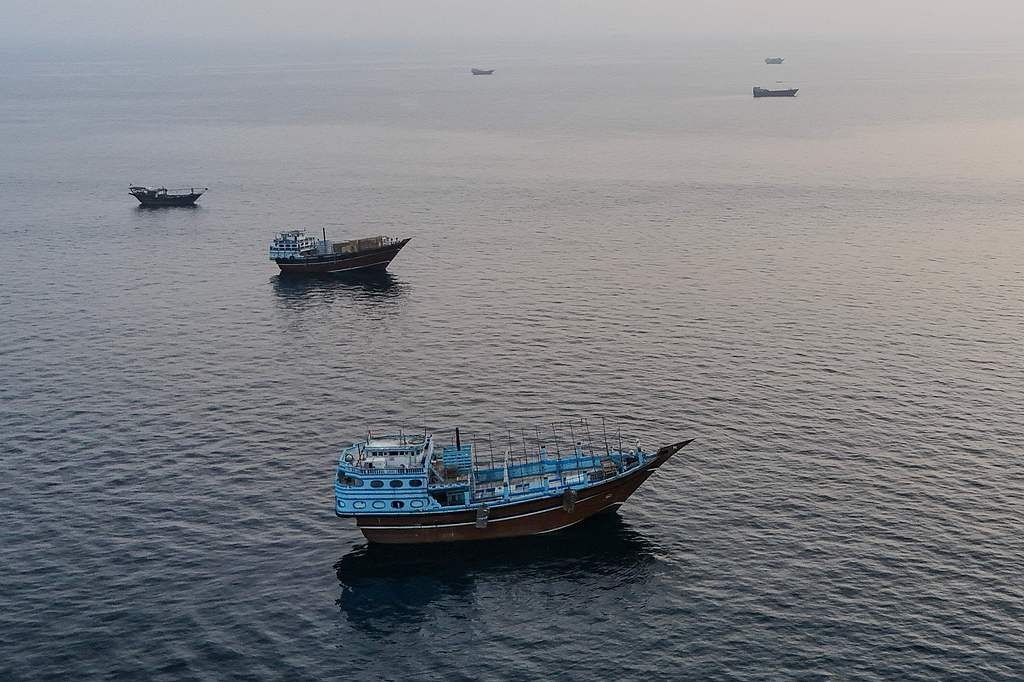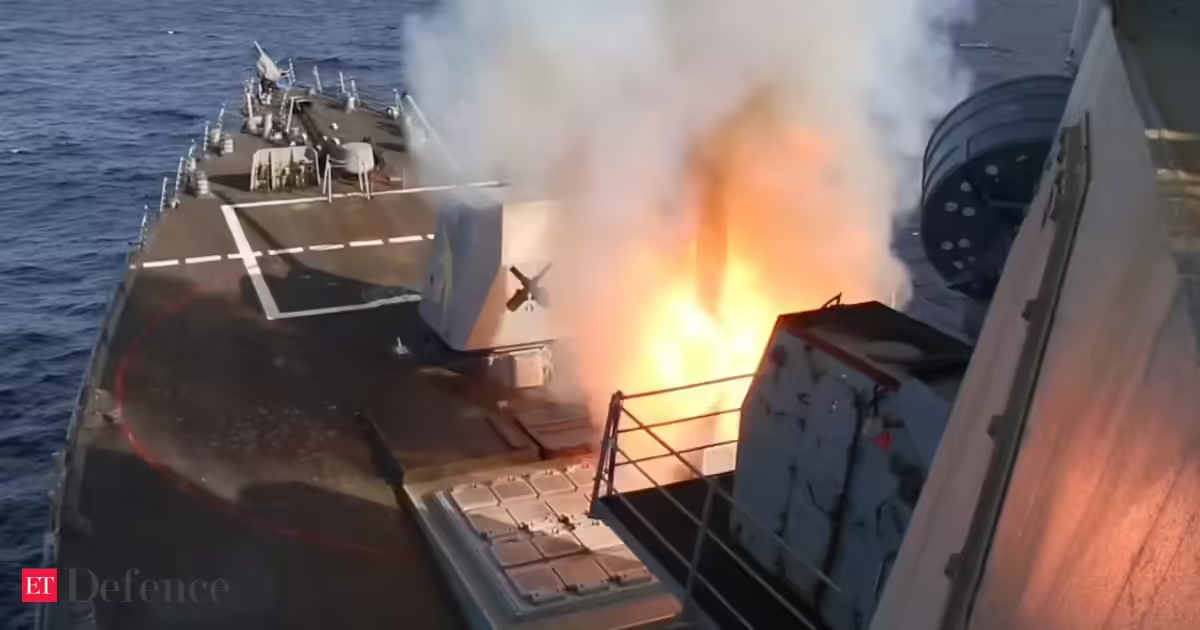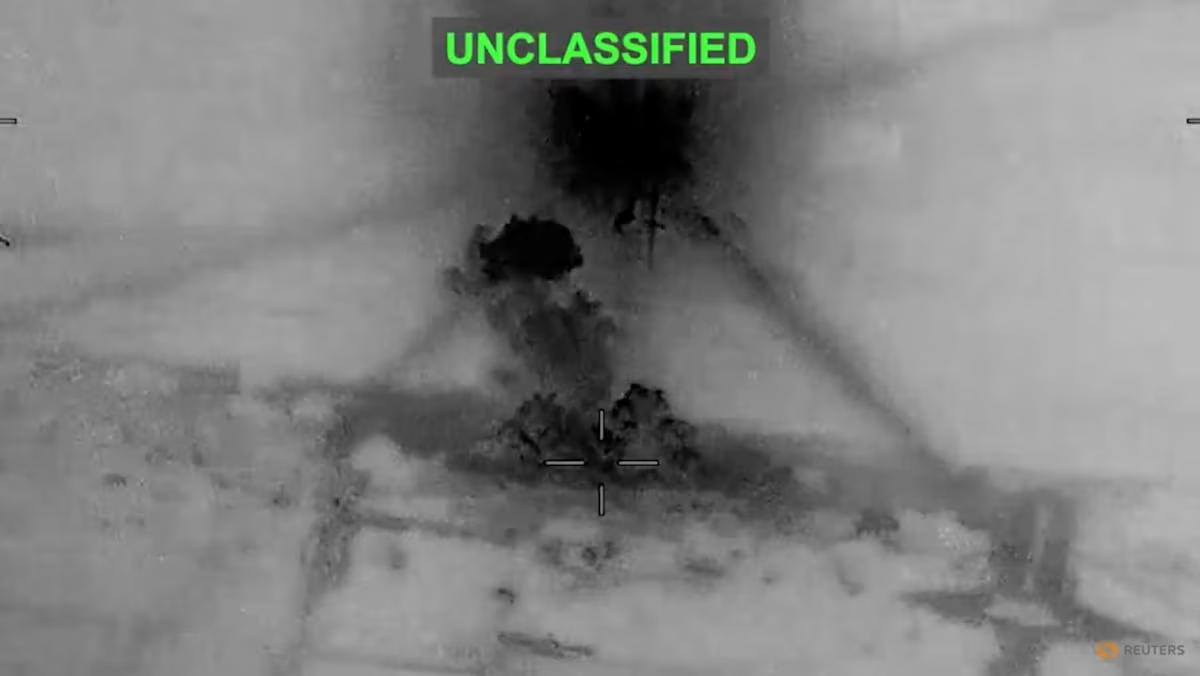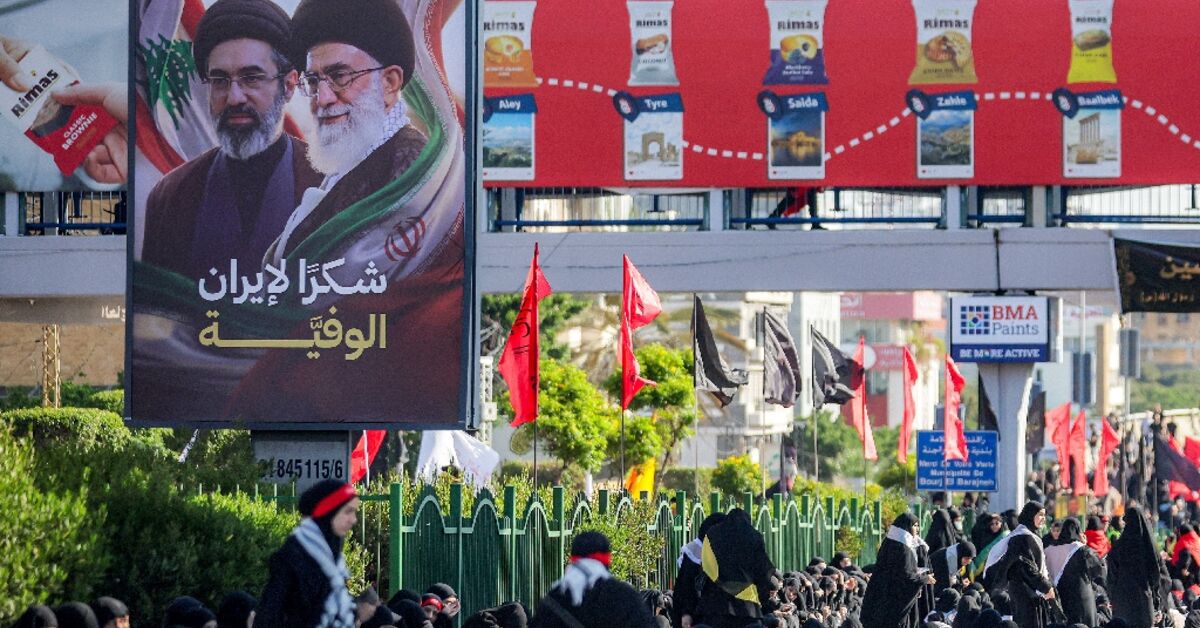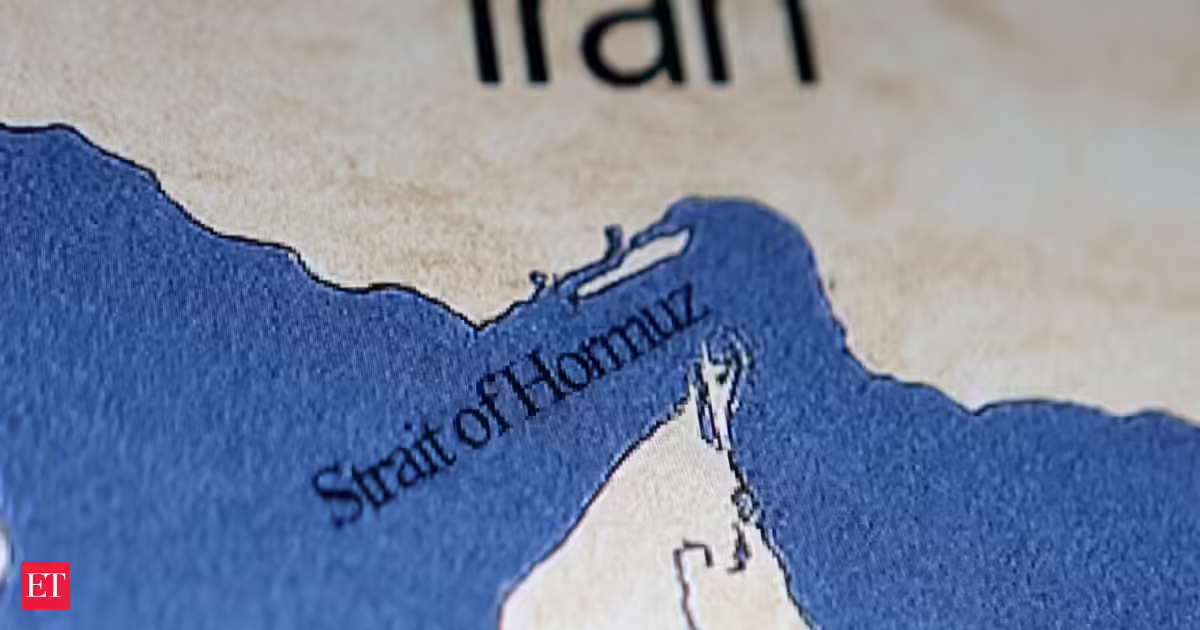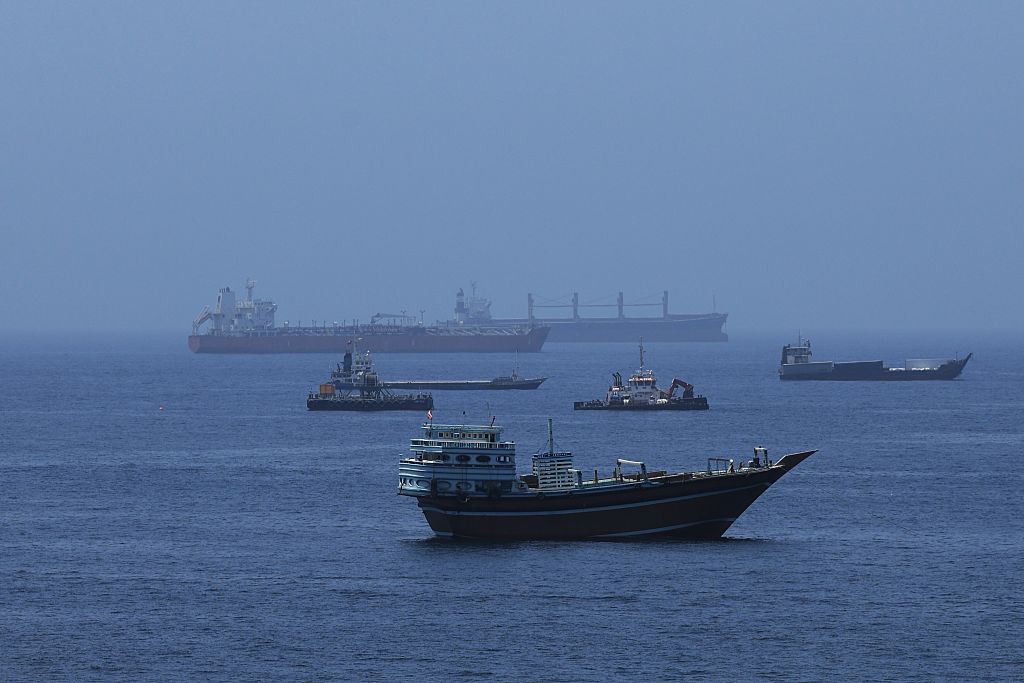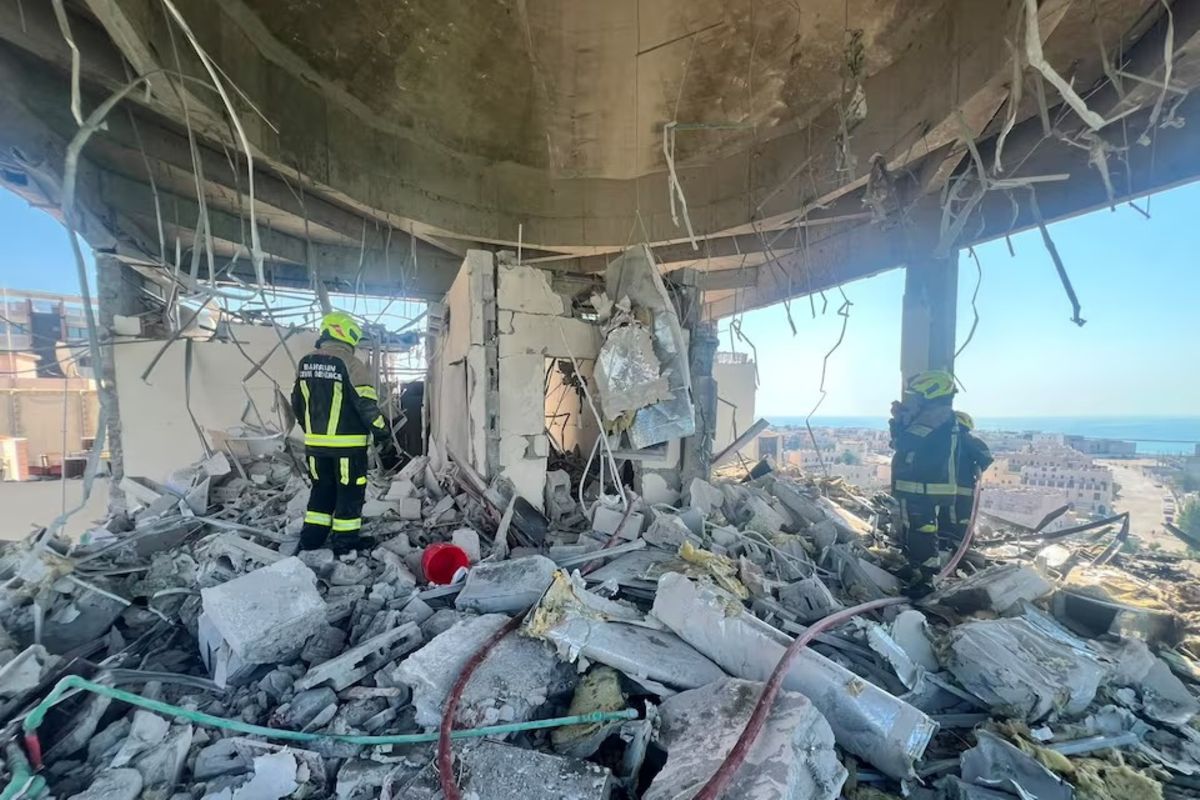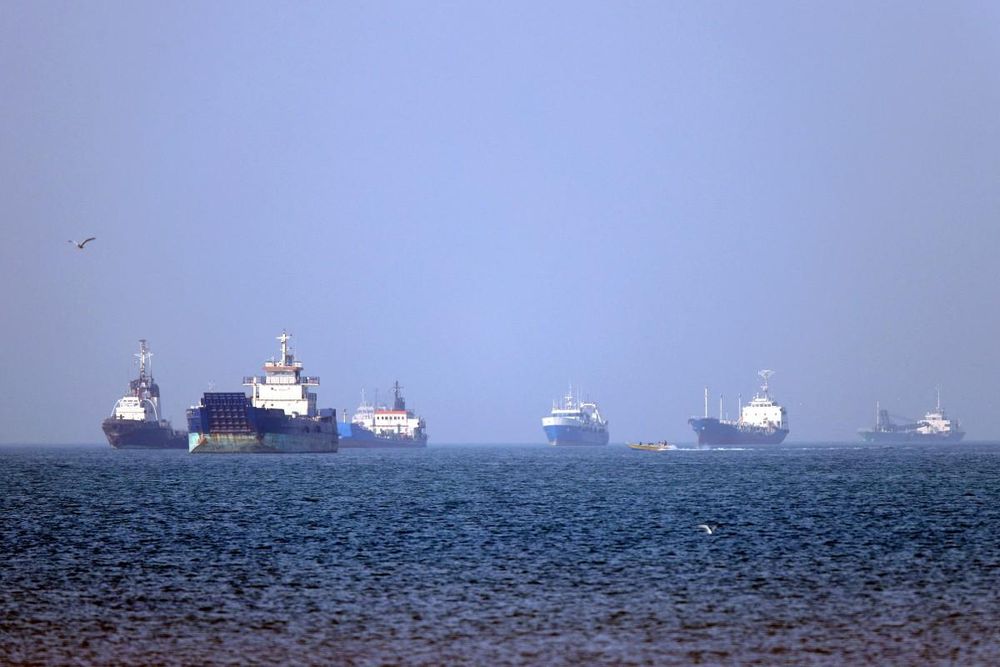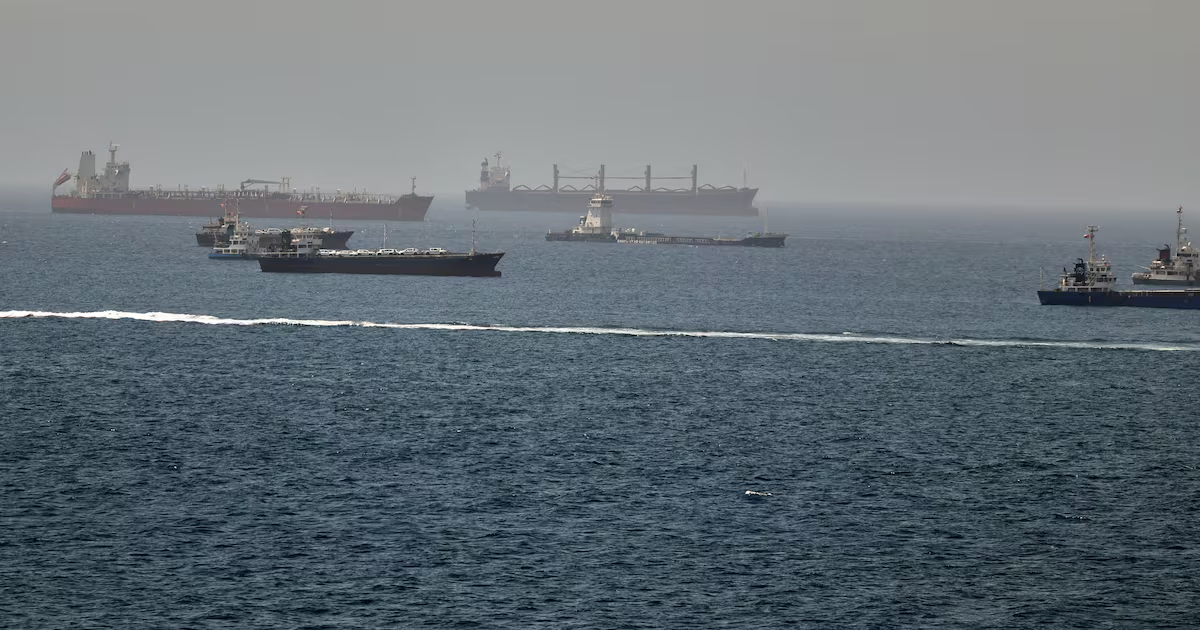
The United States and Iran agreed on Monday morning to stop attacking one another and resume peace talks. But four days of tit-for-tat strikes served to highlight the obstacles in the way of a successful negotiation, including some new ones.Trouble in the StraitThe US and Iran continued to strike at one another’s targets on Sunday, with each side accusing the other of breaching the ceasefire agreed as part of the memorandum of understanding they signed this month to end the war. But despite Donald Trump’s warning on social media that the US might be forced to “militarily complete the job that we very successfully started”, both Washington and Tehran were determined to avoid a return to full-scale war.The latest series of exchanges started on Thursday when Iran struck a container ship as it passed through the Strait of Hormuz using a route not authorised by Tehran. The International Maritime Organisation (IMO) and Oman, which is on the other side of the strait from Iran, have been facilitating the passage of ships through an alternative route that partially bypasses Iranian territorial waters.The US retaliated by striking Iranian missile and drone stores and coastal radar sites in its first military attack on Iran since the memorandum was signed. Iran hit back at US military targets in the Gulf and on Saturday it struck a second ship that was passing through the alternative, Omani/IMO route through the strait. On Sunday, after the US had struck more Iranian targets and Iran attacked other US military assets including the headquarters of the Fifth Fleet in Bahrain, Iran’s foreign minister, Abbas Araghchi, said Tehran would continue to assert its right to control the strait.“Any intervention or attempt to create arrangements contrary to the existing understandings will only complicate the situation, delay the return of normalcy to the Strait of Hormuz and increase tension,” he said.Tehran cites Article 5 of the memorandum of understanding that says: “Iran will make arrangements using its best efforts for the safe passage of commercial vessels” and would work with Oman and other Gulf states “to define the future administration and maritime services” through the strait. The US points out the memorandum also says that navigation through the strait should be unimpeded and rejects the idea that it gives Iran the right to determine which routes are used.The dispute over the strait and the resumption of military strikes follow two other developments last week that could complicate the talks that are due to resume in Switzerland this week. They are the agreement between the US, Israel and Lebanon and a joint statement following secretary of state Marco Rubio’s meeting with the Gulf Cooperation Council (GCC).The first of these commits Lebanon to disarm Hizbullah, something it cannot achieve, and sees the Israel Defense Forces (IDF) agreeing to reduce its presence in the country but offering no timetable for withdrawal. Article 1 of the memorandum of understanding between the US and Iran demands an end to military operations in Lebanon and respect for that country’s territorial integrity and sovereignty.Washington will claim the IDF’s agreement to reduce its presence in Lebanon represents the partial implementation of this article. But Tehran may view it as the latest effort by the US and Israel to decouple the issue of Lebanon from the broader agreement.Rubio’s joint statement with the GCC, which represents the Gulf states, refers to the negotiations between Israel and Lebanon as a process distinct from the US-Iranian talks and not conditional on them. And it includes demands that are not in the memorandum of understanding, stating that “lasting regional peace and security requires addressing the full spectrum of Iran’s threats, including its ballistic missiles, drones, and support of proxies in the region”.Rubio reaffirmed the US commitment to the security of the Gulf states and they restated their commitment to the security partnership with Washington that has American military bases scattered across the region. But the day after Rubio left the region, the United Arab Emirates’ foreign minister called his Iranian counterpart, following the lead of Saudi Arabia and Qatar in engaging directly with Tehran.Despite Trump’s threat that Iran will cease to exist if he returns to full-scale war, Washington’s Gulf allies have lost much of their faith in the US security guarantee and are hedging accordingly. This offers Iran an advantage as it asserts its control over shipping in the Strait of Hormuz and attempts to consolidate the most important strategic gain it made in the war with the US.Please let me know what you think and send your comments, thoughts or suggestions for topics you would like to see covered to denis.globalbriefing@irishtimes.com
More trouble in the Strait
Washington’s Gulf allies have lost faith in US security guarantee, offering Iran an advantage as it asserts its control over Strait of Hormuz
768 words~3 min read