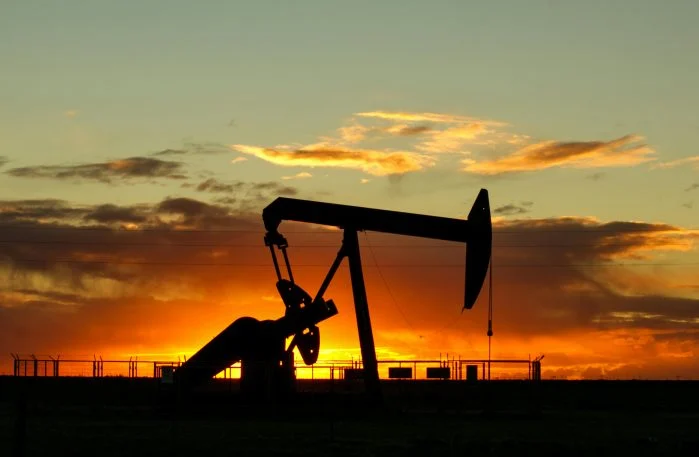
Oil prices have surged by 25 percent over the last three weeks as multiple chokepoints in global oil supply chains have tightened, according to social media reports. The current market pricing, however, may not fully reflect underlying supply constraints, suggesting potential for further increases. The disruptions are particularly pronounced in the Strait of Hormuz, a critical passage for global oil flows, which has faced significant operational challenges in 2026. This comes amid broader market adjustments, with crude oil prices around $86.35 per barrel as of July 22, reflecting this upward trend. Observers note that geopolitical tensions and logistical issues continue to exert pressure on oil markets, raising questions about future price trajectories.
Key Takeaways
Market behavior suggests a potential for increased oil prices due to existing chokepoints and supply constraints.
Current pricing reflects a 25% rise, but markets appear to indicate this may not fully account for hidden supply risks.
The Strait of Hormuz’s operational issues contribute to the volatility and potential upward pressure on oil prices.