For the lab and Executive Director Amy E. Lerman, it was an important diplomatic event — and a moment of high symbolic importance. After launching less than four years earlier, in the immediate aftermath of the COVID-19 pandemic, the lab has won extended reach and influence that’s remarkable in the often-staid world of policy programs.
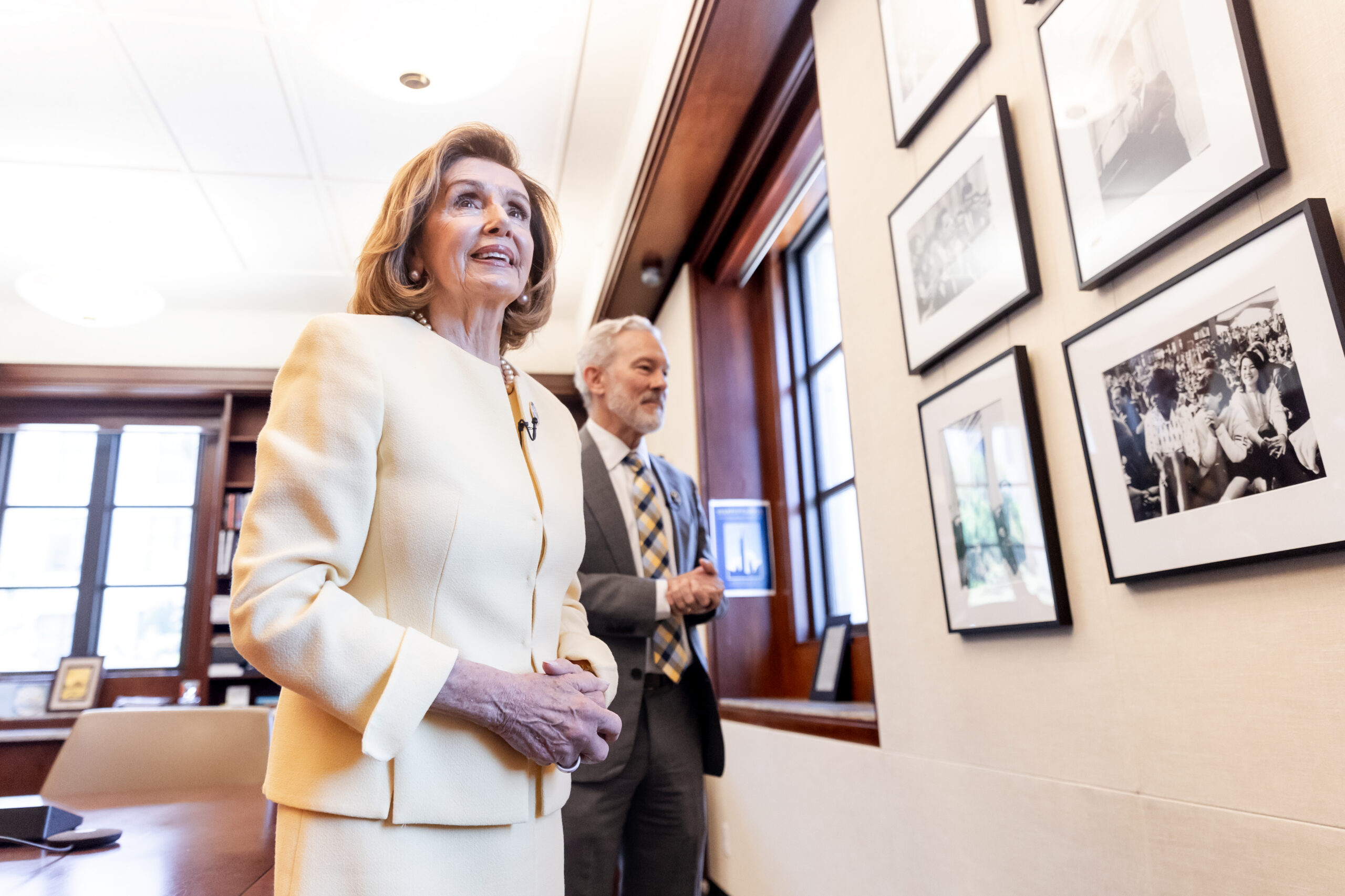
The semester was over and the morning was still, but high above the UC Berkeley campus, the prestigious University Club was buzzing with energy. Top state policymakers and community leaders, along with philanthropists, high-ranking news editors and others had arrived for a summit convened by the UC Berkeley Possibility Lab to strategize on closing the gap between Californians and their government.
Amy E. Lerman
Its formula for impact? Expertise on the issues and practical knowledge of how government works, plus a nonpartisan network of partners that reaches from the farm fields of Southern California to the streets of Oakland, and from the walls of California prisons to the halls of the state Capitol. In a span of just a few years, allies say, the Possibility Lab has emerged as a sort of connective tissue linking the grassroots to top policy spheres.
It is an unconventional role for a university-based policy program, and many seasoned California policy experts say they’ve never seen anything like it.