Redefining robot manipulation with creativity and codeThis article appeared in Berkeley Engineer magazine, Summer 2026
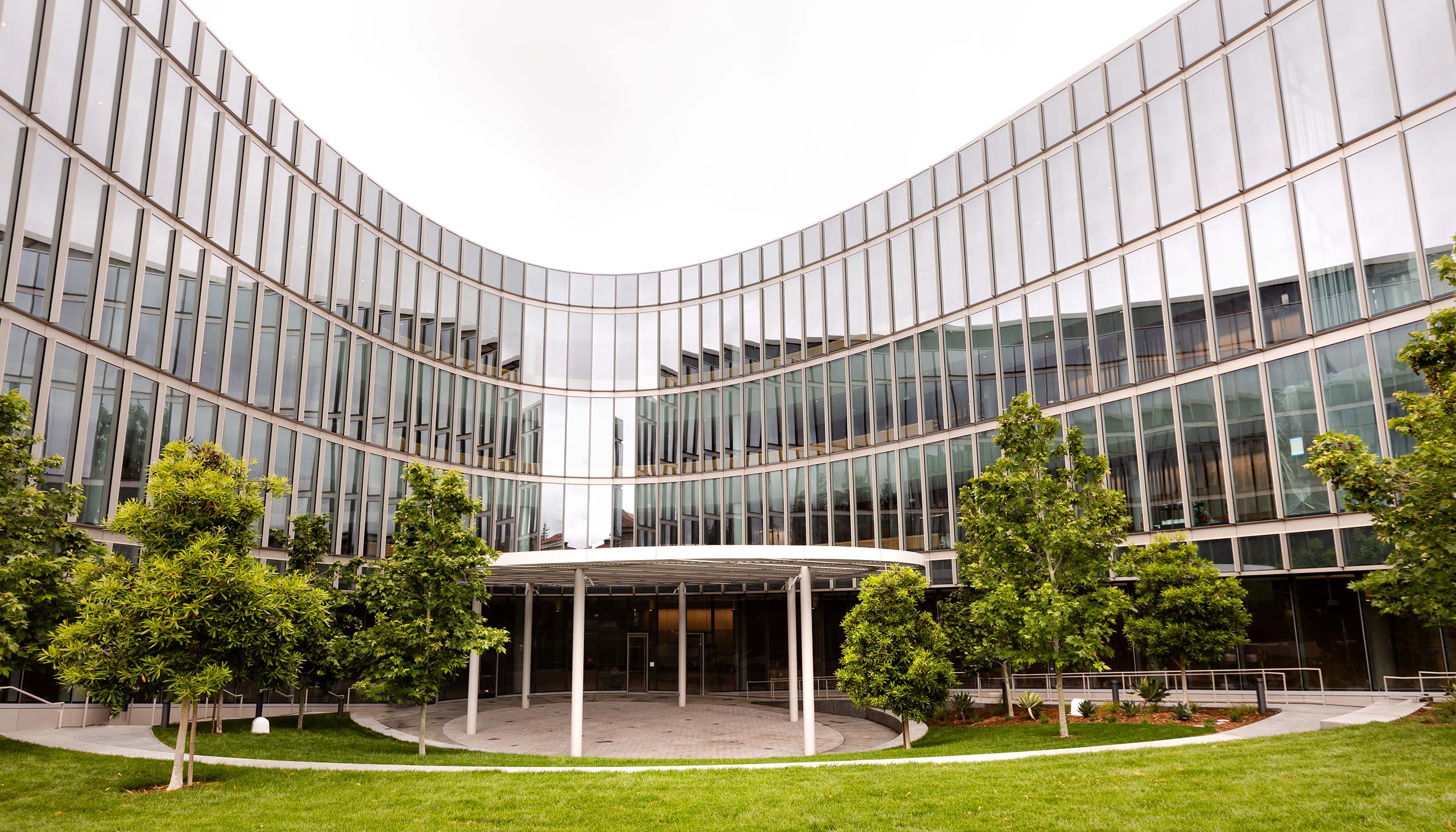
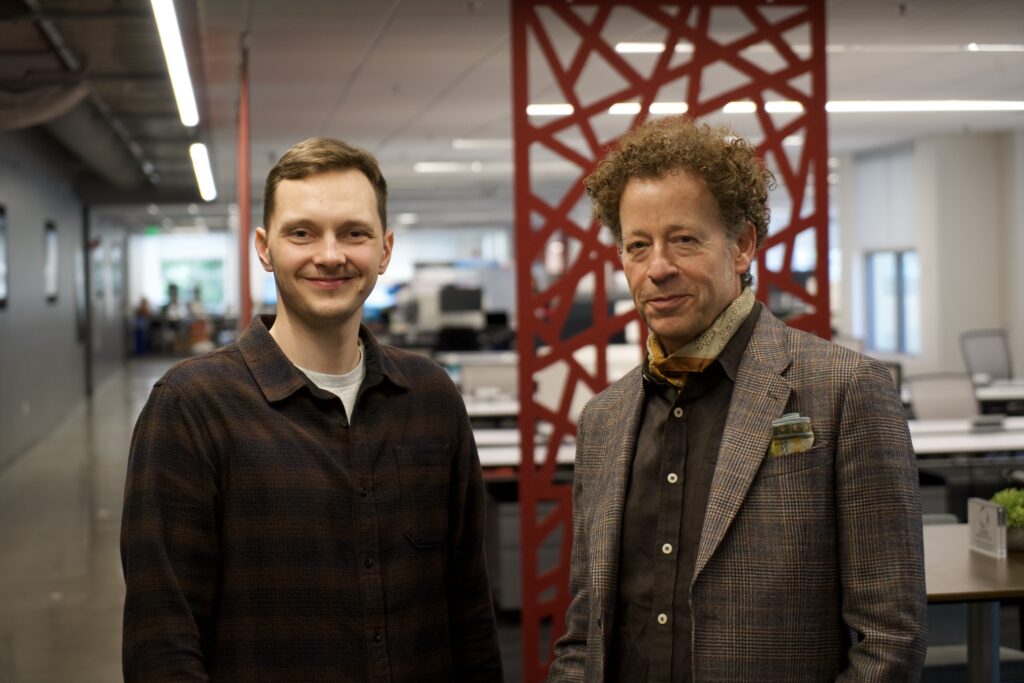
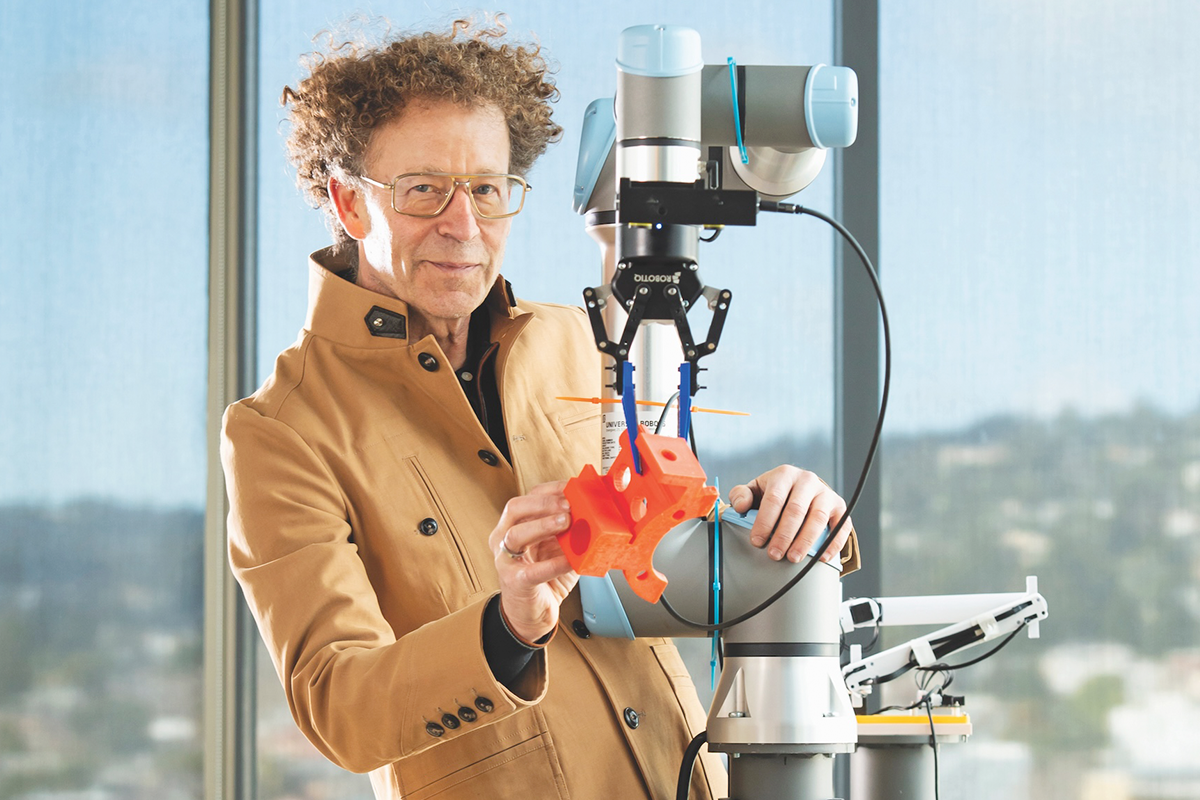
IEOR and EECS professor Ken Goldberg in his lab at UC Berkeley’s Berkeley Way West. (Photo by Adam Lau/UC Berkeley Engineering)
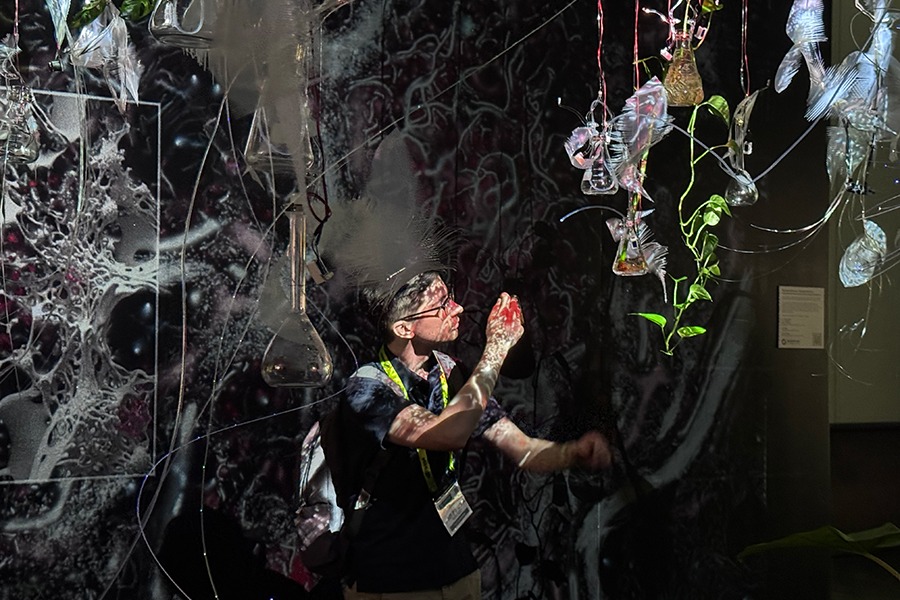
Dozens of impeccably styled art aficionados packed themselves into the di Rosa Museum in San Francisco to reflect on trees, time and technology. A crowd gathered around a lean, bespectacled artist who stood beside a large photograph depicting an industrial robot arm emerging from a large planter lush with greenery. The presenting artist was Ken Goldberg, a roboticist and UC Berkeley’s William S. Floyd Distinguished Professor of Engineering. He explained that the photo depicted the Telegarden, the first interactive robot on the internet.
The Telegarden expanded on a concept Goldberg pioneered in 1994, when he first trained a webcam on a robotic arm and streamed it online. He later tasked the robot with tending a small garden of living plants and allowed website visitors to control the robot by directing where it should plant and water seedlings. In 1995, converting commands from a two-dimensional web interface into something that could be parsed by a robotic arm operating in three dimensions was a major challenge. It was also one of the first marriages of art and engineering on the nascent internet.