Senate Republicans have rolled out an updated version of the Digital Asset Market Clarity Act, or CLARITY Act, introducing new ethical standards that limit the ways federal officials can engage with digital assets. This move, announced on July 22, 2026, is a significant step in addressing the regulatory ambiguity that has long clouded the crypto space.
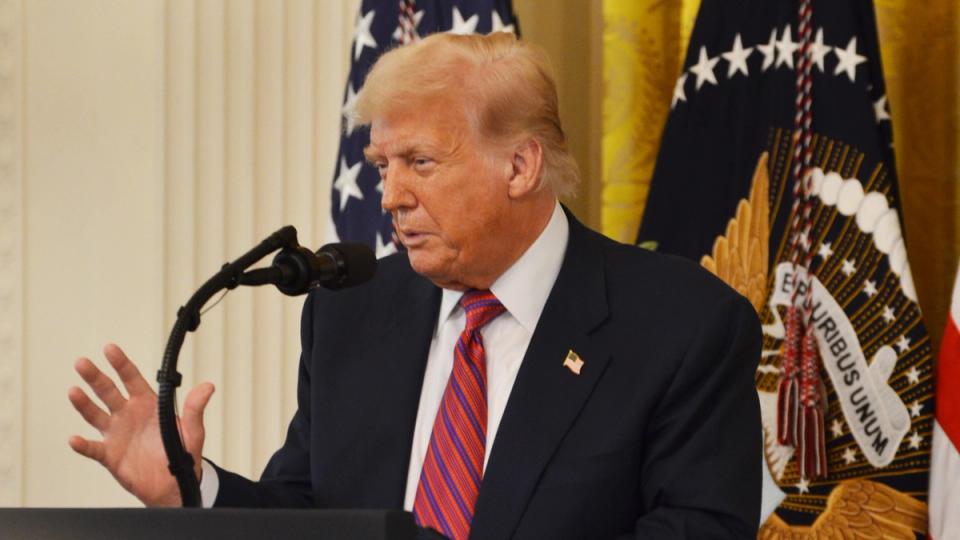
Here’s the deal: the updated CLARITY Act includes provisions that prevent federal officials—including the president, vice president, and members of Congress—from issuing or profiting from digital assets. This new set of rules also has a sunset clause, meaning they’ll expire on January 20, 2029, unless renewed. According to Senator Cynthia Lummis, who spearheaded the bill, these rules were a product of compromise with President Trump, aiming to uphold a higher ethical standard than previously mandated by law.
Regulatory Clarification
The new iteration of the CLARITY Act is not just about ethics; it also seeks to eliminate the fuzziness in regulatory frameworks. It distinguishes between digital commodities—which fall under the Commodity Futures Trading Commission (CFTC)—and securities, which are managed by the Securities and Exchange Commission (SEC). The aim is to offer clearer guidance for crypto businesses and investors operating under US jurisdiction.