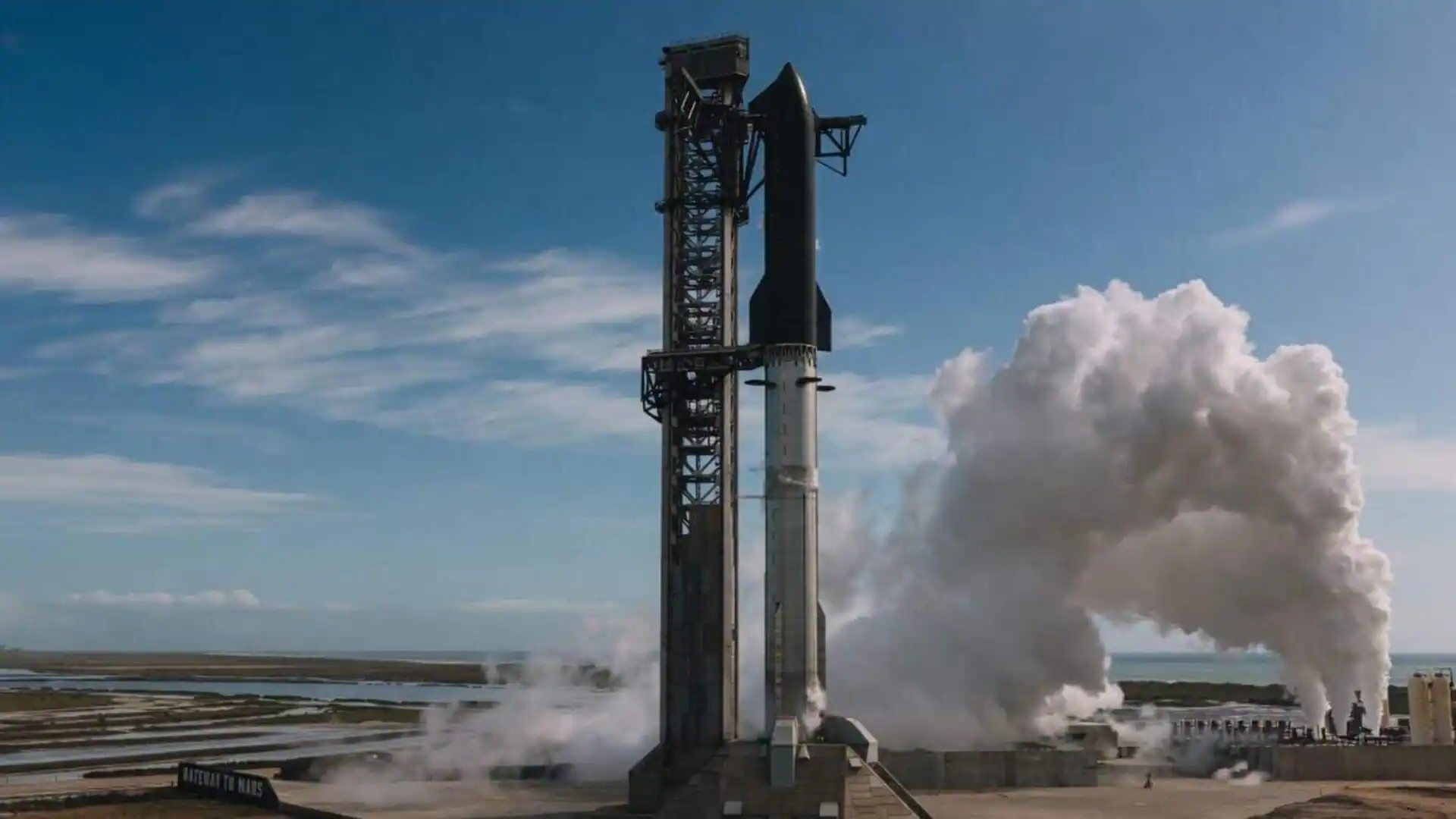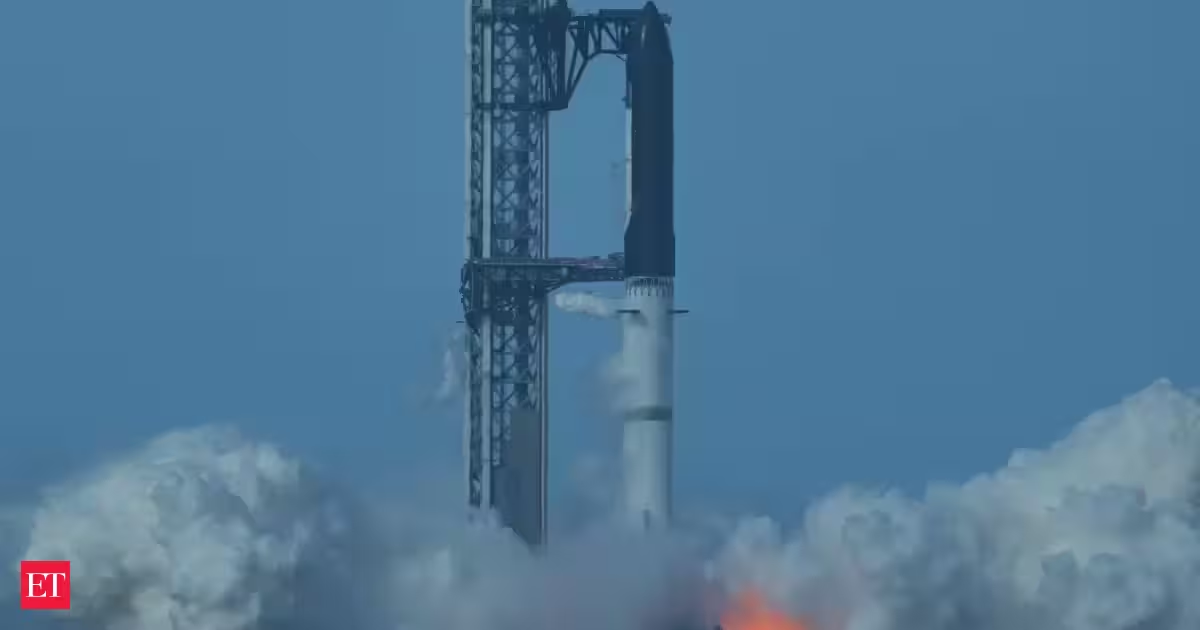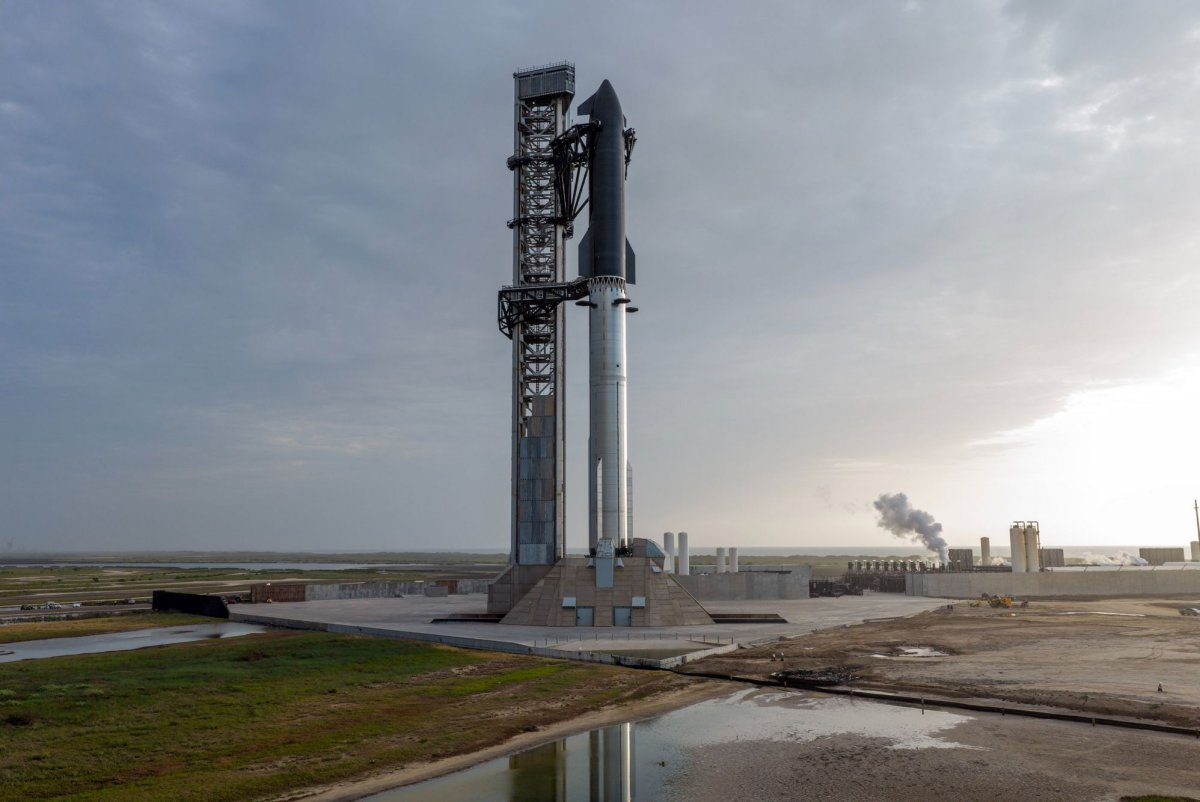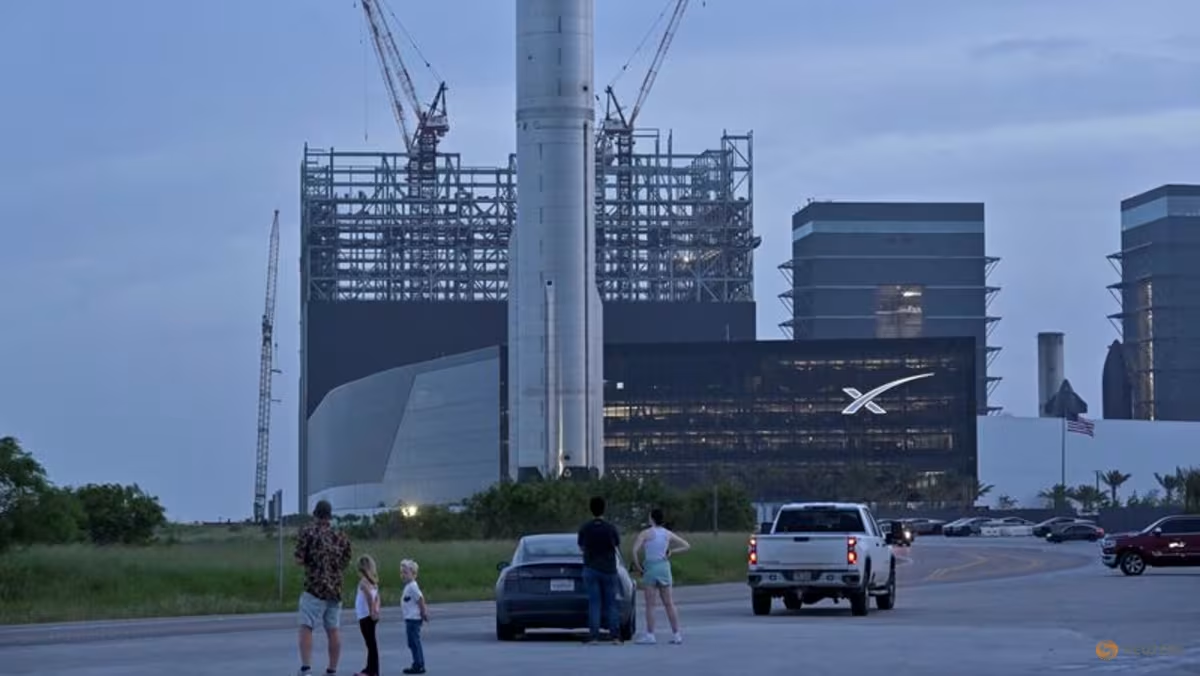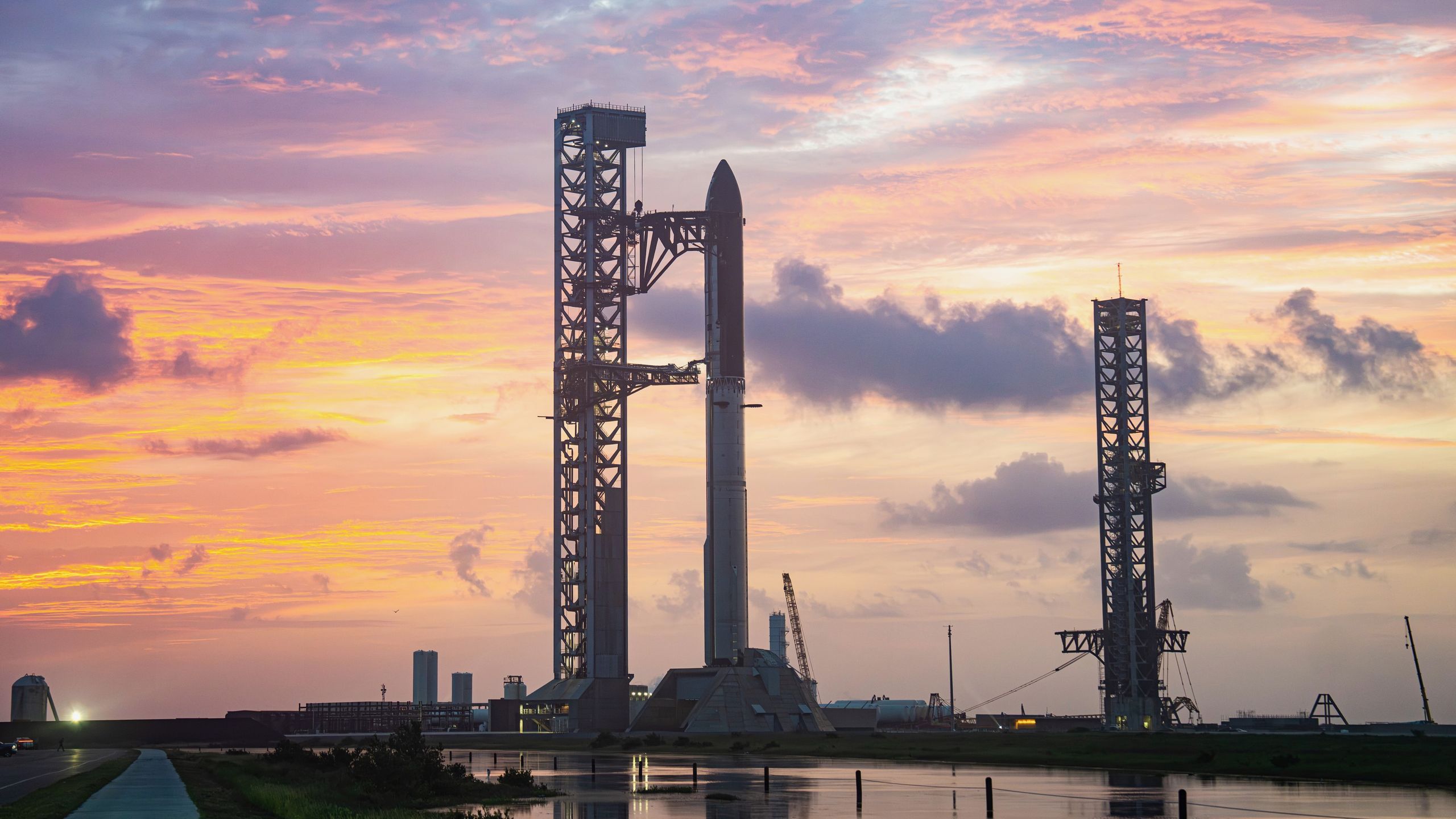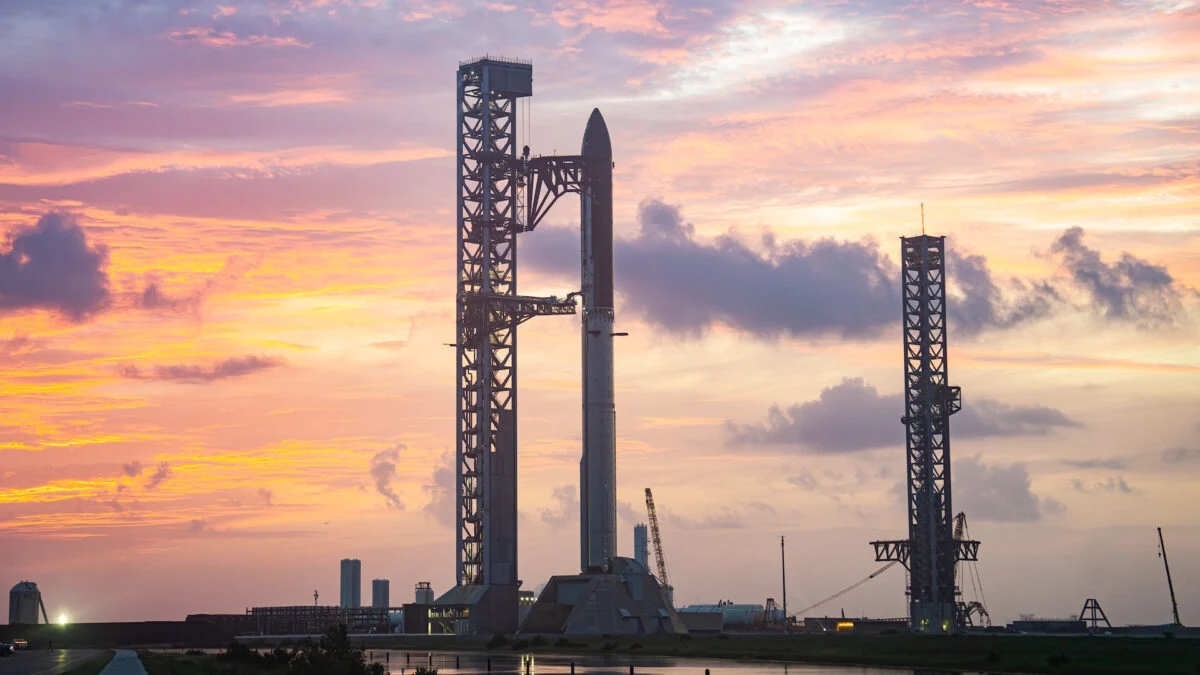
It’s been said that patience is a virtue. For SpaceX, it’s a necessity. After completing preflight checks, the company is gearing up for the 13th launch of its Starship, set for July 23, 2026. Weather permitting, of course.
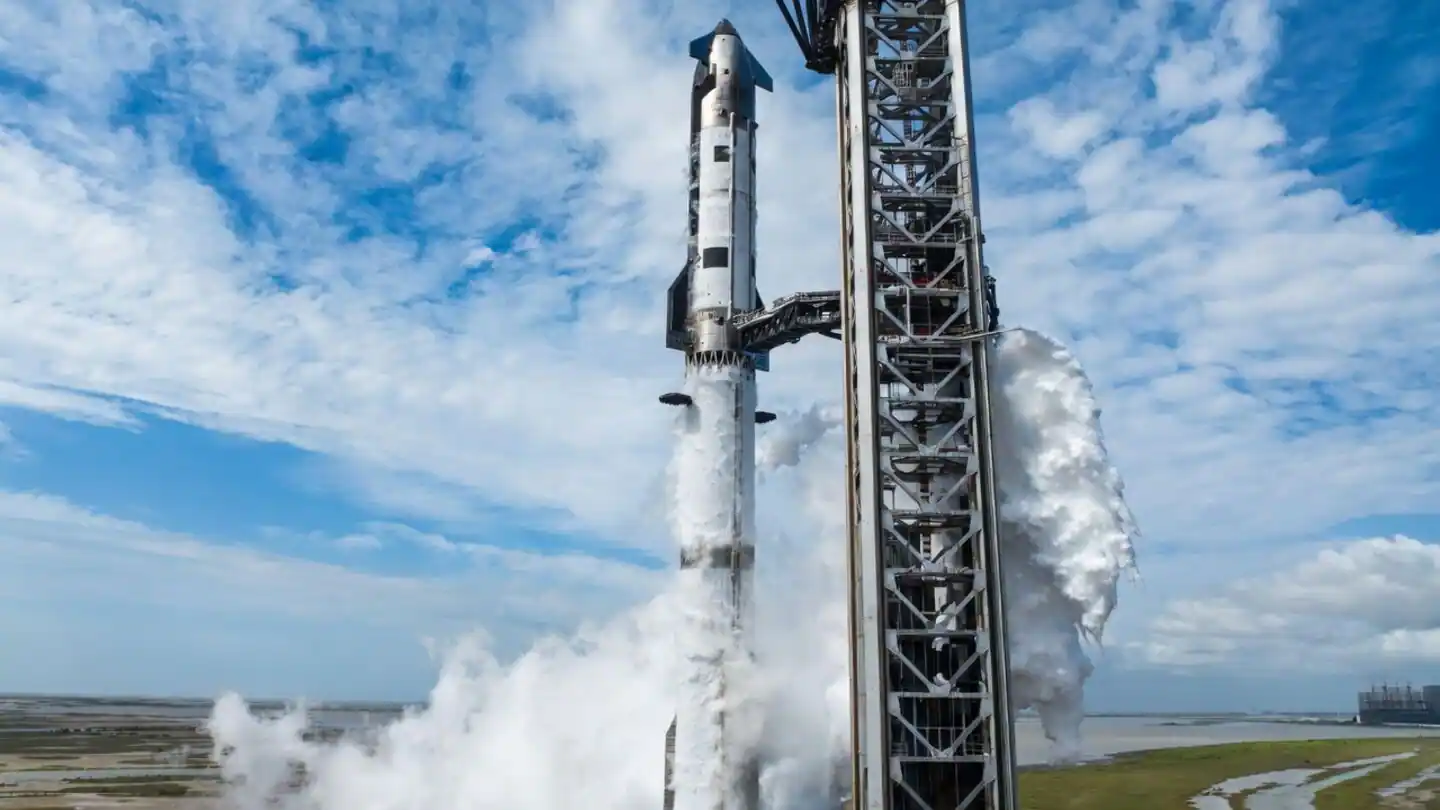
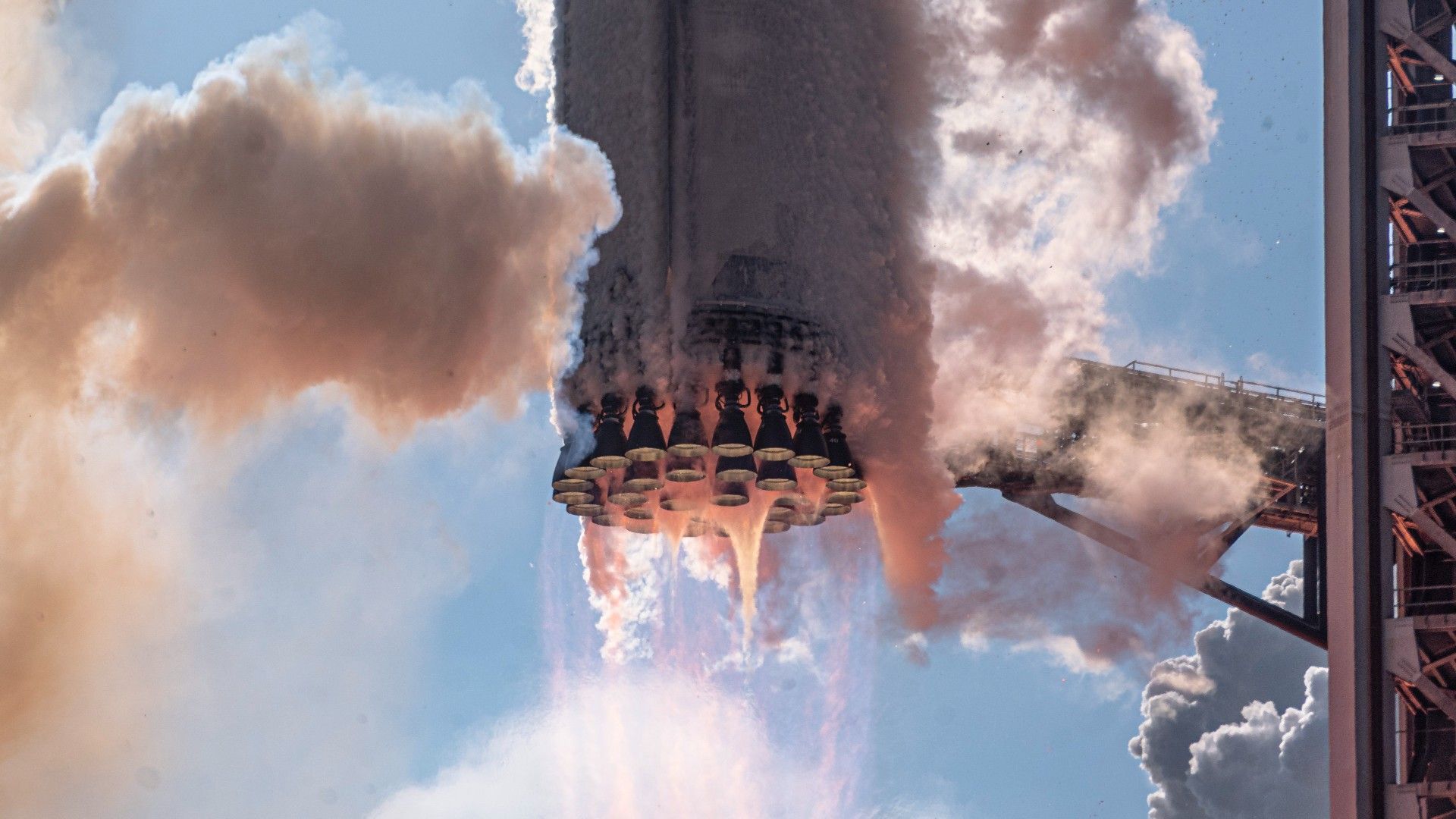
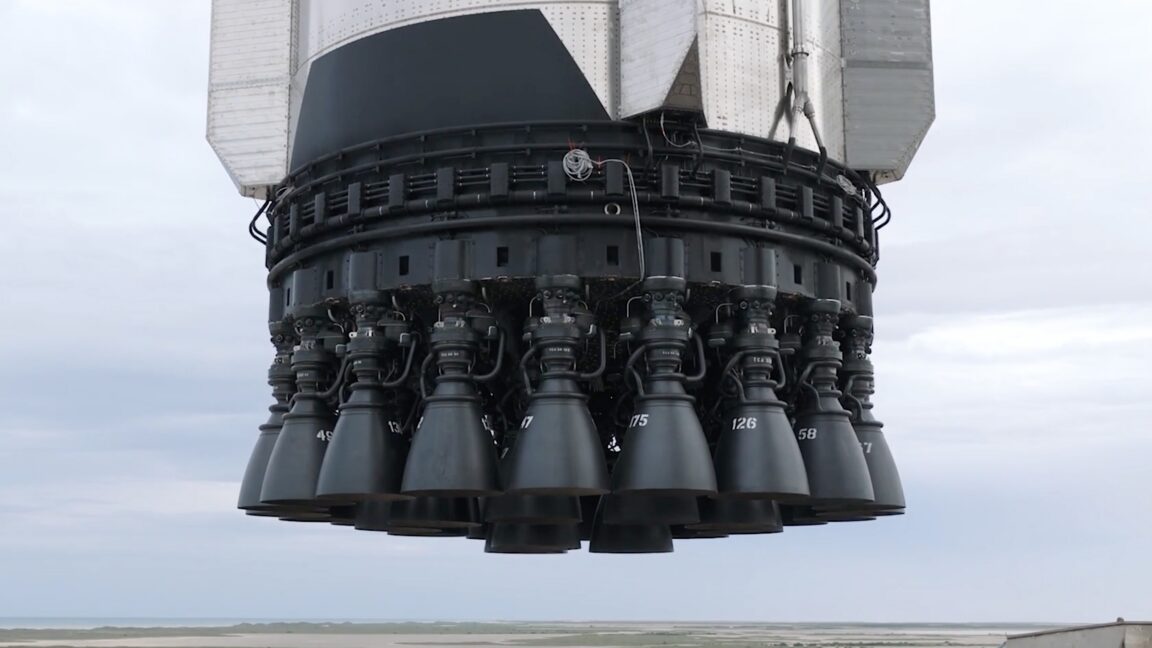
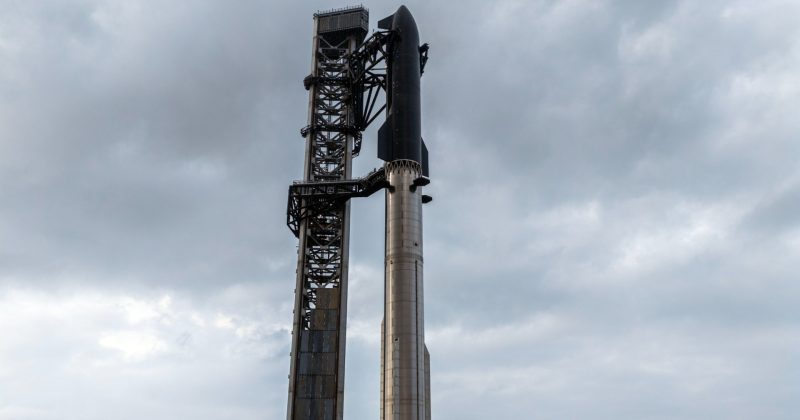
To get technical, this mission involves SpaceX’s Super Heavy booster, specifically its 20th iteration, and aims to send 20 Starlink V3 satellites on a suborbital mission. But it’s not just a routine flyby—several key technological tests are part of the agenda. You can hear the engineers buzzing from here.
The nuts and bolts of the mission
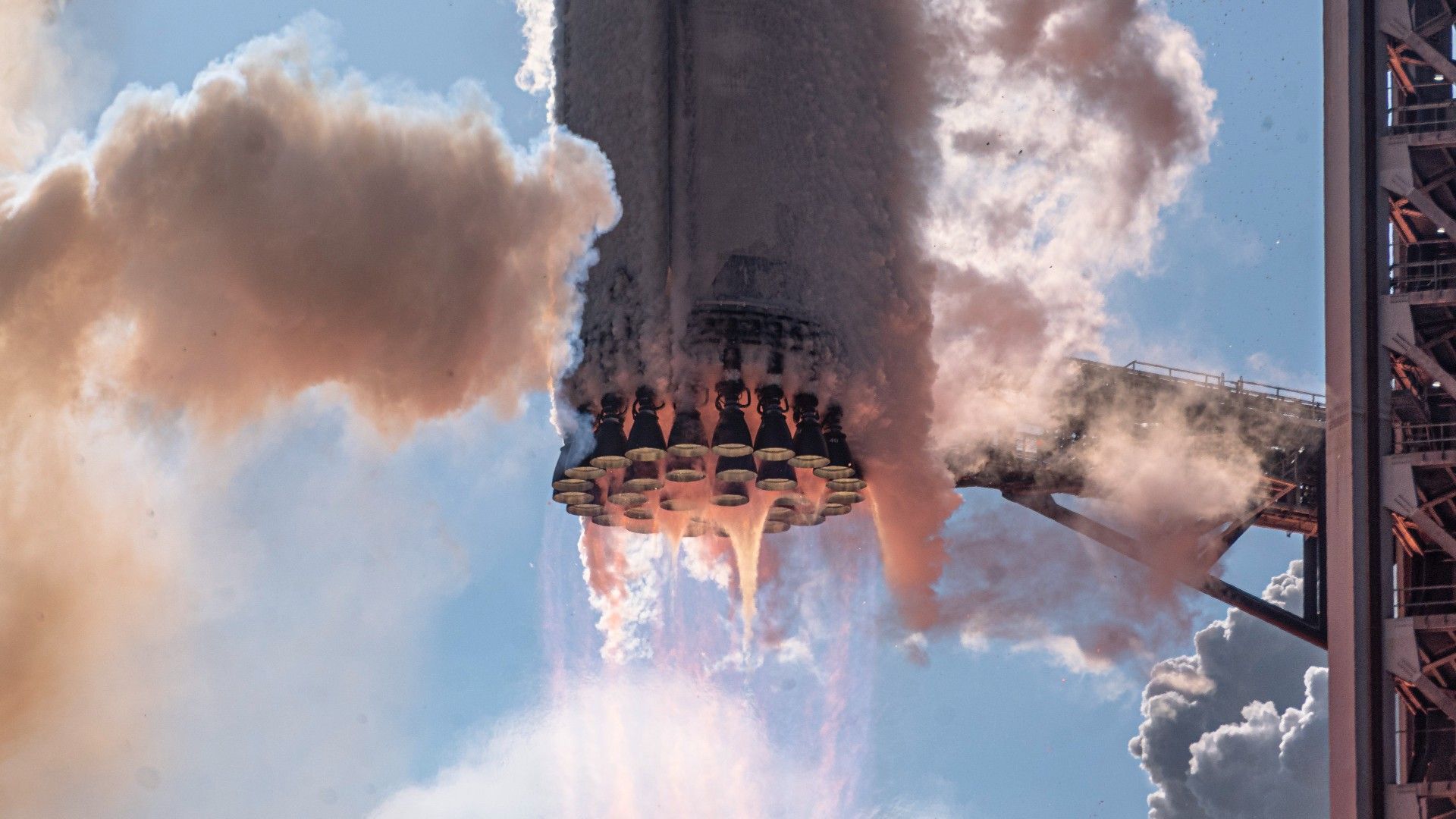
The launch window for this mission is set to open at 5:45 p.m. Central Time, giving SpaceX a 90-minute span to get everything just right. Should the clouds cooperate, Starship will test a few things besides just getting those satellites into position. Among them are the booster catch attempts and the relighting of in-space engines, which are crucial steps toward making the whole shebang reusable.
This launch follows a scrapped flight earlier in July, halted due to a booster engine issue. Talk about an anticlimax. But that’s space exploration for you; it’s less ‘2001: A Space Odyssey’ and more ‘Groundhog Day’ with a budget. The good news? Those issue checks and balances mean that tomorrow might just be the day everything lines up. Fingers crossed.