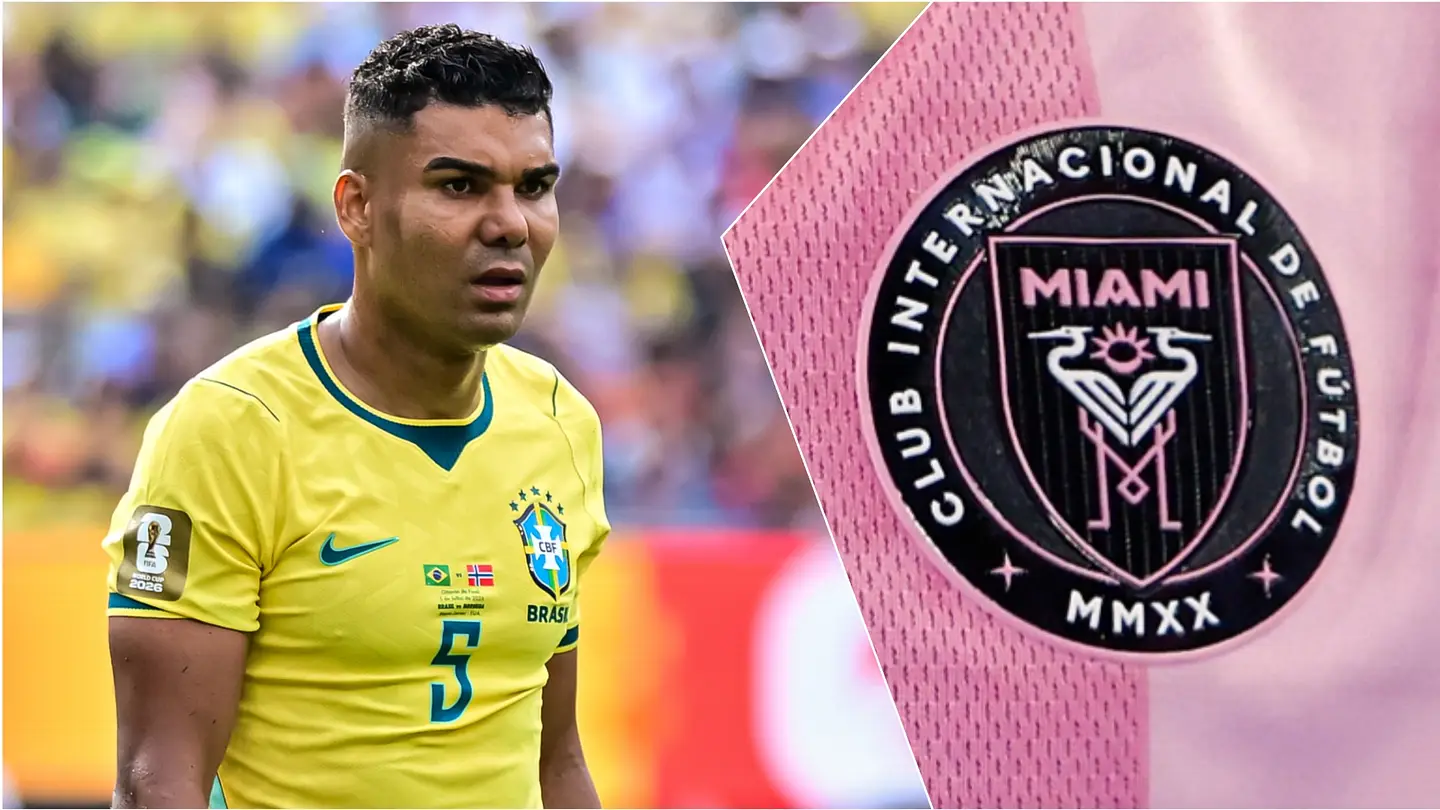
Inter Miami has signed Brazilian veteran and World Cup midfielder Casemiro on a free transfer, following his strong season with Manchester United. And while it’s an important development for an MLS team seeking to become the league’s first repeat champion since 2012, it hasn’t come without controversy.MLS, shortly after Miami’s announcement of the signing, revealed that it is investigating Inter Miami over allegations of tampering. In MLS, it’s not always as simple as international stars being able to sign with whichever club they please. There are complex league rules that teams have to go through in order to complete signings, and that is what’s at the center of the current drama.Here’s a closer look at what Miami is accused of doing, why the club couldn’t just sign Casemiro outright without clearing any hurdles first and what could potentially happen as a result, if the club is found guilty:Why is Inter Miami being accused of tampering? And what are MLS discovery rights?Inter Miami is accused of tampering for allegedly circumventing the “discovery rights” in MLS. Basically, discovery rights to a player mark a team’s priority to negotiate. It is a rule from an archaic era in MLS, where it was designed so teams weren’t negotiating against each other for signings, thus helping keep costs down. MLS is a single-entity league, meaning all the contracts run through the league office. It was also seen as a way to potentially ensure a more equitable distribution of top talent, so the biggest names wouldn’t all be funneled to the same, more desirable markets.Teams can put up to six players on their “discovery lists.” If Multiple teams make claims for the same players, they’re allocated to lists on a first-come, first-serve basis.In this situation, the LA Galaxy had Casemiro’s discovery rights, meaning no other MLS team could make contact with the player while they were in negotiations. The league is investigating the LA Galaxy’s claim that Miami circumvented this rule.Was Casemiro in talks with the LA Galaxy?Yes, the Galaxy were in negotiations with Casemiro and felt confident about signing him — until the player expressed he wanted to join Inter Miami instead.How do teams acquire discovery rights?Teams can trade discovery rights, and that is often the case on signings, where another club will profit from the signing of a player whom they never actually rostered. It is a rule that is most difficult to explain to people who aren’t familiar with MLS — and, frankly, even to those who are — even in a league with many arcane regulations.In terms of a recent example, in the summer of 2024, the LA Galaxy signed German international Marco Reus despite Charlotte FC having his discovery rights and making an offer that would have made him a designated player. Reus wound up signing with the Galaxy on a non-DP deal, meaning Charlotte offered more, but the player wanted to be in Los Angeles.Charlotte held firm on his discovery rights, though, and the Galaxy had to pay $400,000 in general allocation money (GAM) to Charlotte in order for the chance to sign Reus, which is believed to be a record for such a transaction.Typically, discovery rights are traded for a more standard $50,000 GAM fee, but if rights-holding teams make a genuine attempt to sign that player, a slightly larger fee can be negotiated (as was the case in the Reus signing, albeit on the extreme end). As long as a club is viewed to make a “genuine” offer, they are not required to relinquish the rights.
Casemiro, Inter Miami controversy explained: Why MLS is investigating Messi’s club for tampering
The investigation of Inter Miami surrounding its signing of Casemiro comes with plenty of questions. Here are the answers
1,185 words~5 min read