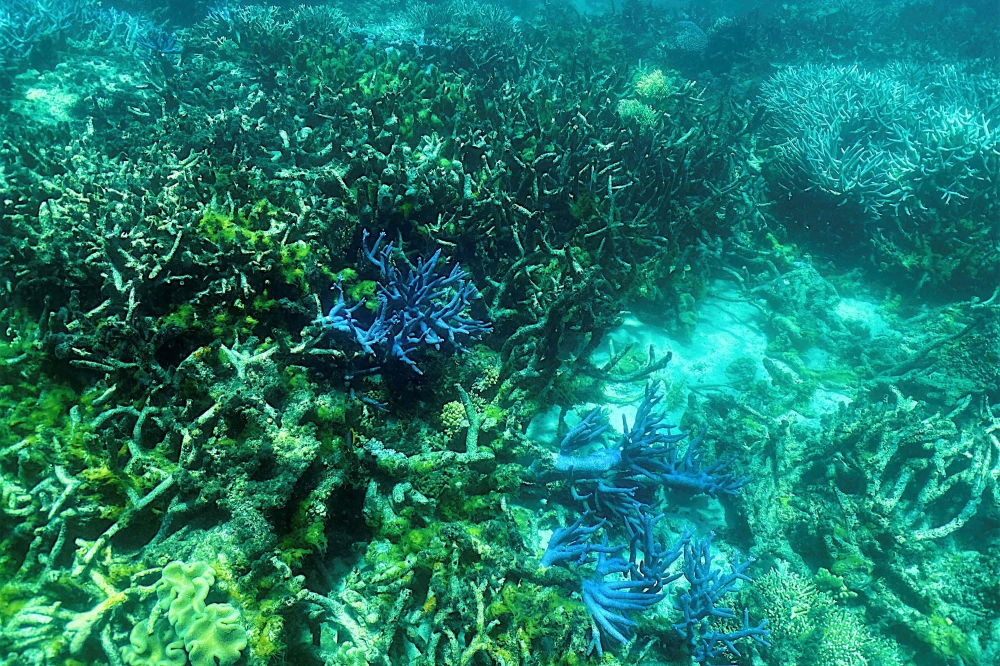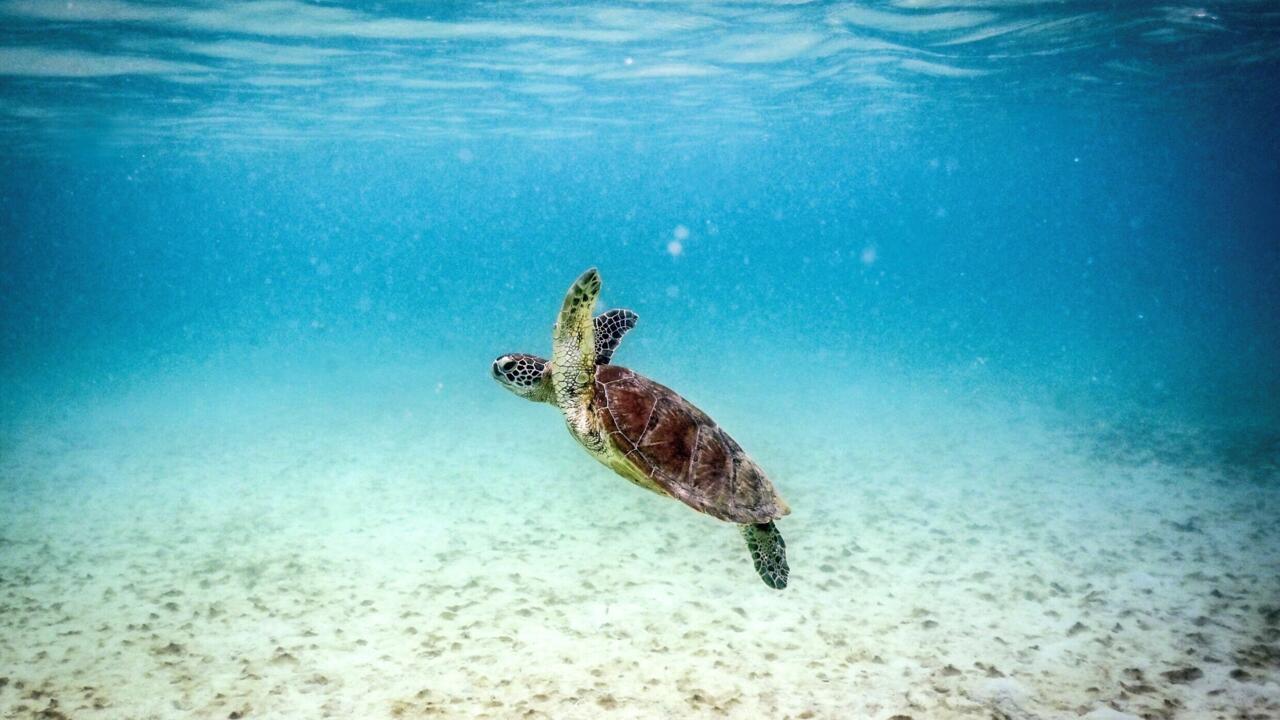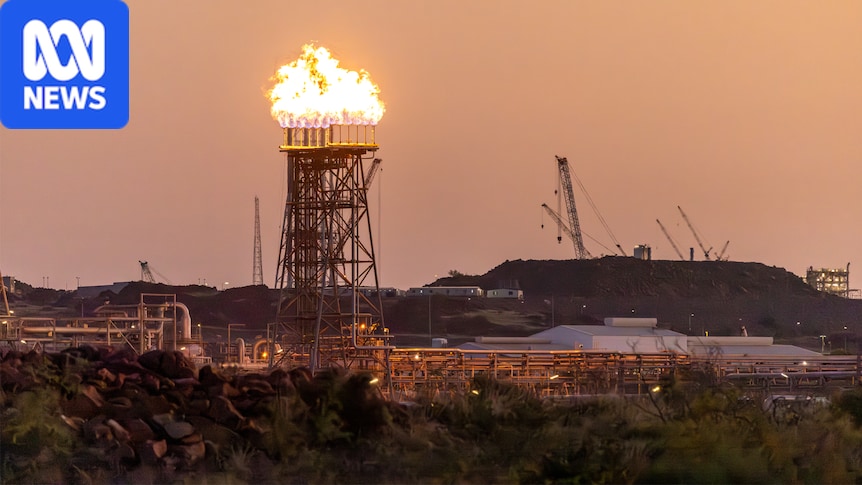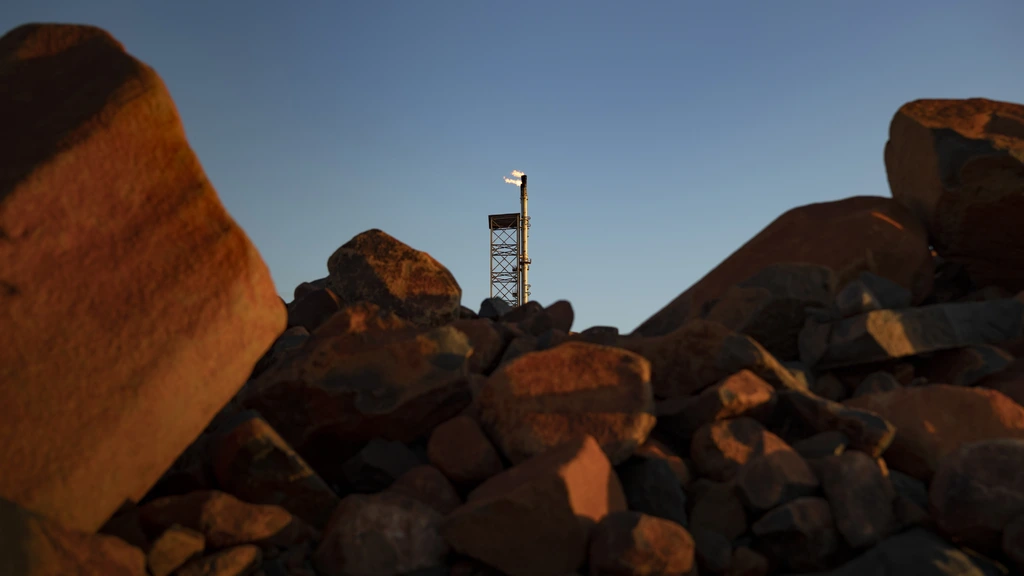
Research has shown the intense, impulsive underwater noise from marine seismic surveys can harm marine animals up and down the food chain. Yet marine scientists say major gaps remain in understanding how the effects of repeated exposure may accumulate across ecosystems over time.Even so, the technology is becoming embedded in Australia’s energy transition plans, as projects increasingly rely on seismic surveys not only to search for gas, but also to repeatedly monitor sites where carbon dioxide captured during gas production would be injected permanently into seabed rock formations.The process, known as carbon capture and storage, is relatively new, and while proponents say it is the only way to reach net zero goals, major economic and performance challenges remain.The expansion of carbon capture and storage could make seismic surveys a recurring feature of Australia’s net-zero ambitions.
It was spring, 20 years ago now, but he remembers it clearly. On the deck of the Geco Resolution, wind tearing spray from the waves, Robert McCauley stood gazing out onto an ocean blackened by night.
The ship had been firing seismic airguns all day, thunderous blasts punching through the water and into the seabed. Over time, the rhythmic boom reverberating through the hull had almost faded into the background.