(Photo: 123RF)
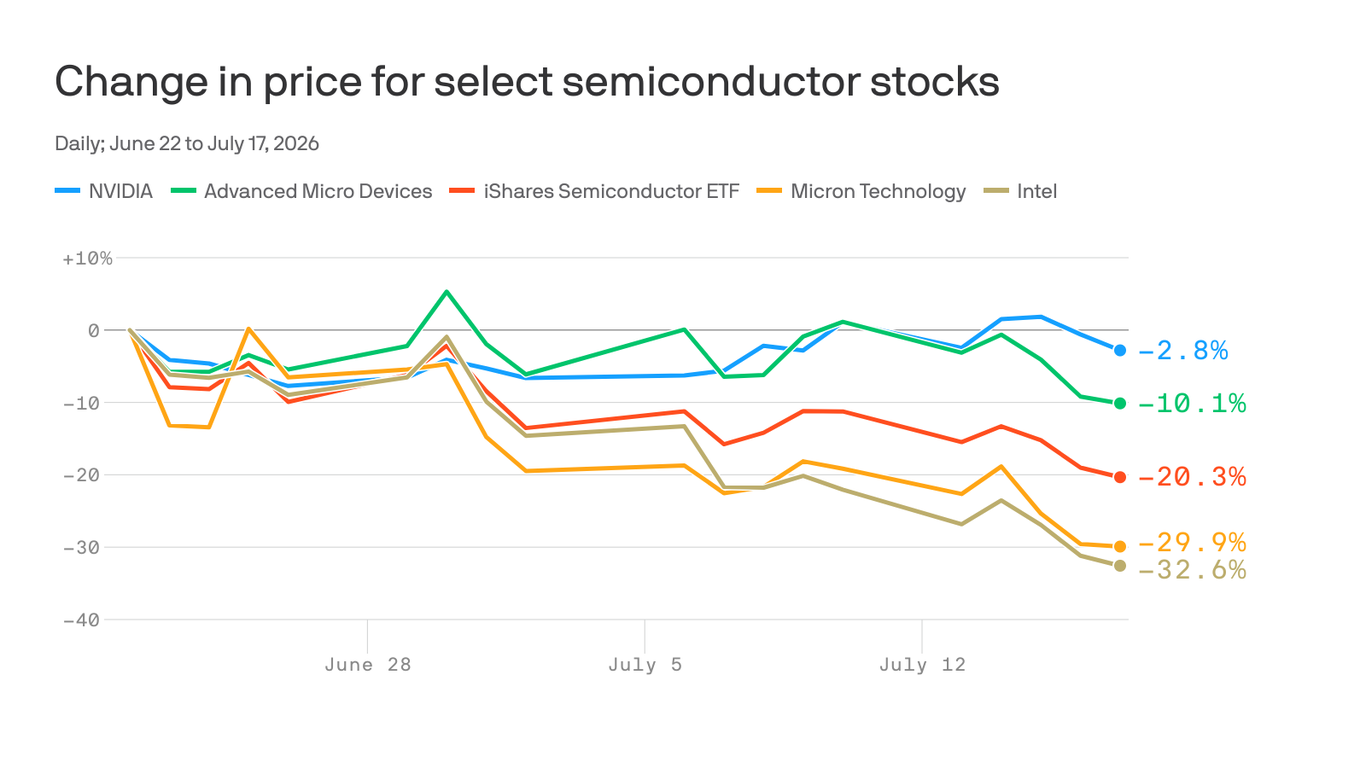
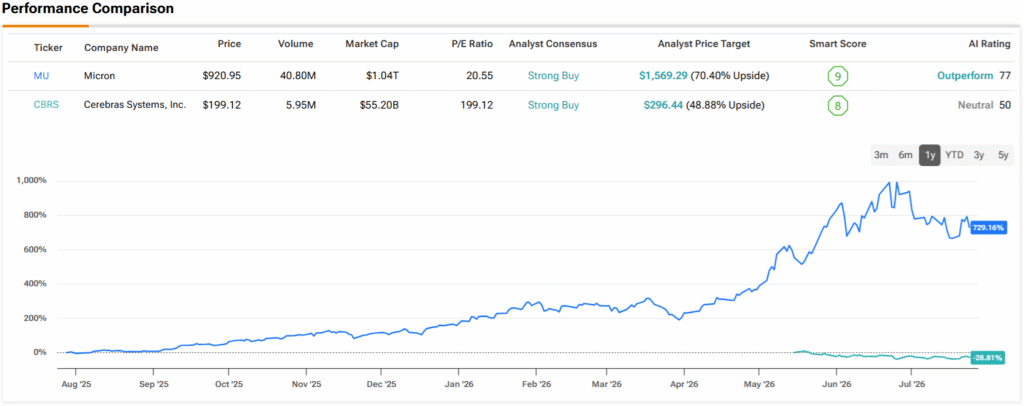
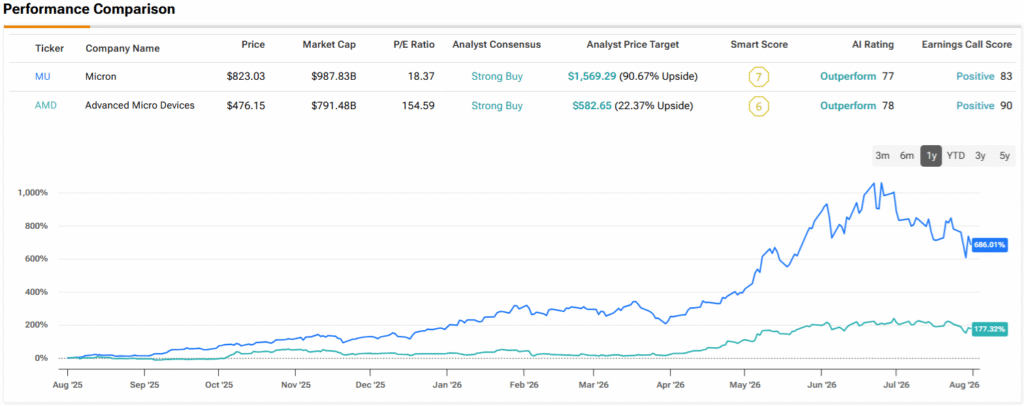
The investment story of the first half of 2026 was straightforward: either an investor owned semiconductor stocks (but not just any semiconductor stocks) or they did not. If one held too little exposure or the wrong names, one simply stood no chance of keeping pace with the market.Contrary to popular belief, the outperformers were not the leaders in manufacturing the most advanced chips used to train frontier AI models, but rather, the less sophisticated players in the oligopolistic and highly cyclical industry that specialises in the production of DRAM (dynamic random access memory) and other NAND memory chips.
Shortly after the start of the conflict between the United States and Iran, the Philadelphia Semiconductor Index began to surge and has almost doubled in just three months' time. At the same time, within emerging market (EM) equities, just three stocks have accounted for virtually 100% of the gains in the MSCI EM Index this year.
However, this phenomenon has not led to an underperformance of the US equity market. Instead, the market's leadership has broadened considerably, with gains extending beyond the Magnificent 7 -- Nvidia, Microsoft, Alphabet, Amazon, Meta Platforms, Apple, and Tesla -- to a wider range of companies that are benefiting, either directly or indirectly, from the AI investment cycle. As a result, the compression in mega-cap technology valuations has been more than offset by expanding participation across the broader market.