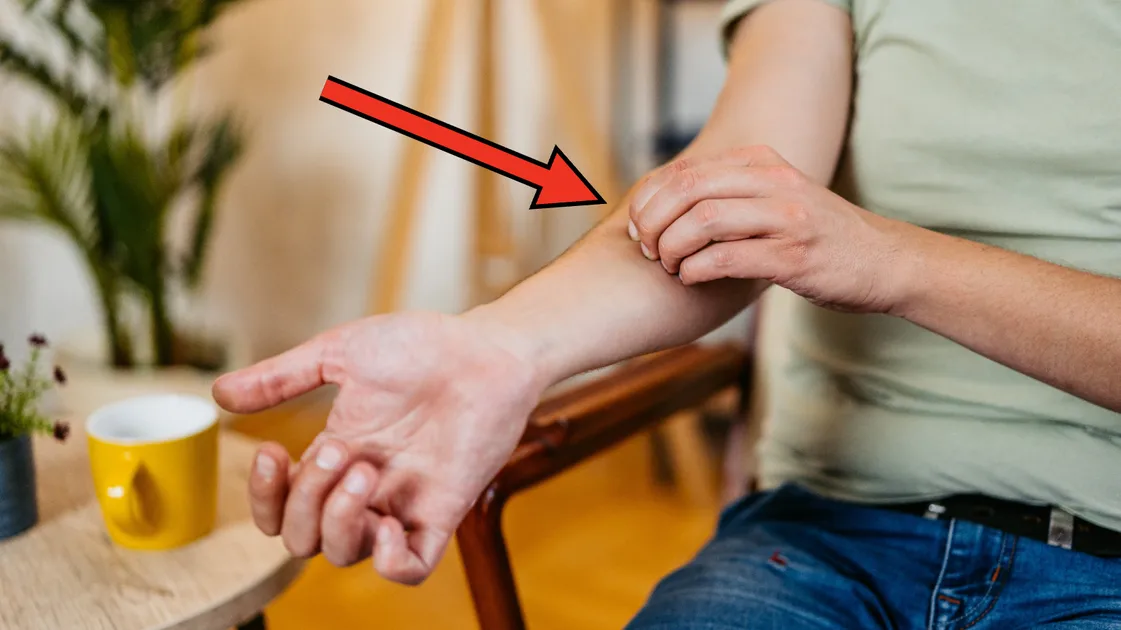
Have you ever noticed that your skin is super stretchy or that your joints are constantly crackling, locking or maybe even popping out of place? Are you more flexible than most of your friends, but also often feel fatigued? You may have joint hypermobility, which is when joints bend beyond the normal range of motion. Joint hypermobility is pretty common, and affects somewhere between 10 and 30% of the population. For some, it may not have much of an impact on everyday life. But this isn’t the case for everyone. Hypermobility exists on a spectrum, from mild joint laxity to conditions such as hypermobility spectrum disorders (HSDs) and hypermobile Ehlers-Danlos Syndrome (hEDS), in which symptoms can extend far beyond the joints to impact multiple body systems.Below, experts share common symptoms of joint hypermobility, from achy joints to abnormal scars.Unstable JointsRecurrent sprains, strains and joints that feel loose or like they’re going to give out are all common with hypermobility. “The connective tissue isn’t holding the joint tightly, so the muscles around it have to work overtime to compensate, and that wears people out,” said Dr. Jacques Courseault, a physical medicine & rehabilitation physician and assistant professor at Tulane University School of Medicine who specializes in hypermobility.Some people experience popping and clicking joints or joint subluxations, in which the bones that form a joint partially slip out from the proper positioning. This happens because the ligaments are unable to hold the bones in proper alignment. “This may present as a sudden sensation or feeling that the joint is going out and then sliding back into place,” said Dr. Vivek Babaria, an orthopedics, interventional spine and sports medicine physician in Southern California. “There may be transient, sharp pain and sometimes swelling afterward.” It’s most common in the shoulder joint, but knee, finger, jaw, and ankle subluxations are also common, Courseault said. “Full dislocations happen too, but the partial ones are way more common,” he explained.Joint PainJoint pain is common in people with hypermobility. Loose joints can strain the muscles and nerves that support them, which can lead to chronic pain, explained Dr. Jim Harris, an allergist and medical director at the EDS Clinic. Despite the pain, medical imaging often comes back normal, which can be frustrating.“A lot of the pain is coming from the supporting structures outside the joint, the muscles and the fascia doing all the stabilizing, and standard imaging just doesn’t show that,” Courseault said.Anxiety“Anxiety is significantly more common in people with hypermobility than in the general population,” said Dr. Linda Bluestein, an integrative medicine physician and hypermobility specialist. “It may present as generalized anxiety, panic attacks, social anxiety, health anxiety or a persistent feeling of being on edge.”Anxiety may be more common in people with more severe hypermobility. Research suggests that people with hypermobility may have differences in autonomic nervous system regulation and interoception, which is the brain’s way of perceiving and interpreting signals from inside the body. “When the body is frequently sending signals such as rapid heart rate, dizziness, pain, nausea, or shortness of breath, the brain may interpret those sensations as threatening, contributing to anxiety symptoms,” Bluestein said.Some people may also experience anxiety after living with symptoms like chronic pain and fatigue and being misunderstood or even dismissed by healthcare providers. Olga Pankova via Getty ImagesExtreme flexibility might not just be a casual body quirk.FatigueFatigue in people with hypermobility can range from needing more recovery time after activity to profound exhaustion that interferes with school, work, relationships and daily functioning. It can happen for a few different reasons, including due to sleep disorders like sleep apnea and insomnia, which are common in people with hypermobility. Autonomic dysfunction can leave people feeling exhausted even after minor activity. Meanwhile, chronic pain can disrupt sleep, but poor sleep can also impact pain levels, creating a cycle that’s hard to get out of, Harris said. “Additionally, people with hypermobility often use more muscular effort to stabilize joints that are naturally less stable,” Bluestein said. This means that routine activities may require significantly more energy than they would for someone without hypermobility. Soft And Stretchy SkinPeople with hypermobility may have soft, silky or velvety skin. It may also be stretchy, fragile or bruise easily, Harris said. Some people also experience atrophic scarring, which is when scars are sunken, thin or resemble cigarette paper.Elastic or fragile skin can sometimes be related to issues with collagen or the proteins that regulate it. A Racing HeartSome people with hypermobility experience dysfunction within the autonomic nervous system, which regulates involuntary processes in the body, like heart rate, breathing and digestion. Common symptoms of this dysfunction (known as dysautonomia) include dizziness, lightheadedness, rapid heart rate, palpitations, fatigue, exercise intolerance, brain fog, temperature regulation problems, digestive symptoms, excessive sweating and feeling faint.“One of the key organs affected is the heart,” Harris said. “The heart rate often accelerates without reason, and typically goes up with standing.”A common form of autonomic dysfunction commonly associated with hypermobility is called postural orthostatic tachycardia syndrome (POTS), which causes symptoms like a racing heart, shortness of breath and brain fog.“This has to do with the blood supply to the heart, and that the veins in the legs of these patients don’t constrict normally, so their blood volume heads to their legs or abdomen,” Harris said. “The heart feels like it’s not getting enough blood, so it beats faster. In trying to keep up, the brain is not supplied well and they get brain fog and dizziness when standing.”Keep in mind that hypermobility isn’t always a bad thing, and can even be advantageous, especially when people put in the work to strengthen areas around their unstable joints.“A lot of the world’s best athletes are hypermobile, and you see hypermobile people gravitate toward yoga, Pilates, dance, careers and hobbies where that flexibility actually works in their favor,” Courseault said.
This Little-Known Condition Could Explain Your Fatigue, Muscle Pain And So Much More
There’s so much more to this health condition than people think.
974 words~4 min read